
The primary types of coffee makers are drip, single-serve pod machines, and French press, each with a distinct brewing method. Drip machines use gravity to pass hot water through ground coffee, single-serve models use pre-measured pods or capsules under pressure, and French presses steep grounds in hot water before a plunger separates them. Understanding these core mechanisms helps you choose a brewer based on desired volume, convenience, and coffee flavor profile.
Choosing the right coffee maker can feel a bit confusing at first. There are so many different kinds, and knowing which one is best for you isn’t always clear. This guide will make the Types of Coffee Makers Explained easy to understand.
Key Takeaways
- You will learn about the most common coffee maker types.
- Each type’s basic function and how it brews coffee is covered.
- Simple explanations help you understand the differences.
- The post helps you decide which coffee maker fits your needs.
- You get clear information without confusing jargon.
We’ll go through each popular type step by step so you can pick the perfect brewer for your morning cup. Get ready to discover your new favorite way to make coffee.
![Types of Coffee Makers Explained Simply[1]](https://creativehouseblog.com/wp-content/uploads/2026/03/Types_of_Coffee_Makers_Explained_Simply1.jpg)
Types of Coffee Makers Explained
Coffee is a favorite drink for many people. It wakes us up and gives us a warm feeling. To make good coffee at home, you need a coffee maker.
But what kind should you choose? There are many options available. This guide explains the different Types of Coffee Makers Explained in a simple way.
Drip Coffee Makers
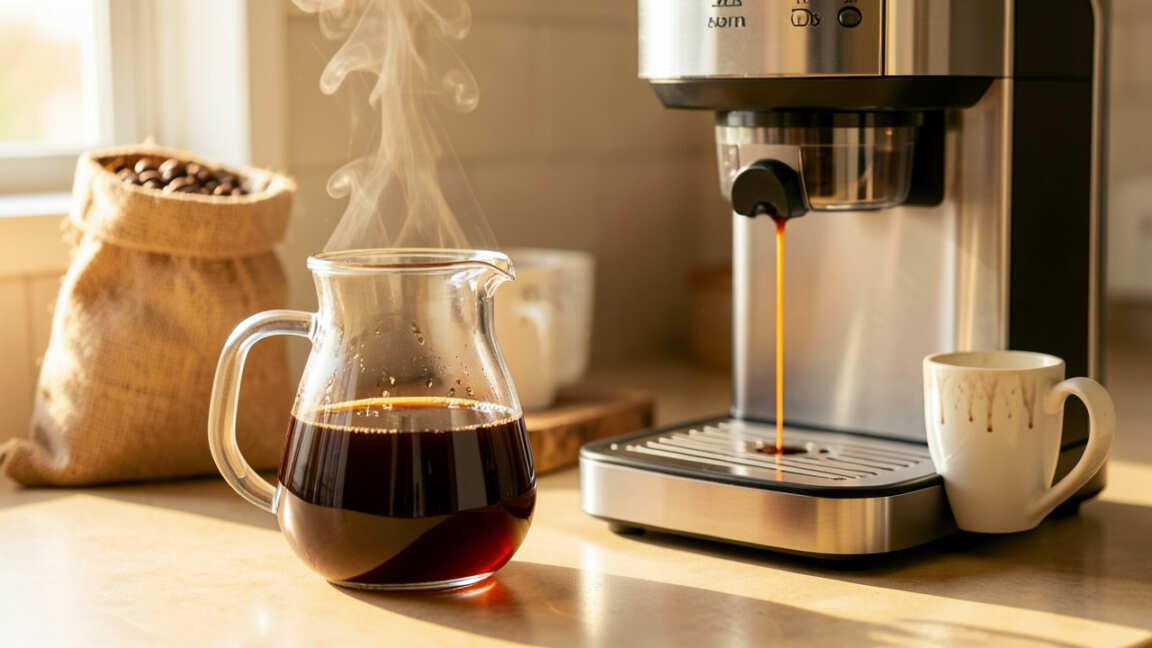
Drip coffee makers are very common in homes and offices. They are easy to use and make a full pot of coffee at once. This is great when you need coffee for more than one person.
How Drip Coffee Makers Work
You put a paper filter in the basket and add coffee grounds. Then, you pour water into the reservoir. The machine heats the water and it drips through the coffee grounds.
The brewed coffee collects in a carafe below. Some machines have a warming plate to keep your coffee hot.
Pros
- Easy to use.
- Makes large amounts of coffee.
- Widely available and affordable.
- Simple to clean.
Cons
- Can sometimes make weaker coffee if not used correctly.
- Less control over brewing temperature.
- Warming plates can sometimes scorch coffee.
Single-Serve Coffee Makers
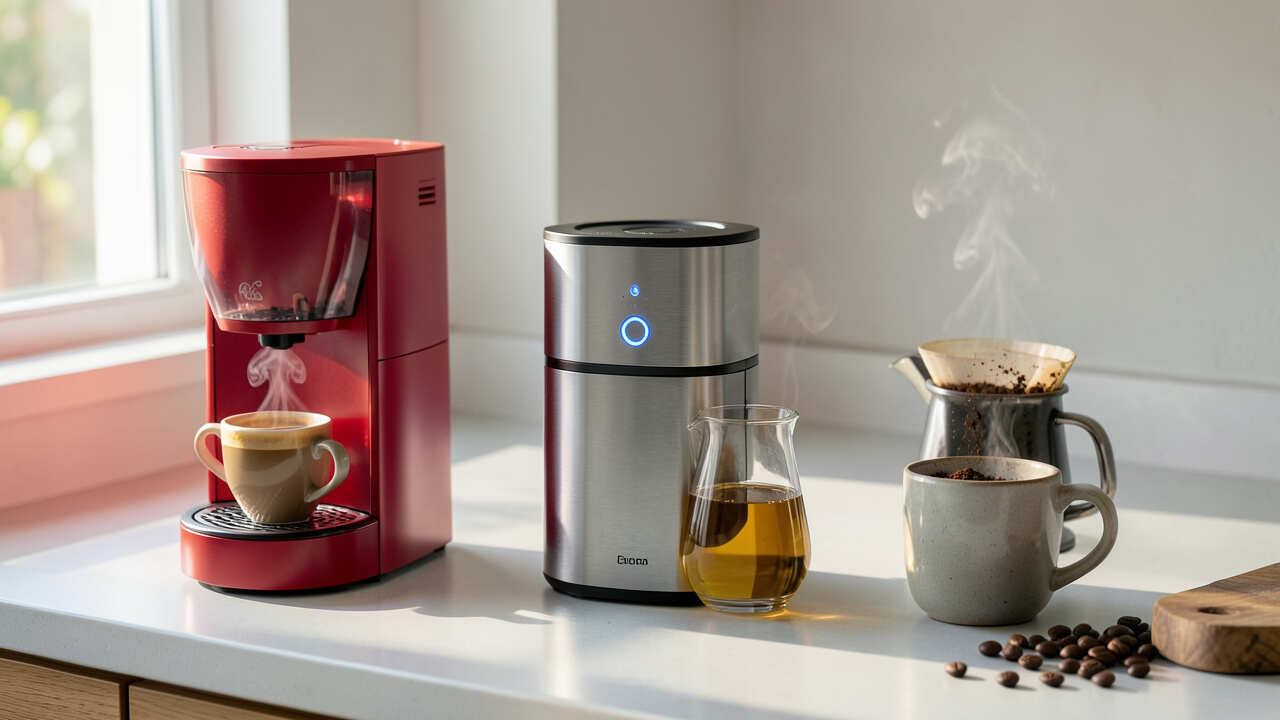
Single-serve coffee makers, like Keurig or Nespresso machines, are popular for their speed and convenience. They let you make one cup of coffee at a time.
How Single-Serve Coffee Makers Work
These machines use pods or capsules filled with coffee. You insert a pod, add water to the reservoir, and press a button. The machine pierces the pod and forces hot water through it, brewing a single cup quickly.
Pros
- Very fast brewing.
- Easy to make a single cup.
- Lots of flavor options with pods.
- Minimal cleanup.
Cons
- Pods can be expensive.
- Pods create more waste than ground coffee.
- Limited control over brew strength.
- Coffee quality might not be as high as other methods.
French Press
The French press is a classic way to make rich, full-bodied coffee. It’s a manual method that gives you a lot of control over the brewing process.
How a French Press Works
You add coarse coffee grounds and hot water to the beaker. Let it steep for a few minutes. Then, you push down a plunger with a mesh filter.
This separates the grounds from the coffee, leaving a delicious brew.
Pros
- Makes rich, flavorful coffee.
- Gives you control over steeping time.
- No paper filters needed.
- Simple to use and clean.
Cons
- Can leave fine sediment in your cup.
- Requires coarse coffee grounds.
- Takes a few minutes to brew.
- Needs attention while steeping.
Pour Over Coffee Makers
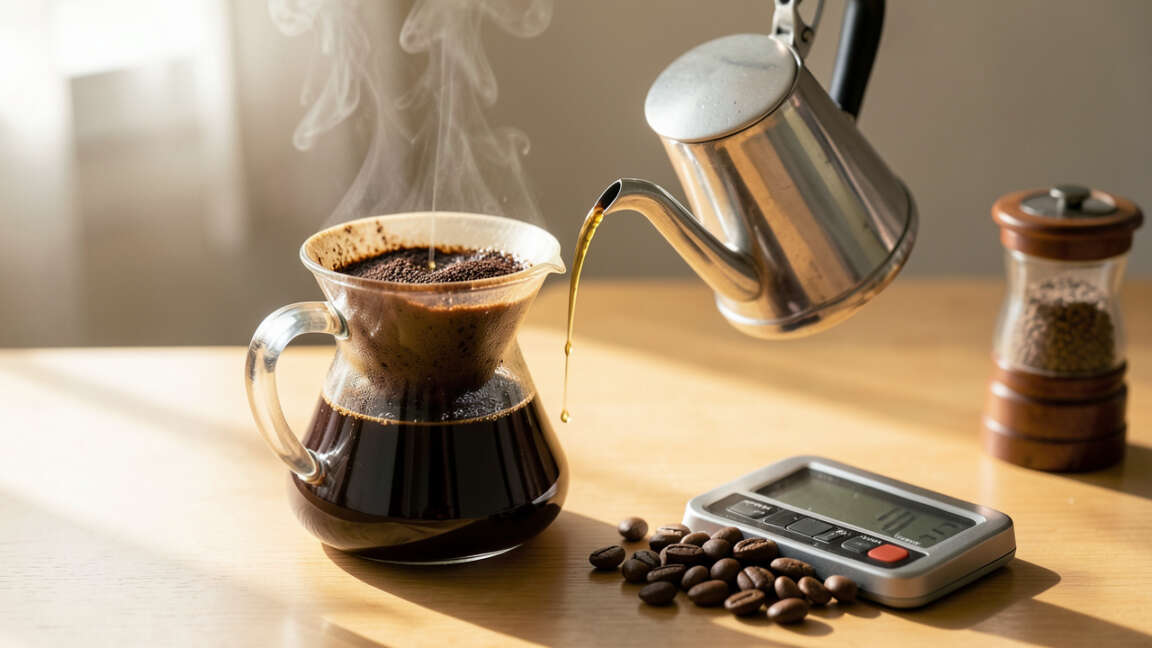
Pour over coffee offers a clean, bright cup of coffee. It requires a bit more effort, but many coffee lovers find it worth it for the taste.
How Pour Over Coffee Makers Work
You place a filter in a cone-shaped dripper, add coffee grounds, and then slowly pour hot water over them in a circular motion. This method allows you to control water flow, temperature, and bloom time for maximum flavor extraction.
Pros
- Excellent control over brewing variables.
- Produces a clean, nuanced flavor.
- Relatively inexpensive equipment.
- Satisfying brewing ritual.
Cons
- Requires more technique and practice.
- Takes longer to brew a single cup.
- Need a gooseneck kettle for best results.

Espresso Machines
Espresso machines are for those who love strong, concentrated coffee shots. They are the basis for drinks like lattes and cappuccinos.
How Espresso Machines Work
These machines force hot water at high pressure through finely-ground coffee. This process extracts a small, intense shot of espresso. There are many types, from simple manual levers to complex automatic machines.
Pros
- Makes authentic espresso.
- Foundation for many coffee drinks.
- Can be very rewarding for enthusiasts.
Cons
- Can be expensive.
- Requires learning a specific technique.
- Needs regular cleaning and maintenance.
- Takes up counter space.
Moka Pot
The Moka pot is a stovetop coffee maker that makes a strong, espresso-like coffee. It’s a popular choice for those who want a strong brew without an expensive espresso machine.
How a Moka Pot Works
Water is added to the bottom chamber, and coffee grounds go in the filter basket. When heated on the stove, steam pressure pushes the hot water up through the coffee grounds and into the top chamber.
Pros
- Makes strong, rich coffee.
- Affordable and durable.
- Compact and portable.
- Simple to operate.
Cons
- Coffee can sometimes taste bitter if overheated.
- Requires careful watching on the stove.
- Not true espresso, but similar.

Cold Brew Makers
Cold brew coffee is known for its smooth, less acidic taste. It’s made by steeping coffee grounds in cold water for a long time.
How Cold Brew Makers Work
You combine coarse coffee grounds with cold water in a pitcher or specialized cold brew maker. Let it steep in the refrigerator for 12-24 hours. Then, you filter out the grounds to get a concentrate that you can dilute with water or milk.
Pros
- Smooth, low-acid coffee.
- Great for people with sensitive stomachs.
- Can be made in large batches.
- Delicious served over ice.
Cons
- Takes a long time to brew.
- Requires coarse grounds.
- Can be messy to filter.
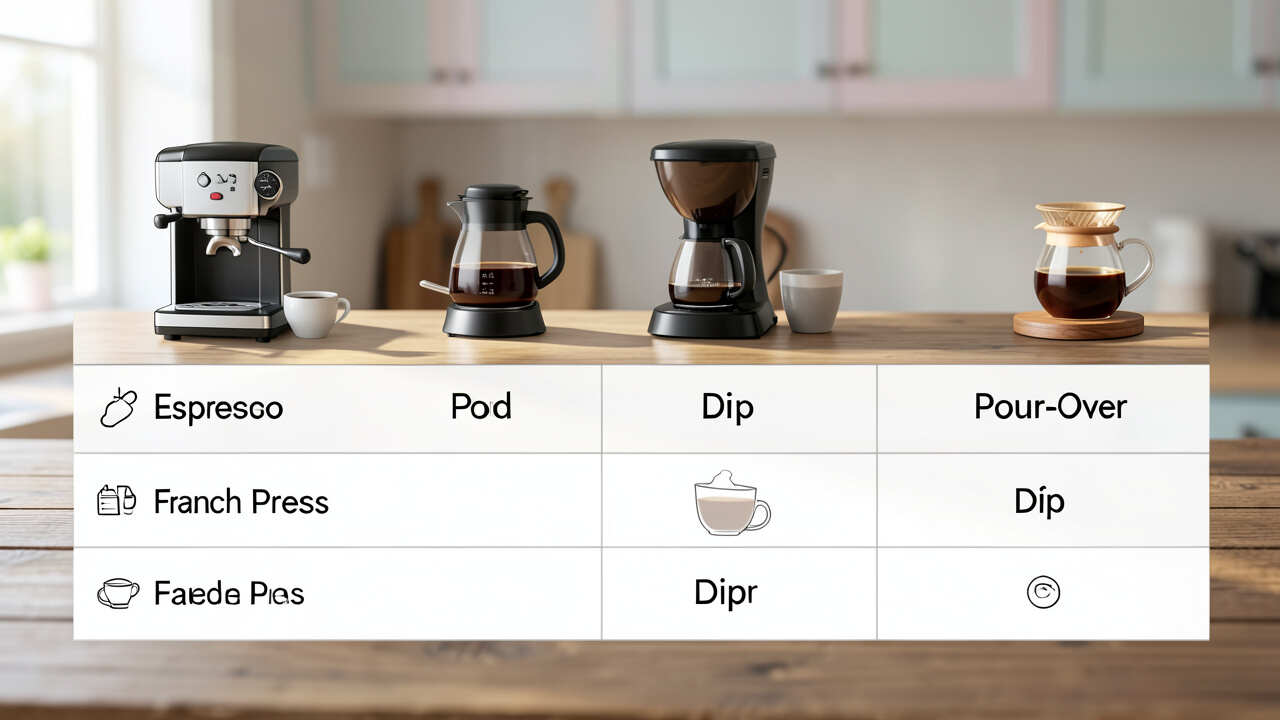
Comparison Table
| Coffee Maker Type | Brewing Style | Best For | Ease of Use | Brew Time |
|---|---|---|---|---|
| Drip Coffee Maker | Gravity Filtration | Multiple Cups, Daily Use | Very Easy | 5-10 Minutes |
| Single-Serve Maker | Pressurized Hot Water | Speed, Individual Cups | Extremely Easy | 1-2 Minutes |
| French Press | Immersion | Rich, Full-Bodied Coffee | Easy | 4-5 Minutes |
| Pour Over | Gravity Filtration | Flavor Nuance, Control | Moderate | 3-5 Minutes |
| Espresso Machine | High Pressure | Espresso, Lattes, Cappuccinos | Difficult to Expert | 20-30 Seconds (per shot) |
| Moka Pot | Stovetop Steam Pressure | Strong, Espresso-like Coffee | Easy | 5-7 Minutes |
| Cold Brew Maker | Cold Water Immersion | Smooth, Low-Acid Coffee | Easy | 12-24 Hours |
FAQ Of Types of Coffee Makers Explained Simply
Question: What is the easiest coffee maker for a beginner
Answer: Drip coffee makers and single-serve coffee makers are usually the easiest for beginners. You just add coffee and water, and press a button.
Question: Which coffee maker makes the smoothest coffee
Answer: Cold brew makers create very smooth coffee. French presses also make a smooth cup, but it can have some fine sediment.
Question: Do I need special coffee grounds for some makers
Answer: Yes, French presses and cold brew makers work best with coarse grounds. Espresso machines need very fine grounds.
Question: What is the difference between drip and pour over coffee
Answer: Drip coffee is automated, brewing a pot with a machine. Pour over is manual, where you control the water flow for a more precise brew.
Question: Can I make milk-based coffee drinks with any maker
Answer: Espresso machines are designed for this. However, you can use strong coffee from a Moka pot or French press to make similar drinks with a separate milk frother.
Final Thoughts
You now know about many popular Types of Coffee Makers Explained. From the simple drip machine to the fancy espresso maker, there’s a brewer for everyone. Consider how much time you have, how much coffee you drink, and the taste you prefer.
Pick the maker that feels right for your daily routine.

![How Espresso Machines Work Explained Simply[1]](https://creativehouseblog.com/wp-content/uploads/2026/03/How_Espresso_Machines_Work_Explained_Simply1-768x448.jpg)
![Simple Monthly Checklist To Keep Your Home In Shape[1]](https://creativehouseblog.com/wp-content/uploads/2026/05/Simple_Monthly_Checklist_To_Keep_Your_Home_In_Shape1-768x403.jpg)
![7 Common Pizza Oven Mistakes Beginners Make[1]](https://creativehouseblog.com/wp-content/uploads/2026/04/7_Common_Pizza_Oven_Mistakes_Beginners_Make1-768x448.jpg)
![10 Tips For Perfect Creamy Foam At Home[1]](https://creativehouseblog.com/wp-content/uploads/2026/04/10_Tips_For_Perfect_Creamy_Foam_At_Home1-768x448.jpg)
![8 Tips To Organise Your Mini Fridge Efficiently[1]](https://creativehouseblog.com/wp-content/uploads/2026/04/8_Tips_To_Organise_Your_Mini_Fridge_Efficiently1-768x448.jpg)
![Pressure Cooker Versus Slow Cooker What Is Best[1]](https://creativehouseblog.com/wp-content/uploads/2026/03/Pressure_Cooker_Versus_Slow_Cooker_What_Is_Best1-768x448.jpg)