
Most electric kettle issues, such as failure to heat or power on, stem from simple, fixable causes like power supply problems or a faulty heating element. Common faults include checking for a tripped circuit breaker, a loose base connection, or a malfunctioning thermostat that can often be resolved without professional help. The key is systematic troubleshooting to identify the specific fault, which empowers users to restore functionality quickly and extend their appliance's life.
It’s a bummer when your electric kettle decides to act up, right? For anyone new to using one, figuring out why it’s not working perfectly can feel a bit tricky. You might see a light on, but no heat, or maybe it just stops mid-boil.
Key Takeaways
- Understand why your electric kettle might not be heating up.
- Learn how to troubleshoot kettles that won’t switch on.
- Identify solutions for kettles that turn off too soon.
- Discover fixes for leaks and strange noises.
- Find tips for keeping your kettle clean and working well.
- Know when it’s time to consider replacing your kettle.
Don’t worry, these Common Electric Kettle Problems are usually pretty simple to fix. We’ll walk through them step-by-step so you can get your hot water back on track in no time.
![Common Electric Kettle Problems Solved Easily[1]](https://creativehouseblog.com/wp-content/uploads/2026/03/Common_Electric_Kettle_Problems_Solved_Easily1.jpg)
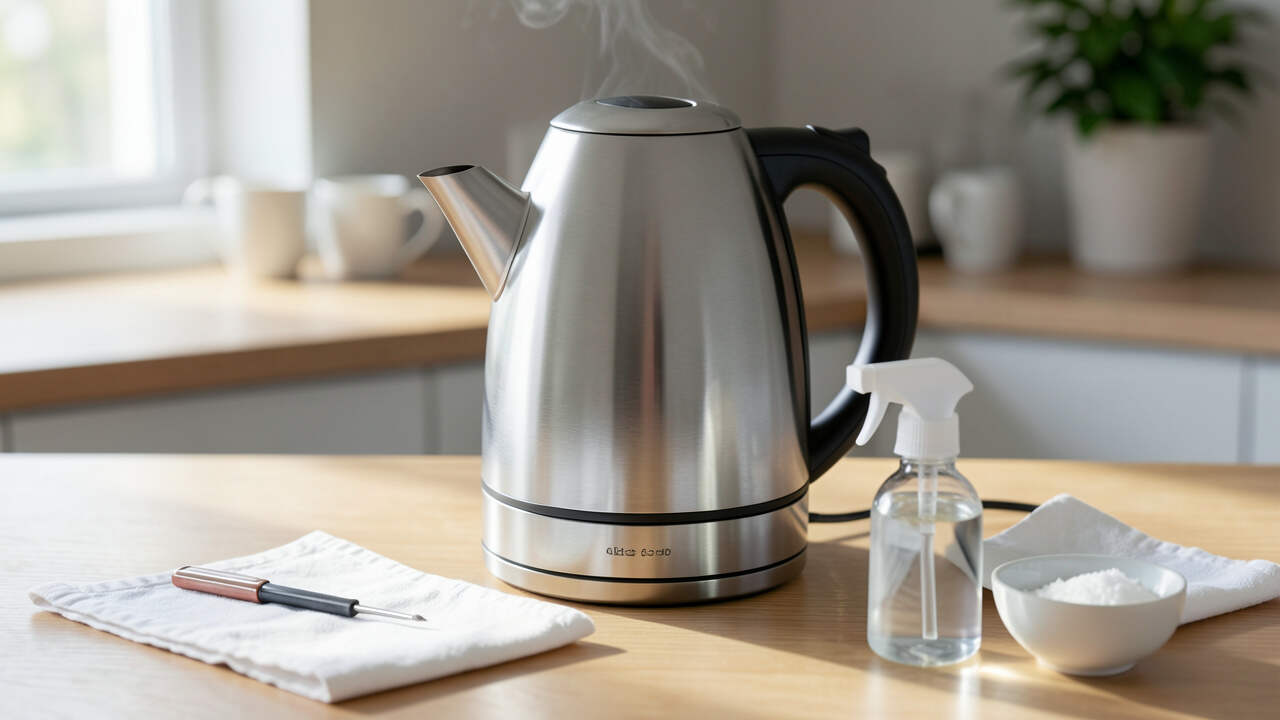
Common Electric Kettle Problems And How To Fix Them
Electric kettles are super handy for quickly boiling water for tea, coffee, or instant meals. But like any appliance, they can sometimes run into issues. These problems aren’t usually super complicated and often have straightforward solutions that you can handle yourself.
Let’s explore the most frequent issues and what you can do about them.

Kettle Not Heating Up
This is a very common issue. You might flip the switch, and the indicator light comes on, but nothing happens. The water stays cold.
Power Supply Issues
First, check the basics. Is the kettle plugged in securely? Is the wall outlet working?
Try plugging another small appliance into the same outlet to be sure. If the outlet is fine, check the plug on the kettle itself. Sometimes the pins can get a little bent, though this is less common.
Faulty Thermostat or Heating Element
If the power supply is definitely okay, the problem might be inside the kettle. The thermostat tells the kettle when to switch off, and the heating element is what actually heats the water. If either of these parts fails, the kettle won’t heat.
Unfortunately, these are internal components that are difficult for most people to fix themselves. If you suspect this is the issue, it might be time to consider a replacement.
Loose Connection to the Base
Electric kettles connect to their power base via small metal contacts. If these contacts are dirty, corroded, or bent, they won’t make a good connection. Unplug the kettle and the base.
Carefully inspect the contacts on both the kettle and the base. You can try gently cleaning them with a dry cloth or a soft brush. Ensure they are aligned properly.
Sometimes, a slightly wobbly base can cause this too.
Kettle Won’t Turn On At All
This is frustrating. You push the button, and absolutely nothing happens. No light, no sound, no heat.
Check The Power Cord And Plug
Just like with the heating issue, start with the power. Make sure the power cord is not damaged and is firmly plugged into both the kettle base and the wall socket. Sometimes, a damaged cord can prevent any power from reaching the appliance.
Tripped Circuit Breaker
If you have a lot of appliances on one circuit, it might have tripped. Check your home’s electrical panel for any tripped breakers. Resetting a breaker can sometimes resolve the issue if it was a temporary overload.
Internal Fuse
Many kettles have an internal fuse that blows if there’s an electrical fault. This is a safety feature. If the fuse has blown, the kettle will not power on.
Replacing an internal fuse is usually beyond the scope of typical DIY repairs and would require professional help or a new kettle.
Issues with the On/Off Switch
The switch itself can sometimes fail. If it feels loose or doesn’t click properly when you try to turn it on, it might be the culprit. Again, this is an internal part that’s not easy to fix without technical knowledge.
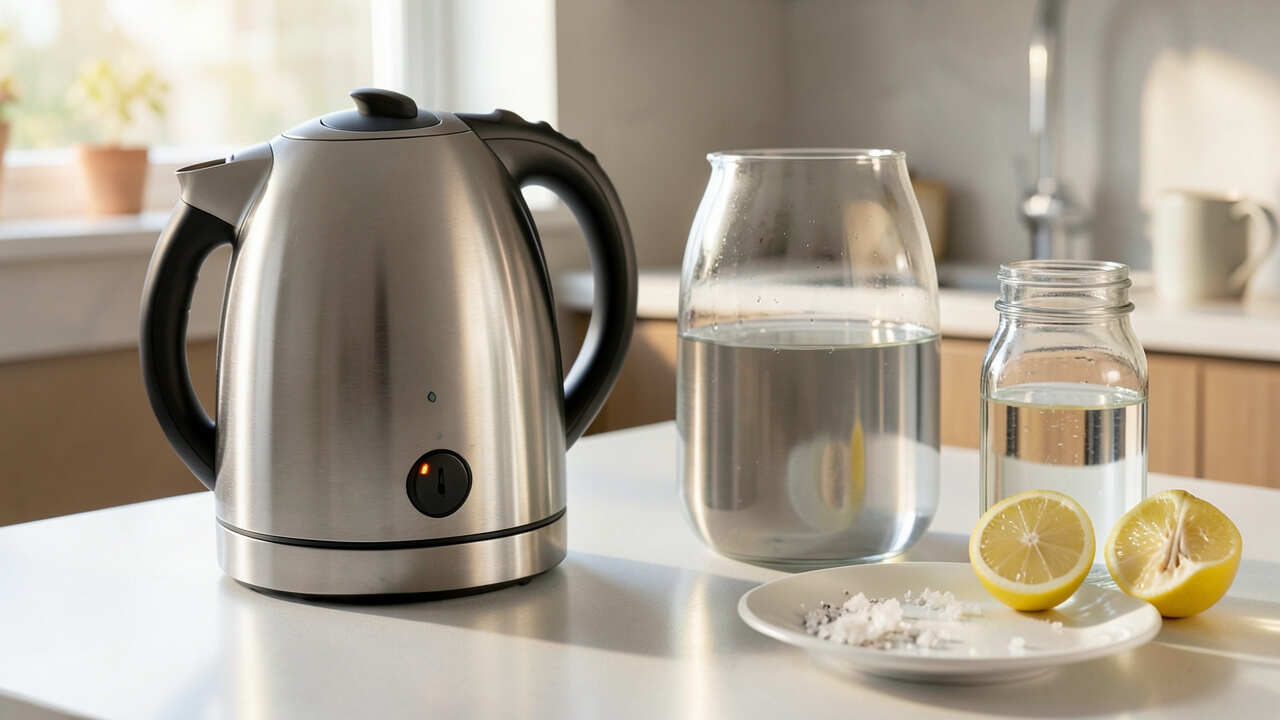
Kettle Turns Off Prematurely
Your kettle starts boiling, but then it shuts off before the water is fully heated or before you’ve had a chance to stop it. This can be annoying if you need a full boil.
Overheating Protection
Most electric kettles have an automatic shut-off feature to prevent overheating and damage. If the kettle is being run too often without cooling down, or if there’s an issue with the thermostat, it might trigger this safety mechanism prematurely. Let the kettle cool down completely before trying to use it again.
Ensure it’s on a stable, flat surface so air can circulate properly.
Low Water Level
If the water level is below the minimum mark, the kettle’s safety features will likely cause it to shut off quickly to prevent the heating element from burning out. Always ensure you fill the kettle with enough water, between the minimum and maximum lines.
Limescale Buildup
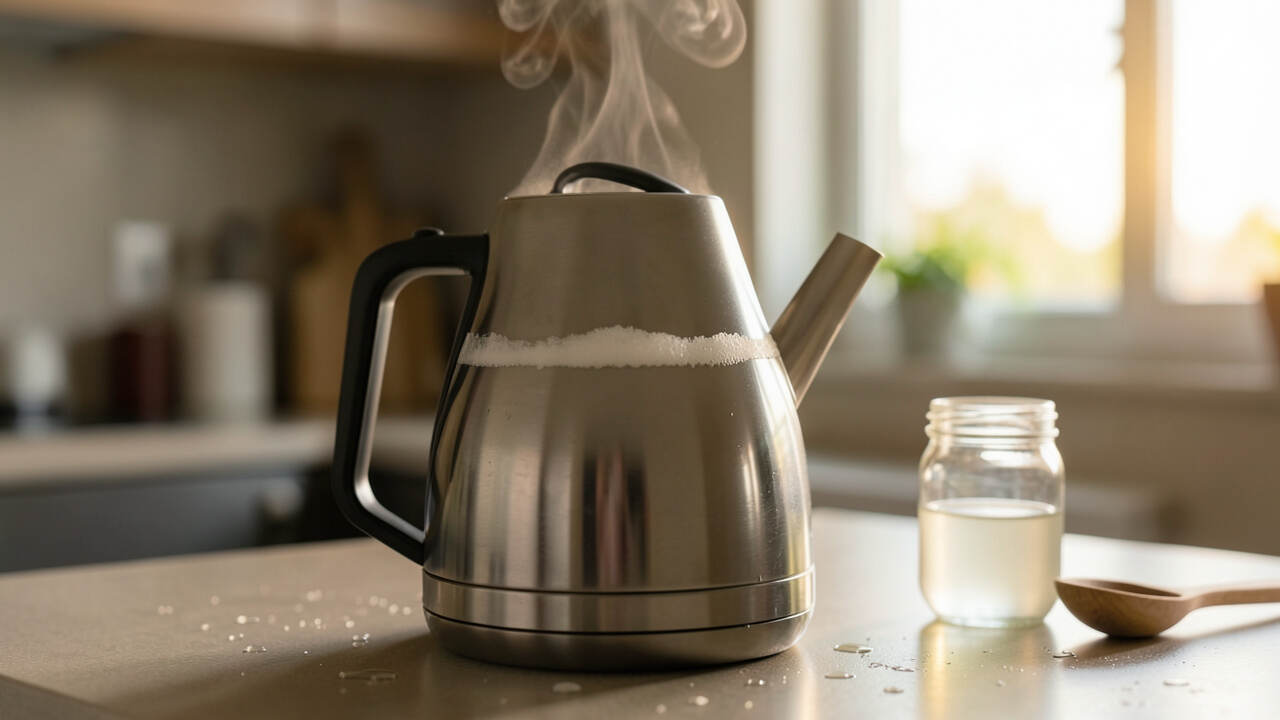
Limescale is mineral deposit that can build up inside your kettle, especially if you have hard water. This buildup can interfere with the heating element and the thermostat, making the kettle think it has reached boiling point sooner than it has. Regular descaling is key to preventing this.
Faulty Thermostat or Boil-Dry Protection
The thermostat or the boil-dry protection sensor might be malfunctioning. This could be causing the kettle to incorrectly sense that the water is boiling or that it’s dry, leading to an early shutdown. If cleaning doesn’t help, it may indicate an internal component issue.
Kettle Leaking Water
A leaking kettle is not only messy but can also be a safety hazard, especially if water gets near the electrical base.
Cracked Body Or Seal
The most common cause of leaks is a crack in the kettle’s plastic or glass body, or a worn-out seal around the lid or the base. Over time, seals can degrade, or the kettle might have been dropped, causing a hidden crack.
Overfilling
If you fill the kettle beyond the maximum fill line, water can easily spill out of the spout or around the lid when it starts to heat and expand. Always pay attention to the fill markings.
Loose Lid Or Spout
Ensure the lid is properly closed and latched. A lid that isn’t secured can allow steam to escape and water to splash out. Similarly, check the spout for any obstructions or damage that might be redirecting water flow incorrectly.
Base Connection Issue (Water In Base)
If you notice water pooling in the kettle base, it might mean water is leaking from the kettle’s connection point into the base. This is a serious issue as it can damage the electrical components. Unplug the kettle immediately and do not use it if water is getting into the base.
Kettle Making Strange Noises
Your kettle might start making unusual sounds, such as loud rumbling, clicking, or whistling. Most noises are normal, but some can indicate a problem.
Normal Boiling Sounds
As water heats up, it forms bubbles. These bubbles rise and can create rumbling or gurgling sounds. This is completely normal and a sign that the kettle is working.
The rapid formation of steam can also cause a slight whistling sound as it escapes through the lid or spout.
Limescale Buildup
A significant amount of limescale can cause the heating element to overheat in certain spots, leading to louder rumbling or popping sounds. It can also reduce the efficiency of the kettle.
Loose Components
Sometimes, internal components might become slightly loose, causing rattling noises. This is less common but can happen if the kettle has been dropped or handled roughly.
Faulty Component
While less frequent, a specific strange noise could indicate a problem with the thermostat or heating element. If the noise is sharp, grinding, or accompanied by other performance issues, it warrants further investigation.

Kettle Smells Or Tastes Funny
A new kettle might have a slight plastic smell initially, which usually goes away after a few boils. However, persistent bad smells or tastes are a concern.
Manufacturing Residues
As mentioned, new kettles can have residual manufacturing chemicals or plastic odors. Boiling the kettle several times with a mixture of water and a tablespoon of white vinegar, then rinsing thoroughly, usually resolves this. You can also boil it with just water a few times.
Limescale Buildup
Old limescale deposits can affect the taste of your water. Regular descaling is essential to keep the water tasting fresh and clean. Minerals can get trapped in the scale and leach into the water.
Contaminated Water
If the water source itself has an unusual taste or smell, this will transfer to your kettle and your drink. Ensure you are using clean, fresh water.
Internal Plastic Degradation
In older kettles, or if the plastic has been exposed to excessive heat over time, it might start to degrade, leading to a plastic smell or taste. This is a sign that the kettle might need to be replaced for safety and taste reasons.
Tips For Maintaining Your Electric Kettle
Preventing problems is often easier than fixing them. A little regular care goes a long way in ensuring your kettle works well for a long time.
Regular Cleaning
Wipe down the exterior of your kettle regularly with a damp cloth. For the interior, empty it after each use. This prevents water stains and minor buildup.
Descaling
This is probably the most important maintenance task, especially if you have hard water. Descale your kettle every 1-3 months, depending on water hardness. You can use a commercial descaler, white vinegar (diluted with water and boiled), or citric acid.
Follow the product instructions or a simple vinegar method: fill the kettle halfway with equal parts white vinegar and water, boil it, let it sit for an hour, then rinse thoroughly several times. Make sure to boil plain water a few times afterwards to get rid of any vinegar smell.
Proper Storage
Store your kettle on its base when not in use. Make sure it’s completely dry before putting the lid on, if you tend to store it with the lid closed. Avoid storing it in damp places.
Handle With Care
Avoid dropping your kettle or banging it against hard surfaces. Treat it gently to prevent cracks or damage to internal components.
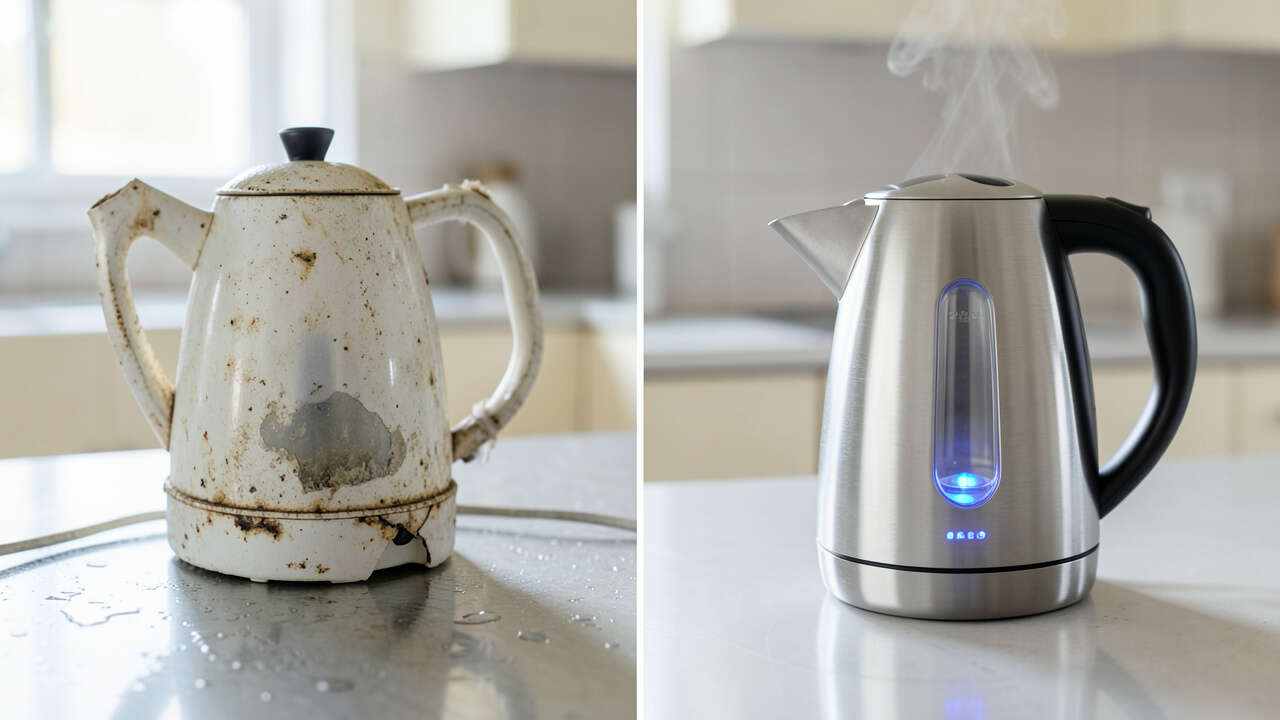
When To Replace Your Kettle
While many issues can be fixed, some problems mean it’s time for a new appliance.
Visible Damage
If the kettle has significant cracks, a damaged cord, or if water consistently leaks from the base, it’s time for a replacement. Safety is paramount.
Repeated Failures
If your kettle frequently has issues, even after troubleshooting and cleaning, it might be nearing the end of its lifespan.
Outdated Safety Features
Older kettles may lack modern safety features like advanced boil-dry protection or auto-shutoff. If you’re concerned about safety, a new model is a good idea.
Inefficiency
If your kettle takes much longer to boil water than it used to, or seems to use more electricity, its heating element might be failing, making it inefficient.
FAQ Of Common Electric Kettle Problems Solved Easily
Question: My kettle won’t turn on. What should I do first?
Answer: First, check that the kettle is properly plugged into a working wall outlet and that the power cord is not damaged. Try plugging another appliance into the same outlet to confirm it has power.
Question: Why does my kettle shut off before the water is fully boiled?
Answer: This could be due to low water levels, limescale buildup affecting the thermostat, or the automatic overheat protection triggering prematurely. Ensure the water level is correct and descale the kettle regularly.
Question: Is it safe to use a kettle that is leaking?
Answer: No, it is not safe to use a kettle that is leaking, especially if water is getting into the electrical base. This poses a risk of electric shock and can damage the appliance beyond repair.
Question: How often should I descale my electric kettle?
Answer: You should descale your kettle every 1 to 3 months, depending on how hard your water is. If you notice a white buildup or your kettle is taking longer to boil, it’s time to descale.
Question: Can I repair a broken heating element in my electric kettle?
Answer: Repairing internal components like the heating element or thermostat is generally not recommended or practical for most users. These repairs usually require specialized tools and knowledge, making a replacement kettle the safer and more cost-effective option.
Final Thoughts
Dealing with Common Electric Kettle Problems doesn’t have to be a hassle. Most issues stem from simple things like power connections or limescale. By knowing these common causes and simple fixes like cleaning and descaling, you can keep your kettle working efficiently.
If problems persist or involve visible damage, it’s smart to consider getting a new one for safety. Enjoy your hot drinks!

![9 Fun Snacks You Can Make With A Popcorn Maker[1]](https://creativehouseblog.com/wp-content/uploads/2026/04/9_Fun_Snacks_You_Can_Make_With_A_Popcorn_Maker1-768x448.jpg)
![Coffee Maker vs Espresso Machine Explained Simply[1]](https://creativehouseblog.com/wp-content/uploads/2026/03/Coffee_Maker_vs_Espresso_Machine_Explained_Simply1-768x448.jpg)
![How Long Coffee Makers Last A Simple Guide[1]](https://creativehouseblog.com/wp-content/uploads/2026/03/How_Long_Coffee_Makers_Last_A_Simple_Guide1-768x448.jpg)
![What Cookware Works on Induction[1]](https://creativehouseblog.com/wp-content/uploads/2026/03/What_Cookware_Works_on_Induction1-768x448.jpg)
![10 Things You Should Never Put In A Garbage Disposal[1]](https://creativehouseblog.com/wp-content/uploads/2026/04/10_Things_You_Should_Never_Put_In_A_Garbage_Disposal1-768x448.jpg)
![Pressure Cooker Versus Slow Cooker What Is Best[1]](https://creativehouseblog.com/wp-content/uploads/2026/03/Pressure_Cooker_Versus_Slow_Cooker_What_Is_Best1-768x448.jpg)