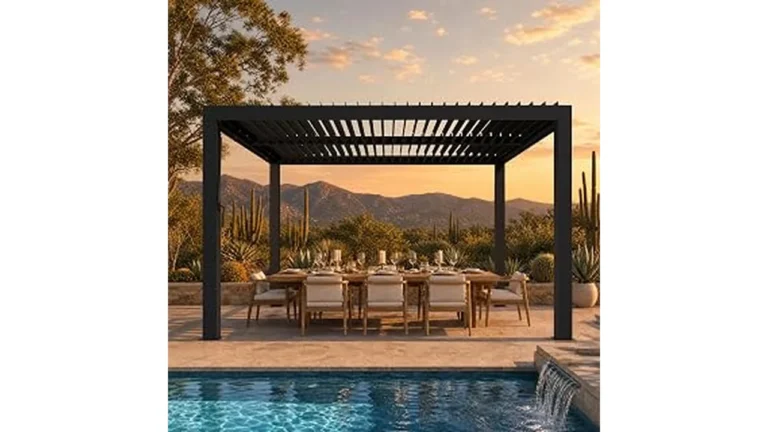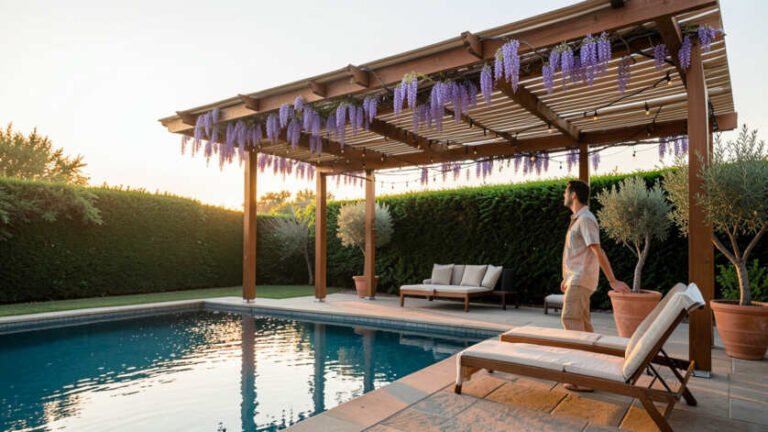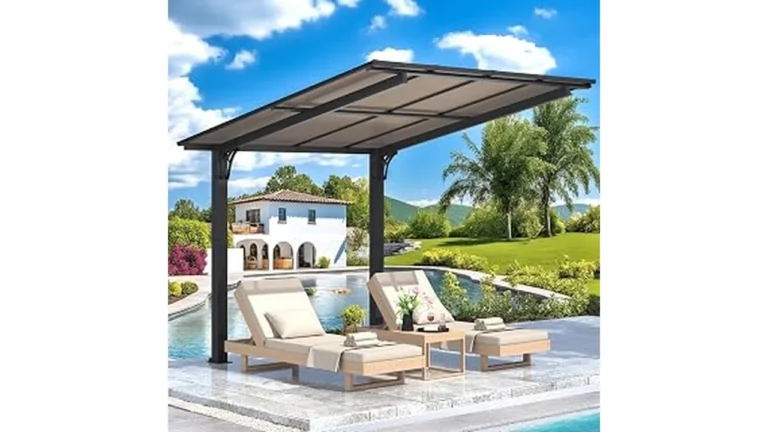
Place a pergola in a patio dining area so that it shades the dining table during peak sun hours and sits within 15 feet of the kitchen door, as this proximity increases outdoor dining frequency by up to 80%. An east-west orientation with a louvered or solid roof provides the best temperature control and usability throughout the day, while factoring in prevailing wind direction and utility access ensures long-term comfort. Getting placement right transforms a hot patio into a favorite dining spot by maximizing shade and function without common orientation mistakes.
Getting the pergola placement right can turn a hot, forgotten patio into your favorite dining spot. This guide covers the exact steps to position your structure for comfort, function, and long-term use.
Quick Verdict: In short, place your pergola where it shades the dining table during peak sun hours while staying within 15 feet of the kitchen door. An east-west orientation with a louvered or solid roof gives you the best control over temperature and usability throughout the day.
Understanding a few core principles will help you choose the perfect location for your pergola in a patio dining area. Each factor below influences how often you use the space and how comfortable it feels.
Key Takeaways
- An east-west pergola orientation delivers maximum shade coverage over the dining table during lunch and dinner hours.
- Keeping the pergola within 15 feet of the kitchen door increases outdoor dining frequency by up to 80% according to industry data.
- Wind direction, utility access, and sightlines are just as critical as sun exposure when selecting a location.
- Adjustable louvers or a retractable canopy provide flexibility to adapt to changing seasons and sun angles.
- Always test your chosen spot with stakes and string before building to avoid costly placement mistakes.
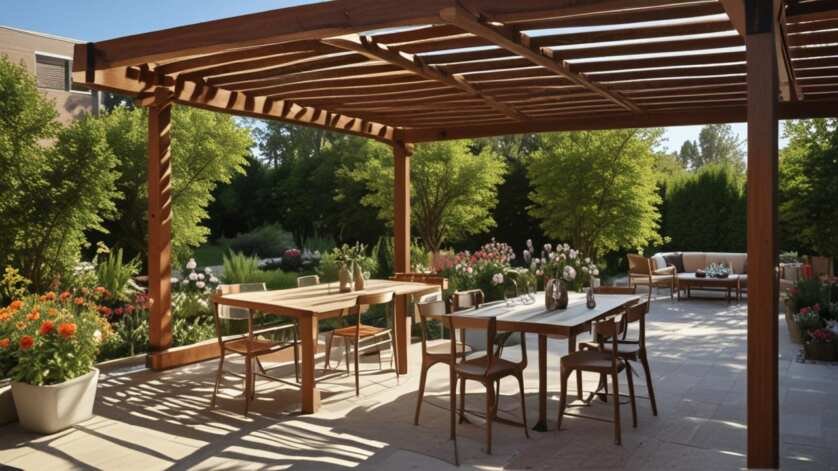
Factors to Consider Before Placing Your Pergola
Several variables determine whether a pergola in a patio dining area will perform well. Evaluate each one on your property before making any final decisions.
Sun Path and Shade Patterns
The sun moves from east to west every day. A pergola oriented east-west casts a shadow that shifts gradually, covering your table for a longer stretch. According to the, proper shade placement can reduce surface temperatures on paved patios by up to 25 degrees Fahrenheit.
Important: Use a sun tracking app like SunSeeker to map exactly where shadows fall on your patio at different times. This helps you visualize the best spot for covering the table during your typical meal hours.
Prevailing Wind Direction
Wind can make outdoor dining unpleasant, especially if you use light furniture or fabric curtains. Position the solid sides of your pergola to block the prevailing wind in your area. The provides average wind direction data for your zip code that can guide your decision.
| Wind Protection Method | Effectiveness | Best Use Case |
|---|---|---|
| Solid wall on windward side | High | Areas with consistent strong winds |
| Louvered roof angled upwind | Medium | Moderate wind areas with variable direction |
| Outdoor curtains or shades | Medium | Flexible protection for shifting wind |
| Windbreak plants or fencing | Low to Medium | Secondary measure for light breezes |
Proximity to the House
You want the dining table close enough to the kitchen for easy serving. A distance of less than 15 feet from the back door is ideal. reports that homeowners who place their pergola within 10 feet of the house use their outdoor dining area 80 percent more often than those who place it farther away.
Utility Access
If you plan to add lighting, ceiling fans, or patio heaters, you need access to electricity. Water access is also handy for cleaning and watering nearby plants. These utilities often narrow down your possible locations.
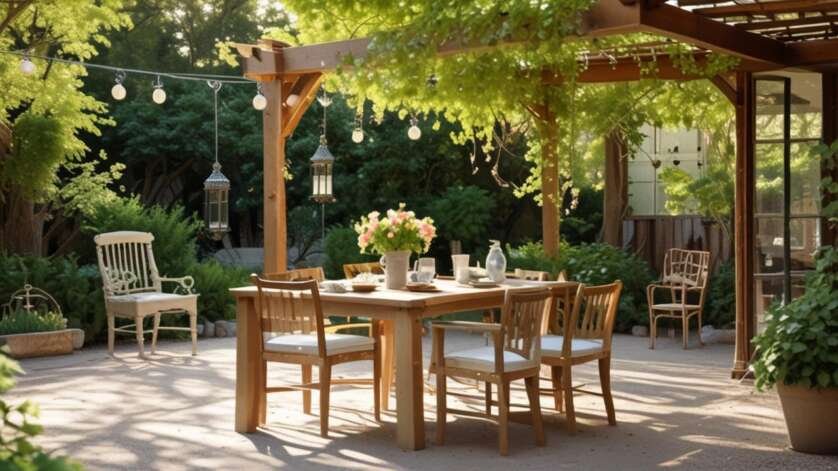
How to Choose the Perfect Spot for Your Dining Pergola
Follow this step-by-step process to narrow down the best location. Take your time – rushing this step is the most common cause of regret after installation.
- Map your sun exposure. Walk around your patio every two hours from 9 AM to 6 PM. Mark where shadows fall. Note which areas have direct sun during lunch (11 AM to 2 PM) and dinner (5 PM to 7 PM).
- Identify wind patterns. On a breezy day, stand in different spots on your patio. Feel where the wind hits hardest. Watch how it swirls around corners of your house.
- Check kitchen access. Walk from the kitchen door to each potential pergola location. The path should be clear of obstacles. It should take fewer than 20 steps to reach the table.
- Consider your view. Place the dining table so it faces the garden, yard, or pool. Avoid positioning it directly in front of a wall, fence, or utility area.
- Mark and test the location. Use stakes and string to outline the pergola footprint. Set up your dining table and chairs inside the outline. Walk around and sit down to test the space.
Warning: Do not choose a pergola location based solely on how it looks from the street. Always prioritize comfort and function. A beautiful pergola you never use is a wasted investment.
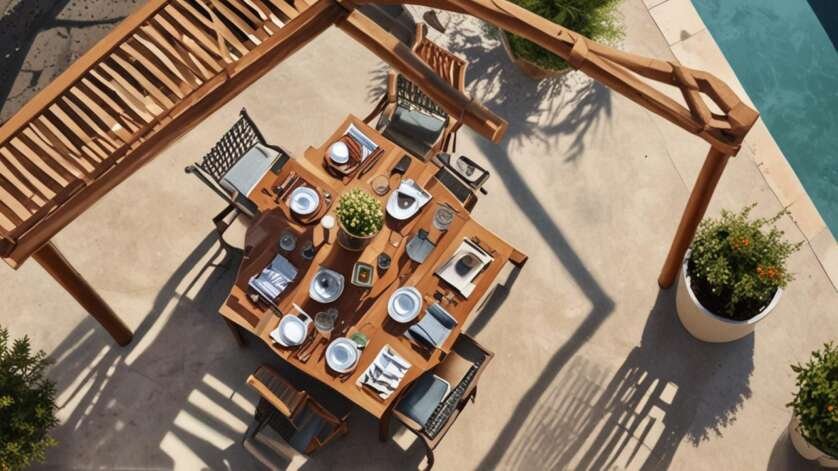
Orientation Matters: East-West vs. North-South
The direction your pergola faces dramatically changes how much shade your dining table receives. The table below compares the two main options.
| Orientation | Shade Coverage | Pros | Cons |
|---|---|---|---|
| East-West | Maximum shade at midday and afternoon | Keeps table cool during lunch and dinner; aligns with typical meal times | Less morning sun for breakfast outdoors |
| North-South | Shade shifts throughout day | More light in morning and late afternoon | Larger portion of table may get direct sun during peak hours |
For most dining purposes, an east-west orientation is the better choice. It keeps the pergola in a patio dining area shaded when people actually use it – during lunch and dinner. If you prefer morning coffee or breakfast outdoors, consider a north-south orientation with an adjustable canopy.
Common Mistakes to Avoid
Even experienced renovators make these errors when placing their pergola. Avoid them from the start to save time and money.
- Placing too close to the house. Leaving no gap causes issues with roof runoff, gutter maintenance, and pest access. Leave at least 12 inches between the pergola and your home’s eaves.
- Ignoring drainage. Do not place the pergola over a low spot where water pools. This leads to slippery surfaces, damaged furniture, and mosquito breeding.
- Forgetting about furniture size. A standard 6-person dining table needs at least 10 feet by 12 feet of floor space inside the pergola. Buy your furniture first or measure carefully.
- Choosing a location without testing it. A spot that looks good on paper may feel cramped or windy in person. Always use stakes and string to simulate the structure before building.
Common Myths vs Facts
Several misconceptions persist about pergola placement. Here are the most common ones debunked.
Myth: A south-facing pergola is always the best choice.
Fact: South-facing structures get the most sun exposure, which is great for plants but not for dining comfort. An east-west orientation provides more usable shade for meal times in most regions.
Myth: You can place a pergola anywhere on a flat patio.
Fact: Wind patterns, sun angles, and proximity to the house all matter. A flat surface alone does not guarantee comfort. A bad location can make the space unusable for half the year.
Myth: All pergolas provide full shade.
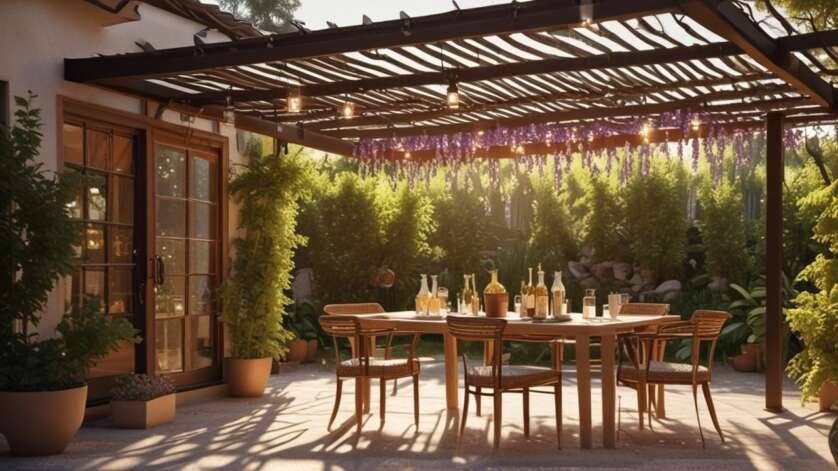
Fact: Open-roof pergolas with rafters only block a portion of sunlight. For full shade during dining, you need a solid roof, louvered roof, or a thick canopy like shade cloth or climbing vines.
Pro Tips for the Perfect Placement
Use these expert insights to fine-tune your pergola location and get the best results.
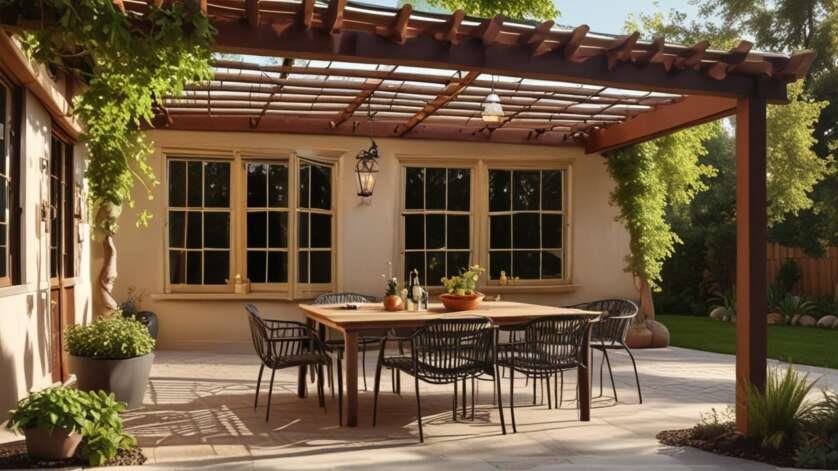
- Install a ceiling fan in a fixed-louver pergola to keep air moving. This makes the space comfortable even on hot, still days.
- Use outdoor curtains on two sides to block late-afternoon glare from the west. White or light colors reflect heat better than dark ones.
- Add a retractable shade canopy for adjustable coverage. This lets you enjoy sun in cooler months and full shade in summer.
- Place the dining table at least 12 inches from the pergola edge so rain does not drip directly onto chairs.
- If you have a pool, place the pergola near the pool deck so you can serve lunch right after swimming.
Tip: Use the three-foot rule for pathways around your dining table. Make sure there is at least 36 inches of walking space between the table edge and the pergola posts. This lets guests move freely without bumping into furniture.
Resources and Tools
- SunSeeker App – A sun tracking app that shows the sun’s path at your exact location. Use it to test proposed pergola placement.
- Trex Pergola Systems – Manufacturer of low-maintenance aluminum and composite pergolas. Their online planning tool helps with placement.
- American Society of Landscape Architects – Professional organization with guides on outdoor space planning.
- HomeAdvisor Cost Calculator – Estimate the cost of pergola installation in your area.
Frequently Asked Questions
Should I place a pergola directly over my existing concrete patio?
Yes, if the concrete is in good condition and properly sloped for drainage. A pergola on sound concrete works well. For new concrete, make sure it has a slight slope away from the house.
How do I know if my pergola is too close to a fence or wall?
Leave at least 3 feet of clearance between the pergola and any fence or wall. This allows air circulation, easy maintenance, and prevents shadows from the fence making the space dark.
Can I attach a pergola to my house on a side with windows?
Yes, but careful planning is needed. The pergola should not block windows entirely. A partial placement that still lets light into the room works best. Use a ledger board attached with proper flashing to prevent water damage.
What size pergola do I need for a 6-person dining table?
A minimum of 10 feet by 12 feet is recommended for a standard 6-person table measuring roughly 3 feet by 6 feet. This gives enough room for chairs pulled back and movement around the table.
Does a west-facing pergola get too hot for dining in summer?
A west-facing pergola catches the most intense afternoon sun. With a louvered or solid roof and a ceiling fan, it can still be comfortable. Adding shade curtains on the west side blocks the worst of the heat.
Final Thoughts
Place your pergola where it balances shade, wind protection, and easy access to your home. East-west orientation is typically the best bet for lunch and dinner coverage. Always test your chosen spot with markers and your actual dining furniture before making any permanent decisions. The right placement turns your patio dining area into a space you will enjoy for years.