
Pressure cookers are fantastic tools for fast, delicious meals. But sometimes, using them for the first time can feel a bit tricky.
It’s easy to make small slips with these appliances, leading to less-than-perfect results or even safety concerns.
Key Takeaways
- Understand why pressure build-up is essential for cooking.
- Learn the correct amount of liquid for your pressure cooker.
- Discover how to safely seal and open your pressure cooker.
- Recognize the importance of proper valve maintenance.
- Avoid overfilling your pressure cooker to prevent blockages.
- Master natural vs. quick pressure release methods.
You might worry about too much or too little liquid, or maybe how to properly seal the lid. Don’t worry, fixing Common Pressure Cooker Mistakes is simpler than you think.
We’ll walk through the most frequent issues and show you how to solve them easily, step by step.
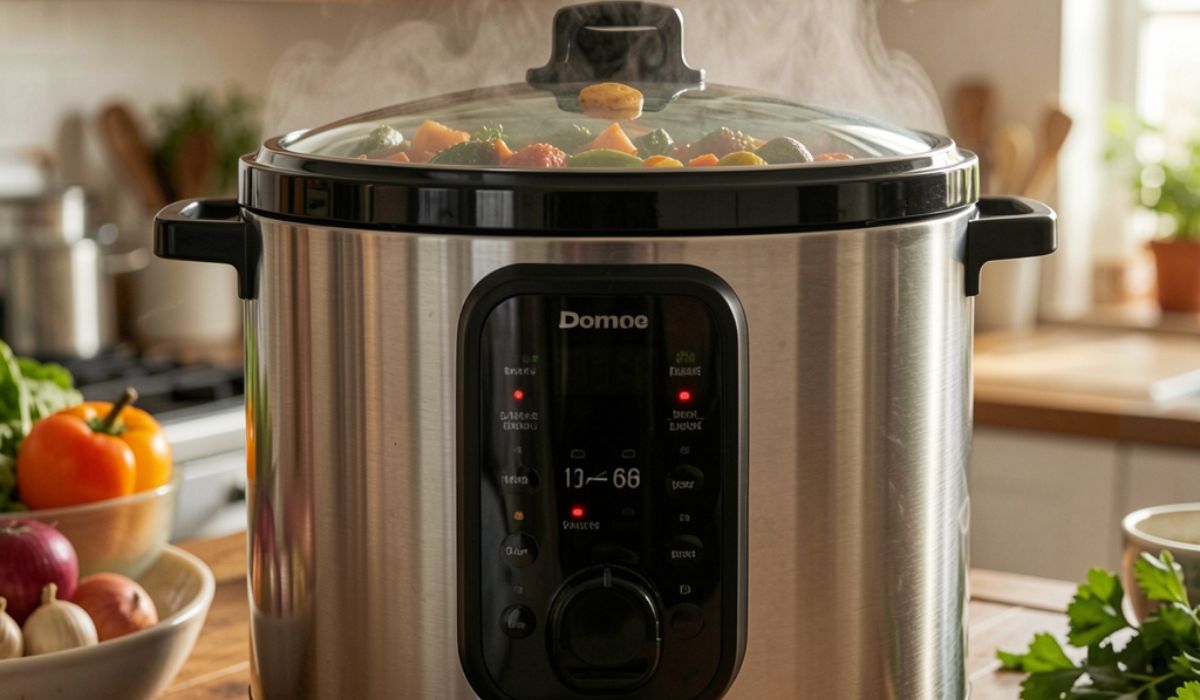
Why Pressure Cooker Mistakes Happen
Pressure cookers work by trapping steam. This steam creates high pressure, which raises the boiling point of water. This means food cooks much faster and stays really moist.
It’s a brilliant system, but it requires a bit of know-how. For folks new to pressure cooking, the idea of building up pressure can feel a bit mysterious. You might wonder if you’re doing it right or if the cooker is safe to use.
That’s totally normal!
Many beginners worry about using too much or too little liquid. If there’s not enough liquid, the cooker won’t build up steam properly, and your food might burn. Too much liquid can sometimes cause issues with the steam release valve.
Another common hiccup is not sealing the lid correctly. If the lid isn’t locked down tight, steam will escape, and the cooker won’t reach pressure. This can leave you with undercooked food and a lot of frustration.
Then there’s the whole topic of the steam release valve. It’s a critical safety feature, but many people aren’t sure how to operate it or if it’s working right. Food debris can sometimes get stuck in it, which needs to be cleaned out.
Also, overfilling the pot is a frequent error. If you pack it too full, food can clog the vents and prevent pressure from building, or worse, cause a mess when you release the steam.
Common Pressure Cooker Mistakes Explained
Mistake 1 Not Enough Liquid
This is a big one. For any pressure cooker to work, it needs a minimum amount of liquid. This liquid turns into steam, and that steam is what cooks your food.
Without enough liquid, the cooker can’t build up pressure. You’ll end up waiting forever, and your food might even scorch at the bottom of the pot.
Always check your recipe and your pressure cooker’s manual for the recommended liquid amount.
Generally, most electric pressure cookers need at least 1 cup (240 ml) of liquid. Stovetop models might need a bit more, often around 1.5 to 2 cups (360-480 ml). This liquid can be water, broth, stock, or even the natural juices from your ingredients.
Just remember to add some form of liquid to start the process. If a recipe calls for very little liquid, like for dried beans, you might need to add a bit of extra water to meet the minimum requirement.
Mistake 2 Too Much Liquid
On the flip side, too much liquid can also cause problems. While it might seem like more liquid equals better cooking, it can actually prevent the cooker from reaching pressure effectively. The excess liquid needs to boil off and turn into steam.
If there’s too much, it takes longer to reach pressure. In some cases, especially with stovetop models, very high liquid levels might interfere with the steam release valve, leading to premature steam release.
For most recipes, you generally want to fill the pressure cooker no more than two-thirds full with food and liquid combined.
For items that expand, like grains or beans, the limit is usually one-half full. This rule of thumb helps ensure there's enough headspace for steam to build up properly and prevents food from blocking the steam vents.
Always refer to your cooker’s instructions for specific fill lines.
Mistake 3 Improper Lid Sealing
This is a straightforward but vital step. The lid on your pressure cooker must seal perfectly to trap the steam inside. If the lid isn’t properly locked, you’ll see steam escaping from the edges.
This means the cooker won’t build pressure, and your cooking time will be much longer than intended. It’s also a potential safety risk if not handled correctly.
Before closing the lid, always check that the sealing ring is in place and free of debris. Then, line up the lid with the pot according to the manufacturer’s design. Most lids have arrows or notches to guide you.
Twist or lock the lid until it feels secure. You should not see or feel steam leaking around the edges when the cooker is heating up.
Mistake 4 Ignoring the Steam Release Valve
The steam release valve is the hero of the pressure cooker. It lets you control the release of steam when cooking is done. Many people get confused about when to use it or how.
Some valves are manual, meaning you have to turn them to release pressure. Others are automatic. It’s crucial to know which type you have and how to operate it safely.
You should always inspect the valve before each use. Make sure it’s clean and free from any food particles. If the valve is blocked, steam can’t escape, and pressure won’t release.
This can be dangerous. Also, never force the lid open if the cooker is still under pressure. Always wait for the pressure to release completely, either naturally or by using the release valve as instructed.
Mistake 5 Overfilling the Pot
We touched on this with liquid amounts, but it’s worth repeating. Overfilling the pot is a common error that can lead to blockages and a messy kitchen.
When you pack too much food and liquid, there’s no room for the ingredients to expand or for steam to circulate properly.
This can cause food to be unevenly cooked or even prevent the cooker from reaching the correct pressure.
Remember the fill lines. For most foods, stick to the two-thirds full mark. For items that grow a lot, like beans, rice, or pasta, you should only fill the pot up to half its capacity.
This gives everything space to cook and prevents overflow into the steam release valve or vent pipe. A little planning goes a long way to avoid this messy mistake.
Mistake 6 Wrong Pressure Release Method
Once your food is cooked, you need to release the pressure to open the lid. There are two main ways: natural release and quick release. Natural release means letting the pressure drop on its own over time.
This is best for meats and foods that can become mushy, as it allows them to rest and stay tender. Quick release involves manually opening the steam valve to let the steam escape quickly.
Using the wrong method can affect your food’s texture. For instance, using a quick release on a roast might make it tough. Conversely, using a natural release on delicate vegetables could turn them to mush.
Read your recipe carefully to see which release method is recommended. Always use caution when releasing steam, keeping your hands and face away from the escaping vapor.
Mistake 7 Not Preheating
Some recipes, especially those for searing or sautéing before pressure cooking, require you to preheat the pot. If you skip this step, your ingredients won’t brown properly, and you’ll miss out on flavor.
For electric pressure cookers, you can often use the “Sauté” function to preheat the pot before adding ingredients.
For stovetop models, just place them on the burner over medium-high heat.
Preheating also helps the cooker reach pressure faster. When the pot is already hot, it takes less time for the liquid to boil and create steam.
So, if your recipe calls for browning meat or sautéing vegetables, don’t skip the preheating step.
It makes a significant difference in the final dish’s taste and texture.
Mistake 8 Using Old or Damaged Sealing Rings
The sealing ring, also called a gasket, is a crucial part of your pressure cooker’s lid. It creates an airtight seal. Over time, these rings can wear out, become brittle, or get damaged.
If your sealing ring is old, cracked, or misshapen, it won’t create a proper seal.
This will prevent your pressure cooker from reaching pressure. You’ll likely see steam escaping from the lid.
Most manufacturers recommend replacing the sealing ring every 1-2 years, depending on how often you use your cooker.
Always check the ring for damage before each use. Replacement rings are usually inexpensive and readily available for most brands.
Mistake 9 Not Cleaning Thoroughly
Proper cleaning is essential for the longevity and safety of your pressure cooker. Food particles left behind in the sealing ring, the rim of the pot, or the steam release valve can cause problems.
They can prevent a good seal, block the valve, or even lead to smells and flavors transferring to your food.
After each use, disassemble the lid as much as possible. Wash the sealing ring and the lid carefully. Make sure to clean the rim of the pot where the lid sits.
Inspect the steam release valve and vent pipe for any blockages. A quick rinse and wipe down after every meal will keep your pressure cooker in top shape and ensure it works safely and efficiently for years to come.
Mistake 10 Over-Seasoning
Because pressure cooking is so fast, flavors can concentrate more than you might expect. This means that ingredients that might normally need a lot of salt or spices to develop taste can become overwhelming when pressure cooked.
It’s easy to add too much seasoning at the start, only to find the dish is too salty or too spicy by the end.
A good practice is to season your food a little lighter than you normally would. You can always add more seasoning after cooking and before serving if needed.
This is especially important when cooking things like beans or grains, where the seasoning might not fully penetrate during the shorter cooking time.
Taste and adjust seasonings after the pressure has been released.
FAQ Of Common Pressure Cooker Mistakes To Avoid
Why is my pressure cooker not building pressure
This can happen for several reasons. Check that you have enough liquid in the pot. Make sure the lid is sealed properly.
Ensure the steam release valve is closed and not blocked by food. Also, inspect your sealing ring to ensure it is not damaged or worn out.
Can I open my pressure cooker mid-cook
No, you should never try to force open a pressure cooker that is still under pressure. Wait until the pressure has completely released, either naturally or by using the quick release method. Opening it under pressure is extremely dangerous.
How often should I replace the sealing ring
It’s generally recommended to replace the sealing ring every 1 to 2 years, depending on how often you use your pressure cooker. Inspect it regularly for signs of wear, cracks, or brittleness. A damaged ring will prevent the cooker from building pressure.
What is the difference between natural and quick release
Natural release means letting the pressure drop on its own, which can take 10-30 minutes. This is good for meats. Quick release involves manually opening the steam valve to vent steam rapidly, which is faster and suitable for vegetables or foods that might overcook.
Can I use any pot for pressure cooking
No, you must use a pot specifically designed as a pressure cooker. These pots are built to withstand high pressure and have safety features like pressure release valves. Regular pots are not safe for pressure cooking.
Final Thoughts
Avoiding common pressure cooker mistakes means better meals and safer cooking. Focus on the right liquid levels and a secure lid seal. Always check your valves are clean and working.
Don’t overfill your pot, and pick the right pressure release method. A little care makes your pressure cooker a fantastic kitchen helper.

![Electric Kettle vs Stove Kettle A Simple Choice[1]](https://creativehouseblog.com/wp-content/uploads/2026/03/Electric_Kettle_vs_Stove_Kettle_A_Simple_Choice1-768x448.jpg)
![Can A Stand Mixer Replace A Food Processor[1]](https://creativehouseblog.com/wp-content/uploads/2026/03/Can_A_Stand_Mixer_Replace_A_Food_Processor1-768x448.jpg)
![What Can You Make With A Stand Mixer[1]](https://creativehouseblog.com/wp-content/uploads/2026/03/What_Can_You_Make_With_A_Stand_Mixer1-768x448.jpg)
![Air Fryer Digital Vs Manual Controls A Simple Guide[1]](https://creativehouseblog.com/wp-content/uploads/2026/03/Air_Fryer_Digital_Vs_Manual_Controls_A_Simple_Guide1-768x448.jpg)
![Manual Versus Automatic Espresso Machines[1]](https://creativehouseblog.com/wp-content/uploads/2026/03/Manual_Versus_Automatic_Espresso_Machines1-768x448.jpg)