
Many people wonder How Juicers Extract Juice. It might seem a bit tricky at first, but it’s really quite simple once you know the steps. We’ll walk you through it clearly, step by step, so you can feel confident.
Key Takeaways
- Juicers break down fruits and vegetables to separate liquid from pulp.
- Different juicer types use distinct methods like grinding, pressing, or centrifugal force.
- Centrifugal juicers use fast-spinning blades to shred produce.
- Masticating juicers slowly chew and press produce for more juice.
- Cold-press juicers use a slow, crushing method for maximum nutrient retention.
- All methods aim to efficiently extract liquid while leaving solid waste behind.
Get ready to see how your fresh juice gets made!
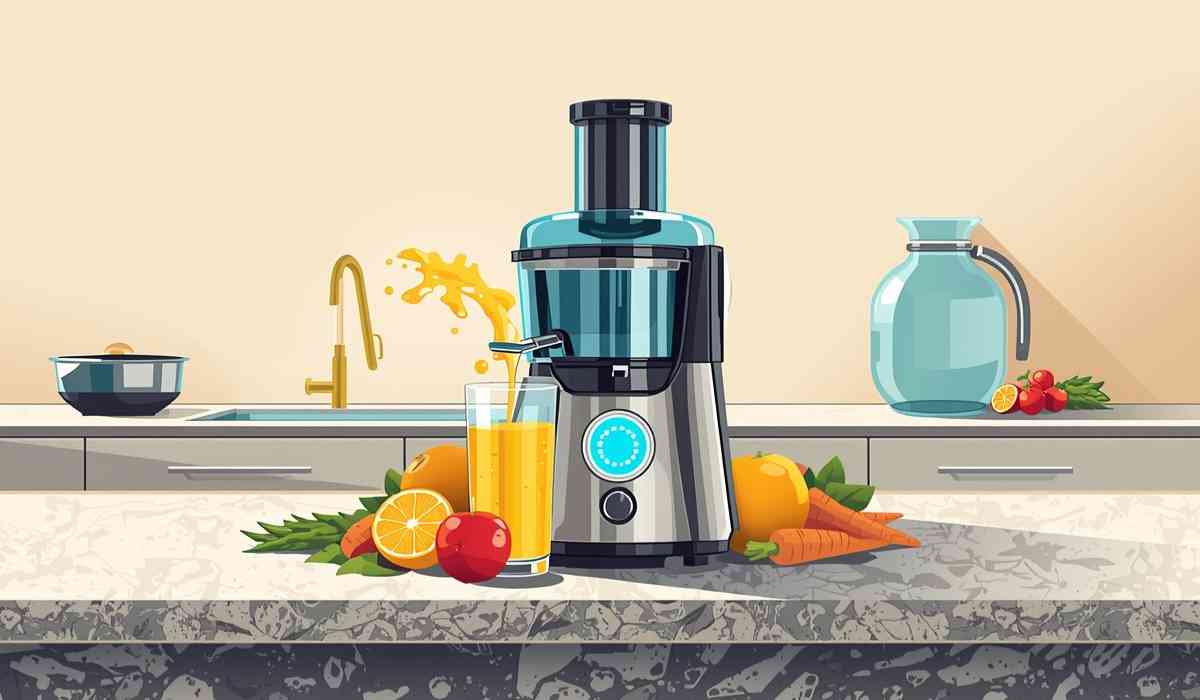
Understanding Juicer Mechanics
At its heart, the process of How Juicers Extract Juice is about separating the liquid from the solid parts of fruits and vegetables. Think of it like squeezing an orange. You want the juice, not the pulp or seeds.
Juicers are clever machines designed to do this efficiently and quickly.
The main goal is to break down the plant cells that hold the juice. Once these cells are broken open, the liquid can be released. Juicers achieve this in a few main ways, depending on the type of machine you’re using.
Types of Juicers and Their Methods
There are several common types of juicers, and each has its own way of getting the juice out. Knowing these differences can help you choose the right one for your needs.
Centrifugal Juicers
Centrifugal juicers are probably the most common type you’ll see. They are fast and easy to use, making them popular for beginners.
Here’s how they work:
- You place fruits and vegetables into the chute.
- A motor spins a sharp, grated disc at very high speeds.
- This disc shreds the produce into tiny pieces.
- Centrifugal force then pushes the juice through a fine mesh screen.
- The pulp, the leftover solid material, gets collected in a separate bin.
These juicers are great because they work quickly. However, the high speed can sometimes create a little heat, which some people believe can affect the nutrients in the juice. They also tend to make more noise than other types.
Masticating Juicers
Masticating juicers, also called slow juicers, are known for being very efficient. They work at a much slower pace than centrifugal juicers.
The process for masticating juicers involves:
- A slow-moving auger, which is like a screw, grinds the produce.
- This auger slowly chews and presses the fruits and vegetables against a screen.
- This gentle pressing action extracts the juice with less heat and oxidation.
- The pulp is then pushed out separately, much drier than with centrifugal models.
Because they work slowly, masticating juicers tend to get more juice out of your produce. This means you get more liquid and less waste. They are also excellent for juicing leafy greens, which can be tough for centrifugal juicers.
Twin-Gear Juicers
Twin-gear juicers are a type of masticating juicer. They are considered among the most efficient juicers available.
Their method is quite unique:
- They use two intermeshing gears (augers) that rotate towards each other.
- As the gears turn, they crush, grind, and press the produce.
- This powerful chewing action breaks down cell walls very effectively.
- Juice is then strained through a screen, and pulp is expelled.
These juicers are very good at extracting maximum juice and nutrients. They can also handle a wide variety of produce, including tough vegetables and fibrous greens. However, they are often more expensive and can take longer to clean.
Hydraulic Press Juicers (Cold Press)
Hydraulic press juicers, often called cold-press juicers, represent the pinnacle of juice extraction for many. They use a two-step process to maximize juice yield and quality.
The cold-press method involves:
- First, the produce is ground into a pulp using a grinder or shredder.
- Second, this pulp is placed into a cloth bag or container.
- A hydraulic press then applies immense pressure to the pulp.
- This squeezing action forces out the maximum amount of juice.
The “cold-press” name comes from the fact that this method generates very little heat. This helps preserve the enzymes and nutrients in the juice. Cold-pressed juices are often considered the highest quality.
However, these machines are usually the most expensive and can be slower to operate.
Citrus Juicers
Citrus juicers are specifically designed for citrus fruits like oranges, lemons, and grapefruits. They have a much simpler design.
There are two main types of citrus juicers:
- Manual Citrus Juicers: These involve pressing the fruit half onto a reamer. The reamer twists and extracts the juice.
- Electric Citrus Juicers: These have a rotating cone. You press the fruit half onto the cone, and the motor spins it to extract juice.
These juicers are very straightforward. They don’t break down the fruit’s pulp as much as other juicers, focusing solely on extracting juice from citrus.
The Science Behind Juice Extraction
No matter the type of juicer, the fundamental principle is always the same: breaking cell walls. Plant cells are like tiny sacs filled with juice, fiber, and other goodness. To get the juice out, we need to break these sacs open.
Think of a grape. It has a skin, seeds, and pulp filled with juice. A juicer’s job is to puncture the pulp and release that juice.
Different juicers do this with different tools:
- Cutting/Shredding: Centrifugal juicers use sharp blades to cut the produce into very small pieces. This ruptures many cells.
- Grinding/Chewing: Masticating juicers use an auger to grind and crush the produce. This also breaks down cell structures.
- Pressing: Hydraulic presses apply extreme force to squeeze the juice from the already broken-down material.
The efficiency of a juicer is often measured by how much juice it can extract from a given amount of produce. A more efficient juicer will leave behind drier pulp because it has gotten more liquid out.
Pulp And Its Purpose
When you juice, you’ll always end up with pulp. This is the fibrous material left over after the juice has been extracted. It contains fiber, some leftover nutrients, and the parts of the fruit or vegetable that the juicer couldn’t turn into liquid.
The amount and dryness of the pulp can tell you a lot about how well your juicer works. A very wet pulp means the juicer might not have extracted all the juice it could. A dry pulp is generally a sign of good extraction.
What do you do with the pulp? Many people find ways to use it! You can add it to baked goods, like muffins or bread.
It can also be used to make veggie burgers, compost, or even added to smoothies for extra fiber.
What Happens to Nutrients
The way a juicer extracts juice can affect the nutrient content of the final product. This is where the differences between juicer types become really important for health-conscious individuals.
Centrifugal juicers, due to their high speeds, can introduce oxygen and a little heat. This can cause some of the more delicate vitamins and enzymes to break down over time. The juice might also be more prone to oxidation, meaning it can start to lose freshness and nutrients faster.
Masticating and cold-press juicers work at lower speeds and with less heat. This is why they are often called “living juice” machines. They are thought to preserve more of the vitamins, minerals, and enzymes present in the raw produce.
The juice from these machines typically stays fresh for longer.
Juicing Leafy Greens
Juicing leafy greens like spinach, kale, and parsley can be a challenge for some juicers. Their fibrous nature means they don’t always break down easily.
Generally, masticating and twin-gear juicers are much better at juicing leafy greens. Their slow, chewing action can effectively break down the tough fibers and extract the juice. Centrifugal juicers can struggle with greens, often letting a lot of the leaf pass through the mesh unjuiced.
Maintaining Your Juicer
To ensure your juicer works well and lasts a long time, regular cleaning is key. How you clean it depends on the type of juicer you have.
Here’s a general idea:
- Immediate Rinse: After each use, rinse all parts of the juicer. This prevents pulp from drying and sticking.
- Disassemble and Wash: Most juicers can be taken apart. Use a brush to scrub screens and remove any stuck pulp.
- Dishwasher Safe Parts: Check your manual. Some parts might be safe for the dishwasher, but handwashing often preserves them better.
- Drying: Make sure all parts are completely dry before reassembling to prevent mold.
Keeping your juicer clean ensures better-tasting juice and keeps the machine running efficiently. It also makes the next juicing session much easier.
FAQ Of How Juicers Extract Juice Explained Simply
Question: How do juicers separate juice from pulp
Answer: Juicers break down fruits and vegetables to release their liquid. Different juicer types use methods like spinning blades, augers, or pressing to push the juice through a screen, leaving the solid pulp behind.
Question: Are centrifugal juicers good for beginners
Answer: Yes, centrifugal juicers are often recommended for beginners because they are fast, easy to use, and typically less expensive.
Question: What is the difference between a masticating and a centrifugal juicer
Answer: Masticating juicers work slowly by chewing and pressing produce, extracting more juice with less heat. Centrifugal juicers use high-speed spinning blades to shred produce, working faster but potentially creating more heat.
Question: Can juicers juice hard vegetables
Answer: Yes, most juicers, especially masticating and twin-gear types, can effectively juice hard vegetables like carrots and beets.
Question: Why is cold-pressed juice considered healthy
Answer: Cold-pressed juice is made with minimal heat and oxidation, which helps preserve more vitamins, enzymes, and nutrients from the produce.
Final Thoughts
Understanding How Juicers Extract Juice reveals simple mechanics behind fresh drinks. Whether it’s the quick spin of a centrifugal model or the slow chew of a masticator, the goal is always the same: separate liquid from solid. This process breaks down plant cells, releasing healthy juices.
Choosing the right juicer means considering your needs for speed, efficiency, and nutrient retention. Enjoy your fresh juice!

![How to Choose the Right Blender Power[1]](https://creativehouseblog.com/wp-content/uploads/2026/03/How_to_Choose_the_Right_Blender_Power1-768x448.jpg)
![How Pressure Cookers Work Made Easy[1]](https://creativehouseblog.com/wp-content/uploads/2026/03/How_Pressure_Cookers_Work_Made_Easy1-768x448.jpg)
![Why Food Gets Dry in Air Fryers[1]](https://creativehouseblog.com/wp-content/uploads/2026/03/Why_Food_Gets_Dry_in_Air_Fryers1-768x448.jpg)

![Air Fryer Safety Features Explained For Beginners[1]](https://creativehouseblog.com/wp-content/uploads/2026/03/Air_Fryer_Safety_Features_Explained_For_Beginners1-768x448.jpg)
![What Materials Are Used in Air Fryers[1]](https://creativehouseblog.com/wp-content/uploads/2026/03/What_Materials_Are_Used_in_Air_Fryers1-768x448.jpg)