
Descaling an electric kettle is easily accomplished using a simple vinegar solution. This process effectively removes mineral limescale buildup, which restores heating efficiency and improves the taste of boiled water. To descale, mix equal parts white vinegar and water, boil the solution, then rinse thoroughly with fresh water.
Do you see white spots or fuzzy stuff inside your electric kettle? That’s probably limescale. It happens when minerals in your water build up over time.
This can make your kettle work harder and even affect the taste of your tea or coffee. If you’re new to this, it might seem a bit tricky, but don’t worry! We’re going to show you a super simple way to tackle it.
Key Takeaways
- Limescale buildup is common in electric kettles.
- Descaling improves kettle efficiency and water taste.
- Vinegar is a simple and effective descaling agent.
- A vinegar and water solution works well for most kettles.
- Regular descaling prevents stubborn buildup.
- Cleaning your kettle is a quick and easy maintenance task.
Follow these easy steps and get your kettle sparkling clean again.
![How to Descale an Electric Kettle Easily[1]](https://creativehouseblog.com/wp-content/uploads/2026/03/How_to_Descale_an_Electric_Kettle_Easily1.jpg)

Why Descale Your Electric Kettle
Your electric kettle is a workhorse in the kitchen. You use it for your morning coffee, afternoon tea, or even just a quick hot water fix. But over time, minerals from the water you use can leave a chalky residue inside.
This is called limescale. It’s a common problem that affects many electric kettles.
When limescale builds up, it doesn’t just look bad. It can actually make your kettle less efficient. The heating element can get covered, meaning it takes longer to boil your water and uses more electricity.
It can also affect the taste of your drinks. Sometimes, you might notice a slightly metallic or chalky flavor.
For many people, figuring out how to descale an electric kettle is a common question. They might worry about damaging the appliance or using harsh chemicals. But the good news is, it’s usually quite simple.
You likely have everything you need right in your kitchen.
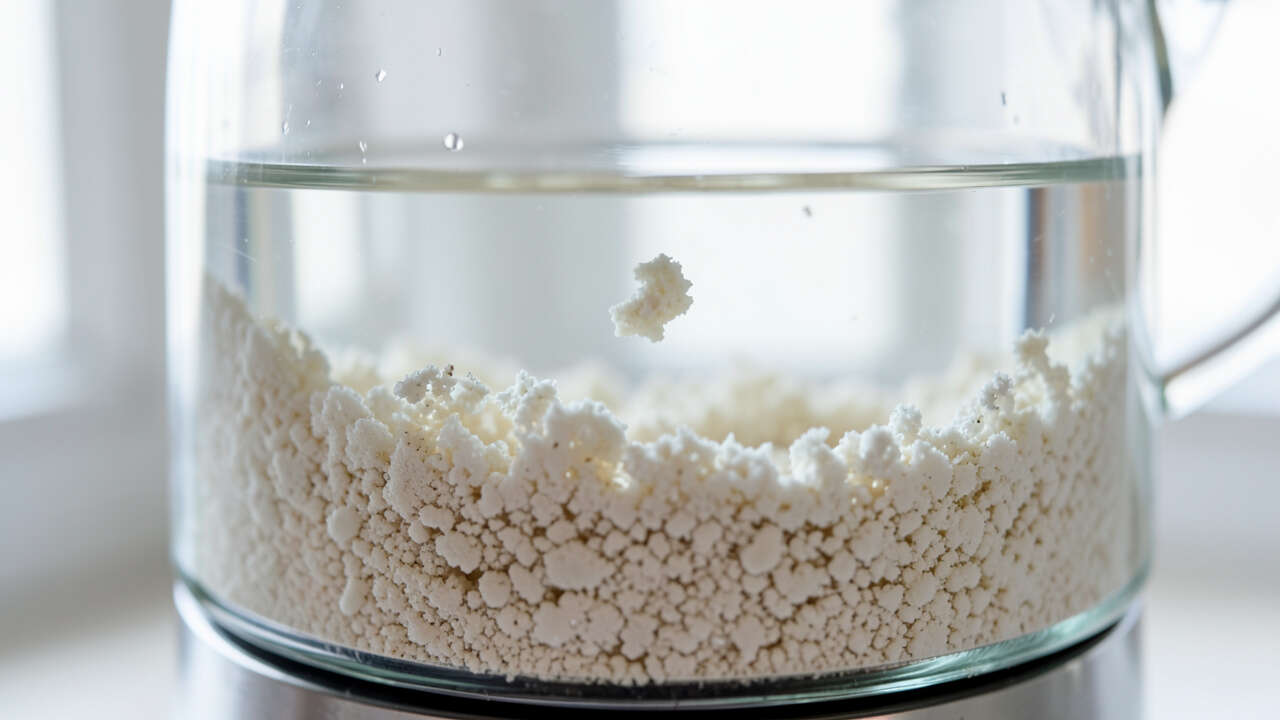
Understanding Limescale Buildup
Limescale is made up of calcium and magnesium. These minerals are naturally present in most tap water. When water heats up inside your kettle, these minerals are left behind as a hard, white deposit.
The harder your water, the faster and more noticeable the limescale will be.
Think of it like the scale you might see on faucets or showerheads. It’s the same process, just happening inside your kettle. This scale sticks to the heating element and the inner walls of the kettle.
It can become quite thick and stubborn if left unchecked for too long.
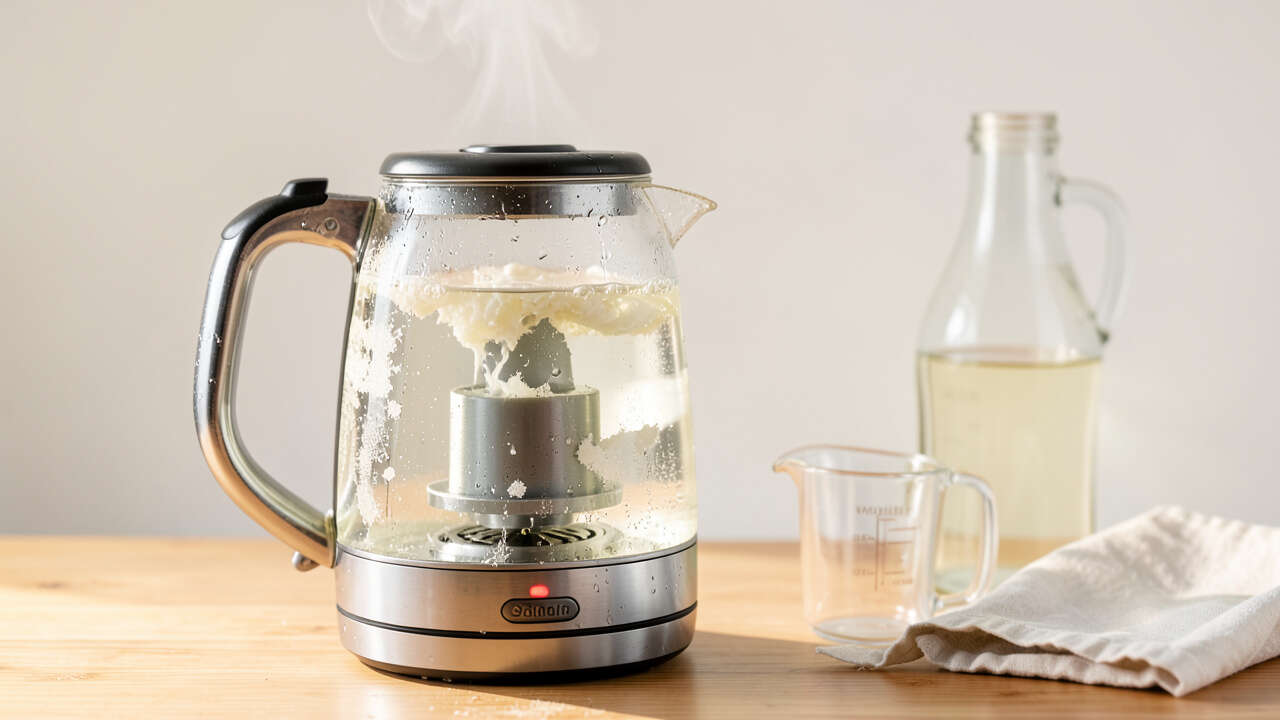
How to Descale an Electric Kettle Using Vinegar
Vinegar is a fantastic natural cleaner. Its acidity helps to break down the mineral deposits of limescale. It’s safe, cheap, and usually readily available.
Here’s a step-by-step guide using white vinegar.
What You’ll Need
- White vinegar
- Water
- A clean cloth
- Your electric kettle
Step 1 Mix the Solution
First, fill your kettle about halfway with equal parts white vinegar and water. For example, if you put in two cups of water, add two cups of vinegar. This mixture creates a good balance to break down limescale without being too harsh.
Step 2 Boil the Mixture
Close the lid of your kettle and turn it on. Let the mixture boil completely, just as you would with regular water. Once it has boiled, turn the kettle off and let it sit for about 30 minutes to an hour.
This gives the vinegar time to work its magic on the limescale.
Step 3 Empty and Rinse
After letting it sit, carefully pour the vinegar and water solution down the drain. You’ll likely see that some of the limescale has loosened and washed away.
Now, rinse the inside of your kettle thoroughly with clean water. You might need to rinse it a couple of times to make sure all traces of vinegar are gone.
Step 4 Boil Fresh Water
To get rid of any lingering vinegar smell or taste, fill your kettle with fresh, clean water. Boil this water and then pour it out. You can repeat this step one more time if you want to be absolutely sure there’s no vinegar taste left.
Step 5 Wipe Clean
Use a clean, damp cloth to wipe down the inside of the kettle. This should remove any last bits of loosened limescale. For tough spots, you might need to gently scrub with the cloth.
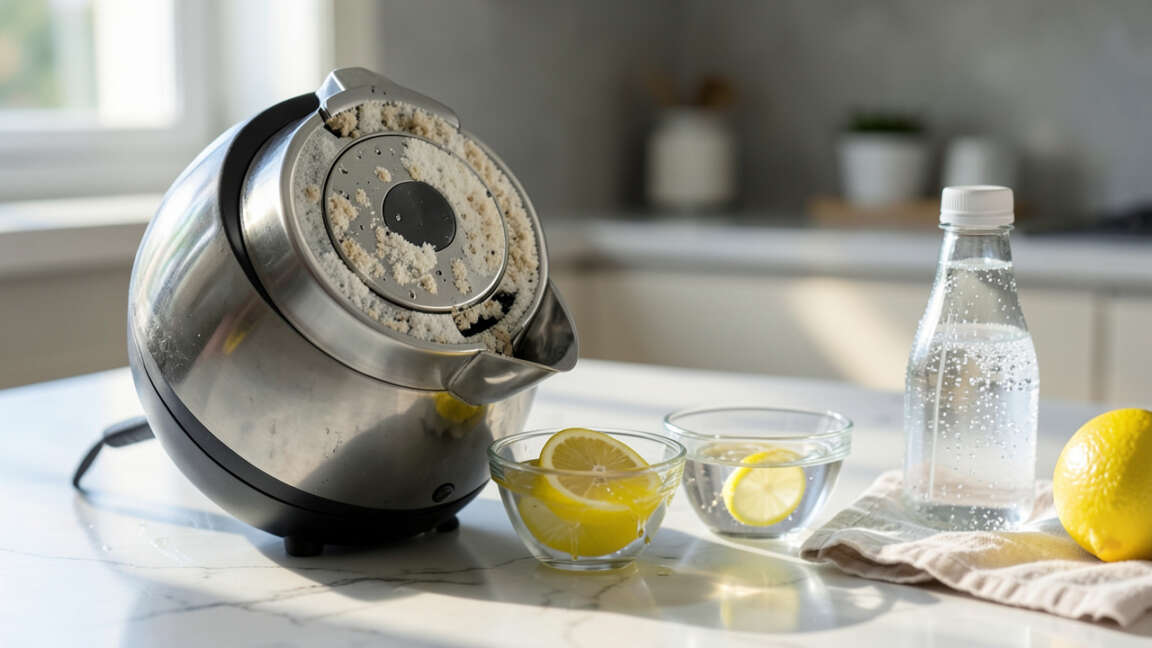
Alternative Descaling Methods
While vinegar is a top choice, there are other options if you don’t have vinegar or prefer something else.
Using Lemon Juice
Lemon juice works similarly to vinegar because it’s acidic. You can use about half a cup of lemon juice mixed with half a cup of water. Follow the same steps as with vinegar.
Boil, let sit, rinse, and boil fresh water. Your kettle will also smell nice and fresh.
Using Citric Acid
Citric acid is another effective natural descaler. You can buy it in powder form at most supermarkets or online. Mix one to two tablespoons of citric acid powder with a full kettle of water.
Boil the mixture, let it sit for about 20-30 minutes, then rinse thoroughly.
Using Baking Soda
Baking soda is a mild abrasive and can help with lighter scale. Mix a tablespoon or two of baking soda with water and bring it to a boil. Let it sit for a while, then rinse well.
This method is gentler and might require a bit more scrubbing for heavy buildup.
Commercial Descalers
There are also special descaling products made specifically for kettles and coffee makers. If you choose to use one of these, be sure to read and follow the manufacturer’s instructions carefully. These products are usually very effective but can be stronger than natural methods.
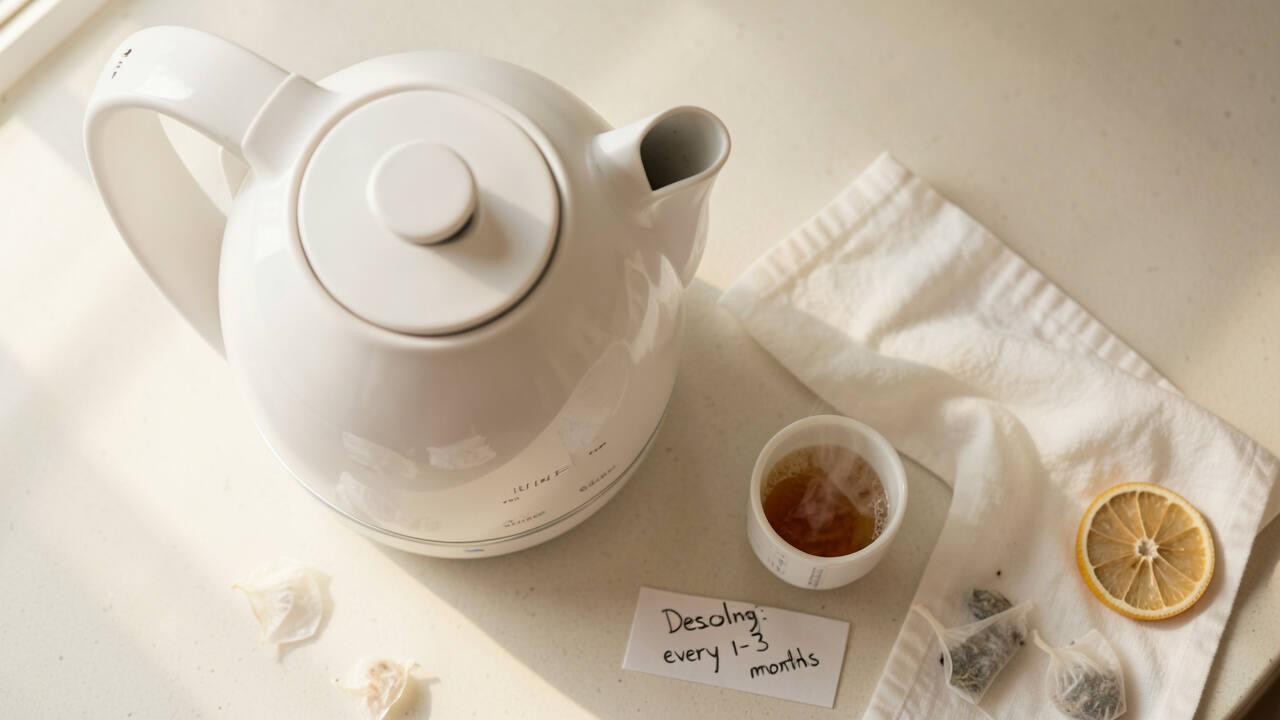
How Often Should You Descale
The frequency depends on how hard your tap water is and how often you use your kettle.
If you have very hard water, you might need to descale your kettle every month. For softer water areas, every two to three months might be enough. A good rule of thumb is to descale when you start to see visible limescale buildup inside.
Regular descaling prevents the limescale from becoming too thick and hard to remove. It also helps your kettle run efficiently. Don’t wait until the kettle is covered in scale.
A little maintenance now and then makes the job much easier.
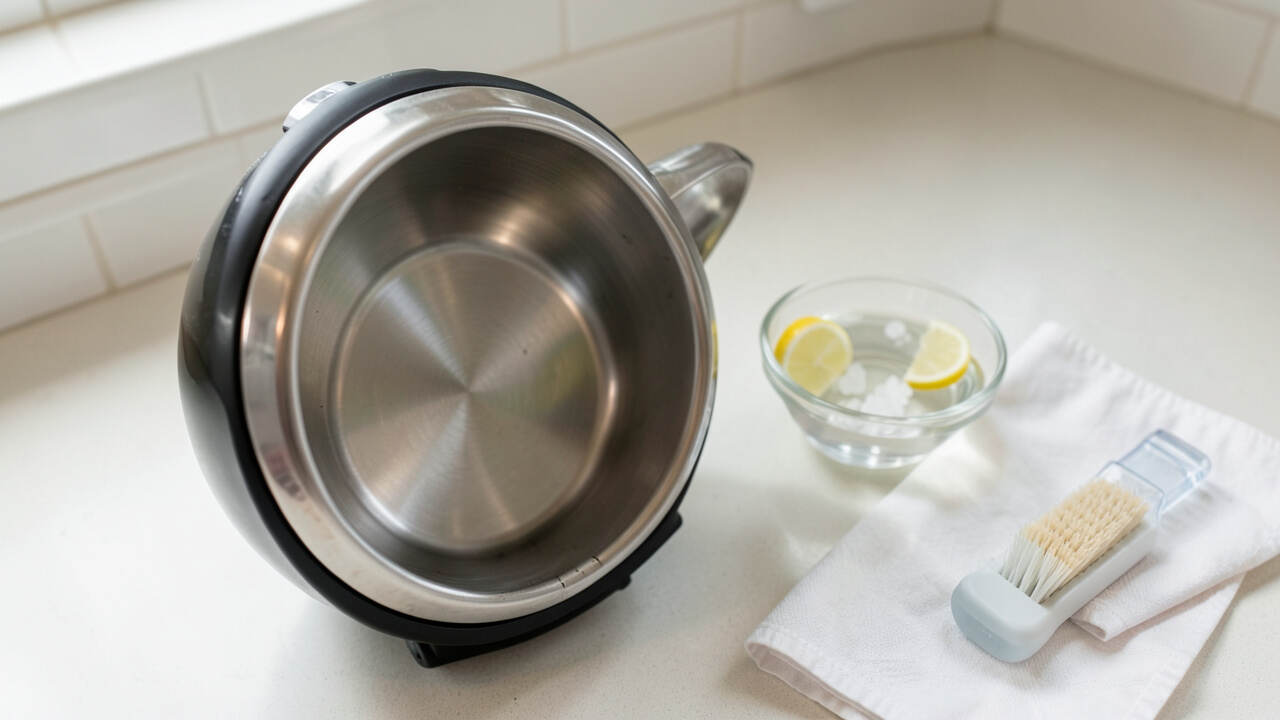
Tips for Maintaining Your Kettle
Keeping your kettle clean is easy with a few simple habits.
- Empty After Each Use: Try to empty your kettle after each use. Leaving water sitting in it can encourage scale to form faster.
- Wipe Down the Exterior: Regularly wipe the outside of your kettle with a damp cloth to keep it looking good.
- Check the Filter: Many kettles have a small filter near the spout. If yours does, check it regularly and clean it as per the manufacturer’s instructions. This can help catch some mineral buildup.
- Consider a Water Filter: If you have very hard water, using a water filter pitcher for the water you put in your kettle can help reduce mineral content and slow down limescale formation.
FAQ Of How to Descale an Electric Kettle Easily
Question: Can I use something other than white vinegar?
Answer: Yes, you can use lemon juice or citric acid as alternatives. Both are acidic and effective at breaking down limescale. Always rinse thoroughly afterwards.
Question: Is it safe to drink from a kettle with limescale?
Answer: While generally not harmful, limescale can affect the taste of your water and drinks. It can also make your kettle less efficient. It’s best to descale regularly for optimal performance and taste.
Question: My kettle has very thick limescale. Will vinegar still work?
Answer: For very thick limescale, you might need to repeat the vinegar process. You could also try letting the vinegar solution soak for a longer period, even overnight, before boiling and rinsing.
Question: How do I clean the outside of my electric kettle?
Answer: Use a damp cloth to wipe the exterior. For stubborn marks, a little dish soap on the cloth can help. Always make sure the kettle is unplugged and cool before cleaning the outside.
Question: Will descaling damage my electric kettle?
Answer: Using mild agents like vinegar, lemon juice, or citric acid, and following the correct steps, is generally safe for most electric kettles. Avoid harsh scrubbing or abrasive cleaners that could scratch the interior.
Final Thoughts
Keeping your electric kettle clean is simple. Limescale buildup is a normal part of using tap water. You can easily remove it with common household items like vinegar.
Just boil a vinegar and water mix, let it sit, and then rinse well. Doing this regularly helps your kettle work better and makes your drinks taste their best.

![Troubleshooting Common Espresso Machine Issues[1]](https://creativehouseblog.com/wp-content/uploads/2026/03/Troubleshooting_Common_Espresso_Machine_Issues1-768x448.jpg)
![How to Clean Gutters Safely Without Hiring Anyone[1]](https://creativehouseblog.com/wp-content/uploads/2026/05/How_to_Clean_Gutters_Safely_Without_Hiring_Anyone1-768x403.jpg)
![How to Fix a Leaking Gutter Joint Without Replacing It[1]](https://creativehouseblog.com/wp-content/uploads/2026/05/How_to_Fix_a_Leaking_Gutter_Joint_Without_Replacing_It1-768x403.jpg)
![How to Use a Pressure Cooker Safely[1]](https://creativehouseblog.com/wp-content/uploads/2026/03/How_to_Use_a_Pressure_Cooker_Safely1-768x448.jpg)
![8 Benefits Of Cooking With A Steam Oven[1]](https://creativehouseblog.com/wp-content/uploads/2026/04/8_Benefits_Of_Cooking_With_A_Steam_Oven1-768x448.jpg)
![Can You Put Aluminum Foil in an Air Fryer[1]](https://creativehouseblog.com/wp-content/uploads/2026/03/Can_You_Put_Aluminum_Foil_in_an_Air_Fryer1-768x448.jpg)