A slow cooker is used to cook food at low, consistent temperatures over several hours, making it ideal for tender meats, hearty stews, soups, and chilis. This appliance enables hands-off cooking, allowing meals to prepare themselves while you attend to other tasks, which is a significant time-saver for busy schedules. Slow cookers are also energy-efficient and excellent for meal prepping, helping to create flavorful, moist dishes with minimal active effort.
Many folks wonder, “What Is a Slow Cooker Used For?” It’s a common question for those new to the kitchen or looking for simpler cooking methods.
This little appliance can seem mysterious, but it’s actually super easy to use. We’ll break down exactly what it is and how you can make delicious meals without a lot of fuss.
Key Takeaways
- Slow cookers are used for cooking food at low temperatures over a long period.
- They are excellent for making tender meats, stews, soups, and chilis.
- Slow cookers save time by allowing hands-off cooking while you do other things.
- They are energy-efficient and can help reduce your electricity bill.
- Using a slow cooker often results in flavorful, moist, and delicious meals.
- They are great for preparing meals ahead of time for busy weeknights.
Get ready to discover how this kitchen helper can make your life easier, one yummy dish at a time.
![What Is a Slow Cooker Used For[1]](https://creativehouseblog.com/wp-content/uploads/2026/03/What_Is_a_Slow_Cooker_Used_For1.jpg)
What Is a Slow Cooker Used For
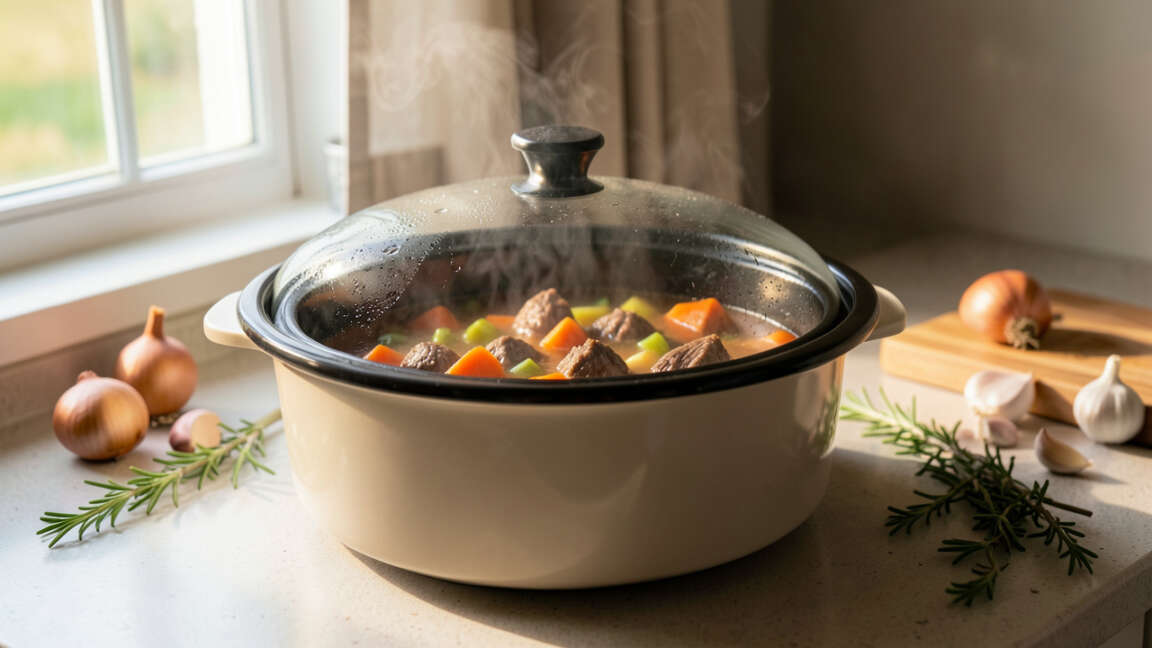
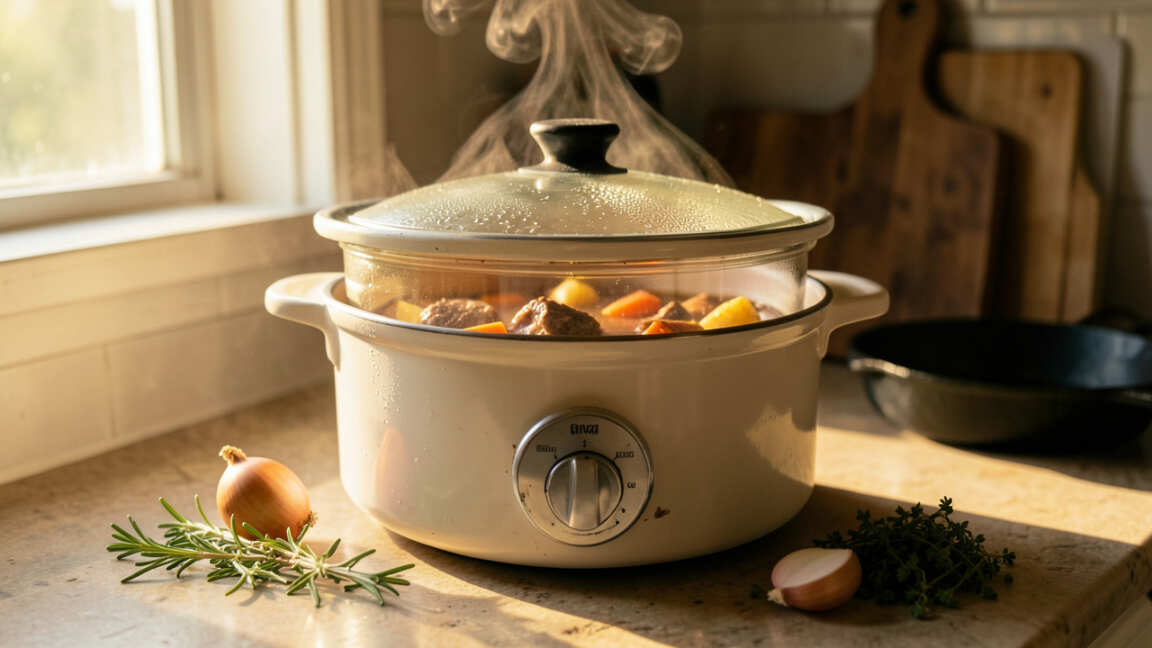
A slow cooker, often called a Crock-Pot (which is actually a brand name), is a kitchen appliance designed to cook food at a low, consistent temperature over an extended period. It typically consists of a heating element in the base, an insert pot (usually ceramic or porcelain), and a lid. The magic of a slow cooker lies in its ability to gently simmer ingredients, allowing flavors to meld and tough cuts of meat to become incredibly tender.
It’s a set-it-and-forget-it kind of cooking that’s perfect for busy people.
The Simple Magic of Slow Cooking
The primary purpose of a slow cooker is convenience and flavor enhancement. By cooking food slowly at low heat, it breaks down tough connective tissues in meat, making it fall-apart tender. This also means you can often use less expensive cuts of meat and still achieve restaurant-quality results.
Beyond just tenderizing, the long, slow simmer allows all the ingredients and spices to meld together, creating deep, rich flavors that are hard to achieve with quicker cooking methods.
Tender Meats Made Easy
One of the most popular uses for a slow cooker is cooking meats. Whether it’s a pork shoulder for pulled pork, a beef roast for pot roast, or chicken breasts for shredded chicken, a slow cooker excels. You can place a whole chicken or a large roast in the morning, add some vegetables and seasoning, and come home to a perfectly cooked, juicy meal.
The low, moist heat prevents meats from drying out, a common problem with oven roasting or pan-frying.
Hearty Soups and Stews
Slow cookers are a natural fit for soups and stews. They are perfect for simmering beans, lentils, and vegetables, allowing their flavors to fully develop. You can toss in all your ingredients in the morning, and by dinnertime, you’ll have a comforting, flavorful soup or stew ready to serve.
This makes preparing healthy meals for the week, or for feeding a crowd, incredibly easy.
Comfort Foods and Casseroles
Many classic comfort food dishes benefit from slow cooking. Think of dishes like macaroni and cheese, chili, or even baked beans. The slow cooker helps these dishes achieve a creamy, rich texture.
Casseroles also do well, as the slow cooker can keep them warm and prevent them from drying out while you’re busy.
Dips and Appetizers
Don’t underestimate the power of a slow cooker for appetizers! Warm dips like spinach artichoke dip or buffalo chicken dip are incredibly easy to make in a small slow cooker. They stay perfectly warm throughout a party, allowing guests to help themselves.
This frees you up to enjoy your guests rather than constantly tending to the food.
Baking and Desserts
While not its primary function, a slow cooker can also be used for certain types of baking. You can make cakes, cobblers, and even cheesecakes in a slow cooker. The moist heat can produce wonderfully tender baked goods.
Recipes for slow cooker lava cakes or chocolate pudding cake are surprisingly common and delicious.
Making Broth and Stock
For those who enjoy making their own broth or stock, a slow cooker is a fantastic tool. You can simmer chicken bones, vegetable scraps, and aromatics for many hours, extracting maximum flavor and nutrients. This results in a richer, more flavorful broth than you can typically buy at the store, and it’s very hands-off.
How Does a Slow Cooker Work
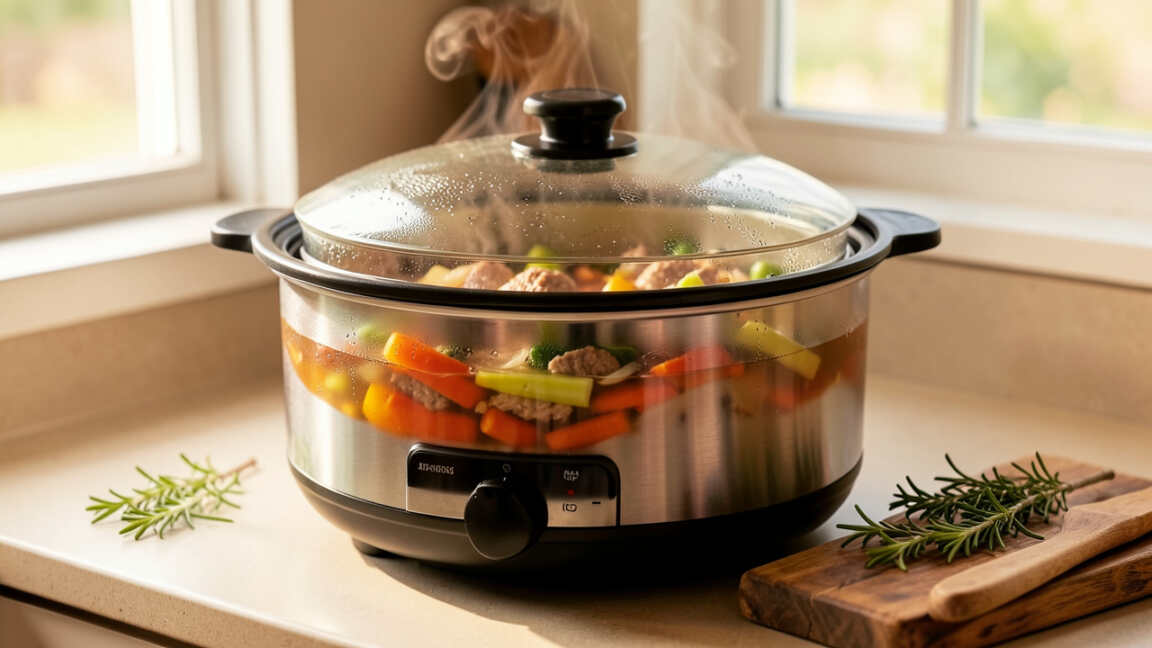
The process is quite simple. You place your ingredients into the insert pot. Then, you add liquid, seasonings, and any other components.
After securing the lid, you set the cooker to a low or high setting. The heating element around the base of the insert pot gently heats the contents. Low settings typically cook at around 200°F (93°C), while high settings reach about 300°F (149°C).
The lid is designed to create a tight seal, trapping steam and moisture inside. This creates a moist cooking environment, which is key to tenderizing meats and preventing food from drying out. The consistent, low temperature ensures that food cooks evenly without scorching or boiling vigorously.
This gentle cooking process is what allows tough ingredients to break down over time, creating tender and flavorful dishes.
Benefits of Using a Slow Cooker
There are many advantages to incorporating a slow cooker into your cooking routine. They are incredibly versatile, energy-efficient, and make meal prep a breeze. Let’s explore some of the key benefits.
Convenience and Time-Saving
This is perhaps the biggest benefit. You can load your slow cooker in the morning and have a delicious meal ready when you get home from work or errands. This “set it and forget it” approach frees up your time and reduces the stress of cooking during busy evenings.
Cost-Effective
Slow cookers are generally inexpensive to purchase. They also use less energy than a conventional oven because they cook at lower temperatures for longer periods. Furthermore, as mentioned earlier, they allow you to use more economical cuts of meat that become tender and flavorful with slow cooking.
Flavor Enhancement
The long, slow cooking process allows flavors to develop and meld beautifully. Ingredients have ample time to soften and release their juices, creating deep, complex tastes that are hard to achieve with faster cooking methods.
Nutrient Retention
Because the cooking temperature is low and the environment is moist, many nutrients are retained in the food. This is especially true for vegetables, which can become mushy and lose vitamins when overcooked using high heat methods.
Reduced Kitchen Heat
During warmer months, using a slow cooker can keep your kitchen cooler than using a conventional oven. This is a welcome relief when you want a hot meal without heating up your entire house.

Types of Slow Cookers
Slow cookers come in various sizes and with different features. Understanding these can help you choose the best one for your needs.
Size Matters
Slow cookers are typically measured in quarts. Common sizes include 1.5 quarts (small, for dips or side dishes), 3 quarts (good for couples or small families), 5-6 quarts (the most common size, suitable for families), and 7-10 quarts (for large families or entertaining).
Manual vs. Programmable
Manual slow cookers have simple controls for low, high, and warm settings. Programmable slow cookers allow you to set a specific cooking time and temperature, and many will automatically switch to a keep-warm setting once the cooking time is complete. Some advanced models even have digital displays and multiple cooking programs.
Stovetop and Oven Safe Inserts
Some slow cooker insert pots are designed to be stovetop or oven safe. This means you can sear meats or sauté vegetables directly in the insert on the stovetop before placing it into the slow cooker base. This reduces the number of dishes you need to wash.
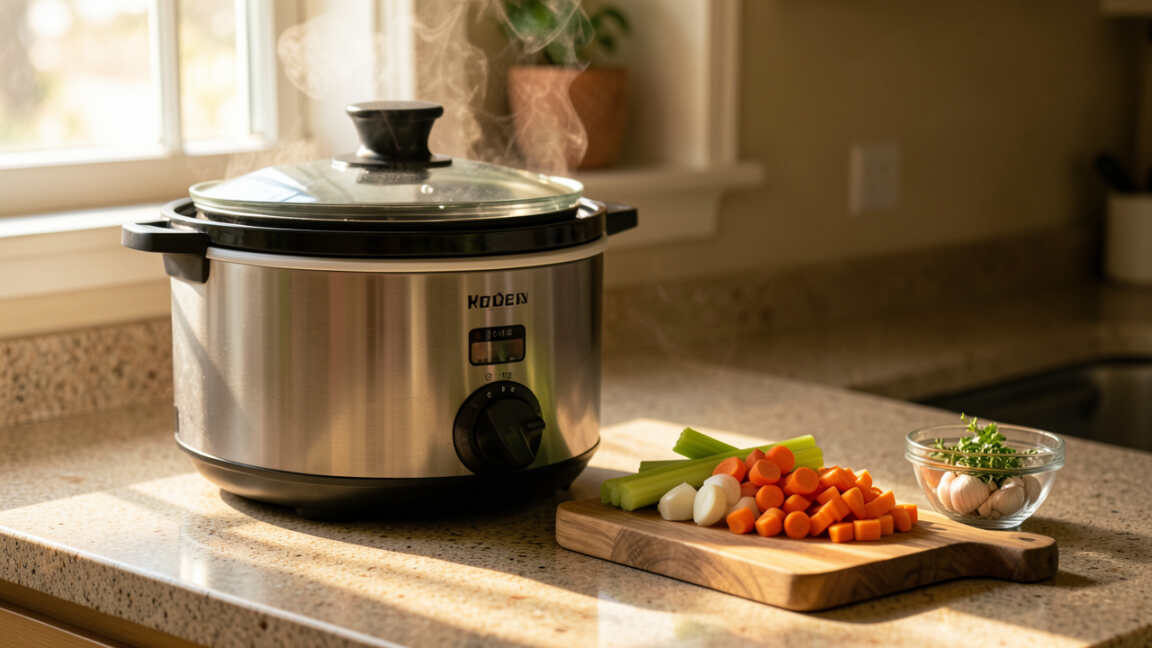
Tips for Using Your Slow Cooker
To get the best results from your slow cooker, follow these simple tips.
Don’t Overfill
Fill the slow cooker insert about two-thirds full. Overfilling can lead to uneven cooking and potential spills.
Use Enough Liquid
Most recipes call for a specific amount of liquid. While the slow cooker creates moisture, you still need enough to ensure proper simmering and prevent drying out, especially for dishes like stews and soups.
Sear Meats First (Optional but Recommended)
For richer flavor and better texture, consider searing meats on the stovetop before adding them to the slow cooker. This browning process, called the Maillard reaction, adds depth of flavor.
Cut Ingredients Appropriately
Cut root vegetables into smaller, uniform pieces, as they take longer to cook than other ingredients. Place denser vegetables like potatoes and carrots at the bottom of the pot, closer to the heat source.
Avoid Frequent Lid Lifting
Every time you lift the lid, you lose heat. This can add significant time to your cooking process. Resist the urge to check on the food too often.
Adjust Seasoning at the End
Flavors can concentrate during slow cooking. Taste your food near the end of the cooking time and adjust seasonings like salt and pepper as needed.
Thicken Sauces if Necessary
If your sauce is thinner than you’d like, you can thicken it at the end of cooking. Mix a tablespoon or two of cornstarch or flour with a little cold water to create a slurry, then stir it into the hot liquid and cook for a few more minutes until thickened.
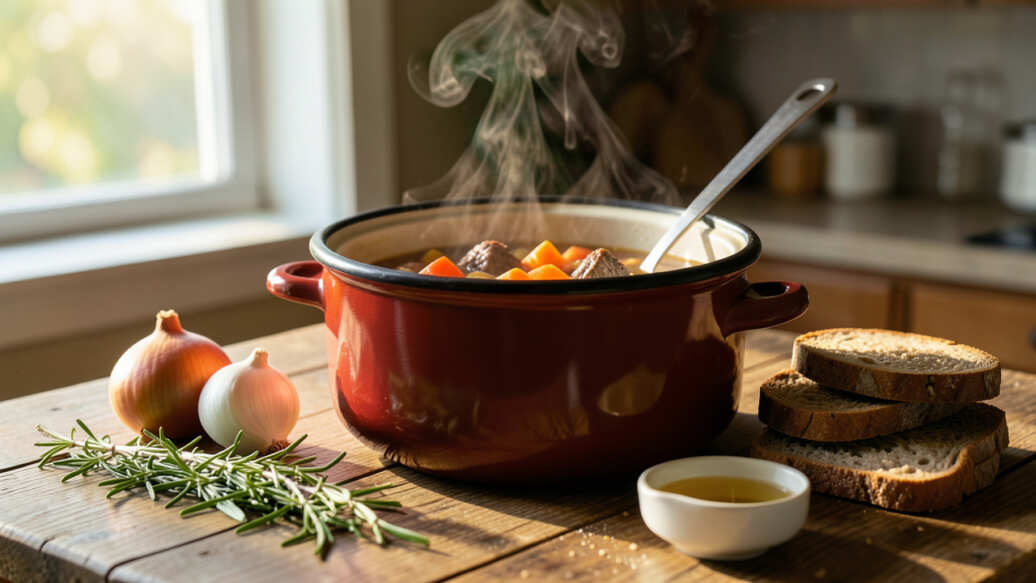
What Is a Slow Cooker Used For Recipe Ideas
Here are some popular categories of recipes perfect for your slow cooker:
- Pulled Pork
- Pot Roast
- Beef Stew
- Chicken Noodle Soup
- Chili
- Salsa Chicken
- Shredded Chicken for Tacos
- Lentil Soup
- BBQ Ribs
- Potatoes au Gratin
- Hot Chocolate
- Apple Crisp
FAQ Of What Is a Slow Cooker Used For
Question: Can I use a slow cooker for frozen meat?
Answer: It is generally not recommended to cook frozen meat in a slow cooker. The meat may not reach a safe internal temperature quickly enough, increasing the risk of bacterial growth. Thaw meat completely before placing it in the slow cooker.
Question: How much liquid should I use in a slow cooker?
Answer: Follow your recipe’s guidelines. As a general rule, add enough liquid to cover at least half of the solid ingredients. You might need slightly less liquid than in a stovetop or oven recipe because the slow cooker traps steam.
Question: Can I leave my slow cooker on overnight?
Answer: Yes, many slow cooker recipes are designed for overnight cooking, especially for dishes like roasts or oatmeal. Ensure your slow cooker has a reliable “keep warm” setting and is in good working condition. Always follow recipe instructions and safety guidelines.
Question: What is the difference between ‘low’ and ‘high’ settings on a slow cooker?
Answer: The ‘low’ setting cooks food at a lower temperature for a longer period, typically 6-10 hours. The ‘high’ setting cooks food at a higher temperature for a shorter period, usually 3-5 hours. Both settings will eventually bring food to a safe, simmered temperature.
Question: Can I put raw vegetables in a slow cooker?
Answer: Yes, you can cook raw vegetables in a slow cooker. It’s best to cut denser vegetables like potatoes, carrots, and onions into uniform pieces and place them towards the bottom of the pot where they will cook thoroughly. Softer vegetables like peas or spinach can be added in the last 30-60 minutes of cooking.
Final Thoughts
You now have a clear picture of What Is a Slow Cooker Used For. This kitchen helper is designed to make cooking simple and delicious. It excels at tenderizing meats, creating flavorful stews, and preparing comforting meals with minimal effort.
Embrace the ease and enjoy the wonderful dishes it helps you create.


![How to Descale an Electric Kettle Easily[1]](https://creativehouseblog.com/wp-content/uploads/2026/03/How_to_Descale_an_Electric_Kettle_Easily1-768x448.jpg)
![How to Use a Food Processor Safely[1]](https://creativehouseblog.com/wp-content/uploads/2026/03/How_to_Use_a_Food_Processor_Safely1-768x448.jpg)
![7 Juicing Mistakes That Waste Ingredients[1]](https://creativehouseblog.com/wp-content/uploads/2026/04/7_Juicing_Mistakes_That_Waste_Ingredients1-768x448.jpg)
![10 Easy Meals You Can Make With Sous Vide[1]](https://creativehouseblog.com/wp-content/uploads/2026/04/10_Easy_Meals_You_Can_Make_With_Sous_Vide1-768x448.jpg)
![lumbing Checks Every Homeowner Should Do Regularly[1]](https://creativehouseblog.com/wp-content/uploads/2026/05/lumbing_Checks_Every_Homeowner_Should_Do_Regularly1-768x403.jpg)