
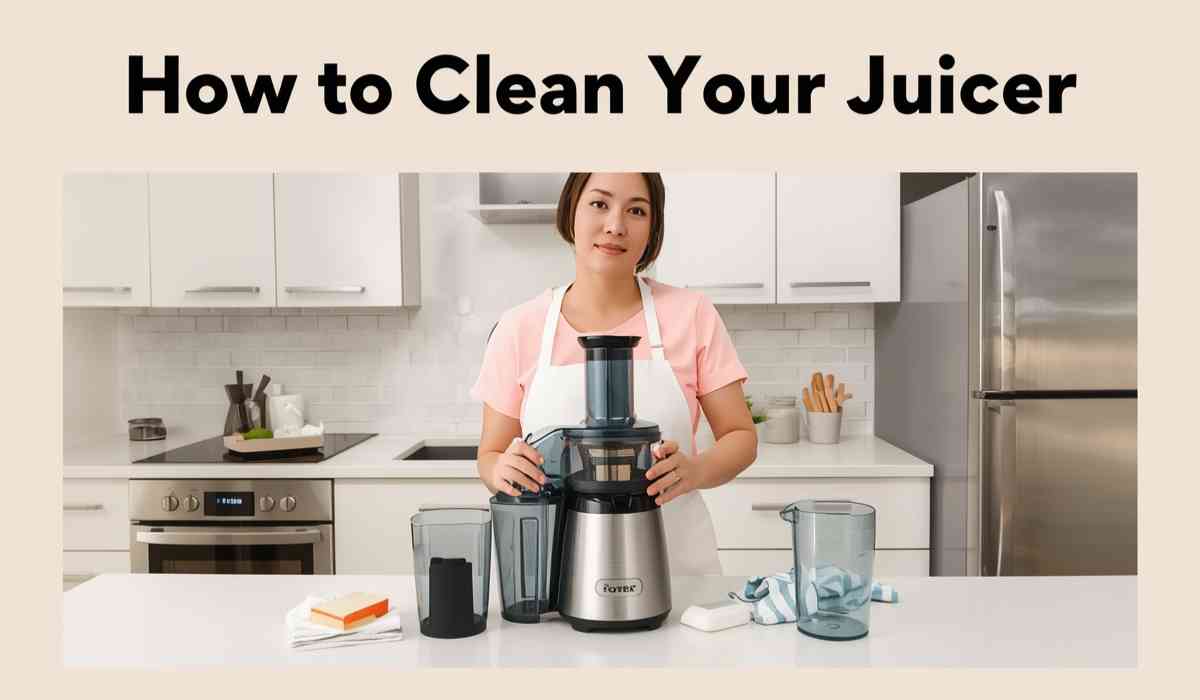
To clean your juicer easily, disassemble all removable parts, rinse them promptly, wash with soap and water, rinse again, and dry thoroughly. Cleaning immediately after use is crucial as it prevents pulp from drying and sticking, making the job much simpler and more effective. This straightforward routine maintains the juicer’s performance and hygiene, extending its lifespan and ensuring fresh-tasting juice.
So, you’ve made some yummy juice and now it’s time for the not-so-fun part, right? Many new juicer owners find cleaning a bit tricky. They wonder if they’re doing it right or if they’ll miss a spot.
But don’t worry! Cleaning your juicer is actually quite simple when you know the steps. We’ll show you exactly how to get it sparkling clean in no time.
Key Takeaways
- Cleaning your juicer right after use makes it much easier.
- Most juicer parts can be washed by hand with soap and water.
- Some juicer parts are dishwasher safe, check your manual.
- Proper cleaning extends the life of your juicer.
- Stubborn pulp can be removed with a brush or soaking.
- Regular cleaning prevents mold and bacteria growth.
Get ready for fresh juice tomorrow!
Why Cleaning Your Juicer Matters
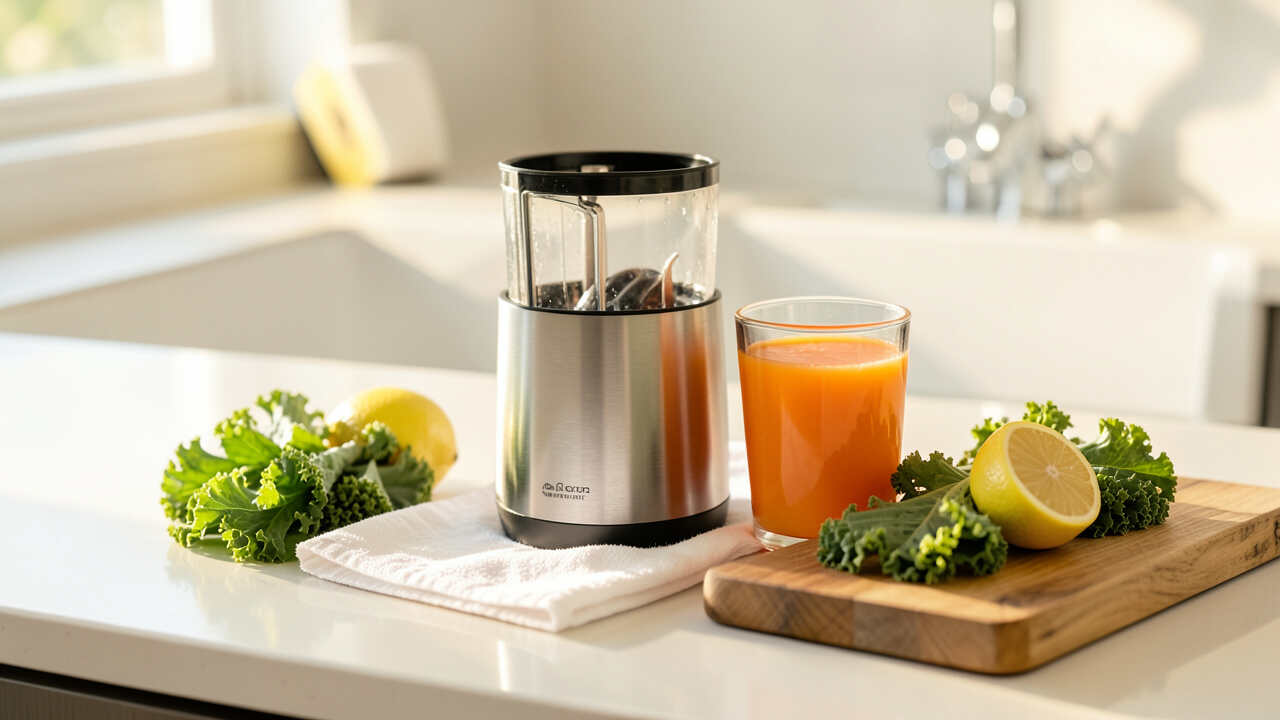
Keeping your juicer clean is super important for a few big reasons. First, it helps your juice taste the best it can. Bits of old fruit or veggies can make your next batch taste funny.
Second, clean juicers last longer. When you don’t clean it, pulp and juice can get stuck and clog things up, which isn’t good for the motor. Third, and most importantly, it keeps you healthy.
Old food bits can grow mold or bacteria, and you don’t want that in your juice!
When to Clean Your Juicer
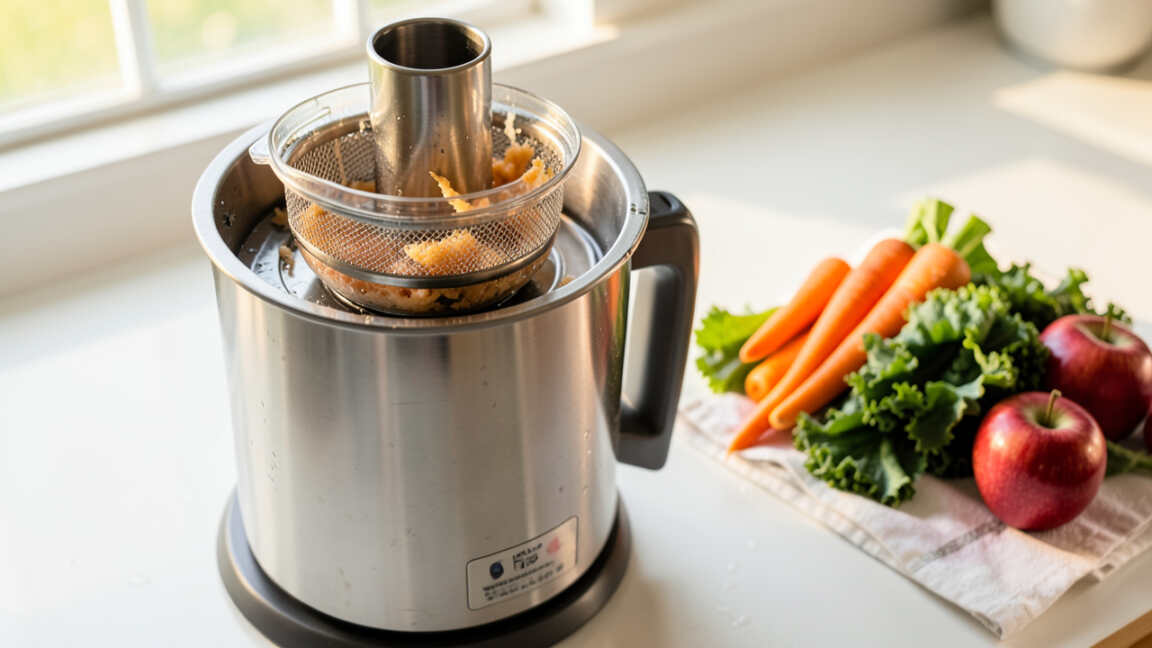
The best time to clean your juicer is right after you finish using it. Seriously, do it as soon as possible. When the pulp and juice are still wet, they come off really easily.
If you let them dry, they get sticky and hard to remove. This will make your cleaning job take way longer and be more of a hassle. So, make it a habit: juice, then clean.
What You’ll Need to Clean Your Juicer
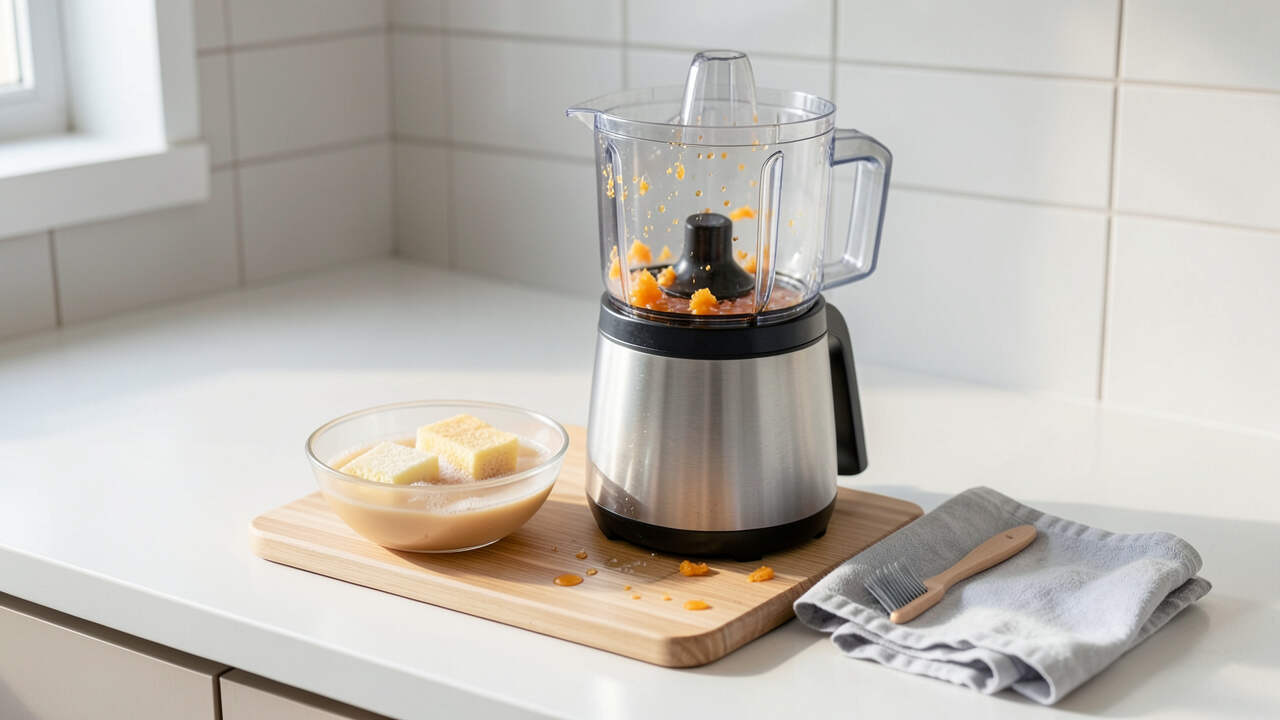
You don’t need a lot of fancy stuff to clean your juicer. Most of what you need is probably already in your kitchen. Here’s a quick list:
- Dish soap
- A soft sponge or dishcloth
- A soft-bristled brush (an old toothbrush works great for tight spots)
- A clean towel for drying
- Warm water
Some juicers come with a special cleaning brush. If yours did, use that one!
How to Clean Your Juicer Step By Step
Let’s break down how to clean your juicer. Every juicer is a little different, so it’s always good to look at your juicer’s instruction book. But these steps will work for most kinds.
1. Take Your Juicer Apart
First, unplug your juicer. Then, carefully take it apart. Most juicers have a few main pieces: the motor base, the juice bowl, the pulp collector, the filter or strainer, and the lid.
Lay out all the parts so you can see them.
2. Rinse Everything Off
Take each piece to the sink. Rinse off as much of the pulp and juice as you can with warm water. This step gets rid of the big chunks, making washing much easier.
3. Wash the Parts
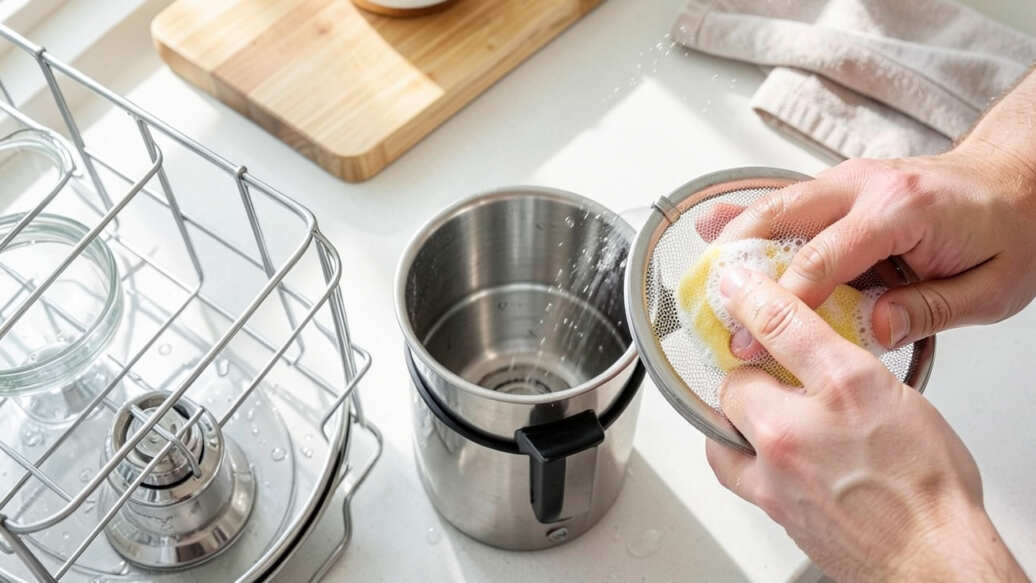
Now, use your dish soap and a sponge or cloth. Wash each part well. Pay special attention to the filter or strainer, as this is where a lot of pulp gets stuck.
Use your soft brush to gently scrub away any leftover bits. For really stuck-on pulp, you might need to let it soak for a few minutes before scrubbing.
4. Rinse Thoroughly
Once you’ve washed everything, rinse all the parts again with clean water. Make sure all the soap is gone. Leftover soap can also affect the taste of your juice.
5. Dry the Parts
Use a clean towel to dry each part completely. It’s important that all parts are dry before you put your juicer back together. This helps stop mold or mildew from growing.
You can also let them air dry on a clean surface.
6. Clean the Motor Base
The motor base usually can’t be put in water. Wipe it down with a damp cloth. Make sure it’s unplugged while you do this.
Never use too much water on the motor base.
Cleaning Different Types of Juicers
There are a few main types of juicers, and cleaning them can be slightly different.
Centrifugal Juicers
These are very common. They spin fast to separate juice from pulp. The filter basket is usually the hardest part to clean.
Use a brush to get all the pulp out of the mesh. Some people find that soaking the filter basket in warm water for a bit helps a lot.
Masticating Juicers (Slow Juicers)
These use an auger to crush and squeeze the juice. They often have fewer parts than centrifugal juicers. The auger can sometimes get jammed with fibrous greens.
A small brush is perfect for cleaning the auger. Make sure to get into all the nooks and crannies.
Twin-Gear Juicers
These are similar to masticating juicers but have two gears. They are great for leafy greens. Cleaning can be a bit more involved due to the gears.
A good brush is your best friend here. Take your time to ensure all the pulp is removed from between the gears.
Citrus Juicers
These are usually very simple, often just a cone and a bowl. They are generally the easiest to clean. Just rinse the cone and bowl under water.
If you’ve juiced a lot of lemons, you might need a little soap to remove the oils. These are often dishwasher safe.

Tips for Tough Pulp
Sometimes, you juice fibrous things like celery or ginger, and the pulp can be really stubborn. Don’t get discouraged!
- Soak it: For really sticky pulp, especially on the filter, let it soak in warm soapy water for 10-15 minutes. This softens the pulp so it’s easier to scrub away.
- Use a brush: A soft-bristled brush or an old toothbrush is excellent for getting into the small holes of the filter or the crevices of the auger.
- Scrape gently: Use a rubber spatula to gently scrape out excess pulp from larger bowls before washing.
Dishwasher vs. Hand Washing
Many juicer parts are marked as dishwasher safe. This can be a huge time saver! Always check your juicer’s manual to be sure.
If a part is dishwasher safe, put it on the top rack. However, some people prefer to hand wash their juicer parts. Hand washing gives you more control and ensures you get every bit of pulp.
Over time, the heat and detergent in dishwashers can sometimes dull the plastic parts of juicers. If you choose to hand wash, use mild dish soap and warm water.
Storing Your Clean Juicer
Once all the parts are clean and dry, you can put your juicer back together. Some people like to store their juicer assembled on the counter. Others prefer to store the parts separately in a cupboard.
Either way, make sure the parts are completely dry before storing to prevent any issues.
Maintaining Your Juicer for Longevity
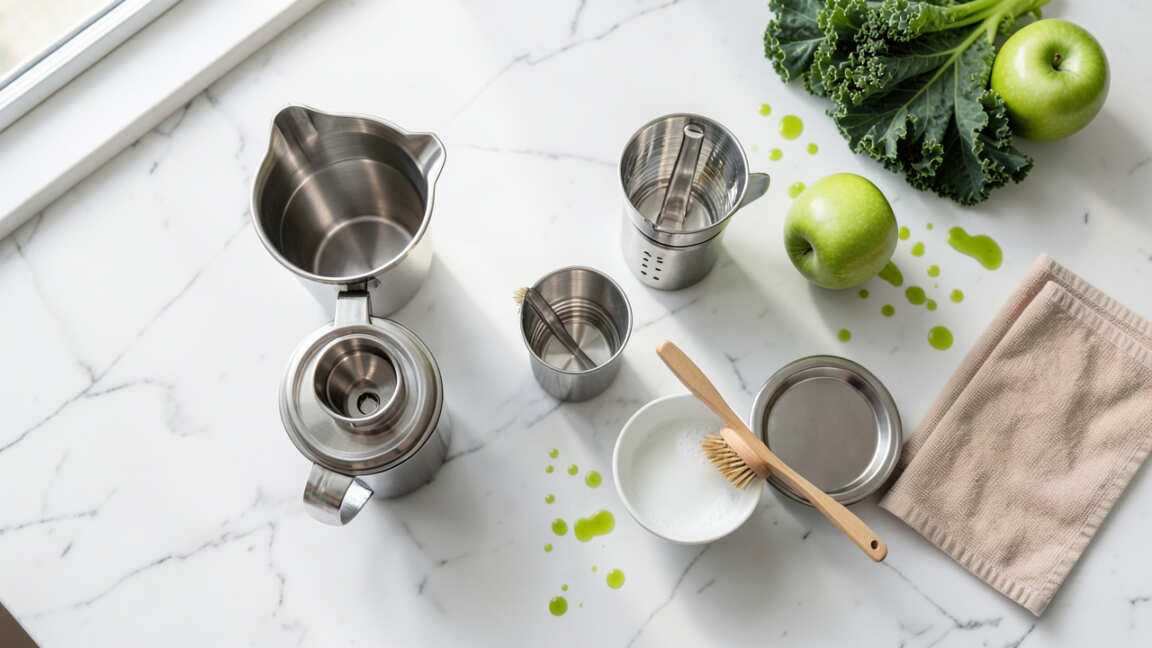
Cleaning your juicer isn’t just about having clean juice today. It’s also about making sure your juicer works well for a long time. Regular cleaning prevents wear and tear on the parts.
It keeps the motor from working too hard. Think of it as giving your juicer a little spa treatment after it works hard for you!
FAQ Of How to Clean Your Juicer Easy Steps
Question: How often should I clean my juicer
Answer: You should clean your juicer every time you use it, right after you finish juicing. This makes cleaning much easier and keeps your juicer in good shape.
Question: Can I use harsh chemicals to clean my juicer
Answer: No, it’s best to avoid harsh chemicals. Stick to mild dish soap and warm water. Harsh cleaners can damage the juicer parts and leave residues that could get into your juice.
Question: My juicer filter is clogged with pulp, what should I do
Answer: Try soaking the filter in warm, soapy water for about 10-15 minutes. Then, use a soft brush to gently scrub away the pulp. Rinse it well afterward.
Question: Are all juicer parts dishwasher safe
Answer: Not all of them are. Always check your juicer’s instruction manual to see which parts can go in the dishwasher. Some parts may be damaged by the heat or detergent.
Question: How can I get rid of stains on my juicer parts
Answer: For light stains, a paste made of baking soda and water can help. Apply it to the stain, let it sit for a while, then gently scrub and rinse. Avoid abrasive scrubbers that can scratch the plastic.
Final Thoughts
Cleaning your juicer doesn’t have to be a chore. By following these simple steps, you can keep your juicer clean and working well. A clean juicer means healthier, tastier juice for you.
Make cleaning a quick habit after each use. Your juicer will thank you by giving you fresh juice for years to come.

![Benefits Of Fresh Juice Vs Store Bought[1]](https://creativehouseblog.com/wp-content/uploads/2026/04/Benefits_Of_Fresh_Juice_Vs_Store-Bought1-1-768x448.jpg)
![6 Reasons Your Indoor Grill Is Smoking Too Much[1]](https://creativehouseblog.com/wp-content/uploads/2026/04/6_Reasons_Your_Indoor_Grill_Is_Smoking_Too_Much1-768x448.jpg)
![Air Fryer Fan Technology Explained[1]](https://creativehouseblog.com/wp-content/uploads/2026/03/Air_Fryer_Fan_Technology_Explained1-768x448.jpg)
![Troubleshooting Common Bread Maker Problems[1]](https://creativehouseblog.com/wp-content/uploads/2026/03/Troubleshooting_Common_Bread_Maker_Problems1-768x448.jpg)
![Simple Monthly Checklist To Keep Your Home In Shape[1]](https://creativehouseblog.com/wp-content/uploads/2026/05/Simple_Monthly_Checklist_To_Keep_Your_Home_In_Shape1-768x403.jpg)
![Induction vs Gas Cooktops Which Is Best[1]](https://creativehouseblog.com/wp-content/uploads/2026/03/Induction_vs_Gas_Cooktops_Which_Is_Best1-768x448.jpg)