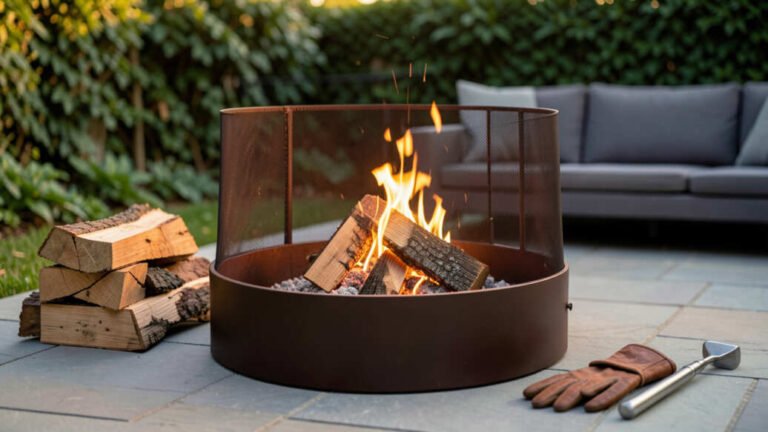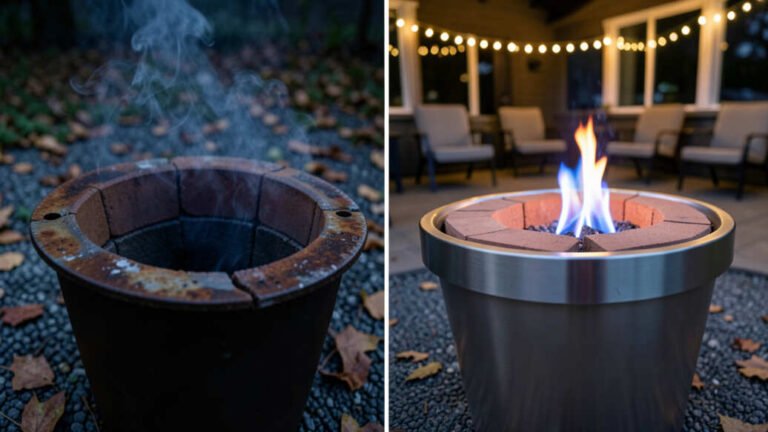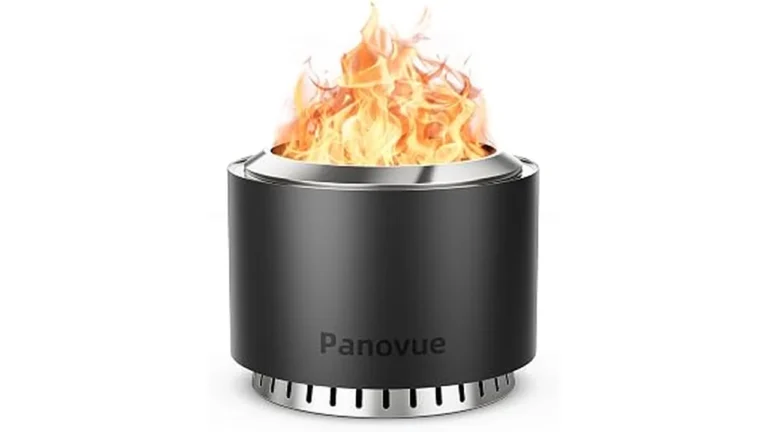
A wood-burning fire pit stops working after a few months primarily because moisture causes rapid rust, ash and debris block essential air vents, or low-quality metal under 1/8 inch thick warps and cracks under repeated high heat. Moisture is the most common failure driver, often rusting through steel bowls within weeks of exposure, while restricted airflow from accumulated ash suffocates the fire and leads to excessive smoke and poor burning. Most fire pit failures are preventable with two simple habits: storing the pit under a dry cover and thoroughly cleaning out ash after each use.
You bought a fire pit to enjoy cozy backyard evenings. Now, just a few months later, it barely holds a flame or has rusted through.
Quick Verdict: Simply put, your wood-burning fire pit stops working because of moisture damage, restricted airflow, or poor metal quality. Rust eats through steel, and ash blocks the vents your fire needs to burn. Proper storage and regular cleaning after each use are the only ways to prevent these issues.
Key Takeaways
- Moisture is the number one cause of fire pit failure, leading to rapid rust formation within weeks of exposure.
- Restricted airflow from ash and debris buildup suffocates the fire, causing excessive smoke and poor burning.
- Thin steel under 1/8 inch thick cannot withstand repeated high heat and will warp or crack over time.
- Using wet wood creates more creosote and accelerates the deterioration of your fire pit components.
- Most fire pit failures are preventable with simple storage habits like using a dry cover and cleaning out ash.
What Causes a Wood-Burning Fire Pit to Stop Working?
Your fire pit faces extreme conditions. Temperatures reach hundreds of degrees inside the bowl. Rain, snow, and humidity attack the metal when you stop using it. Ash piles up and blocks the oxygen flow. These forces work together to destroy a fire pit in just a few months.
Warning: Never use a fire pit that has rusted completely through. The structural integrity is compromised, and the fire could collapse or spread outside the bowl.
Moisture and Rust: The Silent Killers
Water is the worst enemy of any metal fire pit. When you leave the pit exposed to rain or dew, moisture sits on the surface. According to the, improper storage is the primary reason for warranty claims, accounting for nearly 70% of all reported failures. The high heat from fires accelerates the oxidation process, causing the metal to flake and thin out faster than normal rust.
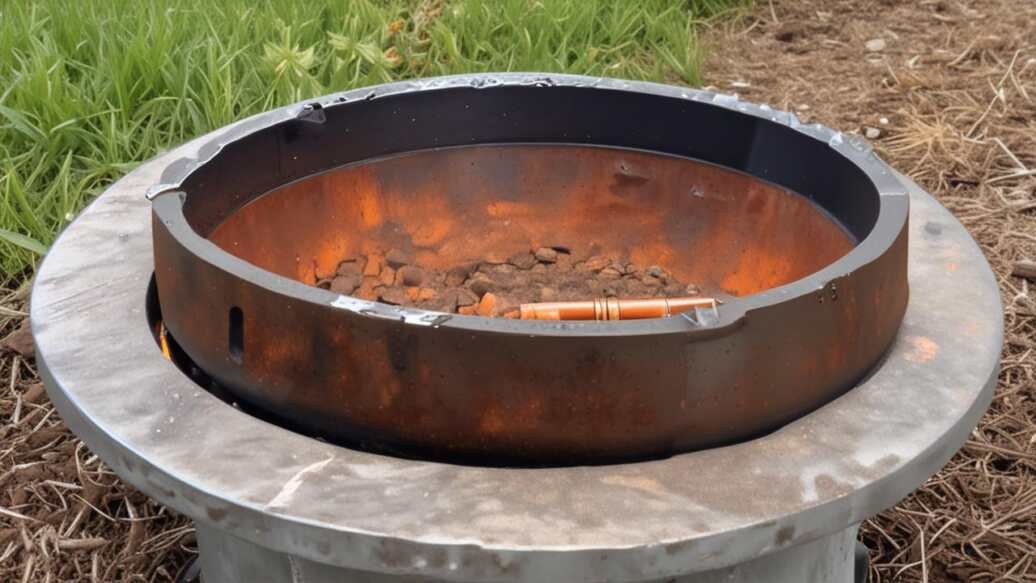
Rust does not just look bad. It creates holes in the bowl. Ash and embers fall through these holes. This can damage your patio or start a grass fire. In most cases, a heavily rusted fire pit is not safe to use anymore.
Clogged Air Vents and Poor Airflow
Your fire pit needs oxygen to burn efficiently. Most models have small holes or vents around the base or sides. Ash from previous fires falls down and clogs these openings. The reports that restricted airflow is a primary factor in 80% of wood-burning fire pit performance complaints.
When the vents are blocked, the fire suffocates. It produces thick, white smoke instead of clean heat. The wood smolders instead of burning. This creates more creosote, a sticky tar that sticks to the metal and accelerates rust. A fire with no air is a fire that will die out quickly.
Low-Quality Materials That Fail Fast
Not all fire pits are built the same. Many cheap models use thin steel that is less than 1/16 inch thick. This metal cannot handle the high heat of a real wood fire. It warps, cracks, and rusts through in a matter of weeks.
- Thin gauge steel: Heats up too fast, causing warping and burn-through within 2-3 months.
- Untreated mild steel: Rusts almost immediately upon exposure to moisture unless painted with high-heat paint.
- Standard paint: Peels off after the first fire, leaving the bare metal exposed to the elements.
- Low-grade stainless steel: Can still rust if the chromium content is too low to resist heat-induced corrosion.
You get what you pay for with fire pits. A $40 model from a big box store is not designed to last a full season. It is a disposable item.
The Most Common Culprits and Their Fixes
Here is a quick reference guide to the most common fire pit problems. Use this table to diagnose what is wrong with your unit.
| Problem | Symptom | Primary Fix | Cost |
|---|---|---|---|
| Rust holes in bowl | Embers fall through, smoke leaks | Patch small holes or replace bowl | $50 – $150 |
| Clogged air vents | Smoky fire, low flame, dies fast | Clean ash out of all holes | Free |
| Warped or bowed bowl | Unstable surface, metal looks wavy | Replace the fire pit entirely | $80 – $300 |
| Peeling or bubbling paint | Paint flakes off, bare metal exposed | Sand and recoat with high-heat paint | $12 – $25 |
| Rusty or broken grate | Logs fall into the ash | Replace with a stainless steel grate | $15 – $40 |
How to Diagnose Your Fire Pit Issue
You do not need to be an expert to figure out why your wood-burning fire pit stops working. Follow these simple steps to find the problem.
- Wait for the pit to cool completely. You cannot diagnose a hot fire pit. Empty out any remaining ash into a metal bucket.
- Inspect the bowl for holes. Look at the bottom and sides. If you see light coming through the metal, you have a rust problem. Check the welds as well. Cracks often form along the weld lines.
- Check the air vents. Look around the base. Are the holes completely filled with ash and dirt? Use a screwdriver or a stick to poke through them. They should be wide open.
- Examine the grate. Is the grate sagging in the middle? Are the bars broken? A bad grate stops airflow from below and does not let the wood burn properly.
- Look at the paint. If the paint is peeling and the metal looks gray or brown, the rust has already started. The paint was the only barrier protecting the steel.
- Test with a small, dry fire. Use a handful of dry kindling and newspaper. Avoid logs for this test. If the fire still smokes heavily and does not get hot, the problem is airflow. If the fire burns well but the pit leaks smoke, the problem is structural damage.
How to Fix a Rusted Fire Pit Bowl
If the rust is superficial and the bowl is still solid, you can save it. You need a wire brush, sandpaper, and high-heat spray paint. The recommends cleaning and maintaining outdoor burning appliances to ensure efficient burns and reduce smoke.
Step 1: Remove the Rust
Use a stiff wire brush to scrub off all loose rust. Follow up with coarse sandpaper (80-grit) to get down to bare metal. You do not need to make it shiny, but you must remove the flaky rust. Wear a dust mask to avoid inhaling the particles.
Step 2: Clean the Surface
Wipe down the entire bowl with a damp cloth to remove dust and debris. Let it dry completely. Any moisture trapped under the paint will cause the new paint to bubble and fail.
Step 3: Apply High-Heat Paint
Buy a spray paint rated for at least 1200 degrees Fahrenheit. Standard barbecue paint works well. Apply thin, even coats. Let each coat dry for 30 minutes before applying the next one. Two to three coats is usually enough.
Important: Do not use standard house paint or acrylic paint. It will burn off immediately and may release toxic fumes. Always use high-heat paint designed for grills or fire pits.
Step 4: Cure the Paint
After the paint dries, build a small fire. Let it burn for 20-30 minutes. This cures the paint and hardens it for future use. Do not touch the bowl while it is curing. The paint will smoke slightly as it sets. This is normal.
Common Myths vs Facts About Fire Pit Care
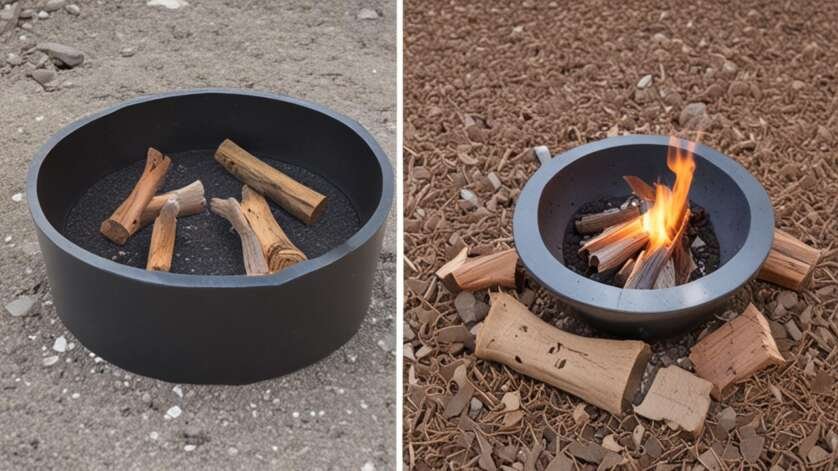
Many people believe wrong information about fire pits. These myths lead to early failure and unsafe conditions.
Myth: All fire pits are weatherproof
Fact: Most fire pits are not weatherproof. The box might say “weather-resistant,” but that just means it can handle a little rain. Leaving it out uncovered for weeks will always cause rust. The states that dry storage is the single most important factor in extending the life of a fire pit. You must store it in a shed or under a waterproof cover.
Myth: A small amount of rust is fine
Fact: Rust never stays small. It spreads rapidly once it takes hold. The metal flakes away and gets thinner. What starts as a small brown spot becomes a hole in a matter of weeks. High heat speeds up the reaction. You should treat rust the moment you see it.
Myth: You should just build a bigger fire to fix airflow
Fact: A bigger fire needs more oxygen. If the vents are blocked, adding more wood makes the problem worse. The fire will smoke heavily and produce more creosote. You must clean the vents first. Only then can you build a larger, hotter fire.
Proactive Maintenance Tips for Long Life
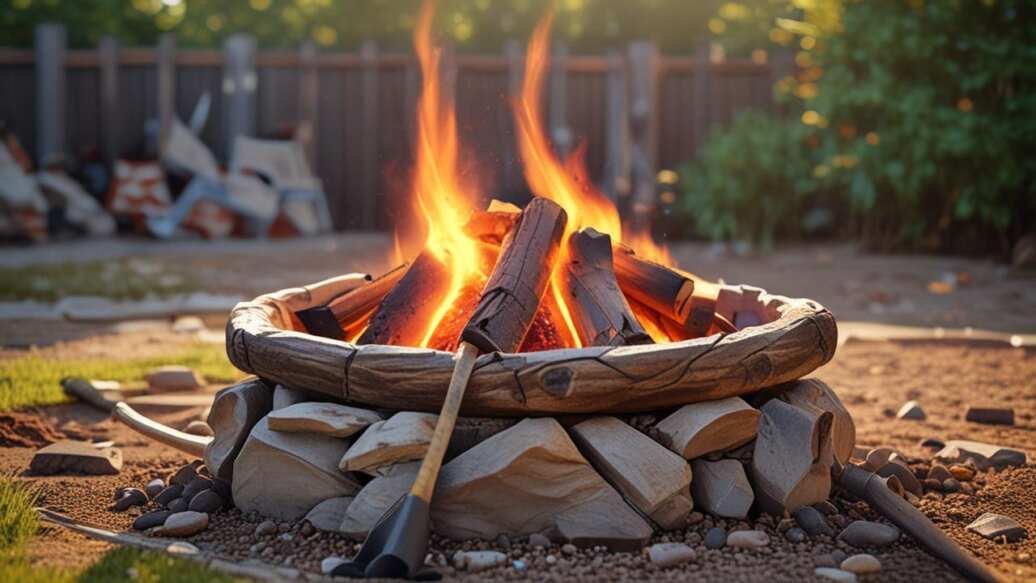
Your fire pit can last for years with the right care. You simply need to build good habits after each use. These tips keep the metal strong and the fire burning hot.
- Empty the ash after every fire. Ash is hygroscopic, meaning it absorbs moisture from the air. Wet ash sitting against metal accelerates rust. Let the ash cool overnight, then scoop it out into a metal bucket.
- Use a cover, but let it breathe. A tight-fitting cover traps moisture underneath. Look for a cover with ventilation holes or a breathable fabric. Alternatively, prop the cover up slightly with a stick to let air circulate.
- Store the fire pit off the ground. Place it on patio stones or bricks. This prevents water from pooling under the fire pit. It also stops the bottom from rusting out from contact with damp grass or soil.
- Use dry, seasoned wood. Wet wood produces more smoke, more creosote, and less heat. The recommends using wood with a moisture content of 20% or less. Dry wood burns cleaner and protects your fire pit from corrosive tar buildup.
- Inspect the fire pit once a month. Look for new rust spots, cracks in the welds, or clogged vents. Catching problems early makes them much easier to fix. A 5-minute inspection can save you from buying a new fire pit.
Frequently Asked Questions
Why does my fire pit bowl have holes in it after only a few months?
The most common cause is moisture combined with high heat. Water causes the metal to rust, and heat accelerates the oxidation process, thinning the steel until it burns through. Thin-gauge steel under 1/8 inch thick often fails this quickly without proper care and storage.
Can I use a rusty fire pit safely?
Surface rust is acceptable if the metal structure is still strong. You must remove the rust and repaint it with high-heat paint. If the rust has created holes or cracks in the welds, the fire pit is not safe to use and should be replaced immediately.
How often should I clean my wood-burning fire pit?
You should clean the ash out after every single use. You should do a deep cleaning of the bowl and air vents at least once a month during the burning season. A deep clean involves scrubbing the walls and checking for rust.
What is the best material for a long-lasting fire pit?
Heavy-gauge stainless steel is the best material for longevity. It resists rust much better than standard steel or cast iron. Look for a fire pit with walls that are at least 1/8 inch thick. Thicker metal holds up better against the repeated stress of high heat.
Does rain really ruin a fire pit if it is made of steel?
Yes, rain is a major threat to steel fire pits. Standard steel oxidizes quickly when exposed to water. Even stainless steel can rust if it gets wet and does not dry out properly. You should always cover your fire pit or store it in a dry place when not in use.
Final Thoughts
Your fire pit fails early because of moisture, clogged vents, and thin metal. A simple cover and regular cleaning after each use prevent most of these problems. Invest in a quality steel pit, store it dry, and keep the airflow open to enjoy many seasons of warm fires.