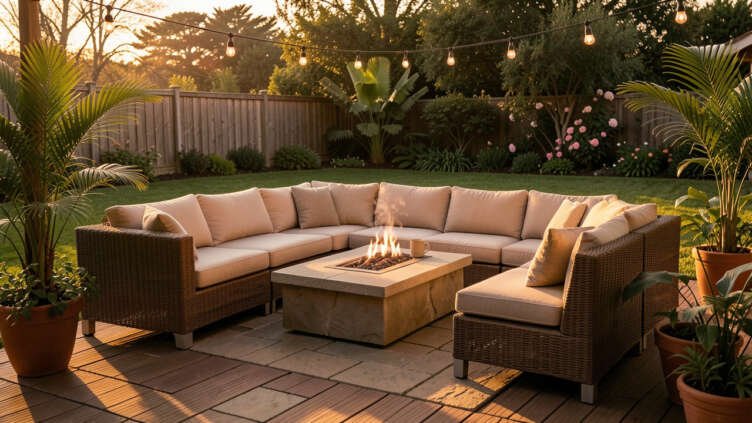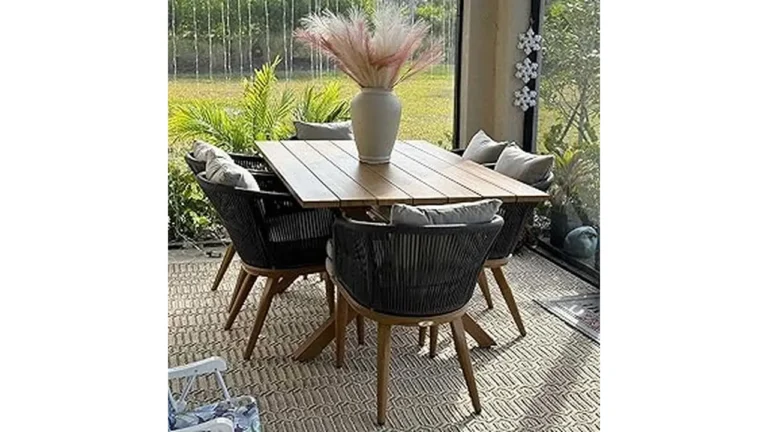
Never put a patio furniture set directly under a leaky gutter, in a low-lying area that collects water, against a south- or west-facing wall without shade, on bare ground without drainage, or within ten feet of a grill or fire pit. These five locations expose furniture to concentrated moisture, heat, and debris that accelerate damage and are not covered by warranties. Direct sunlight on a south-facing wall can raise metal surface temperatures above 140 degrees Fahrenheit, causing paint peeling, while water pooling leads to mildew growth within weeks and grease from grills stains porous materials.
Where you place your patio furniture set can determine its lifespan more than the price or material. This post reveals the specific locations that ruin outdoor furniture quickly and how to avoid them.
Quick Verdict: Never put a patio furniture set directly under a leaky gutter, in a low-lying area that collects water, against a south- or west-facing wall without shade, on bare ground without drainage, or within 10 feet of a grill or fire pit. These five locations expose furniture to concentrated moisture, heat, and debris that no warranty covers.
Key Takeaways:
- Direct sunlight on a south-facing wall can raise surface temperatures of metal furniture above 140 degrees Fahrenheit, which accelerates paint peeling and UV damage.
- Water pooling from downspouts and sprinklers causes mildew growth on cushions within two to three weeks during humid months.
- Placing furniture near a grill exposes it to grease splatter that attracts insects and stains porous materials like wood and wicker.
- Untreated ground contact leads to rust on steel bases and mold on aluminum frames within a single rainy season.
- Wind tunnels between buildings can topple lightweight sets, causing frame cracks that are not covered by most manufacturers.
The Five Worst Locations for Your Patio Furniture Set
Each of these spots attacks your furniture in a different way. Some cause physical damage, others promote biological growth, and a few void your warranty. Below is a comparison of the primary risks.
| Location | Primary Threat | Damage Type | How Fast It Happens |
|---|---|---|---|
| Under leaky gutters or downspouts | Constant moisture | Mildew, rust, wood rot | 2-4 weeks in humid weather |
| Against a south- or west-facing wall | Intense reflected heat + UV | Fading, cracking, peeling paint | 1-2 summers |
| Low-lying areas with poor drainage | Water pooling after rain | Rust, warping, cushion mold | After first heavy rain |
| Within 10 feet of a grill or fire pit | Grease, smoke, heat exposure | Staining, odor, fabric degradation | 3-5 cookouts |
| Open wind tunnel between buildings | High wind speeds | Tipping, frame cracks, glass breakage | First strong gust |
Place #1 – Under a Leaky Gutter or Downspout
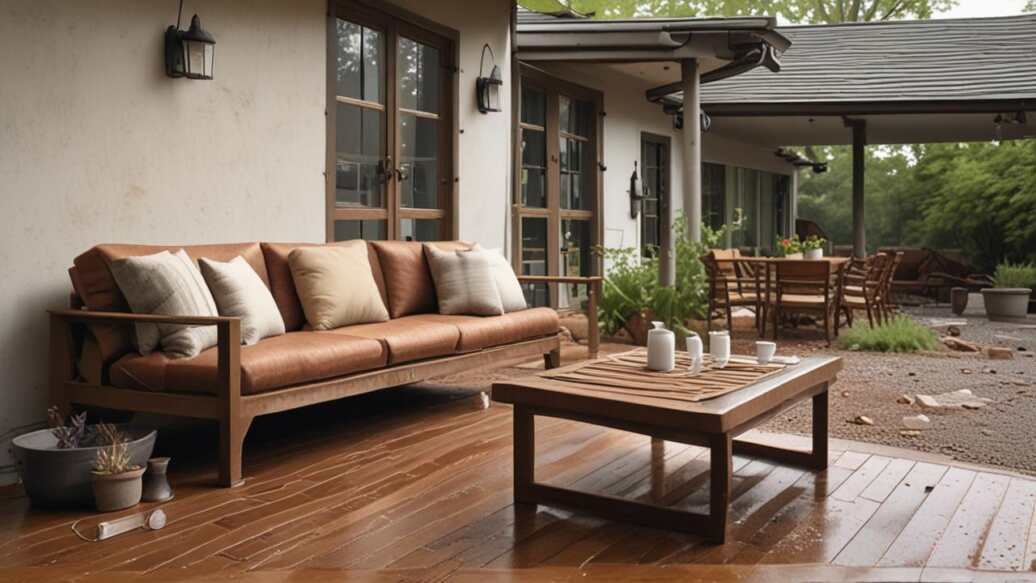
This is the most common mistake homeowners make. They think the gutter only drips during rain, so they park the furniture there when dry. But even a small leak from a clogged downspout creates a steady stream of water.
Why It Destroys Furniture So Fast
Water that drips from a height of eight to ten feet hits the same spot on your patio furniture set with enough force to drive moisture into seams and crevices. According to a study by the, outdoor furniture subjected to repeated wetting and drying cycles loses up to 40 percent of its structural integrity in the first year. Cushions made of polyester or solution-dyed acrylic can develop mildew within two weeks if they stay damp.
- Wood frames (teak, eucalyptus, cedar) absorb water and begin to rot from the inside out.
- Aluminum frames corrode when standing water traps dirt and minerals against the metal surface.
- Steel frames rust rapidly because the protective powder coating chips under constant drip impact.
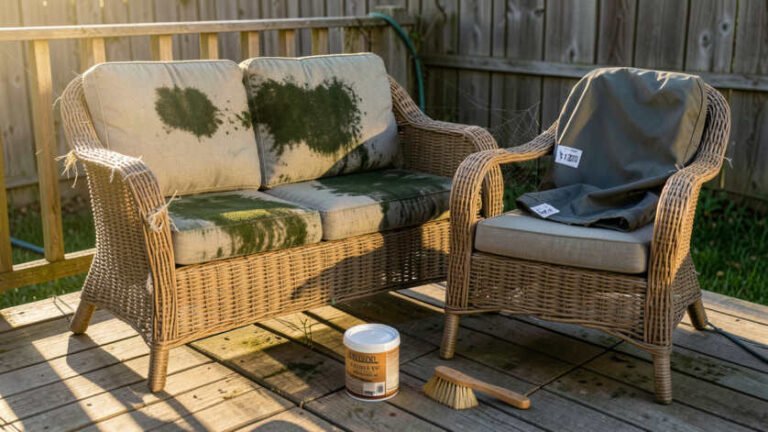
- Wicker and resin weaves trap moisture between strands, leading to black mold growth.
Warning: Even covered furniture suffers under a leaky gutter. A waterproof cover actually traps the moisture inside, creating a greenhouse effect that accelerates mold growth on cushions.
How to Check for Hidden Leaks
Go outside during a light rain. Look for spots where water drips more than a foot away from the downspout elbow. Also check after a heavy storm for puddles that form more than 24 hours later. If you find any damp area, move the furniture at least four feet to the side.
Place #2 – Against a South- or West-Facing Wall
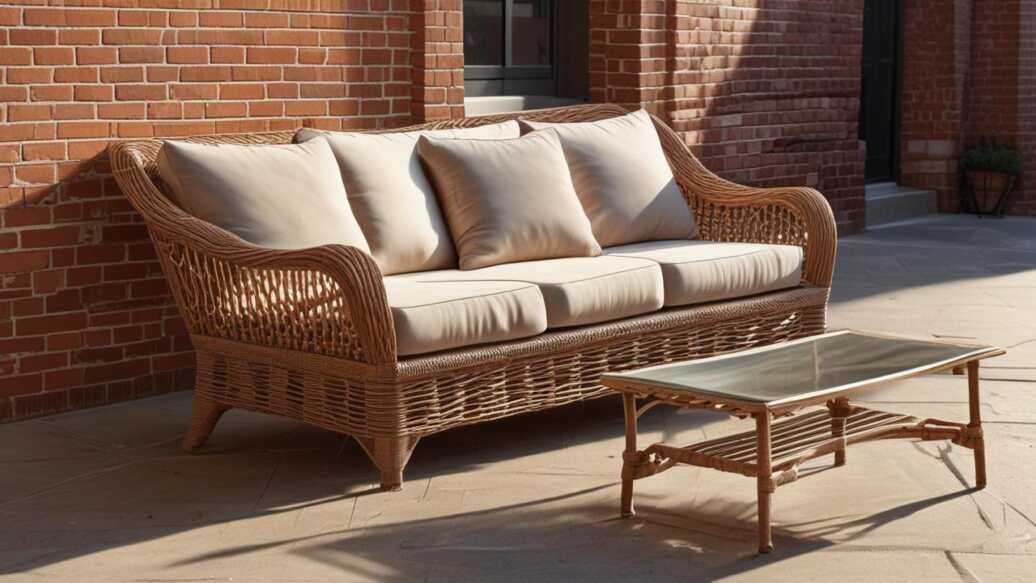
Walls soak up heat all day and radiate it back onto your furniture. A south-facing brick wall can reach 140 degrees Fahrenheit on a 90-degree day. That extra heat combined with direct sunlight destroys most materials over time.
The Double Heat Problem
The wall acts like a giant radiator. Your patio furniture set receives both direct solar radiation and reflected thermal radiation from the wall surface. This double dose raises the temperature of dark metal frames past 150 degrees, softening the powder coating. According to, a premium outdoor furniture brand, continuous exposure to temperatures above 130 degrees will cause the powder coating to peel within a single season.
- Plastic and resin furniture warps or becomes brittle. The polymers break down faster under intense heat.
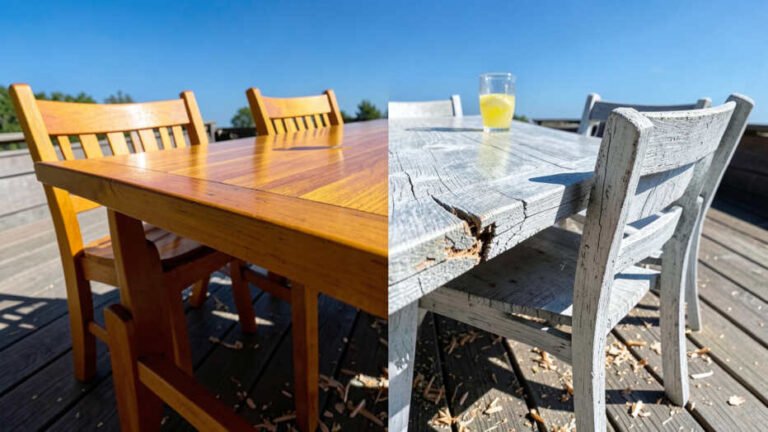
- Wood furniture like teak loses its natural oils faster, turning gray in weeks instead of months.
- Fabric cushions fade unevenly. The side facing the wall fades slower than the side facing the sun, creating a two-tone look.
- Metal frames (especially steel) expand and contract more dramatically, which cracks welds at the joints.
Tip: If you must place furniture near a wall, choose a north-facing or east-facing wall. These walls get less direct sun and stay cooler throughout the day.
How Far Should You Keep Furniture From a Hot Wall?
A minimum of three feet is standard. For dark brick or stucco walls that absorb more heat, keep at least five feet of clearance. You can test the heat by holding your hand six inches from the wall at 2 p.m. on a sunny day. If it feels uncomfortably hot, your furniture is too close.
Place #3 – Low-Lying Areas That Collect Water
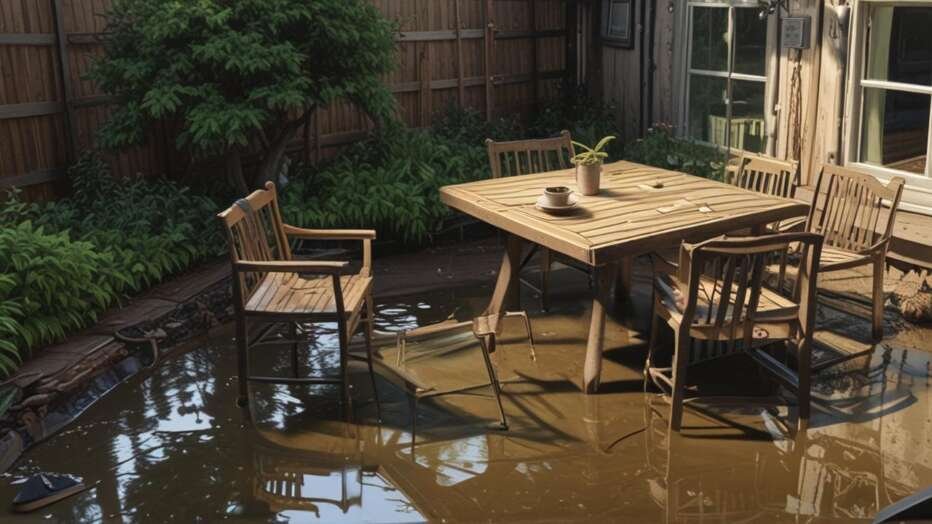
Natural dips in your yard that hold water after a rain are death traps for outdoor furniture. Water pools around the legs, sits against the frame, and seeps into cushions that rest on the ground.
Why Low Spots Are Worse Than You Think
Standing water does more than cause rust. It breeds bacteria and fungus that attack the fabric, foam, and frame. According to the, outdoor furniture cushions left in standing water for 72 hours can develop mold that poses health risks to people with allergies or asthma.
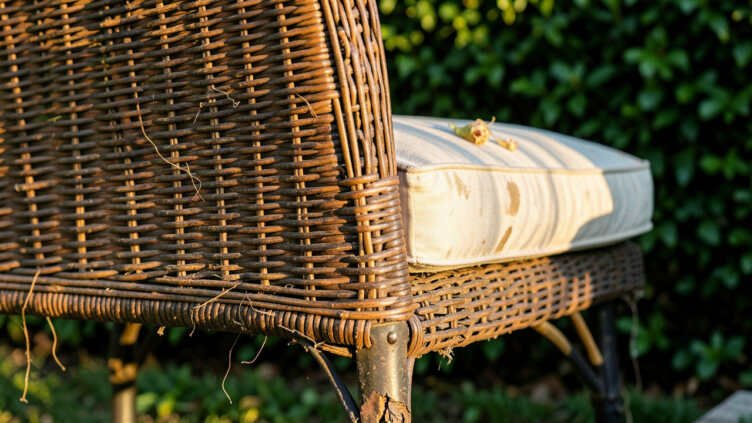
- Steel and iron legs rust from the bottom up, often hidden by the cushion until the leg snaps.
- Aluminum legs develop pitting corrosion when minerals in standing water cling to the metal.
- Wood legs absorb water through end grains, causing splitting and rot within weeks.
- Fabric-covered foam cushions absorb water like a sponge and may never fully dry, leading to permanent structural damage.
How to Spot a Low-Lying Area
Walk your yard after a heavy rainfall. Mark any spot where water collects in a puddle that does not drain within six hours. Also watch for areas where grass grows more slowly or looks darker green – that signals excess moisture below the surface. Move your furniture to the highest, best-draining part of the lawn.

Place #4 – Within 10 Feet of a Grill or Fire Pit
Grills and fire pits emit intense heat, smoke, and grease particles. Even a casual barbecue can coat your furniture in a film that attracts dirt and insects. The heat itself warps plastic components and weakens fabric fibers.
The Grease Problem
Grease from cooking meat travels through the air as microscopic droplets. These droplets land on your patio furniture set and stick to surfaces. According to the outdoor furniture buying guide, grease stains are one of the top reasons customers return cushions within three months. The grease cannot be washed out of foam because it penetrates the cell structure.
Warning: Fire pits placed on a deck can melt the plastic feet of furniture within inches of the flames. Even powder-coated metal frames can discolor from radiant heat if the fire pit is closer than six feet.
How Far Is Safe?
For gas grills, keep furniture at least 10 feet away. For charcoal grills and fire pits, extend that to 15 feet. Also consider wind direction. On breezy days, smoke and grease can drift 25 feet or more. If you smell smoke on your cushions after cooking, you are too close.
- Move furniture away from the grill area entirely when cooking.
- Wipe down cushions with a damp cloth after each use if they were within 15 feet.
- Store cushions in a sealed bin or indoors when not in use.

Place #5 – Wind Tunnel Between Buildings
If your yard is between two structures, a fence and a house, or two walls, that narrow gap creates a wind tunnel. Air speeds can double or triple compared to open areas, turning a light breeze into a gale that knocks over your furniture.
Why Wind Tunnels Are Dangerous
Lightweight patio furniture sets made of aluminum or resin can slide or tip over in winds as low as 20 miles per hour. A toppled chair often lands on a glass tabletop, shattering it. According to, a leading manufacturer of outdoor furniture, frames that hit concrete or stone from a fall can develop hairline cracks that are not covered under warranty because impact damage is excluded.
- Umbrellas act as sails, pulling the entire set into the wind.
- Glass table tops break easily when the metal frame tips.
- Wicker and resin chairs blow across the yard, scratching stones and denting frames.
- Stackable chairs pile up against each other, causing scratches and stress fractures.
How to Test for Wind Tunnel Effect
Stand in the area on a moderately windy day. Hold a lightweight fabric strip at arm’s length. If the fabric flutters constantly or stands straight out, the wind speed is too high for most furniture. Move the set to a more sheltered location, or use heavy concrete pavers under the legs to add weight.
Common Myths vs Facts About Patio Furniture Placement
Many homeowners believe myths that lead to furniture damage. Here are three of the most common misunderstandings.
Myth 1: All-Weather Furniture Is Indestructible
Fact: No furniture is truly indestructible. Even marine-grade materials degrade under constant direct sun, standing water, and heat. According to, a sun-protective fabric manufacturer, UV rays break down the fibers in solution-dyed acrylic over time, reducing tear strength by up to 30 percent after five years of full-sun exposure.
Myth 2: Furniture Covers Protect Against Everything
Fact: Covers trap moisture and heat just as often as they block them. If a cover is not breathable, condensation builds up underneath, creating a perfect environment for mold and mildew. Use only covers labeled as breathable and always let furniture dry completely before covering.
Myth 3: You Can Put Furniture on Grass With No Problem
Fact: Grass retains moisture against the legs and frames, accelerating rust and rot. It also allows insects and slugs to climb onto the furniture. Place furniture on pavers, decking, or gravel to keep it off the ground.
Frequently Asked Questions
What is the best location for a patio furniture set?
The best location is a flat, dry area with partial shade and good airflow. Under a covered porch or gazebo offers protection from rain and direct sun while still allowing air circulation. Pavers or a deck keep the furniture off damp ground.
How often should I move my patio furniture to prevent damage?
Move your furniture at least once a year, preferably before the start of each season. Rotating it helps distribute UV and moisture exposure evenly. During extreme weather like heavy rain or hail, move it under cover temporarily.
Can I leave patio furniture on a balcony?
Yes, but a balcony can create a wind tunnel effect if it is enclosed on three sides. Use weighted furniture and avoid placing items directly against balcony railings where they catch wind. Also ensure the balcony drains well – standing water from rain can puddle around legs.
Does placing furniture on concrete help it last longer?
Concrete is better than grass, but it can still cause problems. Concrete retains heat, which can crack the powder coating on metal frames. Use rubber or plastic feet glides to lift the frame off the concrete surface. This prevents heat transfer and moisture wicking.
Should I store cushions inside during winter?
Yes. Even if the cushions claim to be weather-resistant, storing them inside a dry garage or basement during winter doubles their lifespan. Cold temperatures and freeze-thaw cycles break down the foam and fabric fibers.
Final Thoughts
Where you place your patio furniture set matters more than the brand or material you buy. Keep it away from downhill drips, reflected heat from walls, low-lying puddles, grease from grills, and wind tunnels between structures. A few simple placement adjustments can add years to your furniture’s life. Choose the spot wisely and your patio set will stay looking good for many seasons.