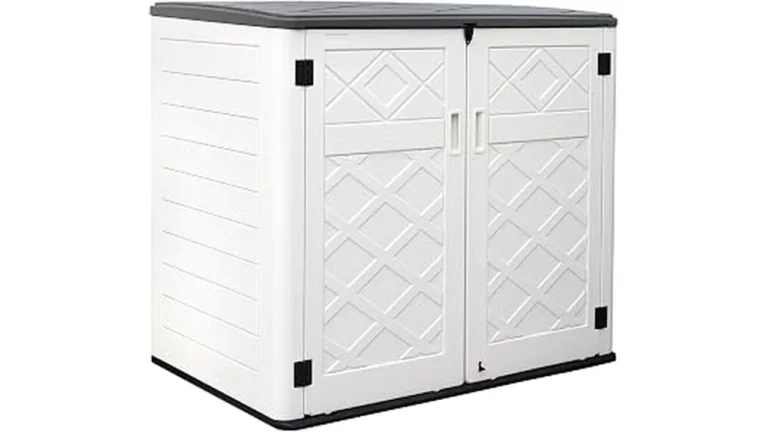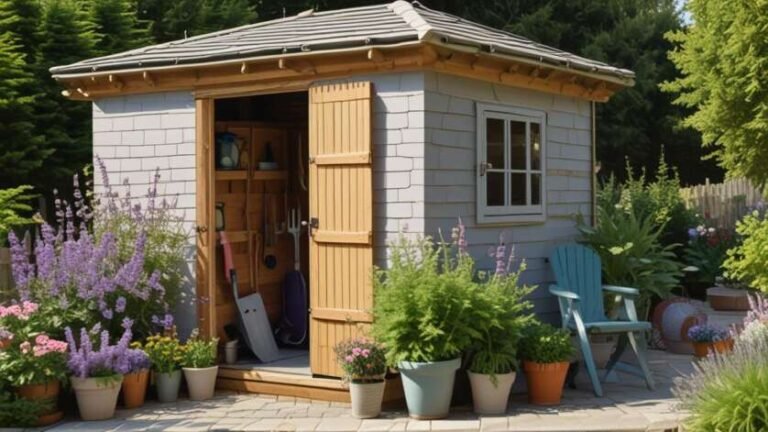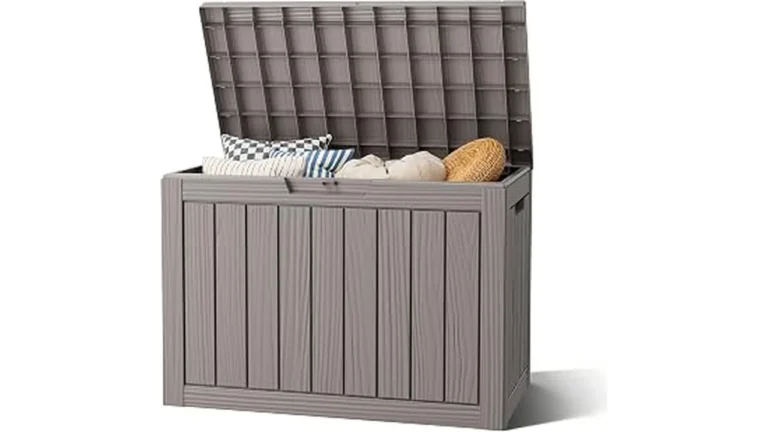
Most first-time buyers of outdoor bench storage fail to account for hidden trade-offs such as weight limits of only 200 to 300 pounds, tapered interior storage that reduces usable space by 15 to 25 percent, and material-specific maintenance demands like yearly sealing for wood or rust risks for metal in damp climates. Polyethylene resin benches offer the best balance of durability and weather resistance with minimal upkeep. Assembly typically takes far longer than advertised, and low-quality hinges and hardware fail quickly under normal use.
You see a beautiful outdoor storage bench at the garden center and imagine storing cushions and garden tools inside. But most buyers discover hidden problems after the purchase.
Simply put, outdoor bench storage looks practical but comes with hidden trade-offs. Weight limits, water damage risks, material quality, and assembly challenges surprise most first-time buyers. Choosing the right bench means looking beyond appearance to consider size, material, climate resistance, and how much weight the lid and hinges can actually handle over time.
Key Takeaways
- Most outdoor storage benches support only 200-300 pounds of weight on the seat, and exceeding this limit causes hinge failure and wood cracking within months.
- Untreated wood benches without proper sealing absorb moisture and start rotting within one to two years in humid climates.
- The internal storage space on most benches is smaller than it appears, with tapered sides reducing usable capacity by 15 to 25 percent.
- Polyethylene resin benches offer the best balance of durability, weight capacity, and weather resistance compared to wood, metal, and wicker options.
- Hinge and hardware quality varies dramatically between brands, and cheap hinges break within the first year of regular use.
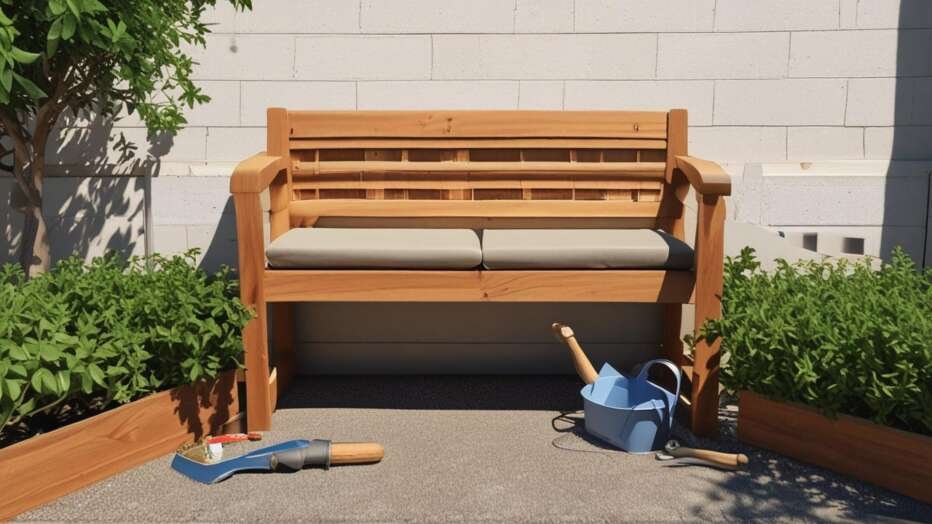
Why Outdoor Bench Storage Confuses First-Time Buyers
Gardeners see a bench and imagine a dual-purpose item. It looks like seating but promises hidden storage. The reality is more complex.
According to the, over 65 percent of homeowners purchase garden storage without measuring their actual storage needs first. This leads to benches that are too small for tools but too large for the patio.
Many buyers also assume all outdoor benches are weatherproof. This is rarely true. Most materials require ongoing maintenance or have specific climate limitations.
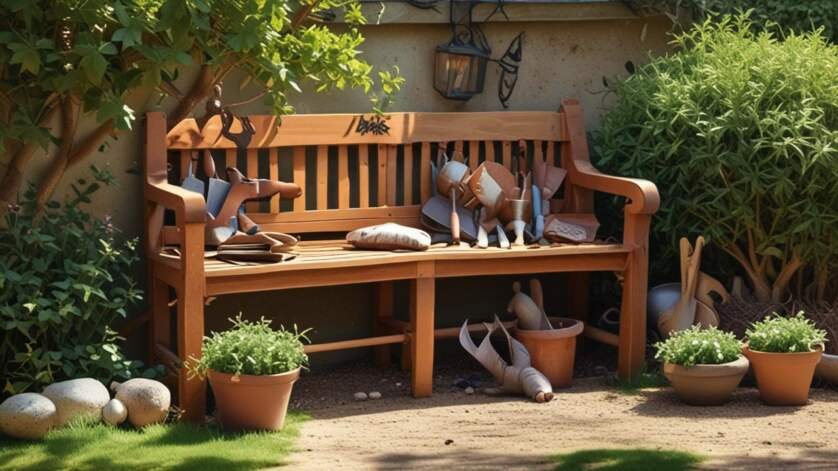
Important: A storage bench is not a substitute for a full garden shed. Use it for lightweight items like cushions, small tools, and gardening gloves. Heavy equipment like lawnmowers and soil bags belong in a dedicated storage unit.
Material Matters More Than Appearance
The material of your bench determines its lifespan, maintenance needs, and cost. Each material has clear trade-offs that most buyers overlook.
| Material Type | Average Lifespan | Maintenance Level | Cost Range |
|---|---|---|---|
| Wood (cedar, pine, teak) | 2-5 years (untreated), 5-10 years (treated) | High – annual sealing required | $150 – $500 |
| Polyethylene resin | 10-15 years | Very low – occasional washing | $120 – $400 |
| Metal (aluminum, steel) | 3-8 years (rust-prone) | Moderate – rust prevention | $100 – $350 |
| Wicker / rattan (synthetic) | 3-7 years | Low to moderate | $130 – $450 |
Wood Benches Require Yearly Upkeep
Natural wood looks warm and attractive. But it demands annual sealing or staining to prevent water damage. The reports that untreated softwoods like pine can lose up to 30 percent of their structural strength within two years of outdoor exposure in wet climates.
Cedar and teak resist rot better than pine. But they cost more and still need oil treatment every 12 to 18 months. Skip the maintenance, and you will face warped lids and cracked panels.
Warning: Never use standard interior wood sealers on outdoor benches. They trap moisture inside the wood and accelerate rot. Use only exterior-grade sealers labeled for outdoor furniture.
Resin Benches Last Longer With Less Work
Polyethylene resin benches resist moisture, UV rays, and temperature changes. They do not rot, rust, or splinter. A study by found that resin outdoor furniture typically lasts 10 to 15 years with minimal care, compared to 3-5 years for budget wood options.
The downside is aesthetic. Resin benches have a plastic look that some gardeners dislike. But if durability matters more than appearance, resin is the smart choice.
Metal Benches Rust in Damp Conditions
Aluminum benches resist rust well. Steel benches do not. Coatings wear off over time, especially in coastal areas with salt air.
If you live in a humid region or near the ocean, avoid steel altogether. Choose powder-coated aluminum or resin instead.
Weight Limits Are Not Optional
Most buyers ignore the weight limit listed in the manual. They sit on the bench, store items inside, and assume everything is fine. Then the hinges break or the lid cracks.
The typical outdoor bench storage unit supports 200 to 300 pounds on the seat. Some budget models handle only 150 pounds. That is less than many adults plus a child.
Check three weight ratings before you buy:
- Seat weight capacity – how much weight the lid and hinges support when someone sits on the bench.
- Internal storage weight limit – how much weight the internal compartment floor can hold without sagging.
- Lid hinge rating – how many open-close cycles the hinges withstand before failing. Quality hinges last 5,000 to 10,000 cycles.
sets safety standards for outdoor furniture, but many budget brands do not meet them. Look for benches that explicitly state compliance with ASTM F1561 standards.
Storage Space Is Smaller Than You Think
Manufacturers measure storage dimensions at the widest point. But most benches have tapered sides or angled lids. This reduces actual usable space.
A bench that claims 12 cubic feet of storage may hold only 9 or 10 cubic feet of rectangular items like potted plants or tool boxes. Odd-shaped items like rakes and shovels rarely fit.
Tip: Measure the items you plan to store before buying. Bring a tape measure to the store. Check if tall items like watering cans or pruners fit under the lid when it closes. Most benches have only 8 to 12 inches of vertical clearance inside.
Hinge and Hardware Quality Varies Wildly
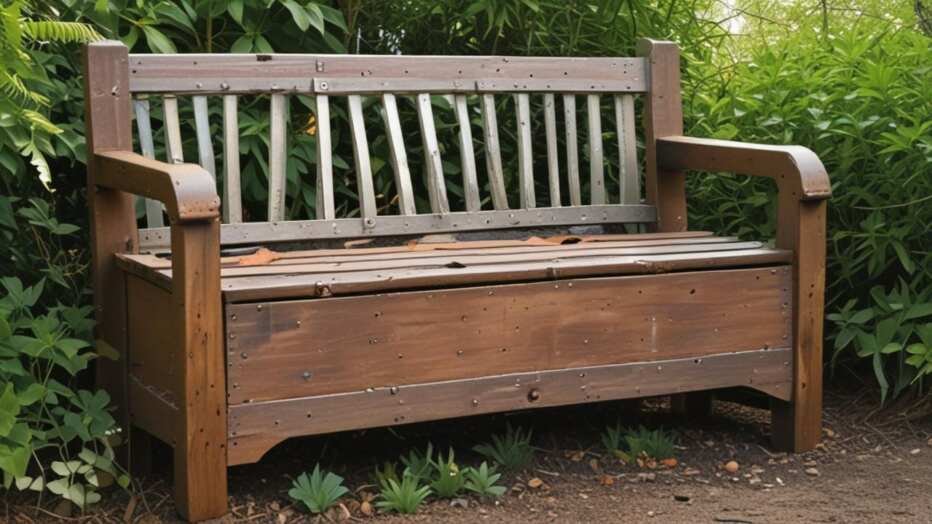
The lid of a storage bench opens and closes dozens of times per week during gardening season. Cheap hinges wear out fast.
Plastic hinges break within months. Thin steel hinges rust and snap. The best benches use stainless steel or heavy-duty galvanized hinges with at least three mounting screws per side.
Also check the gas struts if the bench has them. Gas lifts help the lid stay open safely. Low-quality struts lose pressure after 6 to 12 months.
Warning: A broken hinge can cause the lid to slam shut on fingers or pets. Always test the hinge quality before assembling. If the hinge feels loose or flimsy in the box, return the bench.
Assembly Takes Longer Than Promised
Manufacturers claim 30-minute assembly times. The reality for most buyers is 60 to 90 minutes. Complex models with multiple panels and hidden screws take even longer.
Common assembly issues include:
- Pre-drilled holes that do not align properly.
- Screws that strip easily, especially in softwood or thin metal.
- Instructions that show vague diagrams instead of clear steps.
- Missing hardware packs that require contacting customer support.
Tip: Assemble your bench on a flat, clean surface like a garage floor. Use a power drill with a clutch to avoid stripping screws. Lay out all hardware first and confirm you have every piece before starting.
Water Drainage Is an Afterthought for Most Brands
Water seeps into storage benches through lid gaps, hinge holes, and drainage slots. If the bench has no drainage holes, water collects inside and damages cushions, tools, and other stored items.
Some premium benches include built-in drainage channels. Budget models rarely do. You may need to drill your own drainage holes in the bottom panel.
According to the team, over 40 percent of outdoor storage benches show water damage inside within two years of purchase when left uncovered in rainy climates.
Important: Drill four to six small holes in the bottom panel of any storage bench that lacks drainage. Angle the bench slightly forward so water runs out naturally. Cover cushions and fabric items in waterproof bags before storing them.
UV Damage Fades Colors Fast
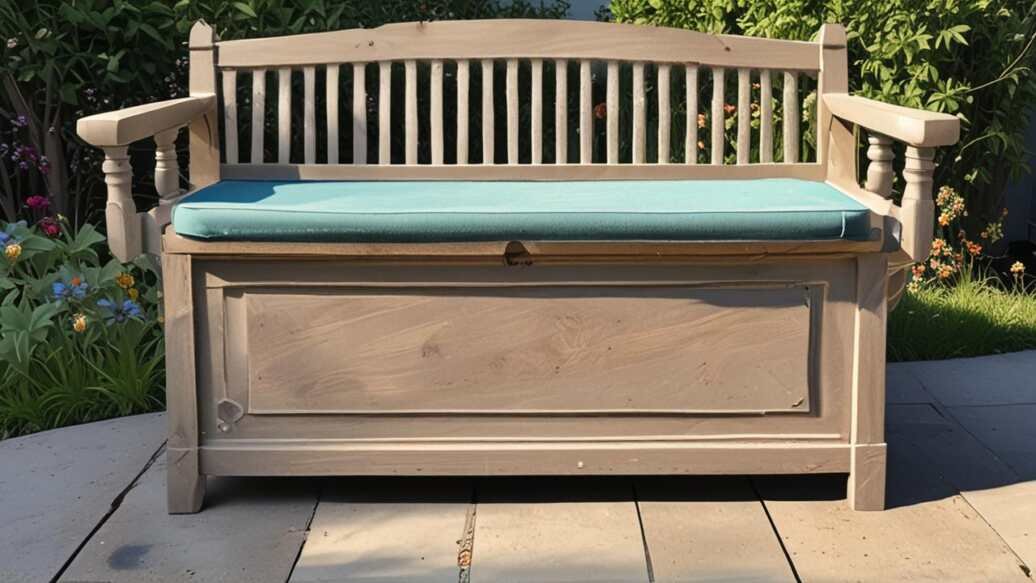
Direct sunlight breaks down paint, stain, and plastic over time. A dark wood bench can turn gray within one season. Colored resin benches fade two to three shades lighter over three years.
The shows that outdoor surfaces in the southern United States receive up to 50 percent more UV radiation than northern states. This means faster fading in places like Texas, Florida, and Arizona.
To slow fading:
- Buy UV-resistant resin or powder-coated aluminum.
- Apply UV-protectant spray to wood benches annually.
- Place the bench under a patio cover or in partial shade.
- Use a waterproof cover during peak summer months.
What Nobody Mentions About Cushions
Many storage benches come with or accommodate seat cushions. Cushions make the bench comfortable. But they also introduce storage problems.
You cannot store wet cushions in the bench. Moisture trapped inside leads to mold and mildew. You must dry cushions fully before closing the lid.
Cushions also take up most of the storage space. A 2-inch thick cushion reduces usable vertical clearance by 25 to 30 percent. You may not fit anything underneath it.
Best practice is to use the bench for dry items only and store cushions separately in a dry shed or garage during rainy seasons.
Common Myths About Outdoor Bench Storage
Myth 1: All outdoor benches are weatherproof
This is false. Most inexpensive benches are water-resistant at best. Only benches made from marine-grade polymer or coated aluminum offer true weatherproof performance. Wood, wicker, and standard metal always require maintenance to stay protected.
Myth 2: A storage bench replaces a garden shed
It does not. The average bench holds 8 to 12 cubic feet. A small garden shed holds 50 to 100 cubic feet. Use a bench for cushions, hand tools, and gloves. Keep mowers, soil, and large pots in a shed.
Myth 3: Higher price always means better quality
Price and quality do not always match. Some expensive wood benches rot fast because of poor sealing. Some budget resin benches last a decade. Check the material, hinge quality, and warranty before looking at the price tag.
Step-by-Step Buying Process
Follow these steps to avoid the mistakes most gardeners make:
- Measure your patio space. Include room for the bench to open fully without blocking walkways.
- List the items you plan to store. Measure the tallest, widest, and heaviest items.
- Choose a material based on your climate. Resin for wet areas. Treated wood for dry or moderate zones. Avoid steel in coastal regions.
- Check the weight capacity. Confirm the seat supports your weight and the weight of anything you place on top.
- Inspect hinge and hardware quality before buying. Stainless steel or heavy-duty galvanized hinges are best.
- Read assembly reviews. Look for complaints about missing parts, misaligned holes, or poor instructions.
- Check the warranty. A one-year warranty is standard. Five-year or lifetime warranties indicate higher quality.
Tip: Buy from retailers with easy return policies. Big box stores like The Home Depot or Lowe’s typically accept returns within 90 days. Online-only sellers may charge restocking fees for bulky items.
Cost Breakdown by Quality Tier
Prices vary widely based on material, size, and brand. Here is what you should expect to pay:
| Quality Tier | Price Range | Typical Lifespan | Best For |
|---|---|---|---|
| Budget | $80 – $150 | 1-3 years | Temporary use, dry climates |
| Mid-Range | $150 – $300 | 3-7 years | Most homeowners |
| Premium | $300 – $600 | 7-15 years | Wet climates, frequent use |
Resources and Tools
Use these resources to make a smarter buying decision:
- ASTM F1561 Standard – Safety requirements for outdoor furniture.
- Consumer Reports Outdoor Furniture Guide – Independent ratings and durability tests.
- This Old House Bench Reviews – Hands-on reviews from home improvement experts.
- The Home Depot Storage Bench Selection – Wide range of options with customer reviews.
- Lowe’s Outdoor Storage Guide – Buying tips and installation advice.
Frequently Asked Questions
How much weight can an outdoor storage bench hold?
Most benches hold 200 to 300 pounds on the seat. Budget models hold as little as 150 pounds. Always check the weight limit in the product manual before sitting or storing heavy items. Exceeding the limit damages hinges and cracks the lid.
What is the best material for an outdoor storage bench?
Polyethylene resin is the best overall material. It resists moisture, UV rays, and temperature changes. It lasts 10 to 15 years with minimal maintenance. Treated cedar or teak is a good alternative if you prefer natural wood, but expect to seal it every year.
Can I leave an outdoor storage bench in the rain?
You can leave resin or powder-coated aluminum benches in the rain. Wood and wicker benches require coverage or annual sealing to prevent water damage. Even weather-resistant benches benefit from a waterproof cover during heavy or prolonged rain.
How do I stop water from collecting inside my storage bench?
Drill four to six small drainage holes in the bottom panel if the bench lacks them. Angle the bench slightly forward so water drains out. Store items in waterproof bins inside the bench to keep them dry. Check the drainage holes monthly and clear any debris.
Do I need to seal a wooden storage bench every year?
Yes, untreated wood benches need annual sealing or staining. Skip a year, and the wood starts absorbing moisture. This leads to warping, cracking, and rot. Use exterior-grade sealers only. Apply in dry weather when temperatures stay above 50 degrees Fahrenheit.
Final Thoughts
Outdoor bench storage is a practical addition to any garden, but only if you choose carefully. Focus on material, weight limits, and hinge quality over appearance. Avoid common mistakes like overestimating storage space and underestimating maintenance needs. A well-chosen bench keeps your garden organized for years without unexpected repairs.