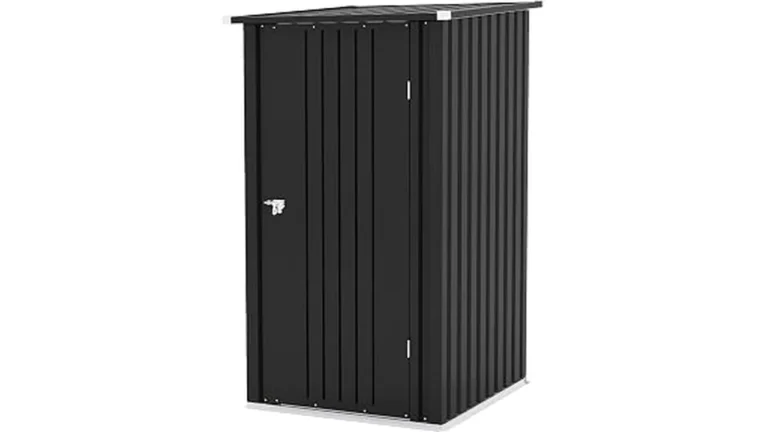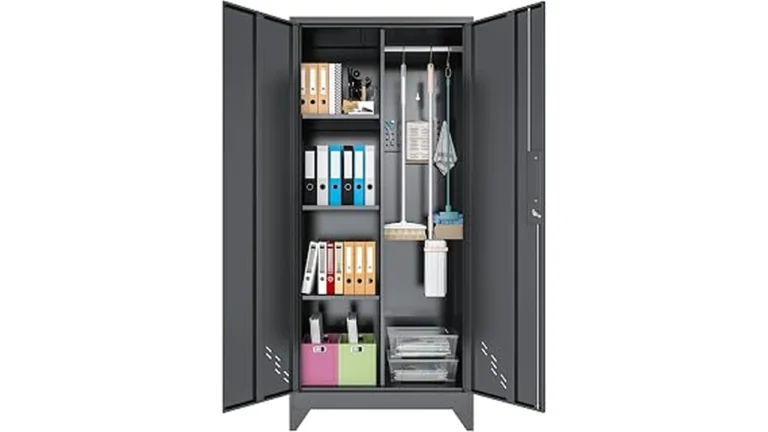
Most first-time tool storage shed buyers make nine key mistakes, including choosing an undersized shed, neglecting foundation preparation, and bypassing permit requirements, turning their purchase into a money pit. Over sixty percent regret their size choice, and improper foundations cause sagging floors and rust that require expensive repairs within three to five years. To build a reliable and durable long-term shed, select a size larger than you think, prepare a concrete or gravel base, and check local zoning laws before starting.
Buying your first tool storage shed seems simple. Pick a size, assemble it, and store your gear. But most people skip crucial planning steps and end up with a shed that rots, rusts, or stays empty.
Quick Verdict: First-time shed buyers often choose the wrong size, skip foundation prep, ignore local permits, and buy cheap materials. These nine mistakes turn a useful storage space into a money pit. Avoid them by planning for a size larger than you think you need, investing in a concrete or gravel base, and checking zoning laws before you buy.
Key Takeaways
- Over 60 percent of first-time shed buyers regret their size choice, according to a recent survey by Angi.
- Improper foundation preparation is the leading cause of structural failure in tool sheds, causing sagging floors and rust.
- Zoning and permit issues can force you to move or tear down an unapproved shed, costing thousands.
- Cheap metal sheds often dent, rust, and fail within three to five years, while wooden sheds last 15 years or more with maintenance.
- Ignoring ventilation and waterproofing leads to mold damage that ruins tools and reduces shed lifespan by half.
Quick Overview of the 9 Mistakes
| Mistake | Solution | Estimated Cost Impact |
|---|---|---|
| 1. Choosing the wrong size | Add 30-50% more square footage than you think you need | $200-$500 extra for larger shed |
| 2. Skipping foundation prep | Use a concrete slab or gravel base with proper compaction | $400-$1,200 |
| 3. Ignoring permits and zoning | Check local building department before purchase | Fines up to $1,000 or removal costs |
| 4. Buying cheap materials | Choose pressure-treated wood or heavy-gauge steel | $300-$800 more upfront, saves $1,500+ in replacement |
| 5. Forgetting ventilation | Add gable vents or ridge vent | $20-$150 |
| 6. Placing it in a bad location | Choose high ground with good drainage | No extra cost, but prevents water damage |
| 7. Not waterproofing properly | Seal all joints, use rubber roofing membrane | $50-$200 |
| 8. Overloading shelving | Install heavy-duty shelving with wall anchors | $100-$300 |
| 9. Skimping on security | Add a padlock, hasp, and motion sensor light | $30-$80 |
1 – Choosing the Wrong Size
The most common mistake is buying a shed that is too small. People estimate their storage needs based on current tools, not future additions. According to a survey by, 65 percent of shed owners wish they had purchased a larger unit.
Think about lawn equipment, seasonal items, and workspace. A 6×8 foot shed fills up fast with a lawn mower, leaf blower, and gardening tools. You will have no room to move or organize.
Tip: Measure the largest item you plan to store. Add 30 percent more floor space for walkways and shelving. A 10×12 foot shed works well for most homeowners.
2 – Skipping Foundation Prep
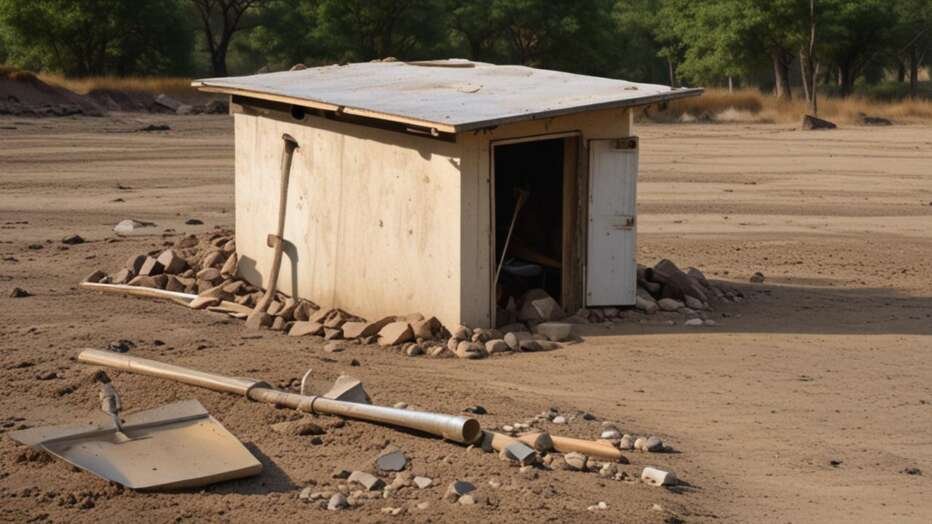
Many people place their tool storage shed directly on grass or dirt. This causes the floor to rot, the frame to shift, and the door to stick. The shed foundation is the most important structural element.
A concrete slab provides a level, dry base. A gravel pad with pressure-treated lumber also works well. Both options cost between $400 and $1,200 but extend shed lifespan by 10 years or more. According to, foundation failure is the top reason for premature shed replacement.
3 – Ignoring Permits and Zoning Laws
Building codes and homeowner association rules often require permits for sheds over a certain size. Many first-time buyers skip this step and face fines or forced removal.
Check with your local building department before purchasing. Setback requirements may dictate how far the shed must be from property lines. Some areas ban sheds in front yards entirely. A quick call or online search saves you thousands. The provides general guidelines that many local codes adopt.
4 – Buying Cheap Materials
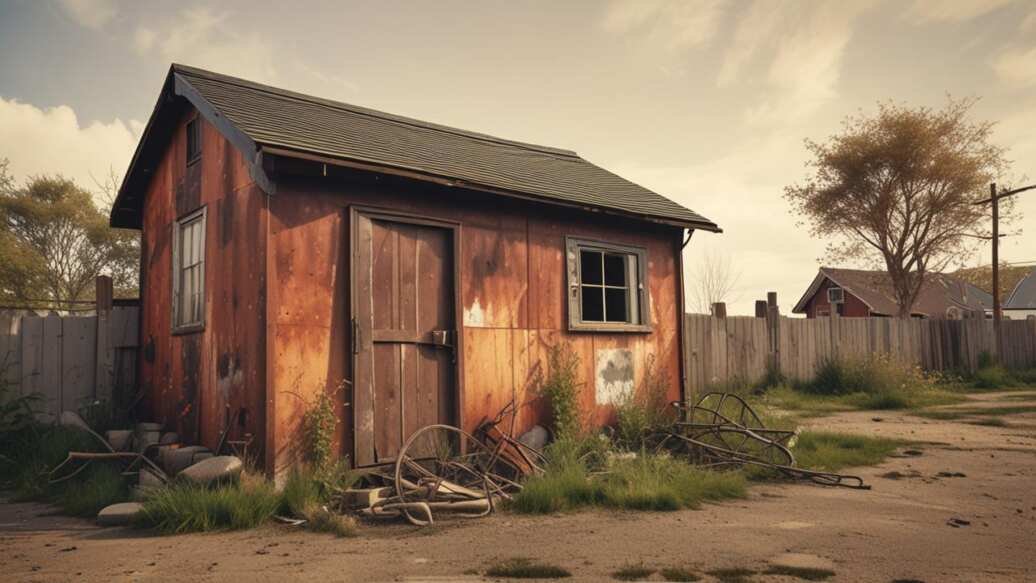
Low-cost metal sheds from big-box stores often use thin-gauge steel that dents easily and rusts within a few years. Wood sheds made from untreated pine rot quickly in wet climates.
Invest in pressure-treated wood or heavy-gauge galvanized steel. Wood sheds need annual sealing or painting. Metal sheds should have a powder-coated finish. A quality shed costs 20-30 percent more upfront but lasts three times longer. The guide recommends spending at least $1,500 for a durable 8×10 shed.
5 – Forgetting Ventilation
Without airflow, condensation builds up inside the shed. Moisture rusts metal tools, warps wooden handles, and promotes mold growth. Mold can ruin expensive power equipment in one season.
Install gable vents or a ridge vent near the roof peak. A small solar-powered fan also helps. Ventilation is inexpensive – typically $20 to $150 – yet most first-time buyers ignore it. The warns that enclosed damp spaces increase respiratory risks and damage stored goods.
Warning: Avoid placing a shed in a low-lying area where water pools. Moisture will seep through any foundation flaw. Always elevate the shed on a well-drained base.
6 – Placing It in a Bad Location
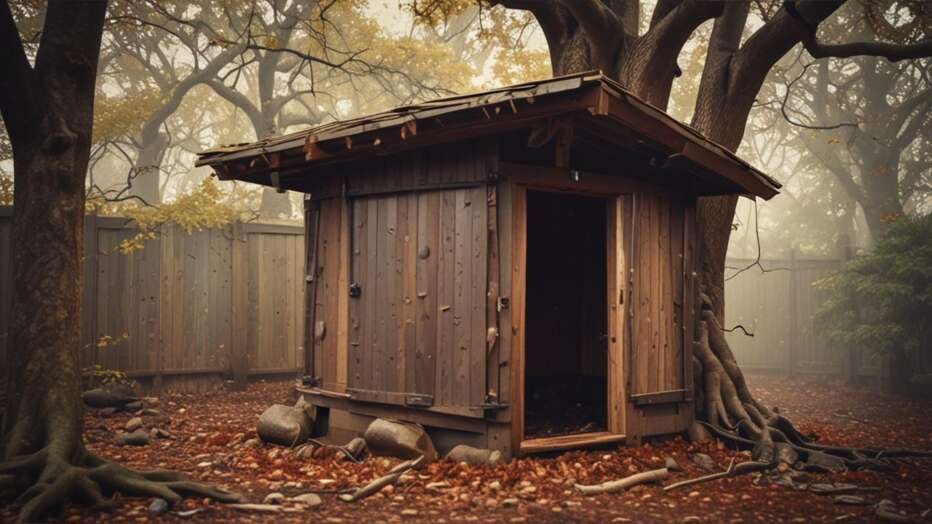
People often put their shed in the most convenient corner of the yard without considering drainage, sun exposure, or access. A low spot collects rainwater, and direct afternoon sun fades paint and overheats stored items.
Choose a slightly elevated area with good drainage. Keep the shed away from large trees whose roots can damage the foundation and branches can fall on the roof. Leave enough space on all sides for maintenance access.
7 – Not Waterproofing Properly
Even a well-made shed leaks if you do not seal seams and roof edges. Many first-time buyers assume the shed kit comes fully weatherproof. In reality, gaps around door frames and roof panels let water inside.
Apply caulk to all seams. Use rubber roofing membrane or asphalt shingles that overlap correctly. Check the manufacturer’s instructions for flashing details. A tube of silicone caulk costs $5 and can prevent hundreds of dollars in tool damage.
8 – Overloading Shelving
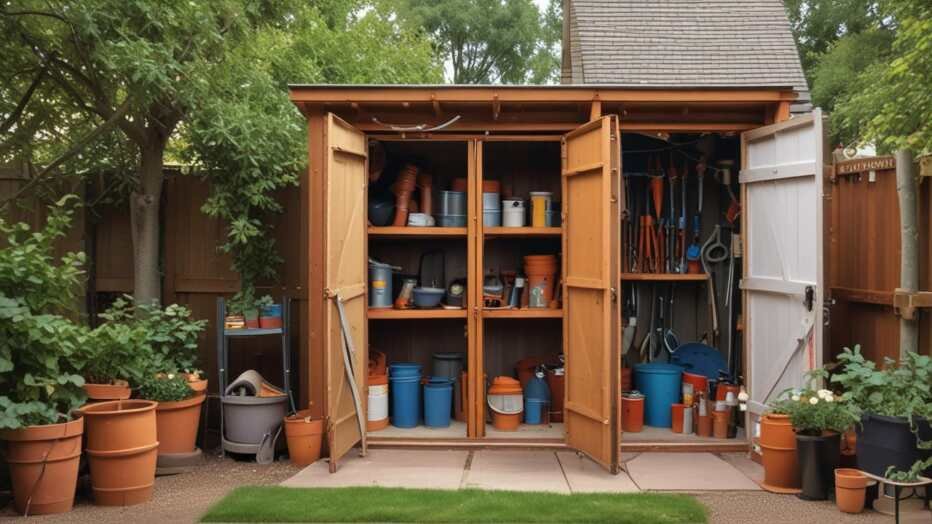
Standard wire shelves sold at home centers hold only 50-75 pounds per shelf. People load them with heavy power tools, paint cans, and bags of soil. Shelves collapse, tools fall, and people get injured.
Install heavy-duty steel shelving rated for 200 pounds per shelf. Anchor the units into wall studs. Distribute weight evenly – place heavy items on lower shelves. The guidelines for workshop storage recommend a safety factor of 2:1 for shelving loads.
9 – Skimping on Security
A simple latch on a shed door is easy to break. Tools are valuable and easy to resell, making sheds a target for theft. Many homeowners do not add any locking mechanism beyond a basic hasp.
Use a hardened steel padlock with a shrouded hasp. Add a motion-sensor light above the shed door. Consider a small security camera if tools are expensive. The reports that outdoor property thefts increase in neighborhoods without visible security measures.
Tip: Engrave your driver’s license number on valuable tools. This deters thieves and helps police return stolen items.
Common Myths About Tool Storage Sheds
Myth: A bigger shed is always better.
Oversized sheds take up more yard space and may require a building permit. Choose a size that fits your yard proportionally and meets local zoning limits. A 10×12 shed fits most suburban lots well.
Myth: You can build a shed without a permit if it is under 100 square feet.
Local rules vary widely. Some cities require permits for any structure over 50 square feet. Always check with your building department. A neighbor’s complaint can trigger an inspection.
Myth: Metal sheds are maintenance-free.
Metal sheds still need cleaning and occasional rust touch-ups. Water can seep in through screw holes. Wood sheds require more upkeep, but metal is not zero-maintenance.
Frequently Asked Questions
What size shed do I need for a lawn mower and gardening tools?
A 6×8 foot shed works for a walk-behind mower, rake, shovel, and small hand tools. If you also need space for a leaf blower, trimmer, and wheelbarrow, choose an 8×10 foot shed. According to, an 8×10 is the most popular size for residential storage.
Do I need a building permit for a tool shed?
It depends on your local building codes. Most municipalities require a permit for sheds over 100-200 square feet. Some require permits for any size. Check with your city or county building department before buying materials.
What is the best foundation for a shed?
A concrete slab is the most durable, costing $6-$10 per square foot. A gravel pad with pressure-treated timber is cheaper and provides good drainage. Avoid placing a shed directly on grass or dirt, which leads to rot and shifting.
How long does a typical shed last?
A well-built wooden shed lasts 15-20 years with proper maintenance. A high-quality metal shed lasts 10-15 years. Cheap metal sheds often need replacement after 3-5 years. The National Association of Home Builders estimates a lifespan of 15 years for a standard wood shed.
Should I insulate my tool shed?
Insulation is recommended if you store sensitive items like batteries or paint. It also prevents condensation. Use foam board insulation on walls and ceiling, and seal all gaps. Insulation costs $100-$300 for an 8×10 shed.
Resources and Tools
- Tuff Shed – Pre-built and custom shed manufacturer with nationwide delivery.
- Suncast – Popular brand for durable resin sheds that resist rot and rust.
- HomeAdvisor Shed Cost Guide – Average pricing for different shed types and materials.
- U.S. Permit Requirements – Information on building permits from the U.S. Department of Housing and Urban Development.
Final Thoughts
Your first tool storage shed can serve you well for decades if you avoid these nine common mistakes. Plan for a size larger than you think you need, invest in a proper foundation, and always check local permits. Take the time to weatherproof, ventilate, and secure your shed. These upfront choices save you money and frustration down the road.