Replace your outdoor storage shed for good when structural rot or pest damage exceeds 30% of the framing, when the roof leaks in multiple places after patching fails, or when the foundation has shifted or rotted beyond repair. Repairing a shed is only cost-effective when total structural damage is under 20% and the shed is less than 10 years old. Check local building codes before demolition, as permits are often required for new sheds over 120 square feet.
Every shed has a lifespan. Most homeowners do not notice the slow decline until water leaks ruin stored items or the roof starts sagging. This guide helps you spot the clear signs that tell you it is time to replace your outdoor storage shed for good.
Quick Verdict: In short, replace your outdoor storage shed when structural damage affects more than 30% of the framing, when the roof leaks in multiple places, or when foundation rot makes the building unsafe. Repair is only worth it when damage is under 20% and the shed is less than 10 years old.
Key Takeaways
- Replace your shed when structural rot or pest damage affects more than one-third of the wall framing or roof joists.
- Multiple roof leaks that persist after basic patching signal that the entire roof system needs replacement.
- A shed foundation that has shifted, cracked, or rotted beyond repair makes the entire structure unsafe to use.
- Repairing a shed is only cost-effective when the damage is under 20% of the total structure and the shed is less than 10 years old.
- Building codes in many areas require permits for new sheds over 120 square feet, so check local rules before you demolish the old one.
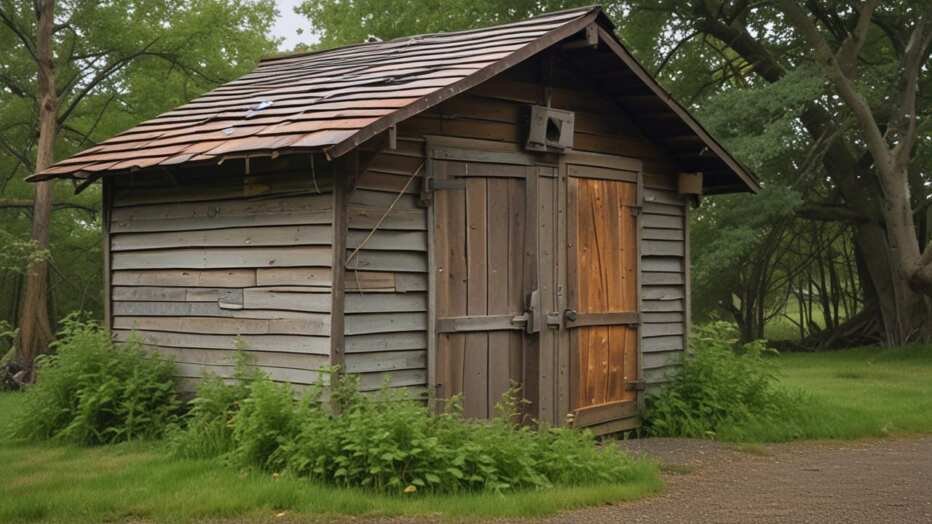
What to Look For in a Failing Shed
A shed replacement decision depends on how much of the structure is still sound. You cannot judge a shed by its exterior paint alone. The real problems hide in the framing, the roof deck, and the foundation.
Structural Rot and Wood Decay
Rot is the number one reason sheds fail. According to the, untreated wood in ground contact can decay in as little as 3 to 5 years in humid climates. Check the bottom plates, the corner posts, and the floor joists. If you can push a screwdriver more than half an inch into the wood, that section is compromised.
Warning: Rot that extends up wall studs more than 12 inches from the floor usually means the entire wall section needs replacement. Do not try to patch large rot areas with wood filler. The structural strength is already gone.