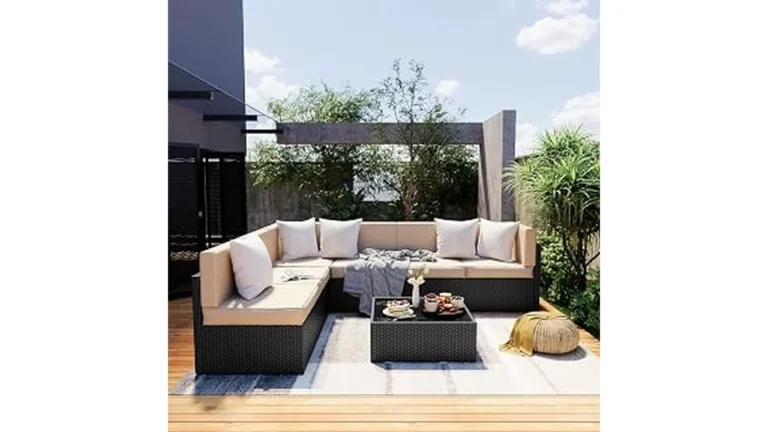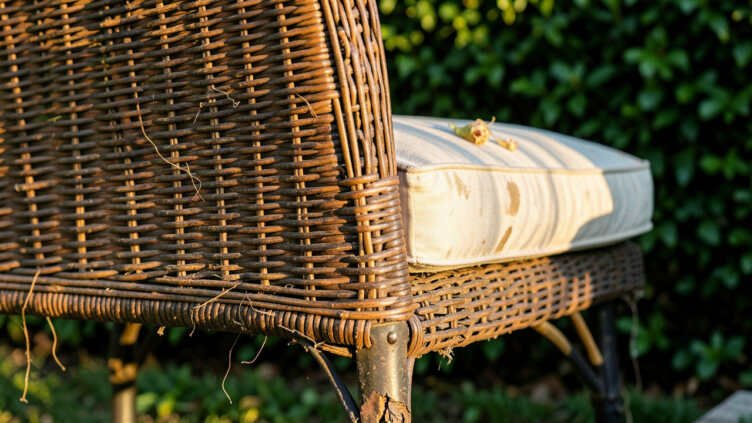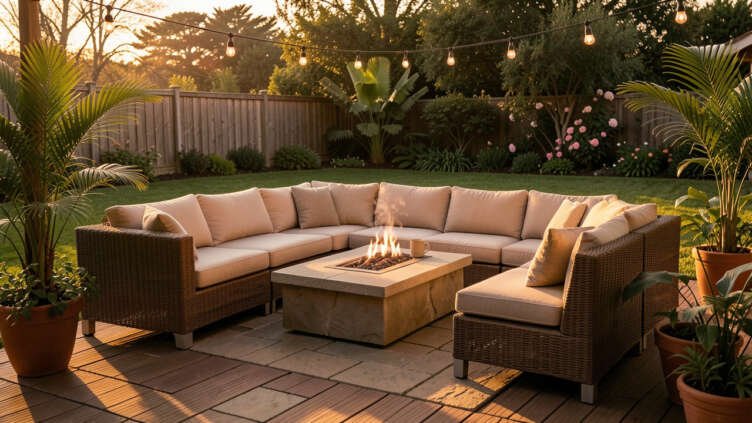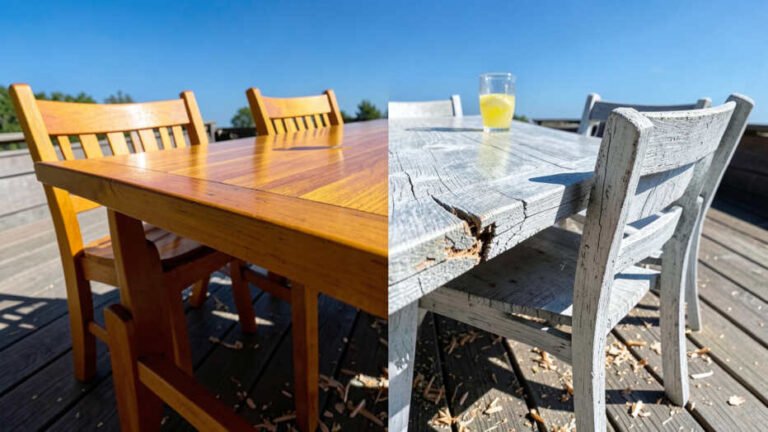
The five hidden costs of owning a wicker patio set that are rarely discussed include replacing low-quality synthetic wicker every one to two years, frequent cushion replacements costing $200 to $700 per cushion, internal aluminum or steel frame rust requiring structural repair, professional cleaning fees of $100 to $250 per session, and the need for indoor winter storage to prevent weather damage. Over a four-year period, these expenses can effectively triple the initial purchase price for cheaper sets. Investing in durable HDPE resin wicker with an aluminum frame from the start minimizes these surprise costs and delivers a significantly lower total cost of ownership.
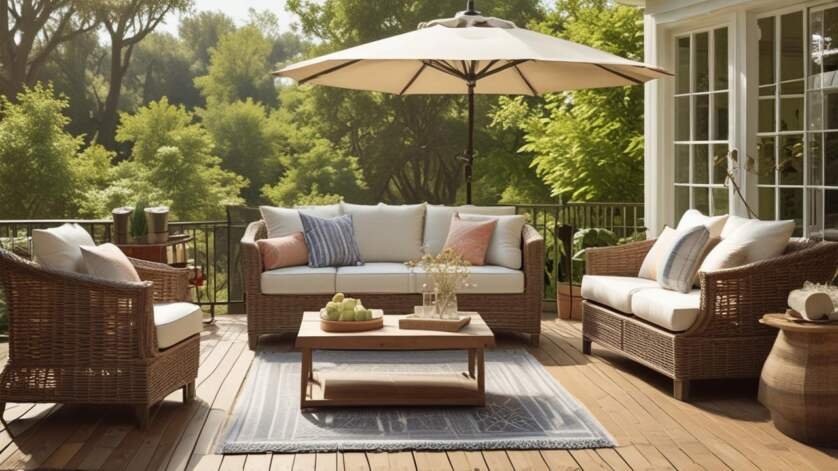
A wicker patio set creates a cozy outdoor living space. The true costs of owning one often surprise buyers.
Tip: Simply put, the hidden costs of a wicker patio set include replacing low-quality synthetic wicker every 1 to 2 years, frequent cushion replacements, internal frame rust repair, professional cleaning fees, and specialized off-season storage. These expenses can effectively triple the initial purchase price over a four-year period. Investing in durable HDPE resin wicker and aluminum frames from the start minimizes these surprise costs.
Key Takeaways
- Replacing a cheap synthetic wicker set every few seasons costs more over time than buying a high-quality resin set once.
- Custom cushion replacements for standard wicker frames can cost between $200 and $700 per cushion depending on fabric.
- Aluminum frames outperform steel frames in wicker sets but require a higher upfront payment to avoid rust damage.
- Professional deep cleaning of woven wicker furniture typically runs between $100 and $250 per session.
- Indoor winter storage is essential for extending the life of a wicker patio set, adding transportation and space costs.

Quick Comparison Table of Hidden Costs
| Hidden Cost Category | Average Annual Cost | Frequency of Occurrence |
|---|---|---|
| Low-Quality Wicker Replacement | $150 – $400 | Every 1 to 3 years |
| Cushion Replacement | $200 – $700 | Every 2 to 4 years |
| Frame Rust Repair or Replacement | $50 – $200 | Every 3 to 5 years |
| Professional Deep Cleaning | $100 – $250 | 1 to 2 times per year |
| Off-Season Climate-Controlled Storage | $50 – $150 | Annually |
1 – The High Cost of Cheap Synthetic Wicker
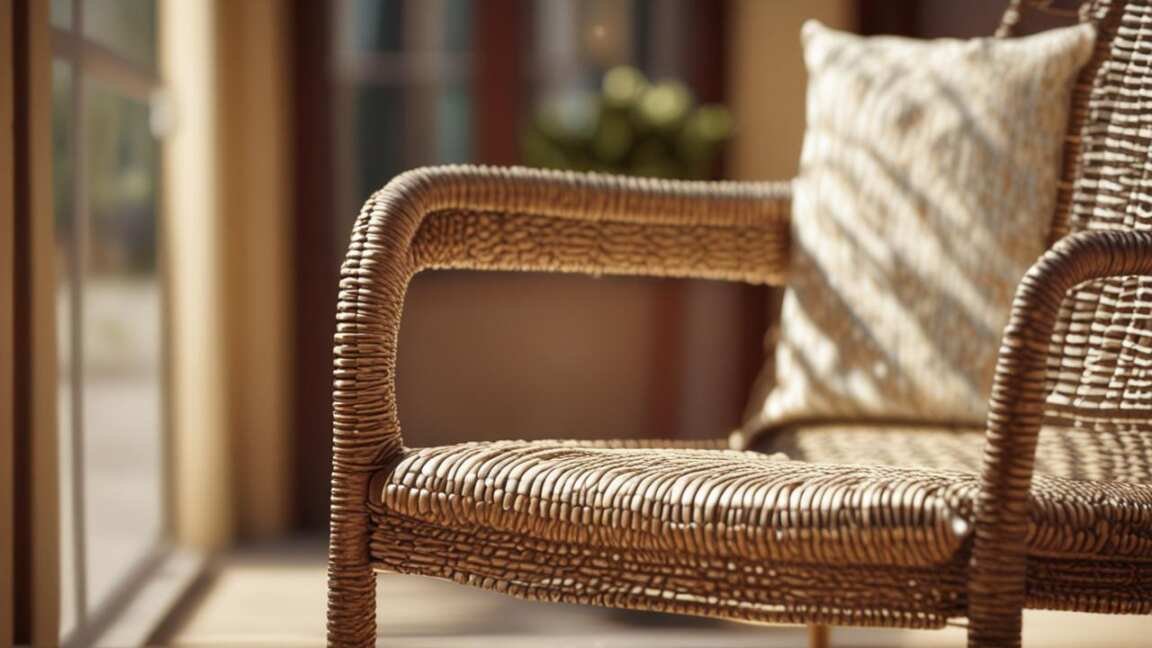
The biggest hidden expense is the quality of the wicker itself. Many sets sold at big box stores use standard polyethylene (PE) wicker. This material is soft and flexible. It does not hold up well against constant UV rays.
According to the, UV exposure degrades standard polyethylene wicker much faster than high-density polyethylene (HDPE) blends. The HDPE material costs more to produce. Manufacturers use it mainly in premium furniture lines.
You might pay $500 for a basic wicker patio set at a discount retailer. That set will likely start fading, cracking, and peeling within two years. Natural rattan wicker is even worse for outdoor use. It absorbs moisture and rots quickly.
Warning: If you see sticky residue or a chalky white powder on your wicker, the plastic is breaking down. This is called “chalking” or plasticizer leaching. It cannot be reversed. Replacement is the only option.
Brands like use exclusively HDPE lumber and synthetic wicker. Their sets often cost $1,500 to $3,000. However, they also carry 10 to 20 year warranties. The hidden cost of a cheap set is the full replacement price you pay every few years. A quality HDPE resin set saves you money over a decade.
What to Look for When Buying
- Ask for the specific material type. High-quality sets use HDPE or PVC resin, not standard PE plastic.
- Check the weave density. Tight, thick weaves last longer than loose, thin strands.
- Look for UV stabilizers in the marketing details. This slows down fading and cracking.
2 – Expensive Cushion Replacements and Upkeep
Outdoor cushions are a major hidden expense for wicker furniture owners. The cushions that come with a standard set are often low quality. They use thin foam and basic polyester fabric. The foam soaks up water and drains slowly. This leads to mold growth inside the cushion.
reports that nearly 70% of outdoor cushion returns are due to mildew stains or sun fading within the first year. Replacing these cushions is not cheap. A standard 22-inch by 22-inch seat cushion costs between $60 and $120. A custom size for a curved wicker sofa can cost over $300 per cushion.
Many wicker sets use non-standard cushion sizes. This creates a captive market. You cannot buy affordable off-the-shelf replacements from a store. You must order expensive custom cushions from the manufacturer.
Tip: Look for a wicker set that uses standard rectangular cushions. Brands like Nardi and IKEA design their frames around common cushion sizes. This lets you buy affordable replacements from any home goods store.
High-end fabric like solves the fading problem. However, Sunbrella cushions often cost 40% to 60% more than standard polyester ones. The hidden cost of cushion maintenance is an ongoing expense that most buyers overlook when they first purchase their set.
How to Make Cushions Last Longer
- Store cushions in a dry deck box or indoors when not in use for more than a day.
- Use a fabric guard spray designed for outdoor use to repel water and UV rays.
- Stand cushions on their side to drain moisture quickly after rain.
3 – Structural Frame Rust and Corrosion
The beauty of a wicker patio set hides a potential structural weakness. The frame inside the weave is typically made of steel or aluminum. Steel is cheaper and stronger. However, steel rusts aggressively when the protective coating fails.
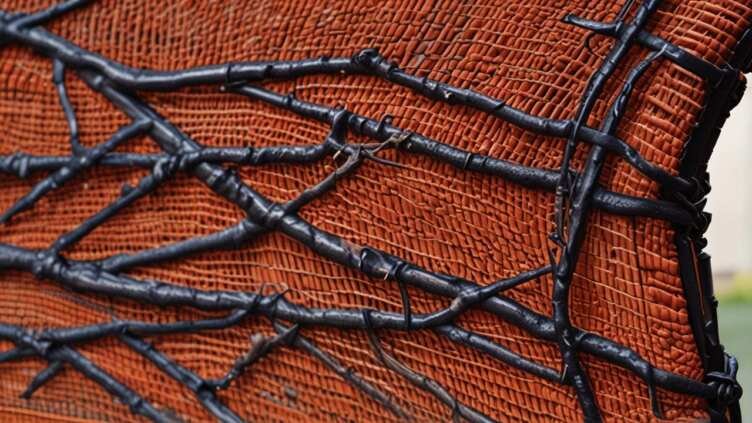
Wicker traps moisture against the frame. Rain splashes into the weave. Humidity seeps into the crevices. The steel frame rusts from the inside out. You do not see the damage until the wicker strands break away from the corroded metal. At this point, the entire piece of furniture becomes unstable.
According to a survey by the, outdoor furniture durability is a top concern for 45% of home buyers. Rusted frames are the number one reason for disposal of wicker sets after three to five years.
Warning: If you hear a metallic screech when moving your set, or see orange dust near the legs, the internal steel frame is rusting. This is typically not covered under a standard warranty. Warranties usually cover the wicker weave, not the hidden frame.
Aluminum frames do not rust. They are the gold standard for outdoor wicker. However, aluminum frames cost more to manufacture. This adds $200 to $600 to the retail price of a set. The hidden cost of a steel frame is the complete replacement of the furniture piece when the structure fails.
Frame Material Cost Comparison
| Frame Material | Upfront Cost | Lifespan | Rust Risk |
|---|---|---|---|
| Steel (Powder Coated) | Low | 3 to 5 years | High |
| Aluminum (Welded) | Medium to High | 10 to 15 years | None |
4 – Professional Cleaning and Maintenance Fees
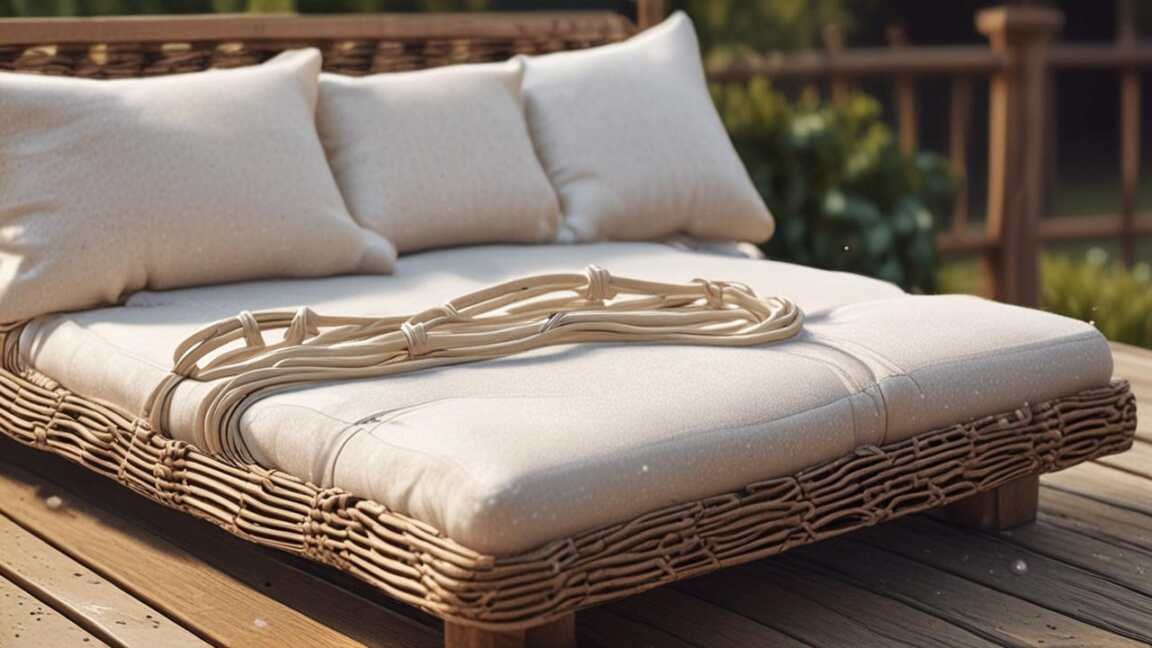
Wicker is one of the hardest outdoor materials to clean. The woven texture traps dirt, pollen, dust, and mold deep inside the crevices. You cannot simply wipe it down with a cloth. The grime is embedded between the strands.
Using a pressure washer on wicker is a common mistake. High-pressure water forces the strands apart and damages the weave. This leads to unraveling and premature failure. The correct cleaning method is to hand-scrub every inch with a soft bristle brush and mild soap. This takes hours for a full dining set.
According to, the average cost for professional outdoor furniture cleaning is $150 per session. High-end wicker sets with intricate weaves can cost up to $250 per cleaning. The notes that improper cleaning of synthetic materials can void manufacturer warranties due to surface damage.
You also face the costs of cleaning agents. Standard bleach-based cleaners are too harsh for synthetic wicker. They strip the UV protective coating and cause the material to dry out and crack. You need specialized cleaners that follow strict VOC regulations for outdoor use. These professional-grade cleaners cost more than standard household solutions.
Important: Always test a cleaning solution on a small, hidden section of the wicker first. Wait 24 hours to check for color loss or surface damage before cleaning the entire set.
Annual Cleaning Cost Breakdown
- DIY Cleaning: You spend 2 to 4 hours scrubbing. You buy specialized cleaner ($10 to $20) and a soft brush ($8 to $15). Total cost: $20 to $35 plus your labor time.
- Professional Service: A technician cleans the entire set, applies a protective UV spray, and inspects for damage. Total cost: $100 to $250 per visit.
5 – Storage and Transportation Logistics
Wicker patio sets are bulky and heavy. You cannot stack them like aluminum or teak chairs. The woven shape is irregular. Storing a wicker set requires a massive amount of floor space.
If you live in an area with freezing winters, you must store the set indoors. Leaving it outside under a cover is not enough. Trapped moisture under a vinyl cover creates a greenhouse effect. The temperature fluctuates and causes condensation. This moisture accelerates mold growth on the wicker and rust on the frame.
Warning: Covering a damp wicker set with a non-breathable tarp is one of the worst things you can do. It locks moisture in and guarantees mildew growth. Always let the set dry completely before covering or storing.
You have three options for off-season storage:
- Garage or Shed: You must clear a section of your garage. This may require reorganizing or purchasing shelving units to free up floor space. Cost: $0 to $200 for organization tools.
- Climate-Controlled Storage Unit: A 5×5 storage unit that fits a medium wicker set costs $50 to $150 per month. You need it for 4 to 6 months of winter. Total annual cost: $200 to $900.
- Indoor Furniture Storage: You bring the set into your living room or basement. This is free but takes up significant living space.
Transportation is another hidden cost. A wicker dining set with six chairs will not fit in a standard car. You need a truck, SUV, or trailer to move it. Renting a pickup truck from a hardware store costs $20 to $50 per hour. This adds to the total cost of ownership every time you move the set.
What Wicker Patio Sets Are Not (Common Myths vs Facts)
There is a lot of misinformation about wicker furniture. Understanding the facts helps you avoid expensive mistakes.
Myth 1: All Wicker Is the Same
Fact: Natural wicker (rattan, bamboo, willow) is an indoor material only. It rots and unravels when exposed to rain. Synthetic wicker (resin, HDPE, PE) is designed for outdoor use. Confusing the two leads to rapid furniture destruction.
Myth 2: Wicker Is Low Maintenance
Fact: Wicker is high maintenance compared to aluminum or teak. Its woven texture traps debris and requires regular deep cleaning. Skipping this maintenance causes permanent staining and material breakdown from trapped moisture.
Myth 3: A Cover Protects the Set Completely
Fact: Trapping moist air under a non-breathable cover causes more damage than leaving the set uncovered in dry conditions. Airflow is essential for wicker furniture. Use a breathable cover or store the set in a ventilated space.
How to Protect Your Wicker Patio Set Investment
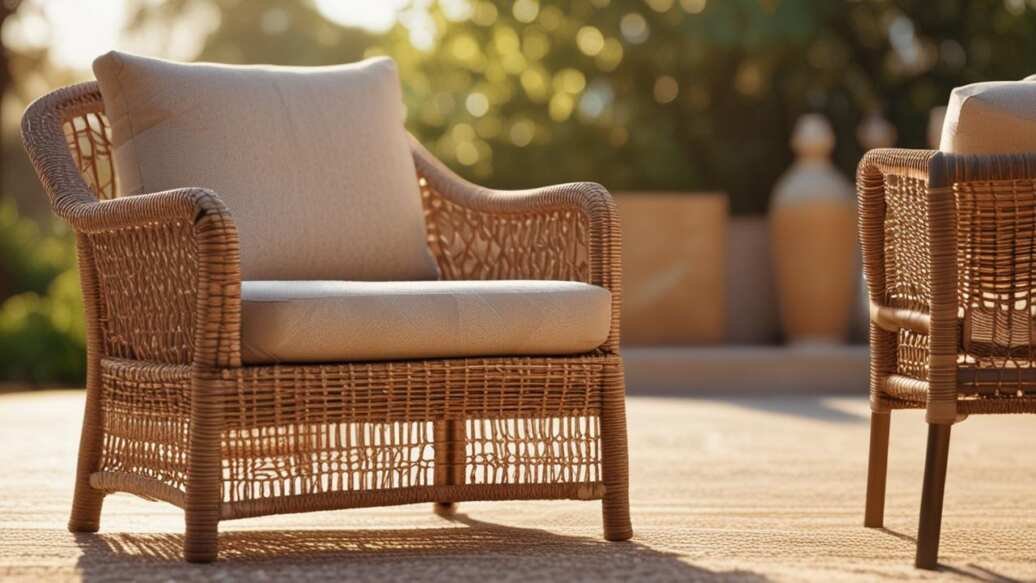
You can reduce these hidden costs with a few smart strategies. The first step is choosing the right materials from the start. An aluminum frame with HDPE resin wicker is the most durable combination. It costs more upfront but avoids the cycle of constant replacement.
- Buy furniture with standard cushion sizes to allow cheap replacements from any retailer.
- Apply a high-quality UV protectant spray designed for synthetic wicker every spring.
- Clean the set with a mild soap solution and a soft brush at least once a month during outdoor season.
- Store the set in a dry, climate-controlled space during winter months.
- Always lift the set when moving it. Dragging it across concrete scrapes the frame coating and introduces rust points.
Tip: Apply a clear acrylic sealer to the frame joints of a steel wicker set every spring. This simple step prevents rust before it starts and can double the lifespan of the frame.
Frequently Asked Questions
How long does a wicker patio set typically last?
High-quality resin wicker sets last 8 to 15 years with proper care. Cheap polyethylene wicker often starts to crack and fade within 2 to 3 years of constant sun exposure. The frame material also plays a major role in the overall lifespan.
Can I leave my wicker patio set outside in the winter?
You should not leave a wicker set outside in wet, freezing conditions. Moisture seeps into the weave and frame, causing rust and cracking. Store it indoors or in a dry, ventilated shed during the off-season.
What is the best way to clean a wicker patio set?
Mix mild dish soap with warm water. Use a soft-bristle brush to reach into the weave. Rinse with a garden hose, not a pressure washer, and let it dry completely in direct sunlight before covering or storing.
Is resin wicker better than natural wicker?
Yes, for outdoor use. Resin wicker made from HDPE or PVC is waterproof, UV-resistant, and durable. Natural wicker made from rattan or bamboo will rot and unravel if exposed to rain and humidity. Natural wicker is best for indoor use only.
Why did my wicker patio set turn sticky?
Sticky wicker is caused by plasticizers leaching out of cheap polyethylene wicker in hot weather. This is a sign of material breakdown. There is no fix. The wicker webbing needs to be replaced or the entire set needs to be discarded.
Final Thoughts
A wicker patio set is a lifestyle investment, not just a furniture purchase. The initial price tag is only the starting point for the total cost of ownership. Focus on HDPE resin wicker with an aluminum frame to avoid the most common failures. Plan for cushion replacement and proper winter storage from day one, and your set will look great for a decade without surprise expenses.