
To clean and restore outdoor furniture, begin by removing winter grime and mildew from materials like wood, metal, wicker, and plastic using specific techniques and supplies. This process involves deep cleaning, treating stains, and restoring faded surfaces to revive the furniture's original appearance. Regular maintenance and protective measures then help extend the furniture's lifespan and shield it from future sun, rain, and wear damage.
Outdoor furniture goes through a lot — sun exposure, rain, dust, mildew, rust, and everyday wear can quickly make patios and garden spaces look tired.
The good news is that most outdoor furniture can be cleaned and restored with simple tools and a little maintenance.
Whether you have wood, metal, wicker, or plastic furniture, regular care helps extend its lifespan and keeps your outdoor space looking fresh and inviting all year long.
In this guide, you’ll learn easy ways to deep clean, restore faded surfaces, remove stains, and protect your outdoor furniture from future damage.
Key Takeaways
- You will learn the best ways to clean different types of outdoor furniture materials.
- Discover simple methods to remove common winter grime and mildew.
- Understand how to restore faded colors and protect your furniture from future damage.
- Find out what supplies you need for an effective cleaning and restoration project.
- Gain confidence in making your outdoor furniture look new again.
- Learn tips for maintaining your furniture throughout the year.
![How To Clean And Restore Outdoor Furniture[1]](https://creativehouseblog.com/wp-content/uploads/2026/05/How_To_Clean_And_Restore_Outdoor_Furniture1.jpg)
How To Clean And Restore Outdoor Furniture After Winter Materials Guide
Getting your outdoor furniture ready for warmer weather can feel overwhelming. You might wonder how to tackle stubborn dirt or faded finishes.
This section breaks down cleaning and restoring your furniture based on the material it’s made from.
Different materials need different care, and knowing the right approach makes the job much easier. We will cover wood, metal, wicker, and plastic furniture.

Cleaning Wooden Outdoor Furniture
Wood furniture, like teak or cedar, can get dirty and faded after a long winter. Mildew and algae can also grow on its surface.
- Gentle Cleaning Solution
A mild soap like dish soap mixed with warm water is usually enough to start. For tougher stains or mildew, you can add a little white vinegar to the water. Always test a small, hidden area first to ensure it doesn’t damage the wood’s finish.Scrub gently with a soft brush or cloth. Rinse thoroughly with clean water and let it air dry completely before moving to restoration steps.
- Removing Mildew and Stains
If mold or mildew is present, a solution of one part bleach to three parts water can be used for stubborn spots. Apply it carefully with a sponge or cloth, and let it sit for a few minutes before rinsing. Be sure to wear gloves and work in a well-ventilated area.For deeply ingrained stains, a specialized wood cleaner might be necessary. Always follow the product instructions precisely.
- Sanding and Refinishing
Once the furniture is clean and dry, you might notice it looks faded or has rough spots. Light sanding with fine-grit sandpaper can smooth out the surface and remove any old finish. After sanding, wipe away dust.Then, apply a new coat of wood sealer, stain, or paint to protect it and bring back its color. Several thin coats are better than one thick one. Allow adequate drying time between coats.
Restoring Metal Outdoor Furniture
Metal furniture, such as wrought iron or aluminum, can suffer from rust or dullness. Powder-coated finishes can chip, revealing the metal underneath.
- Washing Metal Furniture
Start by washing metal furniture with mild soap and water. Use a soft cloth or sponge to avoid scratching the surface. For stubborn dirt, a non-abrasive cleaner can be used.Rinse well and dry thoroughly with a clean towel. This prevents water spots and potential rust formation.
- Dealing with Rust
If you spot rust, you’ll need to address it quickly. For light rust, steel wool or a wire brush can often remove it. For more serious rust, a rust remover product might be needed.After removing the rust, clean the area again and let it dry completely. You will then need to prime the spot with a rust-inhibiting primer. This prevents the rust from returning.
- Protecting and Finishing Metal
After cleaning and rust removal, it’s important to protect the metal. For iron or steel, apply a coat of metal paint or a clear sealant. This not only prevents rust but also gives the furniture a fresh look.Aluminum furniture might just need a good waxing to restore its shine and protect it from the elements.
Cleaning Wicker and Rattan Furniture
Wicker and rattan furniture can collect dust and dirt in their intricate weaves. They can also be prone to mold and mildew if left damp.
- Dusting and Vacuuming
The first step is to remove loose dust and debris. Use a soft brush or a vacuum cleaner with a brush attachment to get into all the nooks and crannies. Work your way gently through the weave.This removes surface dirt before you start washing.
- Washing Wicker and Rattan
Mix a mild soap solution with warm water. Use a soft brush or a sponge to wash the furniture. For tighter spots, an old toothbrush works well.Avoid soaking the furniture, as excessive moisture can damage natural fibers. After washing, rinse with clean water using a hose on a gentle spray or a damp cloth. Let the furniture dry completely in a well-ventilated area, preferably in sunlight.
- Addressing Mold and Mildew
If you find mold or mildew, use a solution of one part mild detergent and one part white vinegar. Apply this solution with a soft brush. Let it sit for a few minutes, then scrub gently.Rinse thoroughly and ensure the furniture dries completely. You can also use a commercial wicker cleaner if needed.
Restoring Plastic and Resin Furniture
Plastic and resin furniture is generally low maintenance, but it can still get dirty, faded, or stained over time.
- Simple Wash Down
Most of the time, a simple wash with warm, soapy water is all that’s needed. Use a soft cloth or sponge. For tougher grime, a non-abrasive cleaner can be used.Rinse thoroughly with a hose and let it air dry.
- Removing Fading and Stains
Fading can be a common issue, especially with lighter colors. Products designed to restore plastic or vinyl can help bring back some color. For stubborn stains, a paste made of baking soda and water can sometimes lift them.Apply the paste, let it sit for a short while, then gently scrub and rinse.
- Protecting Plastic Furniture
After cleaning, applying a protective spray designed for outdoor plastics can help prevent future fading and damage. These sprays often add a UV protectant. This keeps your furniture looking its best for longer.
Essential Supplies for Outdoor Furniture Cleaning
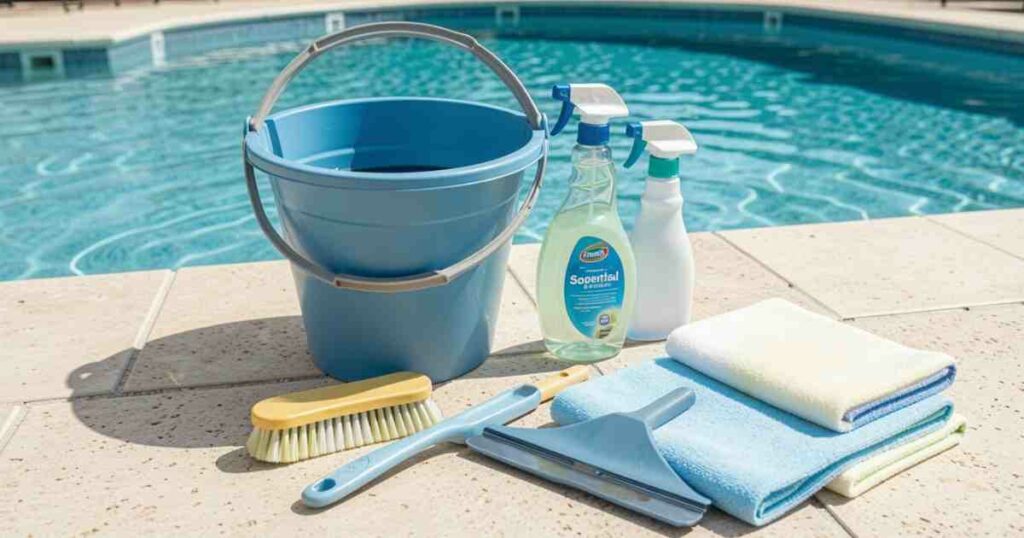
Having the right tools makes the job of cleaning and restoring your outdoor furniture much smoother and more effective. Gathering these supplies before you start will save you time and effort.
- Cleaning Solutions
You will need mild dish soap, white vinegar, and possibly a diluted bleach solution for tough spots. For specific materials like wood or metal, specialized cleaners might be beneficial. Always have fresh water available for rinsing.
- Scrubbing Tools
A variety of brushes are helpful: a soft-bristled brush for general cleaning, a stiffer brush for tougher dirt, and an old toothbrush for details. Soft cloths and sponges are also essential for washing and drying.
- Protective Gear
Wear rubber gloves to protect your hands from cleaning solutions. Safety glasses are a good idea, especially when using bleach or dealing with rust. If sanding wood, a dust mask is recommended.
- Restoration Products
Depending on your furniture’s material, you might need sandpaper (various grits), wood sealer or stain, metal primer and paint, or plastic protectant sprays. Have rags or applicators ready for these products.
- Water Source
A garden hose with a spray nozzle is ideal for rinsing. If you don’t have a hose, buckets of clean water and sponges will work, but it will take longer.
Step-by-Step Guide How To Clean And Restore Outdoor Furniture After Winter
Following a clear process ensures you cover all the bases and achieve the best results for your outdoor furniture. This guide walks you through the essential steps from start to finish.
- Preparation and Clearing
First, move all cushions and accessories off the furniture. Clear the area around your furniture so you have plenty of space to work. Cover any nearby plants or surfaces you don’t want to get wet or dirty.
- Initial Dusting and Debris Removal
Use a soft brush or a vacuum cleaner with a brush attachment to remove loose dirt, cobwebs, and debris. Get into all the cracks and crevices. This makes the washing step more effective.
- Washing the Furniture
Prepare your chosen cleaning solution based on the furniture material. Use a soft brush, sponge, or cloth to wash the entire piece. Work in sections.For stubborn areas, you might need to let the solution sit for a few minutes before scrubbing.
- Rinsing Thoroughly
Rinse all the cleaning solution off the furniture. Use a hose on a gentle setting or plenty of clean water in buckets. Make sure no soap residue is left behind, as this can attract dirt.
- Drying the Furniture
Allow the furniture to air dry completely. Position it so air can circulate around all sides. If possible, let it dry in the sun.For wood, ensure it is fully dry before applying any finishes.
- Addressing Specific Issues (Rust, Mildew, Fading)
This is when you tackle any rust spots on metal, mildew on wood or fabric, or faded colors on plastic. Follow the material-specific advice given earlier for these issues.
- Sanding and Surface Prep (If Needed)
If restoring wood or metal, you might need to sand rough patches or remove old paint. Smooth out the surface for a better finish.
- Applying Protective Finishes or Paints
Apply wood sealers, stains, or paints. Use rust-inhibiting primers and paints for metal. For plastic, use a UV protectant spray.Follow the product instructions carefully, applying thin coats and allowing proper drying time.
- Reattaching Cushions and Accessories
Once the furniture is completely dry and finished, reattach cushions and any other accessories. It’s a good idea to clean cushions separately.
Protecting Your Outdoor Furniture Year-Round
Keeping your outdoor furniture in good shape after cleaning is just as important as the initial restoration. A little ongoing care can make a big difference in its lifespan and appearance.
- Regular Cleaning
Don’t wait until the end of winter to clean your furniture. A quick wipe-down every few weeks during the warmer months can prevent dirt and grime from building up. This makes deep cleaning much easier.
- Using Covers or Storage
When not in use, especially during harsh weather like heavy rain or snow, using furniture covers can protect it. If you have space, consider storing cushions and smaller items indoors during the off-season.
- Checking for Damage
Periodically inspect your furniture for any signs of wear, loose parts, or developing rust. Addressing small issues early can prevent them from becoming major problems.
- Reapplying Protectants
For wood and metal furniture, consider reapplying a protective sealant or paint every year or two. This maintains the protective barrier against moisture and UV rays.
Frequently Asked Questions Of How To Clean And Restore Outdoor Furniture
Question: What is the easiest way to clean outdoor cushions
Answer: Most outdoor cushions can be spot-cleaned with mild soap and water. For deeper cleaning, check the care label for machine washable options or use a soft brush with a cleaning solution and rinse well. Ensure they are completely dry before putting them back.
Question: Can I use a pressure washer on outdoor furniture
Answer: It depends on the material. Pressure washers can be too harsh for wood, wicker, and some plastics, potentially causing damage. Metal furniture might withstand it on a low setting, but always test in an inconspicuous area first.
Gentle scrubbing is usually safer.
Question: How often should I seal my wooden outdoor furniture
Answer: Wooden outdoor furniture should ideally be sealed or refinished once a year, typically at the beginning of the outdoor season. However, this can vary depending on the type of wood and the climate. Look for signs of fading or water absorption to know when it’s time.
Question: What’s the best way to remove mildew from outdoor furniture
Answer: For mildew, a solution of one part white vinegar to one part water or a diluted bleach solution (one part bleach to three parts water) can be effective. Apply with a soft brush, let it sit for a few minutes, scrub gently, and rinse thoroughly. Always wear gloves and work in a well-ventilated area.
Question: My metal furniture has minor rust spots. What should I do
Answer: For minor rust, you can usually remove it with steel wool or a wire brush. After cleaning the rust, wash the area, let it dry completely, then apply a rust-inhibiting primer followed by metal paint to prevent further corrosion and match the finish.
Conclusion
You now have the knowledge on how to clean and restore outdoor furniture after winter. You know the right methods for wood, metal, wicker, and plastic. Gather your supplies and follow the steps.
Your furniture will look great and be ready for you to enjoy. Happy cleaning!

![9 Foods That Last Longer With Vacuum Sealing[1]](https://creativehouseblog.com/wp-content/uploads/2026/04/9_Foods_That_Last_Longer_With_Vacuum_Sealing1-768x448.jpg)
![Air Fryer Digital Vs Manual Controls A Simple Guide[1]](https://creativehouseblog.com/wp-content/uploads/2026/03/Air_Fryer_Digital_Vs_Manual_Controls_A_Simple_Guide1-768x448.jpg)
![Best Foods to Cook in an Air Fryer[1]](https://creativehouseblog.com/wp-content/uploads/2026/03/Best_Foods_to_Cook_in_an_Air_Fryer1-768x448.jpg)
![10 Easy Recipes You Can Make In A Bread Maker[1]](https://creativehouseblog.com/wp-content/uploads/2026/04/10_Easy_Recipes_You_Can_Make_In_A_Bread_Maker1-768x448.jpg)
![What Is an Espresso Machine Explained Simply[1]](https://creativehouseblog.com/wp-content/uploads/2026/03/What_Is_an_Espresso_Machine_Explained_Simply1-768x448.jpg)
![How Pressure Cookers Work Made Easy[1]](https://creativehouseblog.com/wp-content/uploads/2026/03/How_Pressure_Cookers_Work_Made_Easy1-768x448.jpg)