
Inspecting your home for winter damage requires a systematic check of both the exterior and interior to identify issues like roof problems, foundation cracks, water intrusion, and mold growth. Key areas include examining your roof and gutters, inspecting the foundation and basement for moisture, and assessing siding, windows, and doors for drafts or gaps. Inside, you should look for water stains on walls and ceilings, test heating systems, and ensure pipes are intact to prevent costly repairs down the line.
Winter can be tough on homes. Snow, ice, and cold winds can cause hidden problems that you might not see right away.
Knowing how to inspect your home after winter is important for fixing small issues before they become big, expensive ones.
Many people find this a little confusing at first. But don’t worry! We will show you simple steps to check your home.
You’ll learn exactly what to look for and how to spot damage. Let’s get started on keeping your home in great shape!
Key Takeaways
- Learn to spot common winter damage signs outside your home.
- Discover how to check your roof and gutters for problems.
- Understand the importance of inspecting your foundation and basement.
- Find out how to check for water damage and mold.
- Get tips on checking your heating system and pipes.
- Learn how to do a quick check of your home’s exterior paint and siding.
![How to Inspect Your Home for Winter Damage[1]](https://creativehouseblog.com/wp-content/uploads/2026/05/How_to_Inspect_Your_Home_for_Winter_Damage1.jpg)
Inspect Your Home Exterior After Winter
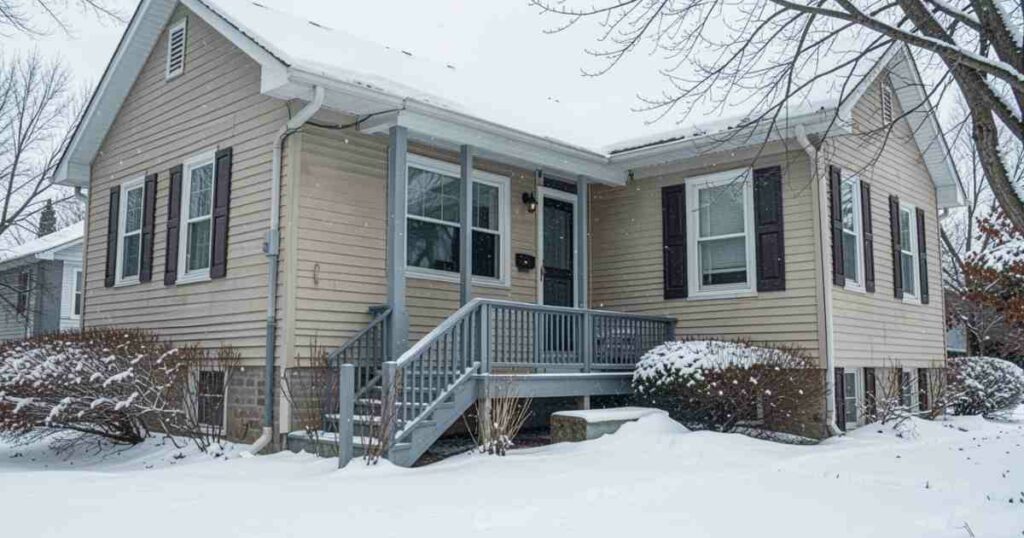
Checking the outside of your home is the first big step in learning how to inspect your home after winter for hidden damage. Winter weather can be harsh, and the exterior is the first line of defense against the elements. By walking around your property, you can spot many potential issues that might have developed.
This visual inspection can prevent minor problems from turning into costly repairs. Think of it as giving your home a check-up after a long, hard season. We will cover everything from your roof to your foundation.
Roof and Gutter Check
Your roof takes a beating all winter. Ice dams, heavy snow, and wind can loosen shingles or cause cracks. Look for any missing, cracked, or curling shingles.
Also, check for granules that may have washed off the shingles, which can clog gutters. Make sure your gutters are clear of debris like leaves and ice. Clogged gutters can cause water to back up and damage your roof or foundation.
Sagging gutters are also a sign of trouble. They might be overloaded with ice or water, or the fasteners could be loose.
A damaged roof can lead to leaks inside your home, which can cause water damage and mold growth.
It’s a good idea to look up at your roof from the ground with binoculars if you can’t safely get up there. Look for any areas that seem to be sagging or where water might be pooling.
If you see damage, it’s best to call a professional to assess and repair it. They have the tools and experience to do the job safely and effectively.
Signs of Roof Damage
- Missing or loose shingles: These are easy to spot from the ground.
- Granule loss: Look for them in gutters or around the downspouts.
- Sagging roofline: This can indicate structural issues.
- Damaged flashing: Check around chimneys, vents, and skylights.
The flashing around your chimney and vents is especially important. This is a thin piece of metal that seals the gaps where these roof penetrations occur. If the flashing is loose, cracked, or corroded, water can easily get underneath it and into your attic.
Think of it like a raincoat for these parts of your roof. If the raincoat has holes, the water will find its way in.
Foundation and Basement Inspection
The foundation of your home is its base, and winter’s freeze-thaw cycles can be tough on it. Water can seep into small cracks, freeze, expand, and make those cracks bigger.
This is why checking your foundation is so important when you learn how to inspect your home after winter for hidden damage.
Walk around the outside of your home and look closely at the foundation walls. You are looking for new cracks, or existing cracks that have gotten larger. Pay attention to the areas where water tends to drain away from your house.
Are the downspouts directing water far enough away? If you see cracks, try to measure them.
Small hairline cracks are often not a major concern, but wider or deeper cracks, especially horizontal ones, need professional attention.
Also, look for any signs of water pooling or erosion around the base of your home.
Basement or Crawl Space Check
- Look for water stains on walls or the floor.
- Check for dampness or a musty smell.
- Inspect walls for new cracks or crumbling areas.
- Ensure sump pumps are working correctly if you have one.
Inside, your basement or crawl space is a key area to check. Go down there and use a bright flashlight. Look for any damp spots on the walls or floor.
If you see any water stains, try to trace them back to their source. A musty smell is often a sign of mold or mildew, which can grow in damp conditions. This needs to be addressed quickly.
Also, check the walls for any new cracks or signs that the material is breaking down. These are all signs that water might be getting into your foundation and needs to be dealt with.
One homeowner noticed a small wet patch on their basement wall after a very wet winter. They initially thought it was just condensation. However, upon closer inspection, they found a thin crack behind some stored items.
They sealed the crack themselves with a DIY product, and the wet patch disappeared. This saved them from a potentially larger water damage issue later.
Siding and Exterior Paint
Winter winds and ice can cause damage to your siding. Look for any cracks, holes, or loose pieces.
Check the paint for peeling or chipping, especially around areas that are exposed to a lot of weather.
Damaged siding or paint can let water seep into your home’s structure. This can lead to rot and other problems.
Pay special attention to areas where the siding meets windows and doors. These are common places for leaks to start. Make sure the caulking around these areas is intact.
If it’s cracked or missing, water can get in. Replacing old or damaged caulking is a simple but effective way to keep water out.
Also, check for any signs of rot, especially at the bottom of your siding or around decks and patios.
Siding and Paint Inspection Points
- Cracked or broken siding panels.
- Loose siding pieces.
- Peeling or chipped paint.
- Damaged or missing caulking around windows and doors.
Think about the different types of siding. Vinyl siding can crack or warp, especially in extreme cold. Wood siding can rot or get damaged by insects if the paint is compromised.
Stucco can crack. Each type has its own vulnerabilities. Knowing what to look for with your specific siding material is helpful.
A small repair now can prevent a much larger and more expensive fix down the road.
Inspect Your Home Interior After Winter
Once you have checked the outside, it’s time to look at the inside of your home. This part of learning how to inspect your home after winter for hidden damage focuses on the systems and areas that might have been affected by the cold. Sometimes, damage isn’t obvious until you look closely at the interior.
These checks are vital for preventing issues like water damage, mold, and problems with your home’s essential services.
Check for Water Damage and Mold
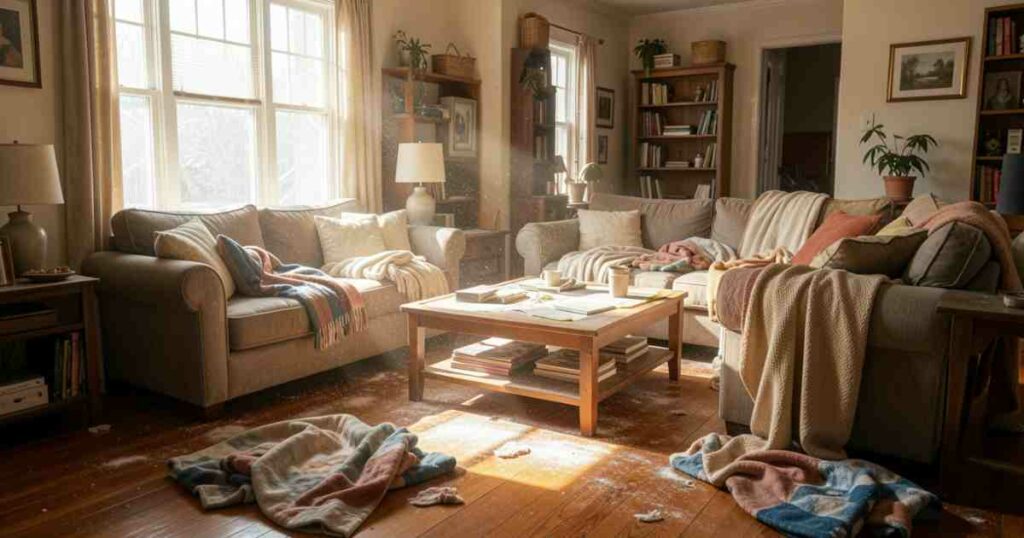
Water damage and mold are often hidden problems that winter can make worse. Ice dams on the roof can cause water to back up under shingles and leak into your attic or walls. If pipes freeze and burst, that’s a major water problem.
Even small leaks can lead to mold growth over time.
Start by checking your attic. Look for any water stains on the ceiling or the underside of the roof. You might also notice a musty smell.
If you have a crawl space, check it for dampness, water pooling, or mold. In your bathrooms and kitchens, look closely around tubs, showers, sinks, and toilets. Check under sinks for any signs of leaks or water damage to the cabinets or flooring.
Also, inspect walls and ceilings for any new stains or discoloration.
Identifying Water Damage Signs
- Discolored or stained walls and ceilings.
- Peeling or bubbling paint or wallpaper.
- Musty or damp odors.
- Soft or spongy spots on walls or floors.
Mold needs moisture to grow. If you find mold, it’s important to address it. Small areas of mold can often be cleaned up yourself with a mold cleaner.
However, if you see a large amount of mold, or if it’s in a place where it’s hard to reach, it’s best to call a professional.
They can safely remove the mold and help you figure out what caused the moisture problem in the first place.A family in a snowy region found black mold growing in their bathroom ceiling after winter. They realized an ice dam had caused a small leak that went unnoticed for weeks. They had to have a professional mold remediation team come in and remove the mold.
They also had to repair the damaged ceiling and clear the ice dam. This was a costly lesson on the importance of regular checks.
Heating System and Pipes
Winter is when your heating system works the hardest. After the cold season, it’s smart to check if everything is working as it should. For furnaces, check the air filter and replace it if it’s dirty.
A dirty filter can make your furnace work harder and reduce air quality. Listen for any strange noises when your heating system turns on. This could signal a problem that needs attention.
Your pipes are also vulnerable in winter. Check for any signs of leaks, especially around exposed pipes in basements or crawl spaces. If you had frozen pipes this winter, even if they didn’t burst, they might have weakened.
Look for any damp spots or drips. It’s also a good idea to run your hot water for a bit to make sure it’s heating properly and that there are no unusual sounds from the water heater.
Heating and Pipe Checks
- Inspect your furnace filter for dirt.
- Listen for unusual noises from your heating system.
- Check exposed pipes for leaks or dampness.
- Ensure your water heater is functioning correctly.
According to the U.S. Fire Administration, heating equipment is one of the leading causes of home fires. This is often due to poorly maintained systems.
Regular checks of your furnace and heating equipment can help prevent fires and ensure it runs efficiently.
This is not only for safety but also to save on energy bills. A well-maintained system uses less energy.
If you have a boiler system, check the pressure gauge and look for any leaks around the unit. For forced-air furnaces, check the vents to make sure air is flowing freely from all of them.
Uneven heating throughout your home could mean there’s a blockage in your ductwork or an issue with your system’s balance.
Windows and Doors
Cold air can get into your home through gaps around windows and doors. This makes your heating system work harder and increases your energy bills. Check the weatherstripping around all your windows and doors.
Weatherstripping is the material that seals the gap between the moving parts of a window or door and the frame. If it’s cracked, torn, or compressed, it needs to be replaced.
Also, inspect the caulking around the outside of your windows and doors. This seals the gap between the window frame or door frame and the exterior wall. If this caulking is cracked or missing, water and cold air can get in.
Running your hand along the edges of your windows and doors on a windy day can help you feel for drafts.
You can also use an incense stick or a lit candle and watch the flame or smoke to detect air leaks.
Window and Door Inspection
- Check weatherstripping for damage or wear.
- Inspect exterior caulking for cracks or gaps.
- Feel for drafts around frames.
- Ensure windows and doors close and lock properly.
Some homes have energy audits that can pinpoint exactly where air is leaking. These often use special equipment like thermal imaging cameras. However, a simple manual check can reveal many common draft sources.
Replacing old or damaged windows can be expensive, but sealing them up properly with good weatherstripping and caulking is a cost-effective way to improve energy efficiency. It’s a simple step that makes a big difference in comfort and cost.
Interior Walls and Ceilings
While checking for water damage, also look at your interior walls and ceilings for any signs of stress.
Sometimes, the settling of a house, combined with winter temperature changes, can cause small cracks to appear in drywall. These are often harmless and can be easily patched.
However, if you see large cracks, especially those that look like they are widening, or if they are running diagonally across a wall, it might be a sign of a more serious structural issue.
Also, check the paint. If paint is bubbling or peeling away from the wall, it often means there’s moisture behind it. This could be from a leak that you haven’t found yet, or from condensation.
Gently press on the wall in those areas to see if it feels soft or damp. If it does, you’ll need to investigate the source of the moisture.
Interior Wall and Ceiling Signs
- Small hairline cracks in drywall.
- Bubbling or peeling paint.
- Soft or damp spots on walls.
- Large or widening cracks.
Don’t ignore these signs. A small crack in drywall is easy to fix with spackle and paint. However, if that crack is a symptom of a bigger problem, like a foundation issue or a hidden water leak, ignoring it can lead to much more significant and costly repairs.
It’s always better to be safe and investigate any unusual wall or ceiling damage.
Common Issues Found After Winter
After winter, certain problems tend to show up more often. Knowing what these are can help you focus your inspection when you learn how to inspect your home after winter for hidden damage. Many of these issues are related to water, ice, and temperature changes.
Being aware of them means you can spot them early.
Ice Dams and Gutter Issues
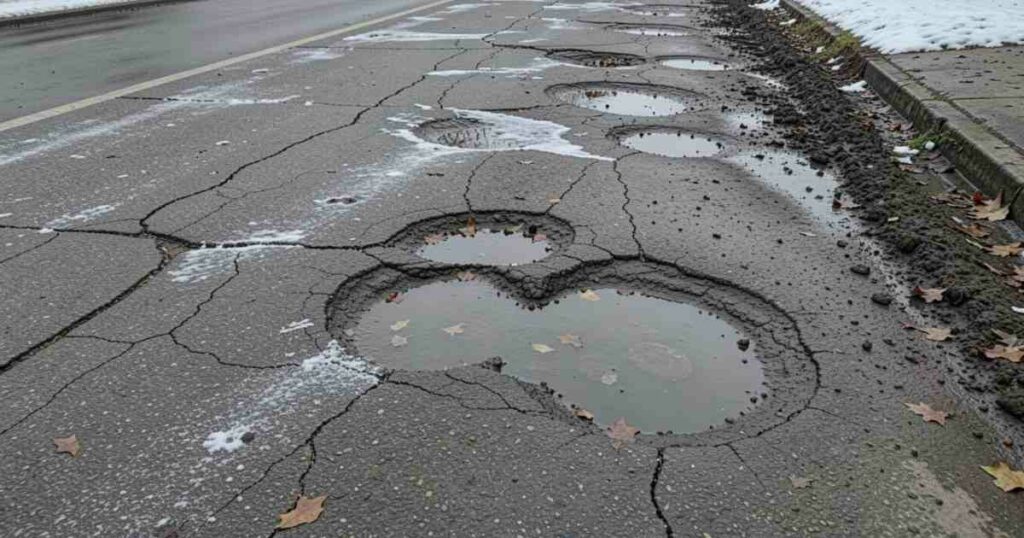
Ice dams are ridges of ice that form at the edge of a roof. They happen when heat escapes from your home and melts snow on the roof, which then refreezes at the colder edge. This creates a dam that traps water.
The trapped water can then seep under shingles and into your attic or walls. This is a very common problem in areas with heavy snowfall and freezing temperatures. Gutters filled with leaves and debris can make ice dams worse by holding onto water and ice.
One homeowner in Minnesota had an ice dam form on their roof for the first time. The water leaked into their bedroom ceiling, causing significant damage.
They had to call a roofer to remove the ice dam, repair the roof, and then hire a restoration company to fix the ceiling.
They learned that keeping their gutters clean and ensuring proper attic insulation are key to preventing ice dams.
Ice Dam Prevention and Action
- Ensure adequate attic insulation to prevent heat loss.
- Keep gutters clean and free of debris.
- Check for proper attic ventilation.
- If an ice dam forms, carefully remove snow from the lower edges of the roof.
Statistics show that ice dams can cause thousands of dollars in damage. A 2019 study indicated that homeowners in cold climates spend an average of $1,500 to $5,000 on ice dam repairs. This highlights the importance of proactive measures.
Simple steps like ensuring your attic is well-insulated can make a huge difference. Proper ventilation also helps keep the roof surface cold, preventing snow from melting in the first place.
Frozen and Burst Pipes
Frozen pipes are a serious concern during winter. When water inside a pipe freezes, it expands. This expansion can put immense pressure on the pipe, causing it to crack or burst.
A burst pipe can release a large amount of water very quickly, leading to extensive water damage throughout your home. This can affect walls, floors, ceilings, and even your home’s structure.
Checking for frozen pipes involves looking for any visible cracks or leaks, especially after a period of very cold weather.
If you suspect a pipe has frozen, turn off the main water supply immediately and call a plumber. Even if a pipe didn’t burst, the stress of freezing can weaken it, making it more likely to leak later.
It’s also important to check areas where pipes are exposed to cold, such as basements, crawl spaces, and exterior walls.
Preventing Frozen Pipes
- Insulate exposed pipes in unheated areas.
- Let faucets drip slightly during very cold weather.
- Keep garage doors closed during cold snaps.
- Use a small fan to circulate warm air in basements or crawl spaces.
The Insurance Institute for Business & Home Safety (IBHS) reports that water damage is one of the most common and costly home insurance claims.
Frozen and burst pipes are a significant contributor to this. They estimate that water damage from a burst pipe can cost upwards of $10,000 or more to repair, depending on the extent of the damage.
Drafts and Energy Loss
Winter’s cold often reveals how well your home is sealed. Drafts are currents of air that enter or leave your home through small openings.
These openings can be around windows, doors, electrical outlets, or even in your attic or basement.
Drafts make your home feel colder and force your heating system to work harder, leading to higher energy bills.
When you learn how to inspect your home after winter for hidden damage, focus on feeling for these drafts.
They are often most noticeable around window frames, door frames, and where walls meet the floor or ceiling. You can also check around light fixtures, plumbing penetrations, and attic hatches.
Addressing these drafts by sealing them with caulk, weatherstripping, or spray foam can significantly improve your home’s energy efficiency and comfort. This simple step is often overlooked but can yield great savings.
Draft Identification and Sealing
- Use your hand to feel for air movement around openings.
- Hold a thin piece of tissue or a lit incense stick near suspected areas.
- Check electrical outlets on exterior walls; you might feel air coming through them.
- Seal gaps with caulk, weatherstripping, or spray foam.
A simple draft check can reveal significant energy loss. Studies have shown that air leaks account for a substantial portion of home energy loss, sometimes as much as 20-30%.
Sealing these leaks is often one of the most cost-effective energy efficiency upgrades a homeowner can make.
It also contributes to a more comfortable living environment by eliminating cold spots.
Professional Inspections
While you can do a lot of the inspection yourself, sometimes it’s best to call in the experts. Learning how to inspect your home after winter for hidden damage is a great skill, but professionals have specialized knowledge and tools. They can spot problems that might be missed by the average homeowner.
This is especially true for issues that are harder to see or access, like structural problems or hidden mold.
When to Call a Professional
If you find any significant cracks in your foundation, large areas of mold, or evidence of extensive water damage, it’s time to call a professional.
For roof leaks or damage, a roofing contractor is the best person to assess the situation. If you suspect your heating system has a major issue, a qualified HVAC technician should be consulted.
Burst pipes always require a plumber.
A home inspector can provide a comprehensive assessment of your home’s condition. They have specialized training in identifying potential problems and can give you a detailed report.
This can be especially helpful if you are buying or selling a home, but it’s also valuable for regular maintenance checks.
Professionals can offer peace of mind that everything is as it should be.
Professional Assessment Areas
- Major foundation cracks.
- Extensive mold growth.
- Suspected structural issues.
- Significant roof damage or leaks.
- Heating or plumbing emergencies.
The cost of a professional inspection can vary, but it’s often a small price to pay compared to the cost of major repairs.
For example, a foundation repair could cost tens of thousands of dollars, while a foundation inspection might cost a few hundred. Identifying issues early through professional help can save you considerable money and stress in the long run.
It’s an investment in your home’s longevity and safety.
Frequently Asked Questions Of How to Inspect Your Home for Winter Damage
Question: What is the most common type of damage caused by winter?
Answer: The most common types of damage are related to water, ice, and temperature fluctuations. This includes ice dams, frozen pipes that can burst, and foundation cracks caused by freeze-thaw cycles.
Question: How can I check my roof without going up on it?
Answer: You can use binoculars to inspect your roof from the ground. Look for missing, damaged, or curling shingles, and check for granules in your gutters. Also, look for any sagging areas.
Question: What if I find mold in my home?
Answer: For small areas of mold, you can usually clean it yourself with a mold cleaner. However, if you find a large amount of mold, or if it’s in a hard-to-reach place, it’s best to call a professional mold remediation service.
Question: How often should I check my pipes for leaks after winter?
Answer: It’s a good idea to do a thorough check of your pipes for leaks after the winter season. Pay close attention to any exposed pipes in basements or crawl spaces. If you had frozen pipes, check them more closely.
Question: Can I fix small cracks in my foundation myself?
Answer: Small, hairline cracks can often be sealed with DIY concrete repair products. However, if you see wider, deeper, or horizontal cracks, it’s best to consult a foundation repair specialist.
Conclusion
Taking time to learn how to inspect your home after winter for hidden damage is a smart move.
You’ve learned about checking your roof, foundation, siding, and interior systems. Spotting small issues like drafts, minor leaks, or damaged shingles early can prevent big problems later.
Keeping your home safe and sound is important. Doing these checks will help you protect your investment and keep your family comfortable.
Summary
After winter, checking your home for damage is key. You now know how to look for problems on the outside and inside. From roofs and foundations to pipes and paint, you have the steps to find issues early.
Addressing these simple checks will help you keep your home in great shape and save money on future repairs. Your home is a big investment, so taking care of it makes sense.

![Choosing The Right Rice Cooker Size[1]](https://creativehouseblog.com/wp-content/uploads/2026/03/Choosing_The_Right_Rice_Cooker_Size1-768x448.jpg)
![8 Benefits Of Cooking With A Steam Oven[1]](https://creativehouseblog.com/wp-content/uploads/2026/04/8_Benefits_Of_Cooking_With_A_Steam_Oven1-768x448.jpg)
![10 Sweet & Savoury Crepe Variations[1]](https://creativehouseblog.com/wp-content/uploads/2026/04/10_Sweet__Savoury_Crepe_Variations1-768x448.jpg)
![How Rice Cookers Work Explained Simply[1]](https://creativehouseblog.com/wp-content/uploads/2026/03/How_Rice_Cookers_Work_Explained_Simply1-768x448.jpg)
![7 Baking Machine Mistakes Beginners Make[1]](https://creativehouseblog.com/wp-content/uploads/2026/04/7_Baking_Machine_Mistakes_Beginners_Make1-768x448.jpg)
![Simple Monthly Checklist To Keep Your Home In Shape[1]](https://creativehouseblog.com/wp-content/uploads/2026/05/Simple_Monthly_Checklist_To_Keep_Your_Home_In_Shape1-768x403.jpg)