
People often undermine indoor electric grill results by skipping essential steps like proper preheating and overcrowding the cooking surface. Neglecting to preheat prevents a proper sear, while oiling the grill instead of the food can cause sticking and excessive smoke. The key to consistent grilling lies in letting the grill heat fully, applying oil directly to food, and cooking in batches to maintain airflow.
Indoor electric grills are a fantastic way to get that grilled taste without the hassle of an outdoor setup. But sometimes, things don’t turn out quite right, and it’s easy to get a bit frustrated. You might be wondering why your food isn’t cooking perfectly or why cleanup is a chore.
Don’t worry, it’s pretty common to run into a few snags when you’re new to using them. We’re going to look at 7 Mistakes People Make When Using Indoor Electric Grills and show you simple, step-by-step ways to fix them. Get ready to make your grilled foods delicious every time!
Key Takeaways
- You’ll learn how preheating impacts cooking results.
- Discover why oiling your food is often better than oiling the grill.
- Understand how to avoid overcrowding the grill surface.
- Learn the importance of not over-flipping your food.
- See how proper cleaning extends grill life and improves performance.
- Find out why checking temperatures is key to perfect grilling.
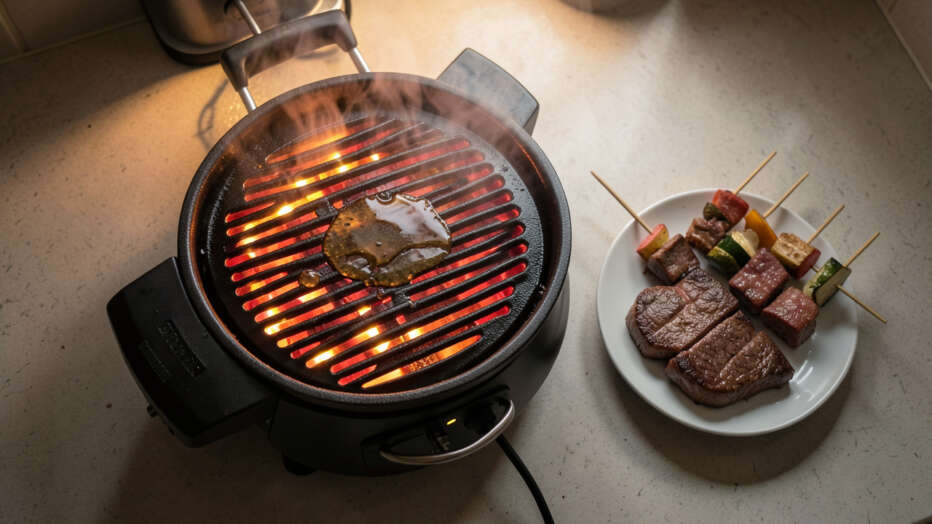
Don’t Skip the Preheat
One of the biggest slip-ups beginners make is not giving their indoor electric grill enough time to heat up. Grilling food is all about high heat searing. If you put your food on a grill that’s not hot enough, you won’t get that nice brown crust.
Instead, your food might steam or cook unevenly. This can lead to bland flavors and a less-than-satisfying texture. Think of it like starting an oven; you wouldn’t put a cake in a cold oven and expect it to bake properly, right?
The same goes for grilling.
Why Preheating Matters
A properly preheated grill surface creates a barrier. This barrier helps to lock in the juices of your food. It also gives you that sought-after char mark and smoky flavor, even without charcoal.
The heat energy transfers efficiently to the food, cooking it faster and more evenly. Skipping this step means you’re missing out on the core benefits of grilling.
How to Preheat Properly
Always turn on your grill and let it reach its set temperature for at least 5-10 minutes before you place any food on it. Most electric grills have an indicator light that tells you when they’re ready. For the best results, set your grill to medium-high heat.
This ensures the surface is hot enough to sear without burning too quickly.
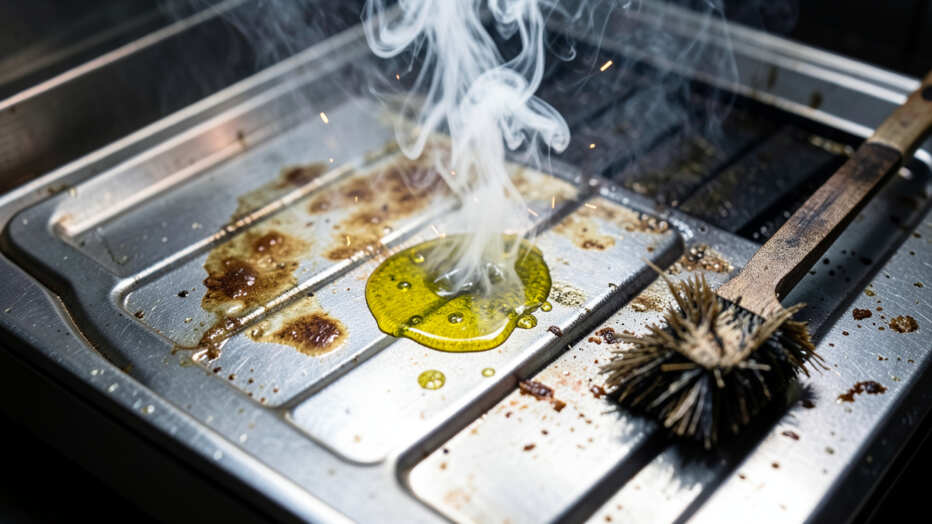
Oiling the Wrong Thing
Another common mistake is spraying cooking oil directly onto the grill plates. While it might seem logical, this can lead to a few problems. First, too much oil can drip down into the heating elements, causing smoke and potentially damaging the grill over time.
Second, it can create an uneven cooking surface. Some spots might get too much oil, leading to burnt bits, while others might not get enough, causing food to stick.
The Stickiness Issue
Food sticking to the grill is a major frustration. It makes food fall apart and cleaning much harder. Many non-stick grill plates are designed to prevent this, but improper oiling can negate those benefits.
The Better Way: Oil Your Food
A much more effective method is to lightly coat your food with oil before placing it on the grill. You can use a brush, your hands, or even a spray bottle filled with oil to evenly coat your steaks, vegetables, or chicken. This ensures the oil is where you need it – on the food – and helps create that perfect sear without the mess and potential damage to the grill itself.
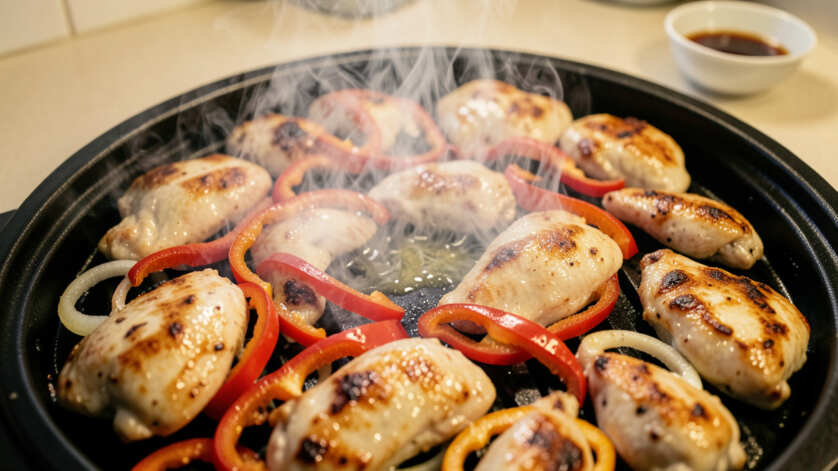
Overcrowding the Grill
It’s tempting to try and cook everything at once, especially when you’re feeding a family. However, overcrowding your indoor electric grill is a recipe for disappointment. When you pack too much food onto the surface, you block the airflow.
This prevents the grill from heating evenly and efficiently. Your food won’t get that nice sear; instead, it will steam. You’ll end up with unevenly cooked, pale food.
Why Airflow is Important
Grilling relies on direct heat and good circulation. Overcrowding creates a barrier that traps moisture. This leads to boiling rather than grilling.
It also makes it hard to flip or move the food without bumping into other pieces.
Grill in Batches
The solution is simple: cook in batches. Leave enough space between each piece of food so that heat can circulate freely around it. This allows for proper searing and even cooking.
It might take a little longer overall, but the quality of your grilled food will be far superior. You’ll get those beautiful grill marks and perfectly cooked insides.
Flipping Too Much
Patience is a virtue, especially when grilling. Many people fall into the trap of constantly flipping their food. They think that by moving it around, they’ll cook it faster or more evenly.
This is another mistake that leads to disappointing results. Constant flipping prevents the food from developing a good sear on each side. It also releases more of the natural juices, leaving your food dry.
The Science of Searing
When you place food on a hot grill, a crust begins to form. This crust is what gives grilled food its characteristic flavor and texture. If you keep flipping the food, you interrupt this process.
You’re essentially preventing the crust from developing properly. You also run the risk of pushing the food around too much, which can tear delicate items.
Let It Be
Resist the urge to constantly turn your food. For most items, letting them cook undisturbed for several minutes on each side is best. You’ll hear a gentle sizzle, and you’ll see a nice crust forming.
Wait until the food releases easily from the grill before attempting to flip it. This ensures a better sear and juicier results.
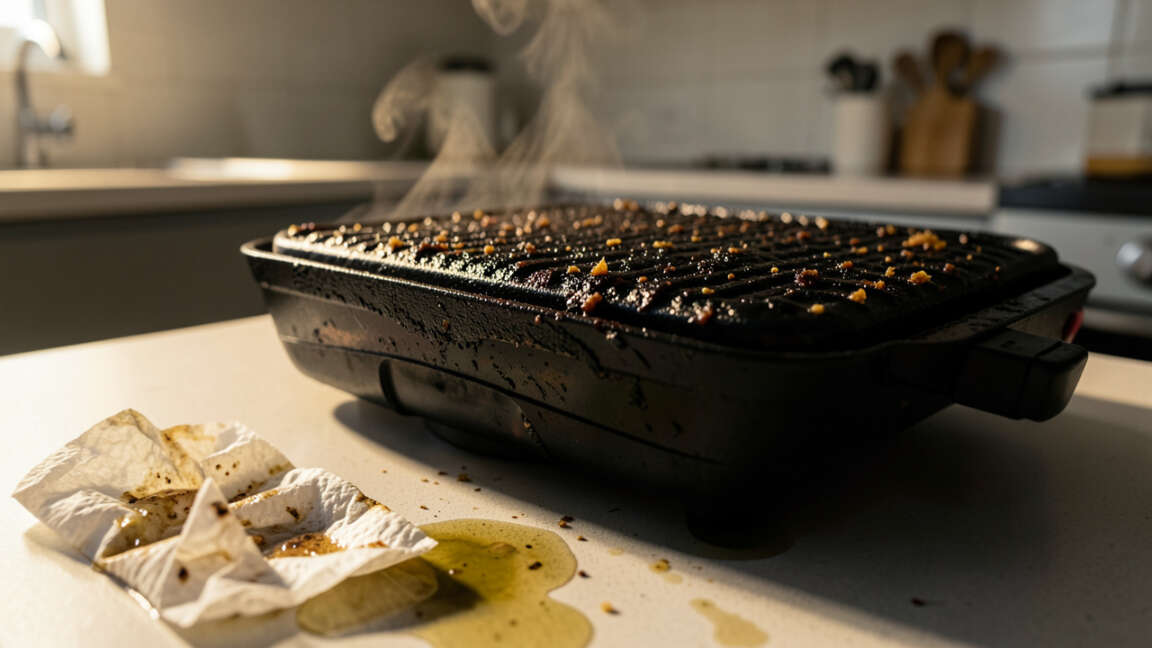
Ignoring Cleaning and Maintenance
After a delicious meal, the last thing many people want to think about is cleaning. However, neglecting the cleaning and maintenance of your indoor electric grill is a significant mistake. Food residue and grease buildup can affect the performance of your grill.
It can also lead to smoke and unpleasant odors the next time you use it. Worse, old grease can become a fire hazard.
The Impact of Buildup
Grease and food particles can clog the vents and heating elements. This makes your grill less efficient and can lead to uneven heating. It also creates a breeding ground for bacteria, which is a health concern.
A dirty grill is simply not a safe or effective grill.
Regular Cleaning Routine
Make cleaning a part of your grilling routine. Always allow the grill to cool down slightly, but clean it while it’s still warm – food residue comes off much easier then. Use a soft brush or sponge with mild soap and water.
For stubborn bits, a non-abrasive scrubber can help. Ensure the grill is completely dry before storing it. For removable plates, check your manual; many are dishwasher safe.
Regular cleaning will keep your grill working well for years.
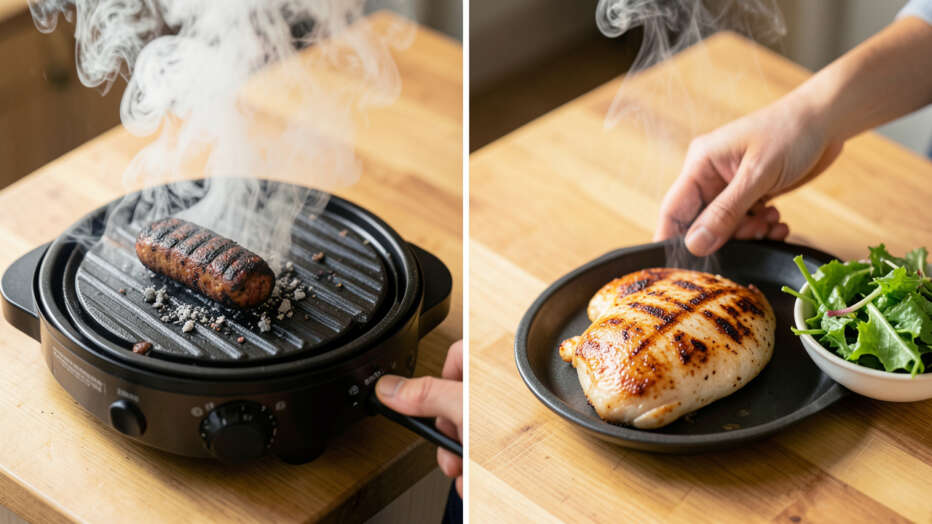
Using the Wrong Heat Settings
Indoor electric grills often have adjustable temperature controls, but many users tend to stick to just one setting, usually high. This lack of variation in heat can lead to problems. Using high heat for everything might seem like the fastest way to cook, but it’s not always the best.
Delicate foods can burn quickly on the outside while remaining raw inside. Thicker cuts might need a lower temperature to cook through without burning.
Matching Heat to Food
Different types of food require different cooking temperatures for optimal results. For instance, thin-cut vegetables like asparagus or bell peppers cook quickly and benefit from medium-high heat. Thicker items like steaks or chicken breasts might need a medium-high heat to sear initially, followed by a slightly lower heat to ensure they cook through to the center without charring.
Experiment with Settings
Don’t be afraid to experiment with your grill’s temperature settings. Start by checking recipes for recommended temperatures. If you’re grilling something new, begin with a medium setting and adjust as needed.
Observe how your food is cooking. If it’s browning too fast, lower the heat. If it’s taking too long, slightly increase it.
Learning your grill’s heat zones is key to mastering it.
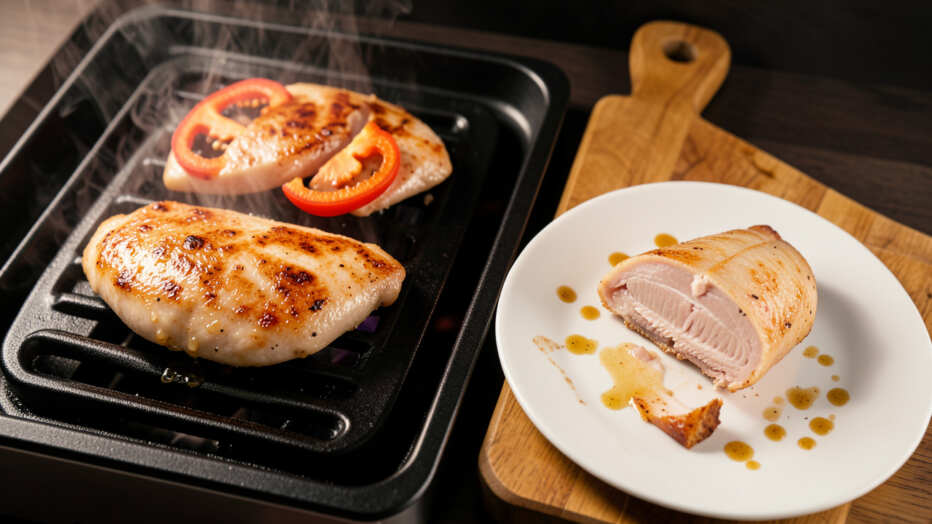
Not Letting Food Rest
This mistake isn’t exclusive to indoor electric grills, but it’s often overlooked by beginners. After cooking, pulling food directly off the grill and onto your plate means the juices haven’t had a chance to redistribute. When you cut into the food immediately, those delicious juices will run out, leaving the meat dry and less flavorful.
This is particularly true for steaks and roasts.
The Importance of Resting
When meat cooks, the muscle fibers tighten, forcing the juices towards the center. Letting the food rest for a few minutes after cooking allows these fibers to relax. As they relax, the juices spread back out throughout the meat, making it moister and more tender.
It’s a simple step that makes a huge difference in the final taste and texture.
Give It Time
For most grilled items, especially meats, a rest time of 5-10 minutes is usually sufficient. You can tent the food loosely with foil to keep it warm. This short waiting period will pay off in a much more enjoyable eating experience.
Think of it as the final, crucial step in perfect grilling.
Frequently Asked Questions
Question: Can I use foil on my indoor electric grill?
Answer: Generally, it’s best to avoid using aluminum foil on the cooking surface of most indoor electric grills. Foil can interfere with heat distribution and airflow, potentially damaging the non-stick coating or heating elements. Always check your grill’s manual for specific recommendations.
Question: How do I get good grill marks?
Answer: Good grill marks come from a properly preheated grill and not moving the food too soon. Ensure your grill is hot, place your food down, and let it cook undisturbed for a few minutes before flipping to create those distinct lines.
Question: My food tastes bland. What am I doing wrong?
Answer: Blandness can be caused by several factors. Ensure you’re seasoning your food adequately before grilling. Also, make sure your grill is hot enough to sear, which enhances flavor.
Don’t overcrowd the grill, as this can lead to steaming rather than grilling, affecting taste.
Question: How often should I clean my indoor electric grill?
Answer: It’s best to clean your grill after every use. For removable plates, a quick wipe-down while warm is ideal. For the main unit, a deeper clean periodically, based on how frequently you use it, is recommended.
Regular cleaning prevents buildup and ensures better performance.
Question: Can I grill frozen food on an electric grill?
Answer: It is not recommended to grill frozen food on most indoor electric grills. Frozen food will take much longer to cook and is difficult to get to a safe internal temperature without burning the outside. It’s best to thaw food completely before grilling.
Final Thoughts
You’ve learned about the common traps that beginners fall into with indoor electric grills. By avoiding these 7 mistakes, you’re setting yourself up for success. Remember to always preheat your grill, oil your food instead of the grill, and avoid overcrowding.
Be patient with flipping, clean your grill regularly, use the right heat settings, and let your food rest. These simple steps will make a big difference. Get ready to enjoy perfectly grilled meals right in your own kitchen!

![Can Air Fryers Truly Replace Ovens[1]](https://creativehouseblog.com/wp-content/uploads/2026/03/Can_Air_Fryers_Truly_Replace_Ovens1-768x448.jpg)
![7 Meat Grinder Mistakes To Avoid[1]](https://creativehouseblog.com/wp-content/uploads/2026/04/7_Meat_Grinder_Mistakes_To_Avoid1-768x448.jpg)

![What New Homeowners Should Fix First 30 Days[1]](https://creativehouseblog.com/wp-content/uploads/2026/05/What_New_Homeowners_Should_Fix_First_30_Days1-1-768x403.jpg)
![How Pressure Cookers Work Made Easy[1]](https://creativehouseblog.com/wp-content/uploads/2026/03/How_Pressure_Cookers_Work_Made_Easy1-768x448.jpg)
![How To Unblock Drains Without Chemicals[1]](https://creativehouseblog.com/wp-content/uploads/2026/05/How_To_Unblock_Drains_Without_Chemicals1-768x403.jpg)