
A monthly home inspection should cover critical safety detectors, water heater functionality, HVAC filters, plumbing for leaks or clogs, appliance performance, and signs of pest infestation. Specifically, you must test smoke and carbon monoxide alarms, flush sediment from water heaters, replace or clean HVAC filters, inspect sinks and drains, check refrigerators, freezers, and washer/dryer operation. These routine checks are essential for preventing hazards, avoiding costly repairs, and maintaining overall household efficiency and safety.
Keeping your home in good shape can feel like a lot, especially when you’re just starting out.
You might wonder, “What to check in your home every single month without fail?” It’s easy to get overwhelmed. But don’t worry!
We’ll break it down into simple steps. You’ll learn exactly what to look for each month so you can keep your home running smoothly and prevent small problems from becoming big ones. Let’s find out what needs your attention regularly.
Key Takeaways
- Regular monthly checks help prevent costly repairs.
- You will learn to spot potential issues early.
- Simple tasks can save you time and money in the long run.
- A routine check ensures your home’s safety and comfort.
- You will gain confidence in home maintenance.
Monthly Home Safety and Maintenance Checks
This section covers the most important areas to inspect in your home every month. Regular checks are key to keeping your home safe and preventing small problems from becoming big, expensive ones.
By spending a little time each month, you can catch issues before they cause serious damage or safety hazards.
These checks are designed to be easy for anyone to do, regardless of their experience with home maintenance. We will go through each area step by step.
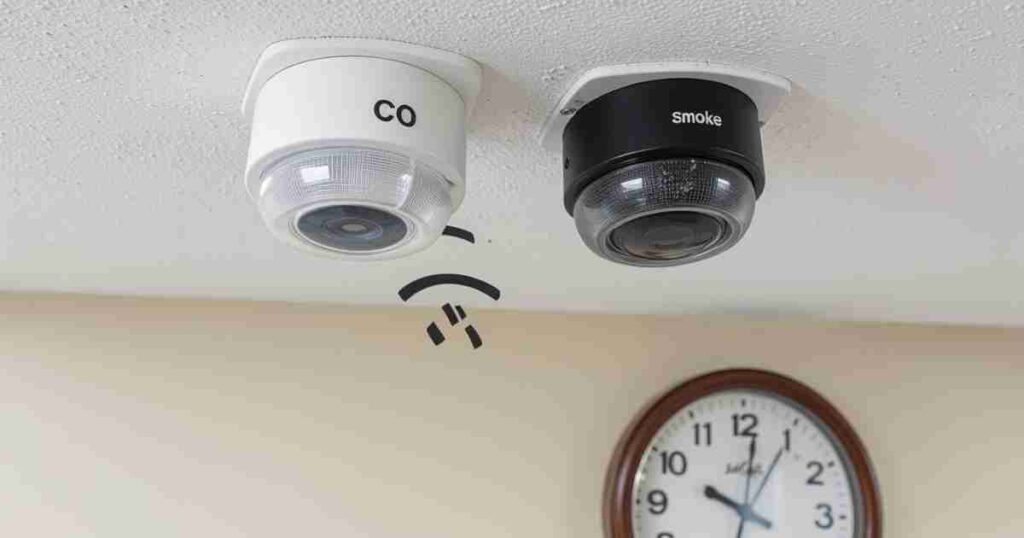
Checking Your Smoke and Carbon Monoxide Detectors
Smoke and carbon monoxide detectors are vital for your family's safety. They are your first line of defense against fires and dangerous gas leaks. Testing them monthly ensures they are working correctly.
A simple push of a button can tell you if they are functional. Remember, batteries need replacing at least once a year, but testing is a quick monthly habit.
- Test the alarms: Press and hold the test button on each smoke and carbon monoxide detector. You should hear a loud, piercing sound. If you don’t hear anything, or the sound is weak, replace the batteries immediately. If the detector is still not working after replacing the batteries, it may be time to replace the unit itself. Most detectors have a lifespan of about 10 years.
- Check for expiration dates: Most detectors have an expiration date printed on the back or side. If a detector is past its expiration date, it should be replaced. Even if it seems to be working, its ability to detect smoke or carbon monoxide may be compromised. Mark your calendar for replacement to avoid missing this important safety step.
- Clean the detectors: Dust and debris can accumulate inside the detector, interfering with its sensors. Gently vacuum the outside of the detector with a soft brush attachment. For a more thorough cleaning, you can carefully remove the cover (if possible according to the manufacturer’s instructions) and use a can of compressed air to blow out any dust from the sensor chamber.
One real-life example of why this is important is when a family discovered their smoke detector’s battery had died, and they wouldn’t have known if they hadn’t tested it monthly.
Another scenario involves a carbon monoxide detector that had expired and was no longer functioning, leaving the home vulnerable to a silent threat. These simple checks are often overlooked, but they are crucial for preventing tragedy.
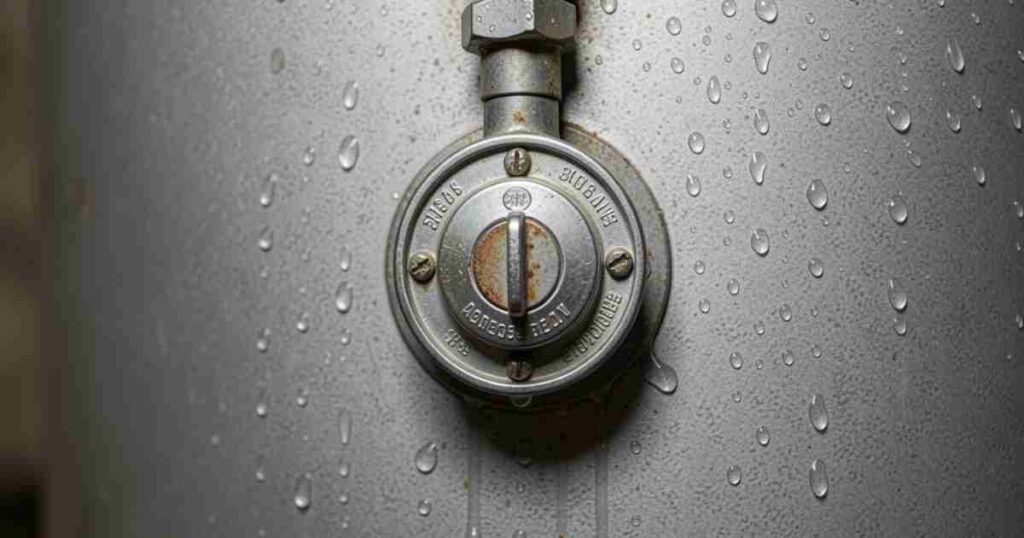
Inspecting Your Water Heater
Your water heater is a large appliance that provides hot water for your home. It's important to check it regularly for leaks or signs of corrosion. Catching small issues can prevent a major flood and water damage.
You don’t need to be a plumber to do this; a visual inspection is often enough.
- Look for leaks: Carefully examine the base of the water heater and the connections for any signs of water. Even a small drip can indicate a problem that needs attention. Check the inlet and outlet pipes, as well as the pressure relief valve, for moisture or mineral deposits.
- Check for rust and corrosion: Look for any signs of rust or corrosion on the tank, pipes, or valves. Reddish-brown stains can indicate the beginning of rust, which can lead to leaks over time. Pay close attention to the bottom of the tank where sediment often collects.
- Test the pressure relief valve: This valve is a safety feature that releases pressure if it gets too high. To test it, gently lift the lever on the valve for a few seconds. A small amount of hot water should come out. If no water comes out, or if the valve continues to drip after you release the lever, it may need to be replaced.
A common issue is a slow leak from the bottom of a water heater, which can go unnoticed for months, leading to significant damage to flooring and subflooring.
Another example is a corroded valve that fails to open under pressure, creating a dangerous situation.
Regular checks help identify these problems early, allowing for repairs before they become emergencies.
Reviewing Your HVAC System Filters
Your heating, ventilation, and air conditioning (HVAC) system keeps your home comfortable year-round.
Dirty filters can reduce efficiency, increase energy bills, and even cause system damage. Changing or cleaning your filters monthly is one of the easiest ways to maintain your system.
- Locate and remove the filter: Your HVAC system’s filter is usually located in the return air duct, near the air handler or furnace. Consult your system’s manual if you can’t find it. Once located, slide out the old filter.
- Inspect the filter’s condition: Hold the filter up to a light. If you can’t see light through it, or if it’s visibly clogged with dust and debris, it’s time for a change. Heavily soiled filters restrict airflow.
A clogged filter can make your furnace or air conditioner work harder, leading to higher energy bills. For instance, a dirty filter can reduce airflow by up to 50%, forcing your system to run longer and consume more power. This also puts extra strain on the motor and other components, potentially shortening the life of your HVAC system.
Keeping filters clean is a simple preventative measure.
Examining Your Plumbing Fixtures and Drains
Your plumbing system is essential for everyday living. Checking faucets, toilets, and drains monthly can help you catch leaks and slow drains before they become bigger problems. These checks are straightforward and can save you from water damage and costly plumbing bills.
- Check faucets for leaks: Turn on each faucet and let it run for a minute, then turn it off. Listen for any dripping sounds and look for any visible drips or moisture around the base of the faucet. A small drip can waste a surprising amount of water over time.
- Inspect toilets for leaks: Flush each toilet and observe the tank. Listen for any sounds of running water after the tank has refilled. You can also add a few drops of food coloring to the tank and wait 15-30 minutes without flushing. If the color appears in the bowl, the toilet has a leak in the flapper.
- Test drain flow: Run water in sinks and tubs and observe how quickly it drains. If you notice water backing up or draining slowly, it indicates a clog is forming. This is a good time to use a plunger or a natural drain cleaner to clear the obstruction before it becomes severe.
A slow drain in a bathroom sink might seem minor, but it can indicate a developing clog that could eventually lead to a complete blockage and overflow. Similarly, a toilet that constantly runs can waste hundreds of gallons of water per day, significantly increasing your water bill. Catching these issues early is much easier than dealing with a flooded bathroom or a sewage backup.
Looking for Signs of Pests
Pests like insects and rodents can cause damage to your home and pose health risks. Monthly checks can help you identify and address pest problems early, before they become infestations. Being vigilant can save your home from structural damage and keep your family healthy.
- Inspect common entry points: Look for any cracks or gaps around windows, doors, and foundations where pests might enter. Pay attention to areas where utilities enter the house, such as pipes and wiring. Seal any openings you find with caulk or weather stripping.
- Check for droppings or damage: Look for signs of pest activity such as droppings, gnaw marks on wood or wiring, shredded materials, or unusual smells. These are clear indicators that pests are present and actively causing damage. Focus your search in dark, undisturbed areas like attics, basements, and inside cabinets.
- Examine stored food items: In pantries and kitchens, check packaged foods for signs of infestation, such as small holes in packaging or the presence of live insects. Proper food storage in sealed containers can significantly reduce the risk of attracting pests.
Discovering a small trail of ants early allows for a simple cleanup and deterrent, preventing a full-blown infestation that requires professional pest control. Another scenario involves finding small gnaw marks on a basement wooden support beam, which, if left unchecked, could indicate a termite problem that might compromise the structural integrity of your home over time. Early detection is key to effective pest management.
Monthly Appliance Checks
Your appliances work hard for you. A quick monthly check ensures they are running efficiently and safely. This section focuses on some key appliances and what to look for to keep them in top condition and avoid unexpected breakdowns.
Refrigerator and Freezer Inspection
Your refrigerator and freezer are essential for preserving food. Checking them regularly ensures they are operating correctly and efficiently. This helps prevent food spoilage and saves energy.
- Check seals on doors: Ensure the rubber seals around the refrigerator and freezer doors are clean and intact. A damaged or dirty seal can allow cold air to escape, making the appliance work harder and increasing energy consumption. You can test the seal by closing the door on a piece of paper; if you can pull the paper out easily, the seal may need to be cleaned or replaced.
- Inspect for proper cooling: Place a thermometer inside your refrigerator and freezer to check their temperatures. The refrigerator should be around 37-40°F (3-4°C), and the freezer should be at 0°F (-18°C). If temperatures are not optimal, check for obstructions around the vents inside the appliance and ensure the coils on the back are clean.
- Clean interior and exterior: Regularly clean spills and food residue from inside the refrigerator and freezer. Also, wipe down the exterior, including the handles and control panel. Keeping the exterior clean is not only hygienic but also helps prevent dirt buildup that could affect performance.
For example, a refrigerator with a faulty door seal might struggle to maintain its temperature, leading to food spoiling faster and costing you money in wasted groceries. Similarly, a freezer that isn’t cold enough can cause food to partially thaw and refreeze, compromising its quality and safety. Regular checks of seals and temperature ensure your appliances are doing their job effectively.
Washing Machine and Dryer Functionality
Your laundry appliances are used frequently. Checking them monthly can prevent leaks, fires, and ensure they clean your clothes effectively. These simple checks are vital for maintaining their performance and safety.
- Inspect washing machine hoses: Check the water inlet hoses for any signs of cracking, bulging, or leaks. These hoses carry water into the washing machine and can burst if they are old or damaged, leading to significant water damage. It’s recommended to
- Clean the dryer lint trap and vent: After every use, clean the lint trap. However, monthly, it’s important to ensure the dryer vent hose is clear of lint buildup. Lint accumulation is a major fire hazard. Disconnect the vent hose from the back of the dryer and clean out any lint. Also, check the exterior vent opening to ensure it’s not blocked.
- Listen for unusual noises: During a wash or dry cycle, listen for any strange sounds like grinding, banging, or squealing. These noises can indicate a problem with the drum, motor, or other internal components that may need attention from a technician.
A burst washing machine hose can release gallons of water in minutes, causing extensive damage to floors, walls, and even ceilings below. A clogged dryer vent is a leading cause of house fires, as flammable lint can ignite from the heat of the dryer. Regular inspections of hoses and vents are critical safety measures.
Checking Your Dishwasher
Your dishwasher makes kitchen cleanup easier. A monthly check ensures it cleans dishes properly and doesn’t cause any leaks.
- Clean the filter: Most dishwashers have a filter at the bottom that catches food particles. Remove and clean this filter regularly to prevent clogs and ensure efficient cleaning. Check your dishwasher’s manual for specific instructions on how to access and clean the filter.
- Inspect for leaks: Run a short cycle and observe the dishwasher for any signs of leaks around the door or base. If you notice water on the floor, check the door seal for damage or debris. Ensure the dishwasher is level, as an uneven appliance can also cause leaks.
- Ensure spray arms are clear: Make sure the spray arms inside the dishwasher are not blocked by utensils or food debris. If they are blocked, they cannot distribute water effectively, leading to dirty dishes. Rotate them manually to ensure they move freely.
A clogged dishwasher filter can lead to dirty dishes and unpleasant odors. If left unaddressed, it can also cause the dishwasher to malfunction or even overflow. Checking and cleaning this small component regularly ensures your dishwasher performs at its best.
Exterior Home Checks
The outside of your home protects you from the elements. Monthly checks of the exterior can help you spot problems before they affect your home’s structure or lead to bigger issues.
Gutter and Downspout Inspection
Gutters and downspouts are crucial for managing rainwater and directing it away from your home’s foundation. Clogged gutters can cause water damage to your roof, walls, and basement.
- Check for debris: Visually inspect your gutters for any accumulation of leaves, twigs, dirt, or other debris. If they appear full, it’s time to clean them out. You can use a small trowel or a specialized gutter cleaning tool for this.
- Look for loose or damaged sections: Ensure the gutters are securely attached to your house. Check for any sagging, loose fasteners, or cracks in the gutter material. Also, inspect the downspouts to make sure they are properly connected and clear of obstructions.
- Verify water flow: After a rain, observe how well the water is flowing through the gutters and downspouts. Water should be directed away from the foundation. If you see water pooling near the base of your home, the downspouts may be too short or blocked.
Clogged gutters can cause water to back up under your roof shingles, leading to leaks and rot in the roof structure. This can be a costly repair. In heavy rain, a blocked gutter can overflow, potentially causing water to seep into your basement or crawl space, leading to mold and mildew growth.
Foundation and Exterior Wall Inspection
Your home’s foundation and exterior walls are its primary defenses against the weather and ground movement. Monthly visual checks can alert you to potential problems early.
- Look for cracks in the foundation: Examine the visible parts of your foundation for any new cracks or widening of existing ones. Small hairline cracks might be normal, but larger cracks or those that look like they are growing could indicate serious structural issues.
- Inspect exterior walls for damage: Check your siding or brickwork for any signs of damage, such as cracks, loose pieces, or deterioration. Pay attention to areas around windows and doors where water might be entering. Ensure paint is not peeling or blistering excessively.
- Check for signs of water pooling: Ensure that the ground around your foundation slopes away from the house. If water pools near the foundation after rain, it can saturate the soil and put pressure on the foundation walls, leading to cracks or basement leaks over time.
A small crack in the foundation might seem insignificant, but it can allow moisture to enter your basement, leading to mold and structural damage. For instance, a foundation crack that is half an inch wide or longer is a cause for concern and warrants professional evaluation. Regular inspection ensures these issues are addressed before they compromise the entire structure.
Reviewing Window and Door Seals
Windows and doors are often points of energy loss and potential entry for water and pests. Regularly checking their seals is important for maintaining comfort and preventing damage.
- Check for drafts: On a windy day, hold your hand near the edges of windows and doors to feel for any drafts. Drafts indicate that the seals are not working properly, allowing conditioned air to escape and outside air to enter, increasing your energy bills.
- Inspect weatherstripping and caulk: Examine the weatherstripping around doors and the caulk around windows for any signs of wear, cracking, or deterioration. If weatherstripping is compressed or damaged, it won’t seal effectively. Cracked or missing caulk allows water and air to penetrate.
- Look for condensation: While some condensation can occur naturally, excessive condensation on the inside of window panes, especially between double or triple-paned windows, can indicate a seal failure. This can lead to reduced insulation and potential mold growth.
For example, a window with a faulty seal might lead to a noticeable increase in your heating and cooling bills because your HVAC system has to work harder to compensate for the lost energy. Another scenario is water seeping through a damaged door seal during heavy rain, leading to warped door frames or water damage on interior flooring.
What to Check in Your Home Every Single Month Without Fail
This section is a culmination of all the checks we’ve discussed, reinforcing the importance of a consistent routine. It’s about building habits that protect your home.
Creating Your Monthly Home Maintenance Checklist
Having a clear checklist makes the process easy to follow and ensures you don’t miss anything important. This systematic approach helps you stay on top of your home’s needs.
- Assign specific days: Choose a day or two each month for your checks. For example, the first Saturday of the month or the 15th of every month. This makes it a routine part of your schedule.
- Use a printable or digital list: Keep your checklist handy. You can print a list and check off items, or use a digital checklist on your phone or computer. Some apps are designed specifically for home maintenance tracking.
- Keep a log: Note down any issues you find and the actions you take to fix them. This log can be helpful for tracking recurring problems or for informing future repairs. It also serves as a record for potential buyers if you decide to sell your home later.
A well-organized checklist can transform home maintenance from a chore into a simple, manageable task. For instance, a family that starts using a monthly checklist finds they are no longer surprised by minor issues, as they are caught and fixed early. This proactive approach saves them stress and money over time.
The Benefits of Consistent Monthly Checks
The advantages of performing these checks every month are significant. They go beyond just fixing immediate problems; they contribute to the overall health and longevity of your home.
- Preventative Care: These checks are all about prevention. By spotting potential issues early, you stop small problems from turning into costly and time-consuming repairs. This includes preventing water damage, fire hazards, and structural issues.
- Cost Savings: Regular maintenance is almost always cheaper than emergency repairs. For example, replacing a worn-out washer in a faucet costs pennies, while fixing water damage caused by a persistent drip can cost thousands. Similarly, an energy-efficient HVAC system due to clean filters saves money on utility bills.
- Enhanced Safety: Critical safety devices like smoke detectors and carbon monoxide alarms must work. Regular testing ensures they will function when needed most, protecting your family from fires and gas leaks. Checking for pest infestations also contributes to a healthier living environment.
- Increased Home Value: A well-maintained home is more appealing and valuable. Prospective buyers are often willing to pay more for a home that shows signs of regular care and upkeep, as it suggests fewer immediate repair needs.
Consider the statistic that timely maintenance can prevent up to 80% of common home repairs. This highlights the power of proactive care. For example, a study by the National Association of Home Builders found that regular maintenance can add years to the lifespan of major home systems like HVAC units and water heaters, saving homeowners thousands in replacement costs over the life of the home.
Frequently Asked Questions
Question: How often should I really check my smoke detectors?
Answer: You should test your smoke detectors every month by pressing the test button. Also, replace the batteries at least once a year or as recommended by the manufacturer, and replace the entire unit every 10 years.
Question: What if I find a crack in my foundation?
Answer: If you find a crack in your foundation, it’s best to get it inspected by a professional. While small hairline cracks can be normal, larger or growing cracks could signal a more serious issue that needs immediate attention.
Question: How can I tell if my water heater is starting to fail?
Answer: Look for signs of rust or corrosion on the tank, pipes, or valves. Also, check for any leaks around the base of the unit. If the water pressure is lower than usual or the water isn’t heating properly, it might be time for a service check.
Question: My drains are slow, what should I do?
Answer: If your drains are slow, try using a plunger first. If that doesn’t work, you can try a natural drain cleaner or carefully remove and clean the drain trap under the sink. If the problem persists, it might be a deeper clog requiring a plumber.
Question: Is it really necessary to clean my dryer vent every month?
Answer: You should clean the lint trap after every use. It’s highly recommended to clean the dryer vent hose and exterior vent opening at least monthly, or more often if you notice reduced drying times, as lint buildup is a fire hazard.
Summary
Regular monthly checks are the best way to keep your home safe and sound. You learned what to check in your home every single month without fail. From smoke alarms to drains, these simple tasks prevent big problems.
Make a checklist and stick to it. Your home will thank you for it.

![Flat Roof Maintenance Checks To Prevent Leaks[1]](https://creativehouseblog.com/wp-content/uploads/2026/05/Flat_Roof_Maintenance_Checks_To_Prevent_Leaks1-768x403.jpg)
![9 Reasons Your Ice Maker Isn’T Working Properly[1]](https://creativehouseblog.com/wp-content/uploads/2026/04/9_Reasons_Your_Ice_Maker_IsnT_Working_Properly1-768x448.jpg)
![6 Reasons Your Homemade Pizza Isn’T Cooking Properly[1]](https://creativehouseblog.com/wp-content/uploads/2026/04/6_Reasons_Your_Homemade_Pizza_IsnT_Cooking_Properly1-768x448.jpg)
![What Can You Make With A Stand Mixer[1]](https://creativehouseblog.com/wp-content/uploads/2026/03/What_Can_You_Make_With_A_Stand_Mixer1-768x448.jpg)
![7 Signs Your Home Wiring Is Outdated and Unsafe[1]](https://creativehouseblog.com/wp-content/uploads/2026/05/7_Signs_Your_Home_Wiring_Is_Outdated_and_Unsafe1-768x403.jpg)
![9 Delicious Crepe Ideas You Can Try At Home[1]](https://creativehouseblog.com/wp-content/uploads/2026/04/9_Delicious_Crepe_Ideas_You_Can_Try_At_Home1-768x448.jpg)