
Consistent maintenance checks for flat roofs are necessary to prevent leaks by identifying and addressing common problems like surface cracks, seam separations, and ponding water early. Effective maintenance includes seasonal inspections tailored to weather conditions, such as spring checks for winter damage and fall preparations for cold weather. This approach not only prevents water damage and structural issues but also saves money on repairs and enhances roof durability over time.
Taking care of a flat roof can seem a bit tricky, especially if you’re new to it. Lots of people wonder about the best ways to keep their flat roofs in good shape. It’s easy to feel overwhelmed by all the different things you might need to check.
But don’t worry! We’re going to walk through it together, step by step. You’ll learn simple checks that make a big difference.
We’ll cover what to look for and when, so you can feel confident about your roof.
Key Takeaways
- You will learn how to spot common roof problems early.
- This post will explain simple, regular checks you can do.
- We will cover seasonal maintenance tips for flat roofs.
- You will find out why these checks are important for saving money.
- The steps are easy to follow for anyone.
- You will understand how to prevent water damage to your home.
![Flat Roof Maintenance Checks To Prevent Leaks[1]](https://creativehouseblog.com/wp-content/uploads/2026/05/Flat_Roof_Maintenance_Checks_To_Prevent_Leaks1.jpg)
Why Flat Roof Maintenance Checks Are Important
Keeping your flat roof in good shape is super important. Think of it like taking your car for regular oil changes. If you skip them, small issues can turn into big, expensive problems.
For flat roofs, this often means leaks. Water can get into tiny cracks and then cause a lot of damage inside your house. Flat Roof Maintenance Checks to Prevent Leaks Year Round are not just about fixing things when they break.
They are about stopping problems before they even start. This saves you money on repairs and keeps your home safe and dry. It’s a smart way to protect your biggest investment.
Common Flat Roof Materials and Their Needs
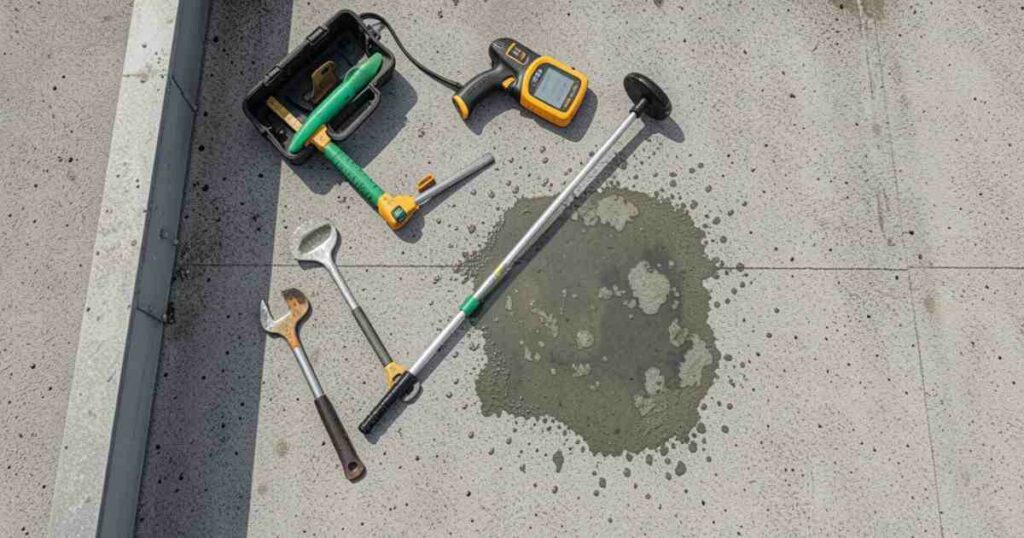
Flat roofs can be made from different stuff, and each needs a little bit of special care. Some common types include built-up roofing (BUR), modified bitumen, single-ply membranes like EPDM (rubber), TPO, and PVC. Each material has its own way of handling the weather.
For instance, rubber roofs are pretty tough but can get holes from sharp objects. Modified bitumen has layers that need to stay sealed together. Knowing what your roof is made of helps you know what to look for during your checks.
It’s like knowing your dog needs a certain kind of food; your roof needs the right kind of attention too.
- Built-Up Roofing (BUR): This is made of layers of asphalt and reinforcing materials. It’s very strong but can crack if it gets too hot or too cold.
- Modified Bitumen: It’s like BUR but with added rubber or plastic to make it more flexible. This helps it handle temperature changes better.
- Single-Ply Membranes (EPDM TPO PVC): These are large sheets that cover the whole roof. They are flexible and often white to reflect sun.
The Impact of Weather on Flat Roofs
Weather plays a huge role in how your flat roof holds up. Sun, rain, snow, hail, and strong winds can all cause wear and tear over time. Intense sun can dry out and crack some roofing materials.
Rain and snow can sit on the roof if drainage isn’t perfect, adding weight and forcing water into any small openings. Wind can lift up edges of the roofing material, creating places for water to get under. Freezing and thawing cycles are also tough on roofs.
Water can seep into tiny cracks, freeze, expand, and make those cracks bigger. That’s why year-round checks are so important – different seasons bring different challenges.
For example, a study showed that roofs exposed to extreme temperature swings can experience up to 50% more material fatigue than those in moderate climates. This highlights how vital it is to be proactive.
Seasonal Flat Roof Maintenance Checks
Doing regular checks on your flat roof at different times of the year is like giving it a health check-up.
It helps catch problems when they are small and easy to fix. Spring, summer, fall, and winter each have their own special things to watch out for.
By following a seasonal schedule, you can make sure your roof is ready for whatever the weather throws at it.
This proactive approach saves you from costly repairs down the road and keeps your home protected. It’s a smart habit to build for any homeowner.
Spring Roof Inspections
After a long winter, your flat roof might need a good look-over. Snow and ice can do damage, and spring rains are often heavy. It’s the perfect time to check for any leaks that may have started during the cold months.
Look for any new cracks, blisters, or areas where the roofing material might have pulled away.
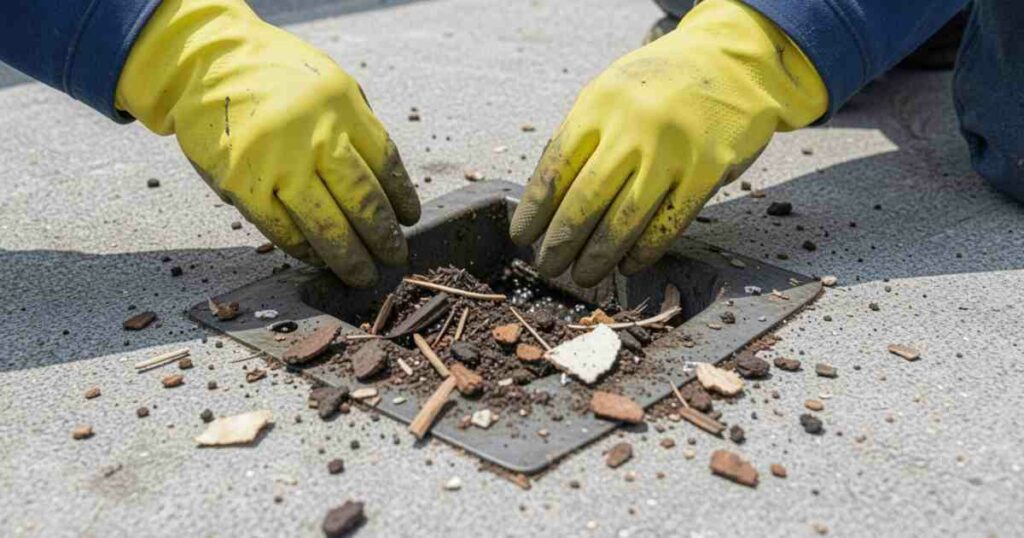
Also, check your roof’s drainage system – gutters, scuppers, and downspouts – to make sure they are clear of debris like leaves and twigs. Clogged drains can cause water to pool on the roof, which is a big no-no.
- Clear debris from gutters and scuppers.
- Inspect for cracks, blisters, and loose seams.
- Check for ponding water after rain.
- Look for damage from falling branches or ice.
A simple tool like a broom or a leaf blower can help clear away leaves and dirt. For more thorough checks, a sturdy ladder and good lighting are helpful.
If you see any small holes or tears, they can often be patched up with a special roofing sealant.
This stops water from getting in and causing more trouble. It’s much easier and cheaper to fix a small patch than to repair a large water-damaged area.
Summer Roof Maintenance
Summer is a great time for a more detailed inspection because the weather is usually good.
The sun’s heat can reveal issues like soft spots or areas where the roofing material has started to break down. Check all the seams and edges to make sure they are still well-sealed.
Heat can also cause some materials to expand, so look for any signs of stress. Keep an eye on any vents, pipes, or skylights that go through the roof. The seals around these penetrations can dry out and crack.
- Inspect all roof seams and flashing.
- Check around roof penetrations (vents, pipes).
- Look for signs of UV damage or blistering.
- Ensure drainage systems are working well.
For example, if you have a single-ply membrane roof, summer heat can sometimes cause it to expand.
If it’s not properly fastened, this expansion could lead to it pulling away from the edges. Checking these edges is key.
Also, summer storms can be sudden and fierce. Ensuring your drainage is clear means water can escape quickly, preventing water buildup that can weaken the roof structure over time.
Fall Roof Preparation
As the leaves start to fall and cooler weather approaches, it’s time to get your roof ready for winter.
Fall is a critical time to clean off any accumulated leaves, twigs, and other debris. These can clog drains and hold moisture against the roof surface.
Pay extra attention to gutters and scuppers. Also, do a final check for any damage that might have occurred over the summer, like loose gravel on a BUR roof or small tears in a membrane. Repairing these now will prevent water from freezing and expanding in them over winter.
- Thoroughly clean all roof surfaces and drains.
- Inspect for any new damage or wear.
- Seal any small cracks or holes found.
- Ensure all loose gravel or ballast is in place.
Imagine a clogged gutter. If it fills with leaves and then freezes, the ice expands and can damage the gutter itself and the roof edge it’s attached to. Cleaning these out in the fall is a simple step that prevents bigger problems.
Many roofing professionals recommend checking the condition of the roof’s flashing, which are the metal pieces used to seal around edges and penetrations. This flashing needs to be secure and free of rust or damage.
Winter Roof Monitoring
While it’s harder to do full inspections in winter due to snow and ice, it’s still important to keep an eye on your flat roof. If you have a safe way to do so, check after heavy snowfalls or ice storms. Look for any signs of sagging, which could mean a dangerous buildup of snow weight.
Also, be aware of any ice dams forming at the edges. If you notice any new leaks inside your home, it’s a clear sign your roof needs attention.
It might be necessary to call a professional for a winter inspection if you cannot safely do it yourself.
- Monitor for heavy snow accumulation.
- Watch for ice dam formation.
- Check for any signs of sagging.
- Address any new interior leaks immediately.
A visual check from the ground or a safe upper window can often reveal if there’s an unusual amount of snow or ice.
Some homeowners use roof rakes designed for flat roofs, but care must be taken not to damage the roofing material. If you see persistent leaks, it’s best to contact a qualified roofer.
They have the tools and expertise to safely inspect and make temporary repairs, if possible, during winter.
Common Flat Roof Problems and How to Spot Them
Flat roofs face unique challenges because water tends to sit on them longer than on sloped roofs.
This means that even small issues can quickly become big problems. Knowing what to look for is key to preventing costly repairs.
Many issues start small, like a tiny crack or a loose seam, but they can grow and lead to significant leaks and structural damage if ignored. 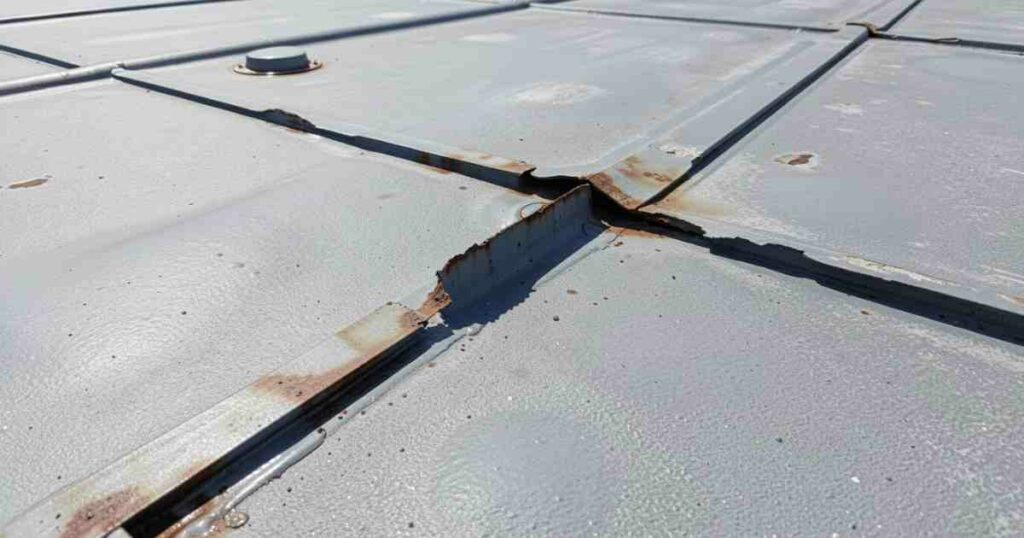
Regular checks help you catch these problems early when they are much easier and cheaper to fix.
Ponding Water Issues
Ponding water is a big red flag for flat roofs. It means water is not draining off the roof properly. This can happen due to poor slope, clogged drains, or depressions in the roof surface.
When water sits on the roof for more than 24-48 hours after rain, it puts extra stress on the roofing material.
It can seep into seams, accelerate material degradation, and lead to leaks. It can also contribute to mold and mildew growth on the roof.
- Causes of ponding: clogged drains, improper slope, roof sagging.
- Effects: accelerated material wear, leaks, mold growth.
- Prevention: regular drain cleaning, ensuring proper roof slope.
To check for ponding, simply observe your roof after a good rain. If water remains in pools for an extended period, you have a problem.
You might need to adjust the roof’s slope or ensure your drainage system is completely clear.
Sometimes, minor repairs to the roof surface can also help water flow away better.
Cracks and Splits
Cracks and splits are common issues, often caused by expansion and contraction from temperature changes, or from physical damage.
Even a small crack can allow water to penetrate the roof layers and cause damage to the underlying structure. It’s important to inspect the entire roof surface for any signs of these.
Look closely at seams, edges, and areas around penetrations, as these are common places for cracks to form.
- Common causes: UV exposure, temperature fluctuations, age.
- Where to find them: seams, edges, around penetrations.
- Solution: sealing small cracks with appropriate roofing compound.
A crack might look like a thin line, or it could be a more significant split. If you can see light through it, or if it’s wide enough to fit a fingernail into, it needs attention.
For minor cracks, a good quality roof sealant designed for your specific roofing material can often do the trick.
Applying it generously into the crack and smoothing it out will create a watertight seal.
Blisters and Delamination
Blisters are raised areas that look like bubbles on the roof surface. They often form when moisture is trapped within the roofing layers or between layers.
As the sun heats the roof, the trapped moisture turns to vapor and expands, creating the blister.
Delamination is when the different layers of the roofing material start to separate. This can happen over time due to age, poor installation, or exposure to the elements. Both blisters and delamination weaken the roof and can lead to leaks.
- Blisters: caused by trapped moisture expanding with heat.
- Delamination: layers of roofing separating.
- Risk: weakened roof structure, potential for leaks.
- Repair: often requires professional assessment for proper repair.
If you spot a blister, gently press on it. If it feels soft or if the material around it is brittle, it’s a sign of trouble. While some small, firm blisters might be cosmetic, large or soft ones need attention.
Delamination can look like peeling or lifting of the roofing material. If you find these, it’s often best to consult a roofing professional.
They can determine if the area needs to be cut out and repaired or if more extensive work is required.
Damaged Flashing
Flashing is the material used to seal and protect joints or areas where the roof meets walls, chimneys, vents, or skylights.
It’s a critical component for preventing water intrusion. On flat roofs, flashing is especially important around penetrations that go through the roof.
If the flashing is cracked, loose, or deteriorated, water can easily get underneath and into the building. This is a very common source of leaks.
- Purpose: seals joints and penetrations to prevent leaks.
- Common locations: around chimneys, vents, walls, skylights.
- Signs of damage: cracks, rust, loose edges, gaps.
- Repair: requires careful sealing and sometimes replacement by a professional.
When you are inspecting your roof, pay close attention to all the flashing. Gently try to lift the edges to see if it’s still firmly attached. Look for any signs of rust, corrosion, or tears in the material.
Make sure there are no gaps between the flashing and the roof surface or the structure it’s attached to. If you find any issues, it’s important to get them fixed quickly to avoid water damage.
DIY vs. Professional Flat Roof Maintenance
Deciding whether to tackle flat roof maintenance yourself or call in the pros is an important choice.
Some tasks are simple and can be done by homeowners, saving time and money. However, others require specialized knowledge, equipment, and safety precautions.
Knowing your limits and what your roof needs will help you make the right decision. It’s all about balancing cost, safety, and effectiveness for your specific situation.
Tasks You Can Do Yourself
There are several maintenance tasks that most homeowners can handle safely. These often involve regular cleaning and visual inspections. Keeping gutters and drains clear of leaves and debris is a prime example.
You can also perform visual checks for obvious damage like loose gravel, visible cracks, or debris on the roof.
Sweeping the roof surface and checking for standing water after rain are also manageable DIY tasks. For minor surface issues, you might even be able to apply a sealant yourself after proper preparation.
- Cleaning gutters and drains.
- Visual inspection for obvious damage.
- Sweeping debris from the roof surface.
- Checking for ponding water.
- Applying simple sealants to very small cracks.
For these tasks, basic safety gear is a must. This includes sturdy shoes with good grip, gloves, and if you’re going onto the roof, consider a safety harness. Always ensure ladders are stable.
If you feel unsafe or unsure at any point, it’s better to stop and seek professional help. The goal is to maintain your roof, not to put yourself at risk.
When to Call a Professional
There are certain situations where it’s essential to bring in a professional roofing contractor. If you see significant damage, such as large cracks, extensive blistering, or sagging areas, it’s time to call an expert.
Any repair that involves cutting into the roof membrane, extensive patching, or structural issues should be handled by a professional.
Professionals also have the right tools and safety equipment for working at heights, especially on steep or slick surfaces.
- Large cracks or splits.
- Extensive blistering or delamination.
- Signs of sagging or structural damage.
- Leaks that you cannot locate or fix.
- Any work requiring specialized equipment or safety measures.
For example, if you notice a leak coming from a specific area, but you can’t find any obvious damage on the roof, a professional can use advanced methods to locate the source of the leak.
They also have access to a wider range of materials and can offer warranties on their work. Many roofing companies offer free inspections, which can be a great way to get an expert opinion on your roof’s condition.
Preventing Leaks Year Round
The best way to prevent leaks is through consistent, proactive maintenance. This means not waiting until you see water damage to take action.
By incorporating Flat Roof Maintenance Checks to Prevent Leaks Year Round into your home care routine, you create a strong defense against water intrusion.
Small, regular efforts add up to significant protection over time. It’s about staying ahead of potential problems and ensuring your roof can do its job effectively in all seasons.
The Importance of Regular Inspections
Regular inspections are the cornerstone of preventing leaks. They allow you to catch minor issues before they escalate.
A quick visual check can reveal problems that might otherwise go unnoticed until they cause significant damage.
Think of it like a doctor’s check-up for your roof. The more often you see a doctor, the better chance they have of finding and treating issues early, when they are most manageable.
For flat roofs, this means checking at least twice a year, and more often if you live in an area with extreme weather.
- Catching small problems early.
- Preventing minor issues from becoming major leaks.
- Extending the lifespan of your roof.
- Saving money on future repairs.
For instance, a study published in a leading construction journal indicated that proactive maintenance can reduce the likelihood of major roof repairs by up to 70%.
This means for every dollar spent on regular checks and minor repairs, homeowners save significantly in the long run. It’s a clear financial benefit to staying on top of your roof’s health.
Importance of Proper Drainage
Proper drainage is absolutely critical for flat roofs. Since water doesn't run off as quickly as on a sloped roof, any blockage or issue with the drainage system can lead to water pooling.
This standing water puts constant pressure on the roof membrane and can find its way through tiny imperfections, leading to leaks.
Regularly cleaning out gutters, scuppers, and drain pipes ensures that water can flow freely away from the building.
Imagine a bathtub with a clogged drain. The water level rises, and eventually, it might overflow. Your flat roof works similarly.
If the drains are blocked by leaves, dirt, or debris, water will pool. This pooling can saturate the roofing material, making it weaker and more prone to leaks. It can also add significant weight to the roof, especially if it freezes in winter.
- Ensures water flows off the roof quickly.
- Prevents water from sitting and degrading roofing materials.
- Reduces stress on the roof structure.
- Minimizes the risk of leaks and water damage.
A simple check after heavy rain is often enough to spot drainage issues. If you see significant standing water that doesn’t drain within a day, it’s time to investigate.
Clear drains can be a DIY task, but if the problem is with the slope of the roof itself, you’ll need professional help.
Sealing and Repairing Small Issues Promptly
The key to preventing leaks is to address small issues the moment you find them. A tiny crack, a loose seam, or a small puncture might seem insignificant, but they are potential entry points for water. Using the right sealant or patching material can quickly fix these problems.
This proactive approach stops water from getting in and causing more damage to the roof layers and the structure beneath. It’s far easier and cheaper to seal a small crack than to repair a water-damaged ceiling.
Consider a single tiny hole in a balloon. It’s easy to patch with a small piece of tape. But if you ignore it, the air escapes, and the balloon deflates.
A roof works much the same way with water. A small hole or crack is like that tiny puncture. If you seal it quickly with the correct material, the problem is solved.
If you don’t, water can enter and start causing damage that is much harder and more expensive to fix later.
- Minor issues are easier and cheaper to fix.
- Prevents water intrusion into the roof structure.
- Extends the life of the roofing system.
- Maintains the integrity of your home’s protection.
When choosing sealants or repair materials, always make sure they are compatible with your specific roofing material. Using the wrong product can sometimes cause more harm than good. If in doubt, consult a professional roofer or the manufacturer of your roofing system.
Frequently Asked Questions Of Flat Roof Maintenance Checks To Prevent Leaks
Question: How often should I check my flat roof for problems?
Answer: It is best to perform a visual inspection of your flat roof at least twice a year, once in the spring and again in the fall. More frequent checks might be needed if you live in an area with harsh weather conditions.
Question: What are the most common signs of a flat roof leak?
Answer: Common signs include water stains on ceilings or walls, peeling paint or wallpaper, musty odors inside the building, and visible mold or mildew growth. On the roof itself, look for dark spots, sagging areas, or dampness.
Question: Can I walk on my flat roof to inspect it?
Answer: You can walk on some flat roofs, but it’s important to know your roof’s material and condition. Always wear shoes with good traction. Avoid walking on wet, icy, or damaged sections.
If unsure, it’s safer to inspect from the ground or hire a professional.
Question: What is the best way to clean debris from my flat roof?
Answer: For dry debris like leaves and twigs, a broom or leaf blower can be effective. For more stubborn dirt or after debris has been removed, rinsing with water and ensuring drains are clear is recommended. Always be careful when using any tools on the roof surface.
Question: How much does flat roof maintenance typically cost?
Answer: The cost of flat roof maintenance can vary widely. Simple DIY cleaning might cost very little. Professional inspections can range from $100 to $300.
Minor repairs, like sealing a seam, might cost a few hundred dollars, while major repairs or re-sealing can cost several thousand dollars.
Summary
Regular Flat Roof Maintenance Checks to Prevent Leaks Year Round are key to a safe home.
Simple, seasonal inspections help you spot issues early. Keeping drains clear and fixing small problems fast stops water damage.
You can handle basic cleaning, but call pros for big repairs. This proactive care saves money and protects your roof for years.

![8 Ways To Improve Your Home Espresso Taste[1]](https://creativehouseblog.com/wp-content/uploads/2026/04/8_Ways_To_Improve_Your_Home_Espresso_Taste1-768x448.jpg)
![Can Air Fryers Truly Replace Ovens[1]](https://creativehouseblog.com/wp-content/uploads/2026/03/Can_Air_Fryers_Truly_Replace_Ovens1-768x448.jpg)
![How to Seal Gaps Around Doors Before Cold Weather Arrives[1]](https://creativehouseblog.com/wp-content/uploads/2026/05/How_to_Seal_Gaps_Around_Doors_Before_Cold_Weather_Arrives1-768x403.jpg)
![Pressure Cooker Versus Slow Cooker What Is Best[1]](https://creativehouseblog.com/wp-content/uploads/2026/03/Pressure_Cooker_Versus_Slow_Cooker_What_Is_Best1-768x448.jpg)
![Home Maintenance Checklist for Busy Families[1]](https://creativehouseblog.com/wp-content/uploads/2026/05/Home_Maintenance_Checklist_for_Busy_Families1-768x403.jpg)
![8 Mistakes That Ruin Milk Frothing[1]](https://creativehouseblog.com/wp-content/uploads/2026/04/8_Mistakes_That_Ruin_Milk_Frothing1-768x448.jpg)