
Steam cooking enables the preparation of healthy meals such as steamed broccoli with lemon, salmon with ginger, and chicken breast with herbs. This method preserves more nutrients than boiling while requiring minimal added oil for a lighter, healthier dish. The process is notably simple and quick, making it an efficient choice for nutritious daily meals with easy cleanup.
Thinking about making healthy meals can sometimes feel a little tricky, especially if you’re new to cooking. You might wonder if making 10 Healthy Meals You Can Make Using Steam Cooking is hard. It doesn’t have to be!
We’ll show you simple steps to make delicious food easily. Get ready to discover how simple healthy eating can be.
Key Takeaways
- Steaming is a simple cooking method that keeps nutrients in your food.
- You can steam many different types of food, from vegetables to fish.
- Steaming requires minimal oil, making meals lighter and healthier.
- Quick preparation and cleanup are benefits of steam cooking.
- This method is great for busy people who want healthy options.
- Steam cooking preserves natural flavors and textures of ingredients.
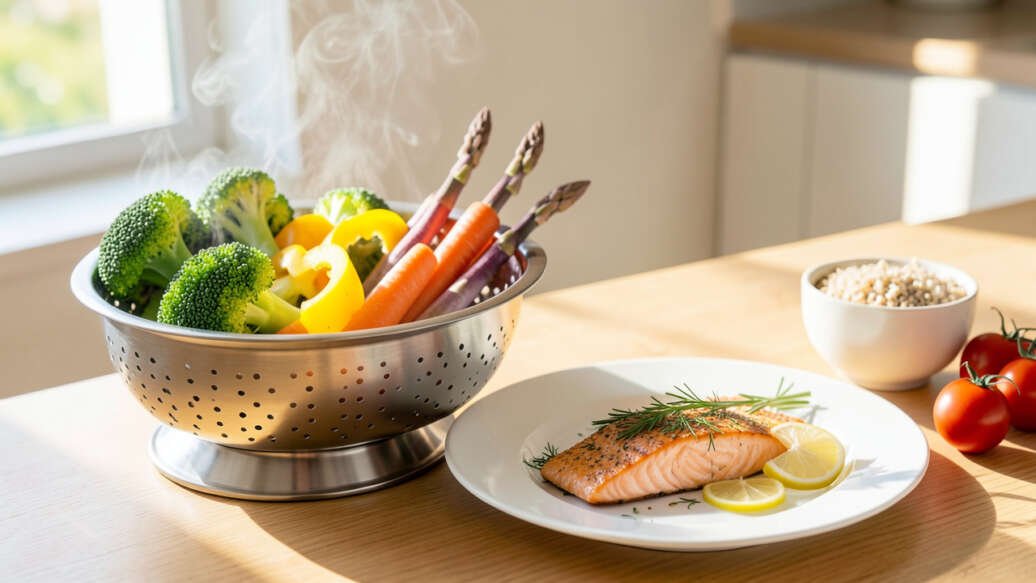
Why Steam Cooking is Great for Healthy Meals
Steaming is a wonderful way to cook food. It uses hot steam to cook your ingredients. This is different from boiling, where food sits in water.
When you steam food, most of the vitamins and minerals stay right where they belong – in the food!
This means you get more goodness from what you eat. It’s a gentle cooking method. It helps keep the natural colors and flavors of your food bright and fresh.
For anyone looking to eat healthier, steaming is a top choice.
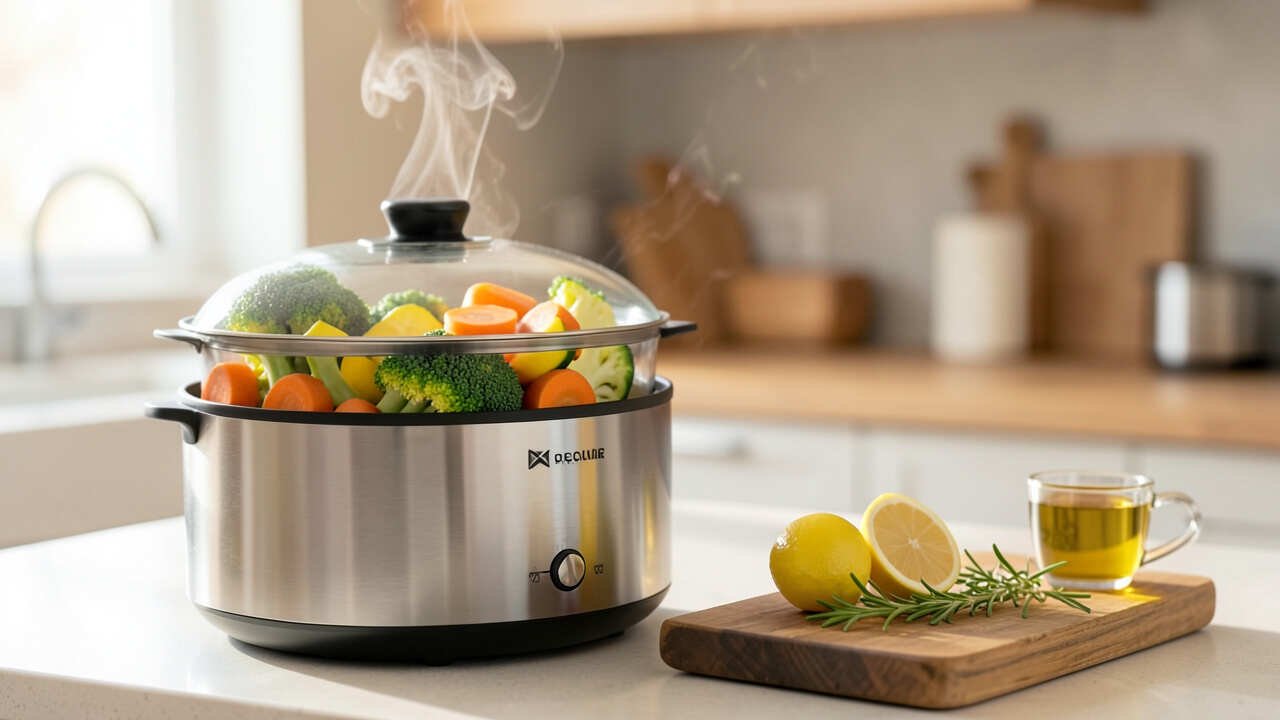
Getting Started with Steam Cooking
You don’t need fancy equipment to start steaming. Many kitchens already have what you need. A pot with a lid and a small bowl that fits inside works well.
The bowl should not touch the bottom of the pot.
You can also buy simple steamers. These can be metal baskets that fit into a pot or electric appliances. Whichever you choose, the idea is the same: heat water in the bottom, and let the steam cook your food above it.
Choosing Your Steaming Vessel
There are a few ways to steam food.
- Stovetop Pot and Bowl: This is the most basic. Put a little water in a pot. Place a heatproof bowl inside that can hold your food. Make sure the water doesn’t touch the bowl.
- Steamer Basket: These are usually metal or bamboo. They sit inside a pot with boiling water. They have holes to let the steam reach your food.
- Electric Steamer: These are appliances made just for steaming. They have a water reservoir and steaming baskets. They often have timers.
Any of these will help you create healthy meals.
What Foods Can You Steam?
Almost anything can be steamed! It’s a very versatile method. This makes it easy to create a variety of 10 Healthy Meals You Can Make Using Steam Cooking.
- Vegetables: Broccoli, carrots, green beans, asparagus, spinach, and potatoes all steam beautifully.
- Fish and Seafood: Delicate fish like salmon, cod, and tilapia are perfect for steaming. Shrimp and mussels also cook well this way.
- Chicken and Tofu: Lean cuts of chicken or firm tofu can be steamed for a light protein.
- Dumplings and Buns: Many Asian dumplings and steamed buns are made using this method.
- Fruits: Some fruits, like apples or pears, can be steamed for desserts.
The possibilities are quite wide.
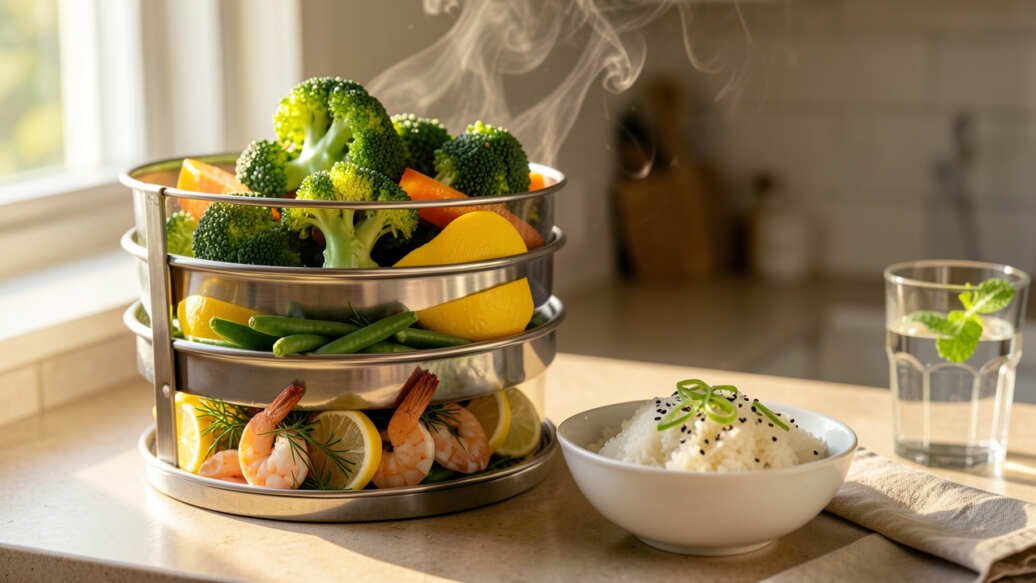
Simple and Quick Steam Cooking Recipes
Let’s look at some easy ideas to get you cooking. These are perfect for weeknights when you don’t have much time.
1. Steamed Broccoli with Lemon
This is a super simple side dish. Chop fresh broccoli into florets. Place them in your steamer basket over boiling water.
Steam for about 5-7 minutes, until tender-crisp. Squeeze fresh lemon juice over the top before serving.
2. Steamed Salmon with Ginger and Soy
Salmon is full of healthy fats. Place a salmon fillet in your steamer. Top it with thin slices of fresh ginger and a splash of soy sauce.
Steam for about 8-12 minutes, depending on thickness, until the fish flakes easily with a fork.
3. Steamed Chicken Breast with Herbs
For a lean protein, steam chicken. Lightly season a chicken breast with salt, pepper, and your favorite herbs like thyme or rosemary. Place it in the steamer and cook for about 20-25 minutes, or until cooked through.
Ensure the internal temperature reaches 165°F (74°C).
4. Steamed Asparagus with Garlic
Asparagus steams very quickly. Wash and trim the tough ends of the asparagus. Place them in the steamer for 3-5 minutes until bright green and tender.
Sprinkle with minced garlic and a tiny bit of olive oil.
5. Steamed Shrimp with Garlic Butter
Shrimp cooks in just a few minutes. Place peeled and deveined shrimp in the steamer. Steam for 2-4 minutes until they turn pink and opaque.
Melt a little butter with minced garlic and drizzle over the shrimp.
6. Steamed Tofu with Scallions
A great vegetarian option. Use firm or extra-firm tofu. Cut it into cubes or slices.
Steam for about 10 minutes. Drizzle with soy sauce or tamari and top with chopped scallions.
7. Steamed Green Beans with Almonds
A classic healthy side. Steam fresh green beans for 5-7 minutes until tender. Toss with a small amount of slivered almonds and a pinch of salt.
You can add a tiny bit of butter if you like.
8. Steamed Cod with Dill
Cod is a mild white fish that steams wonderfully. Place cod fillets in the steamer. Sprinkle with fresh dill and a little lemon zest.
Steam for 7-10 minutes, until opaque and flaky.
9. Steamed Sweet Potato
Sweet potatoes are packed with vitamins. Cut a sweet potato into chunks or slices. Steam for 15-20 minutes, or until fork-tender.
They are great on their own or as part of a larger meal.
10. Steamed Bok Choy
Bok choy becomes tender and slightly sweet when steamed. Cut the bok choy in half or quarters lengthwise. Steam for 3-5 minutes until the leaves are wilted and tender.
Drizzle with a light soy sauce or sesame oil.
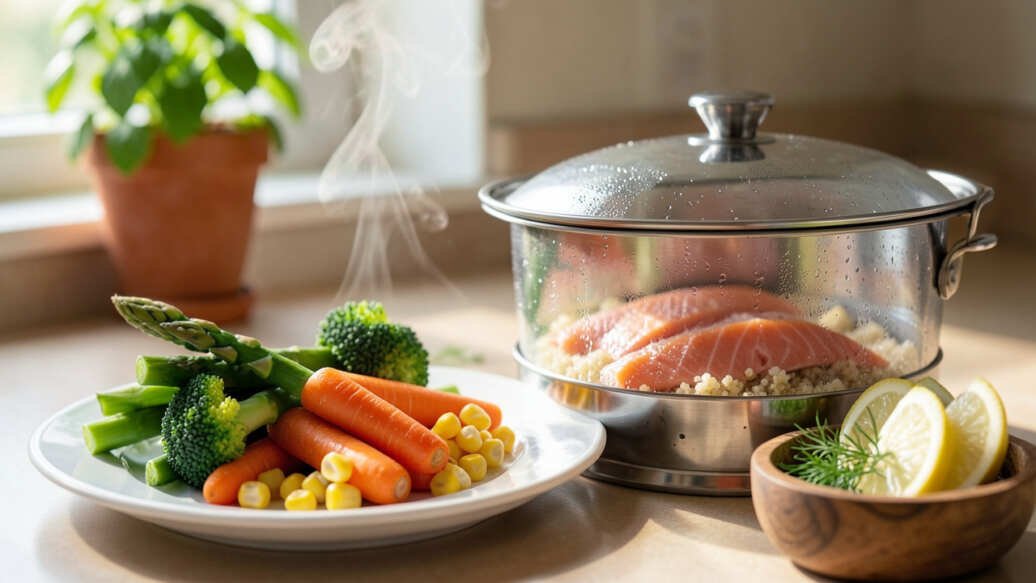
Benefits of Steam Cooking
Steam cooking offers many advantages, especially when you are aiming for healthy eating. It’s not just about the cooking method itself, but the overall impact it has on your diet and lifestyle.
Nutrient Retention
This is a big one! When you boil vegetables, many of their water-soluble vitamins, like Vitamin C and B vitamins, can leach into the water. Steaming keeps these nutrients locked within the food.
This means you get more nutritional value from every bite.
Low Fat Cooking
Most steam cooking recipes require very little to no added fat. You don’t need oil for the food to cook and not stick. This significantly lowers the calorie and fat content of your meals.
It’s an excellent way to manage weight and reduce intake of unhealthy fats.
Preserves Natural Flavors and Textures
Steaming is a gentle cooking process. It doesn’t break down the food as harshly as some other methods. This means the natural flavors, vibrant colors, and textures of your ingredients are better preserved.
Food tastes like itself, only better!
Quick Preparation and Cleanup
Once your water is boiling, most steaming takes only minutes. This makes it ideal for busy schedules. Plus, cleanup is usually a breeze.
Often, you only have a pot, a steamer basket, and your serving dish to wash.
Digestibility
Cooked foods are generally easier to digest than raw foods. Steaming cooks food thoroughly without making it mushy or losing its nutrients. This can be especially helpful for individuals with sensitive digestive systems.
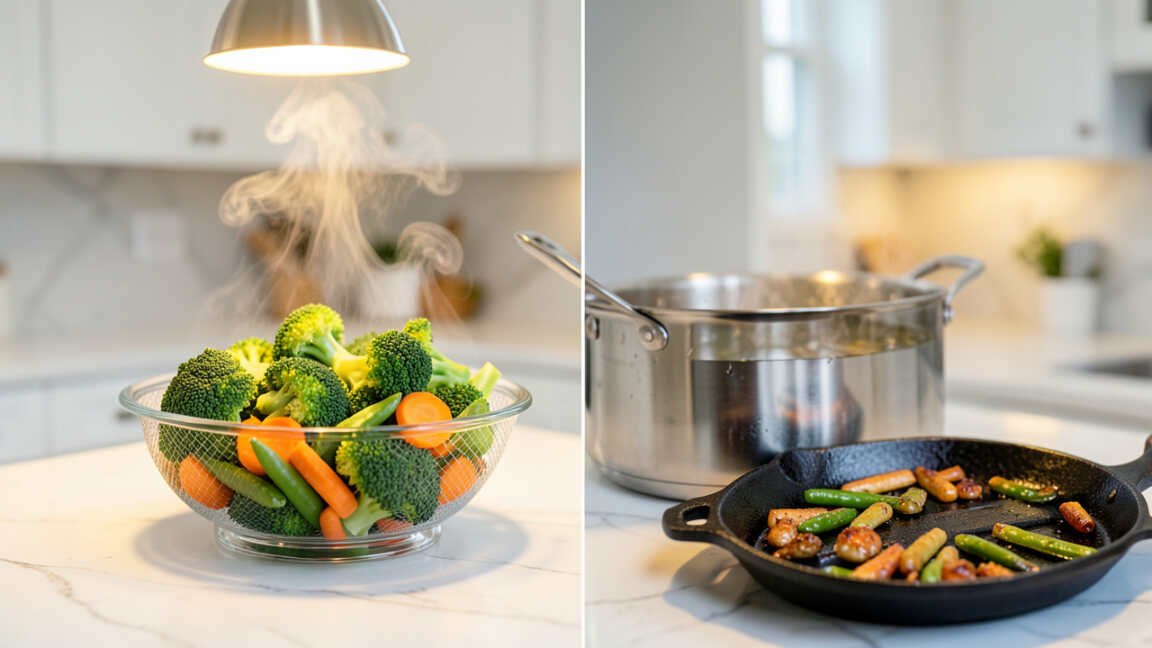
Comparing Steam Cooking to Other Methods
It’s helpful to see how steaming stacks up against other popular cooking techniques.
| Cooking Method | Nutrient Retention | Fat Content | Flavor Preservation | Speed |
|---|---|---|---|---|
| Steaming | Very High | Very Low | High | Fast |
| Boiling | Low to Medium | Very Low | Medium | Fast |
| Frying (Pan/Deep) | Low to Medium | Very High | Medium to High (can mask flavors) | Medium |
| Baking/Roasting | Medium to High | Low to Medium (depending on added fats) | High | Slow |
As you can see, steaming often comes out on top for nutrient retention and low fat content. It’s a clear winner for health-conscious cooks.
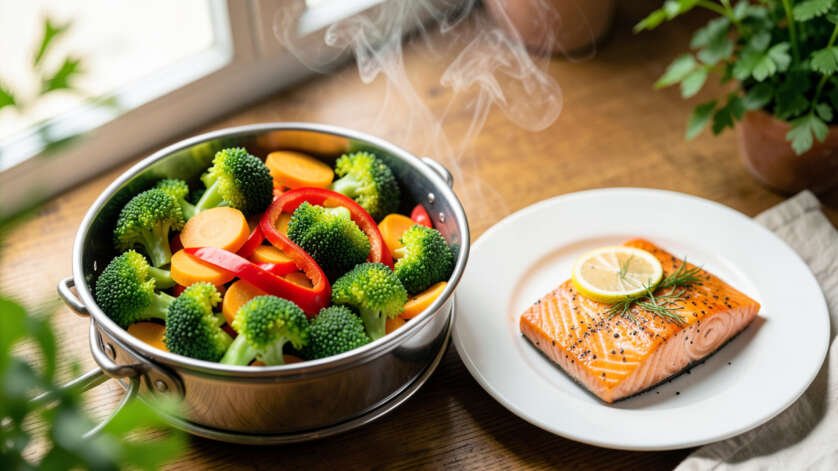
Tips for Perfect Steamed Meals
Even simple cooking can benefit from a few tips to make it perfect every time. These will help you get the most out of your steaming experience.
- Don’t Overcrowd the Steamer: Give your food space. If you pack too much in, the steam won’t circulate properly, and your food will cook unevenly.
- Cut Food into Similar Sizes: This ensures everything cooks at the same rate. For example, cut carrots and potatoes into similarly sized pieces.
- Watch the Water Level: Make sure there’s always enough water in the pot to create steam, but not so much that it touches the food.
- Seasoning is Key: Since steaming is gentle, seasoning is important. Use herbs, spices, lemon juice, a dash of soy sauce, or a light sauce to add flavor.
- Don’t Overcook: Vegetables should be tender-crisp, not mushy. Fish should be opaque and flake easily. Check for doneness early.
Frequently Asked Questions
Question: How much water should I use in the pot when steaming?
Answer: You typically need about 1-2 inches of water in the bottom of the pot. The water should not touch the food in the steamer basket above it. It just needs to be enough to create steam for the entire cooking time.
Question: Can I steam frozen vegetables?
Answer: Yes, you can steam frozen vegetables. You often don’t need to thaw them first. Just place them directly into the steamer basket.
They might take a minute or two longer to cook than fresh vegetables.
Question: How do I know when fish is done steaming?
Answer: Fish is done when it turns opaque (no longer see-through) and flakes easily when you gently press it with a fork. Be careful not to overcook, as it can become dry.
Question: Is steam cooking suitable for someone with diabetes?
Answer: Yes, steam cooking is an excellent choice for people with diabetes. It requires minimal or no added fats and helps retain nutrients, making it a healthy way to prepare meals that can help manage blood sugar levels.
Question: How can I add more flavor to steamed dishes?
Answer: You can add a lot of flavor by using fresh herbs, spices, garlic, ginger, lemon or lime juice, a light drizzle of olive oil or sesame oil after cooking, or low-sodium soy sauce or tamari. Marinating your protein briefly before steaming also adds great taste.
Final Thoughts
Making 10 Healthy Meals You Can Make Using Steam Cooking is very doable. You learned that steaming keeps nutrients in your food and uses little to no added fat. We showed you simple recipes for vegetables, fish, chicken, and tofu.
You also saw how easy it is to clean up. Start with a basic steamer and some fresh ingredients. You will be cooking delicious, healthy meals in no time.
Enjoy your healthy cooking!

![What Can You Make With a Blender[1]](https://creativehouseblog.com/wp-content/uploads/2026/03/What_Can_You_Make_With_a_Blender1-768x448.jpg)
![What to Do If a Pipe Bursts Before Plumber Arrives[1]](https://creativehouseblog.com/wp-content/uploads/2026/05/What_to_Do_If_a_Pipe_Bursts_Before_Plumber_Arrives1-768x403.jpg)
![6 Reasons Your Crepes Tear Or Stick[1]](https://creativehouseblog.com/wp-content/uploads/2026/04/6_Reasons_Your_Crepes_Tear_Or_Stick1-768x448.jpg)
![Electrical Safety Checks Every Homeowner Should Know[1]](https://creativehouseblog.com/wp-content/uploads/2026/05/Electrical_Safety_Checks_Every_Homeowner_Should_Know1-768x403.jpg)
![7 Waffle Maker Mistakes That Ruin Texture[1]](https://creativehouseblog.com/wp-content/uploads/2026/04/7_Waffle_Maker_Mistakes_That_Ruin_Texture1-768x448.jpg)
![What Foods Should Not Go in a Food Processor[1]](https://creativehouseblog.com/wp-content/uploads/2026/03/What_Foods_Should_Not_Go_in_a_Food_Processor1-768x448.jpg)