
Beginners should avoid common sous vide mistakes such as cooking at an incorrect temperature, failing to properly seal the food pouch, and not preheating the water bath. Achieving perfect results requires precise temperature control and correct sealing technique to ensure even cooking and prevent water intrusion. Avoiding these seven specific errors leads to consistently tender and flavorful meals from the very first attempt.
Getting started with sous vide cooking can be a little tricky. Many folks run into the same 7 Sous Vide Mistakes Beginners Should Avoid when they first try it. But don’t worry!
We’ll break down these common pitfalls and show you the easy way to fix them. Let’s make sure your next sous vide meal is perfect.
Key Takeaways
- You’ll learn why using the right temperature is super important for perfect results.
- Discover how to seal your food properly so water doesn’t get in.
- Find out why not preheating your water can be a big mistake.
- Understand the best ways to get a nice sear after sous vide cooking.
- Learn about common equipment issues and how to avoid them.
- Get tips on how to cook different foods and get great flavors.
Understanding Sous Vide Cooking
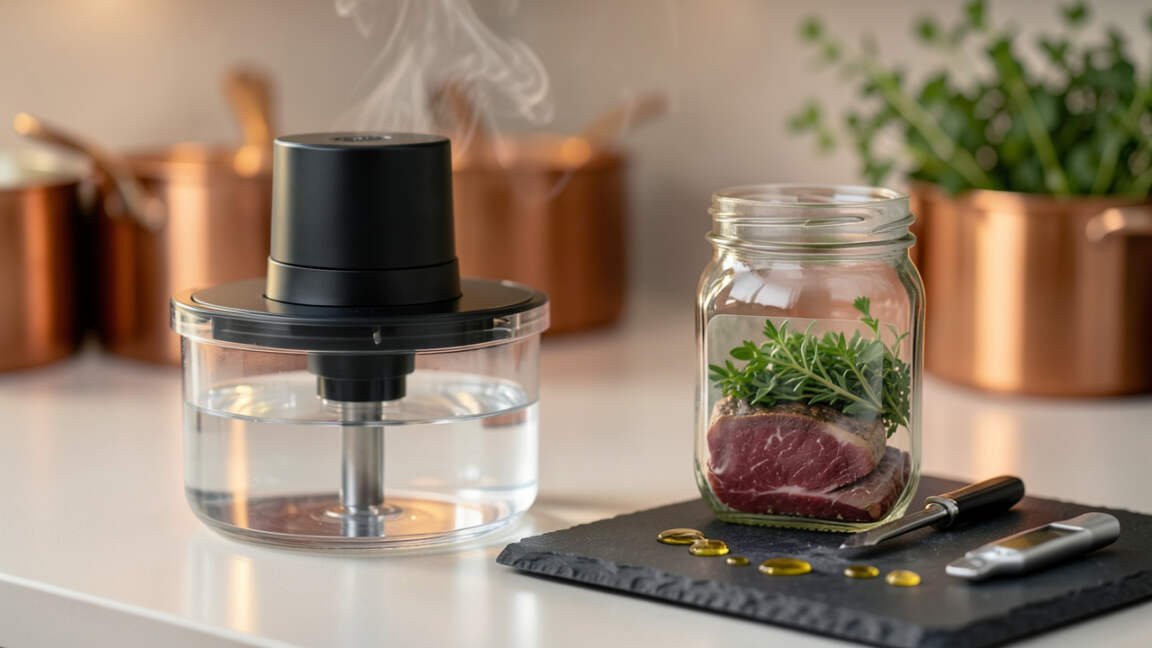
Sous vide is a cooking method where food is placed in a plastic pouch and then cooked in a water bath at a very precise temperature. This makes sure your food cooks evenly all the way through. It’s a great way to get tender and flavorful meals every time.
The 7 Sous Vide Mistakes Beginners Should Avoid
Mistake 1: Not Using the Right Temperature
This is one of the most common 7 Sous Vide Mistakes Beginners Should Avoid. The temperature is key to sous vide. If it’s too low, your food won’t cook.
If it’s too high, it can overcook and become mushy.
Why it’s a problem:
Using the wrong temperature means your food won’t turn out how you want it. For example, chicken might be undercooked and unsafe, or a steak could be gray and bland instead of perfectly pink.
How to fix it:
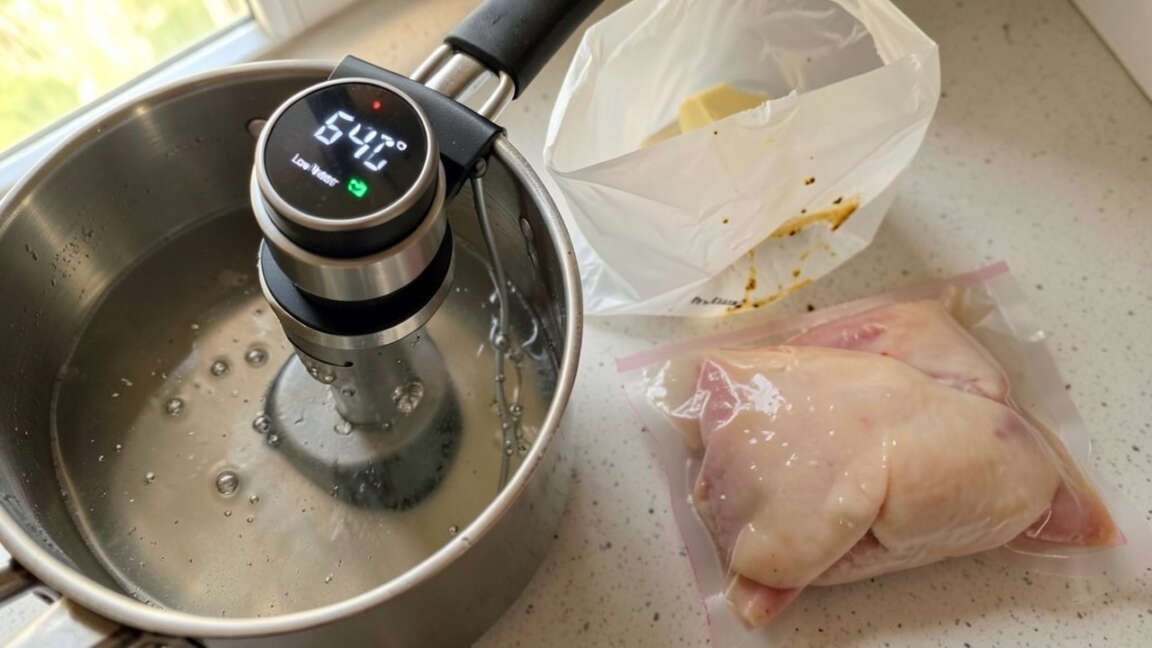
Always check a reliable sous vide temperature chart for the type of food you are cooking. Your immersion circulator should be set to the exact temperature recommended. It’s better to be a little under than too high if you are unsure.
Mistake 2: Improper Sealing of Food
When you put food in a bag for sous vide, it needs to be sealed tightly. If air or water gets into the bag, your food can get ruined.
Why it’s a problem:
Water getting into the bag can dilute the flavors of your food. It can also affect how the food cooks, making it less safe. Air bubbles can prevent your food from cooking evenly.
How to fix it:
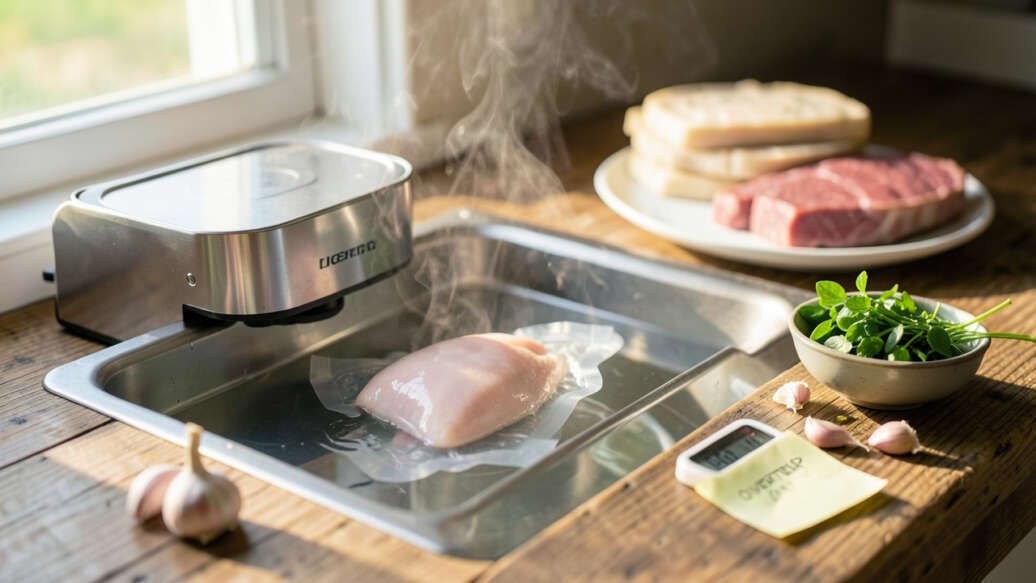
Use a vacuum sealer for the best results. If you don’t have one, use heavy-duty resealable bags. Submerge the bag in water, leaving the top open, until the air is pushed out.
Then, seal the bag. This is called the water displacement method.
Mistake 3: Not Preheating the Water
Some beginners think they can just put food in cold water and let the sous vide machine heat it up. This takes way too long and doesn’t cook your food properly.
Why it’s a problem:
Starting with cold water means your food will spend a lot of time at a lower temperature. This can lead to uneven cooking and can also make your food less safe, especially with meats.
How to fix it:
Always let your water bath reach the set temperature before you add your bagged food. Most immersion circulators will tell you when they have reached the target temperature. This ensures your food starts cooking immediately and evenly.
Mistake 4: Forgetting the Sear
Sous vide cooking makes food incredibly tender and moist, but it doesn’t give food a nice brown crust. This crust, or sear, adds flavor and texture.
Why it’s a problem:
Food cooked only sous vide can look pale and unappetizing. It will taste good, but it will be missing that delicious outer layer that makes many dishes so appealing.
How to fix it:
After your food is done in the water bath, take it out of the bag and pat it very dry with paper towels. Then, quickly sear it in a very hot pan with oil or butter, or put it on a hot grill. Just a minute or two on each side is usually enough.
Mistake 5: Using the Wrong Equipment or Settings
There are different types of sous vide machines and tools. Using the wrong one or not knowing how to use it can lead to trouble.
Why it’s a problem:
A cheap or faulty immersion circulator might not hold the temperature steady. If your bags aren’t secure, they could float and cook unevenly. Not understanding your equipment’s features can lead to errors.
How to fix it:
Invest in a good quality immersion circulator. Read the manual for your specific device. Make sure your bags are properly anchored so they stay submerged.
If you’re using a water oven, ensure it’s clean and functioning correctly.
Mistake 6: Overcrowding the Water Bath
It might seem like a good idea to cook a lot of food at once. But if you stuff too many bags into your water bath, it can cause problems.
Why it’s a problem:
When bags are packed too tightly, the water can’t circulate well around them. This means the temperature might not be even for all the food. Some pieces could cook less than others.
How to fix it:
Give your food space. Make sure water can flow freely around each bag. If you are cooking a large amount, consider doing it in batches or using a larger container for your water bath.
Mistake 7: Incorrect Cooking Times
Sous vide cooking times can be longer than traditional methods, and beginners sometimes get this wrong.
Why it’s a problem:
Cooking for too short a time means your food might not be cooked all the way through. Cooking for too long can sometimes change the texture of delicate foods, making them mushy.
How to fix it:
Always follow recommended sous vide cooking times. While sous vide is forgiving, there’s still a sweet spot. For example, a steak can often cook for longer than a fish fillet without getting mushy, offering flexibility.
Common Sous Vide Equipment Issues
Sometimes, it’s not the cooking technique but the tools that cause problems. Let’s look at a few.
Sous Vide Circulator Not Heating
Question: My sous vide circulator isn’t heating the water. What should I do?
Answer: First, make sure it’s plugged in and turned on. Check if the water level is within the minimum and maximum lines shown on the device. If it still doesn’t heat, there might be an issue with the unit, and you may need to contact the manufacturer.
Bags Floating in Water
Question: My sous vide bags are floating to the top. How can I keep them submerged?
Answer: This is usually because there’s too much air trapped inside. Use the water displacement method to push out as much air as possible before sealing. You can also use sous vide weights or clips to keep the bags down.
Water Leaking from the Bag
Question: Water got into my sous vide bag, and my food is wet. What happened?
Answer: This means the seal on your bag wasn’t perfect. Make sure you are using high-quality bags and a reliable sealing method. Always double-check your seals before putting them in the water bath.
Uneven Cooking
Question: My food is cooked unevenly after using sous vide. Why?
Answer: This can happen if the water can’t circulate well around the food. Avoid overcrowding the water bath. Make sure your bags are not sealed too tightly together and have enough space for water flow.
Inaccurate Temperature Readings
Question: I think my sous vide machine’s temperature reading is wrong. How can I check?
Answer: You can use a reliable, separate digital thermometer to check the water temperature in a few spots around the bath. If there’s a significant difference, your machine might need recalibration or might be faulty.
Final Thoughts
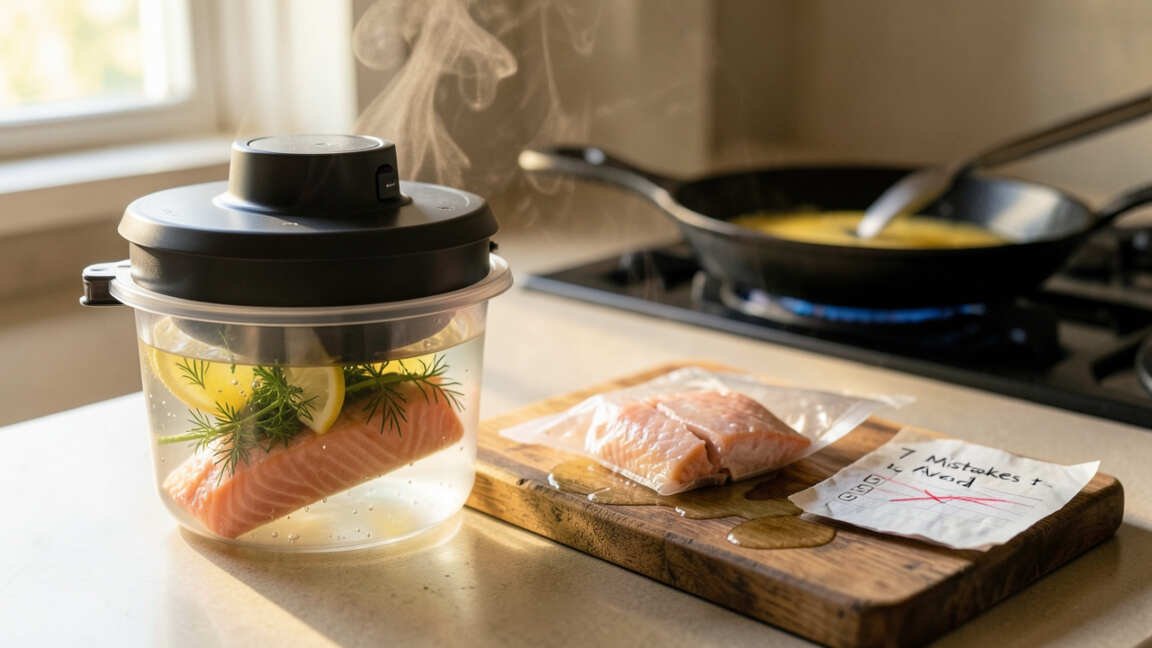
Avoiding the common 7 Sous Vide Mistakes Beginners Should Avoid is much simpler than you might think. By paying close attention to your water temperature, sealing your food correctly, and always preheating your bath, you’ll be on your way to great results. Don’t forget to give your food a quick sear for that perfect finish.
With these simple steps, you can cook amazing meals with confidence. You’ve got this!

![6 Reasons Your Garbage Disposal Is Smelling Bad[1]](https://creativehouseblog.com/wp-content/uploads/2026/04/6_Reasons_Your_Garbage_Disposal_Is_Smelling_Bad1-768x448.jpg)
![How to Inspect Your Roof Safely From Ground[1]](https://creativehouseblog.com/wp-content/uploads/2026/05/How_to_Inspect_Your_Roof_Safely_From_Ground1-768x403.jpg)
![10 Surprising Uses Of An Egg Cooker[1]](https://creativehouseblog.com/wp-content/uploads/2026/04/10_Surprising_Uses_Of_An_Egg_Cooker1-768x448.jpg)
![How Induction Cooktops Work Explained Simply[1]](https://creativehouseblog.com/wp-content/uploads/2026/03/How_Induction_Cooktops_Work_Explained_Simply1-768x448.jpg)
![How to Clean Gutters Safely Without Hiring Anyone[1]](https://creativehouseblog.com/wp-content/uploads/2026/05/How_to_Clean_Gutters_Safely_Without_Hiring_Anyone1-768x403.jpg)
![8 Pizza Oven Safety Tips Most People Ignore[1]](https://creativehouseblog.com/wp-content/uploads/2026/04/8_Pizza_Oven_Safety_Tips_Most_People_Ignore1-768x448.jpg)