Sous vide cooking achieves consistently perfect results for 10 easy meals by using precise water temperature to evenly cook vacuum-sealed food. This method guarantees restaurant-quality textures for diverse dishes with minimal hands-on preparation and reduced monitoring. It is a reliable technique for mastering everything from delicate fish to tender cuts of meat with foolproof outcomes.
Thinking about trying sous vide cooking for the first time can seem a bit much, but getting started with 10 Easy Meals You Can Make with Sous Vide is simpler than you might think. Many people worry it’s too hard to get right. Don’t let that stop you!
This guide will walk you through everything step-by-step. We’ll show you how to make fantastic meals without any fuss, so you can impress yourself and others.
Key Takeaways
- Sous vide cooking makes it easy to achieve perfect results every time.
- You can prepare a variety of delicious meals, from simple breakfasts to impressive dinners.
- The process involves precise temperature control for consistent cooking.
- Many recipes require minimal hands-on time, freeing you up in the kitchen.
- Sous vide is ideal for tenderizing tougher cuts of meat.
- Cleanup is often easier compared to traditional cooking methods.
What is Sous Vide Cooking?
The Basics of Precise Cooking
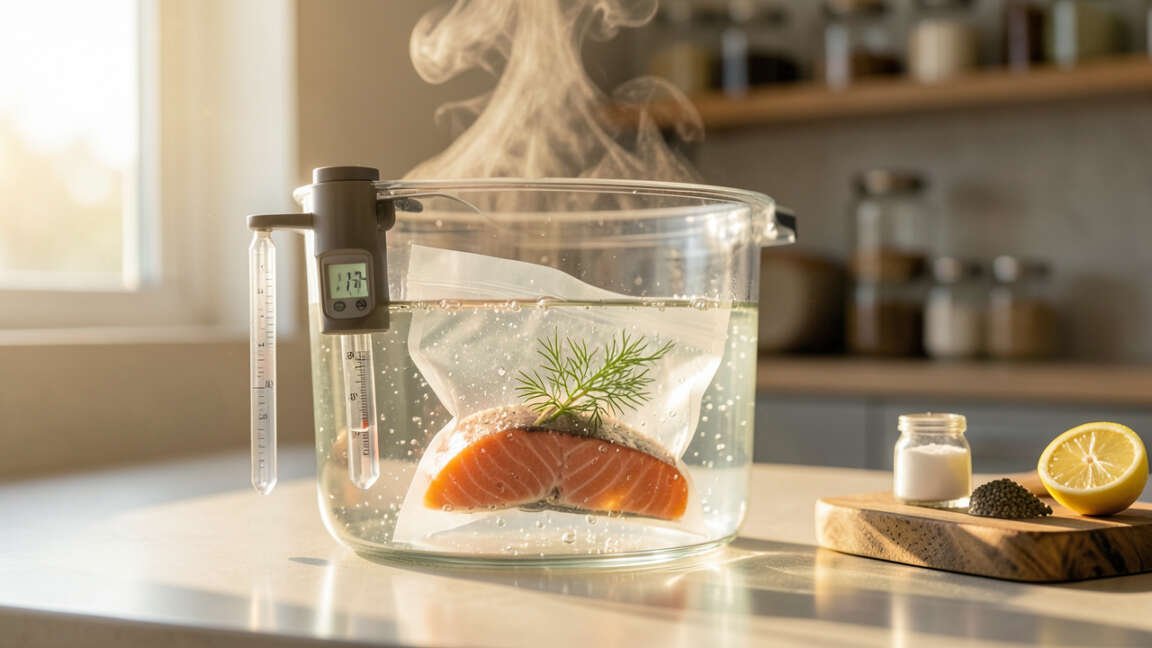
Sous vide is a cooking method where food is vacuum-sealed in a plastic bag. Then, it’s placed in a water bath that is kept at a very precise temperature. The water circulates around the food, cooking it evenly.
This means you get perfect results every single time. It takes away the guesswork.
Why Use a Sous Vide Cooker?
Using a sous vide cooker, also called an immersion circulator, gives you control. You set the exact temperature you want. The machine heats the water to that exact temp and keeps it there.
This is different from a regular oven or stovetop, where temperatures can go up and down.
Benefits for Beginners
For beginners, sous vide is great. You can’t overcook your food easily. If you leave it in the water bath a little longer, it’s usually fine.
This makes it very forgiving. It’s a perfect way to start cooking more confidently. You get restaurant-quality results at home with less stress.
10 Easy Meals You Can Make with Sous Vide
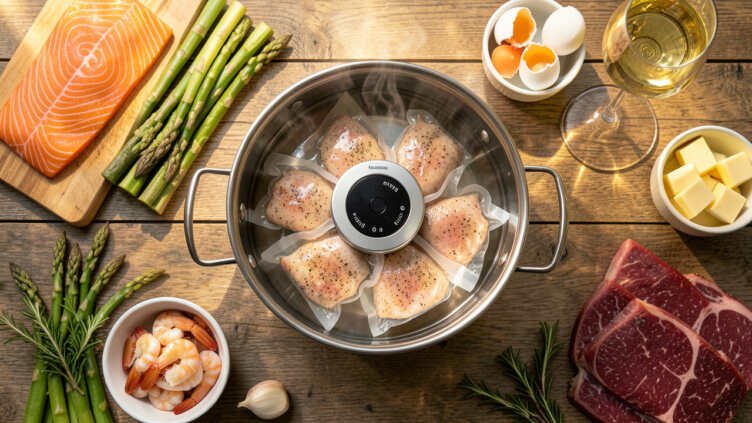
1. Perfect Chicken Breast
Chicken breast is notoriously easy to dry out. With sous vide, this becomes a thing of the past. You seal seasoned chicken breasts in bags.
Then, cook them at a temperature like 149°F (65°C) for about an hour. They come out incredibly juicy and tender.
After the water bath, you can quickly sear the chicken in a hot pan for a nice crust. This adds flavor and texture. It’s a simple dish that works for any meal.
2. Foolproof Salmon Fillets
Like chicken, fish can also be tricky. Salmon cooked sous vide is incredibly moist and flaky. A temperature of 122°F (50°C) for 45 minutes to an hour is a good starting point.
The texture is amazing.
You can then finish the salmon by searing it skin-side down for a crispy skin. Or, just serve it straight from the bag. It’s a healthy and delicious option that’s hard to mess up.
3. Tender Pork Chops
Pork chops can sometimes be tough or dry. Sous vide changes that completely. Cooking them at 140°F (60°C) for 1 to 3 hours yields wonderfully tender results.
You’ll be amazed at how moist they are.
Even thicker chops are no problem. You get edge-to-edge perfection. A quick sear in a pan afterwards gives them a lovely golden-brown finish.
This makes them look as good as they taste.
4. Juicy Steak
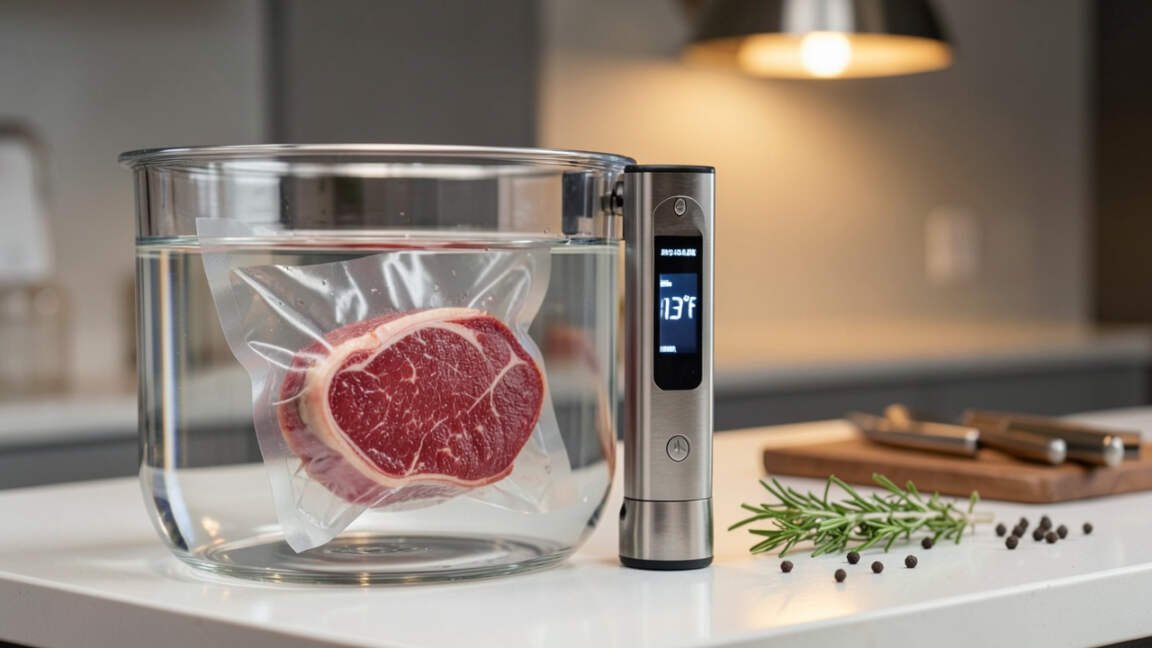
Steak is perhaps the most popular use for sous vide. You can achieve your perfect level of doneness every time. For medium-rare, try 130°F (54°C) for 1 to 4 hours.
Thicker cuts might need longer.
The magic happens when you sear the steak after its bath. A cast-iron skillet or grill works wonders for that perfect crust. This combination of even cooking and a great sear is unbeatable.
5. Flavorful Pork Tenderloin
Pork tenderloin is a lean cut that can dry out quickly. Sous vide ensures it stays moist and tender. A temperature of 140°F (60°C) for 1 to 2 hours is usually sufficient.
It’s a lean protein that’s very satisfying.
This method makes it incredibly easy to prepare. Season it before sealing, and then a quick sear after cooking is all it needs. It’s great for a weeknight dinner.
6. Perfectly Cooked Eggs
Sous vide eggs are a revelation. You can cook them to specific textures you wouldn’t normally achieve. For example, a 63°C (145°F) egg for 45-60 minutes results in a custardy yolk and softly set white.
It’s like a poached egg but easier.
These eggs are fantastic on toast, in salads, or as part of a breakfast bowl. The precise temperature control is key to getting this unique texture right. They elevate simple meals.
7. Tender Pot Roast
Tougher cuts of meat, like chuck roast, become incredibly tender with sous vide. You can cook them for extended periods, like 24 to 72 hours, at temperatures around 135°F (57°C) for fork-tender results. This is a set-it-and-forget-it kind of meal.
The long cooking time breaks down connective tissues, making the meat melt in your mouth. After the sous vide, you can quickly shred or slice it. It’s perfect for sandwiches or serving with mashed potatoes.
8. Delicious Lamb Chops
Lamb chops are a treat, and sous vide makes them even better. Cooking them at 130°F (54°C) for 1 to 3 hours will give you tender, perfectly cooked lamb. This temperature is ideal for medium-rare.
A quick sear in a pan is all that’s needed to finish them off. The even cooking ensures every bite is just right. They are a great option for a special occasion meal that’s easy to manage.
9. Tender Chicken Thighs
Chicken thighs are more forgiving than breasts, but sous vide takes them to another level of tenderness. Cooking them at 165°F (74°C) for 1 to 4 hours results in incredibly moist and flavorful meat that falls off the bone.
This is a great way to prepare chicken for shredding into tacos or other dishes. The sous vide method ensures they are fully cooked and incredibly tender without getting dry.
10. Simple Poached Chicken for Salads
Need pre-cooked chicken for salads or sandwiches? Sous vide is the easiest way. Simply season chicken breasts or thighs, seal them, and cook at 149°F (65°C) for an hour.
They come out perfectly cooked and ready to use.
This is a fantastic time-saver. You have moist, flavorful cooked chicken on hand whenever you need it. It’s much better than dry, overcooked chicken from other methods.
How Sous Vide Works
Temperature Control is Key
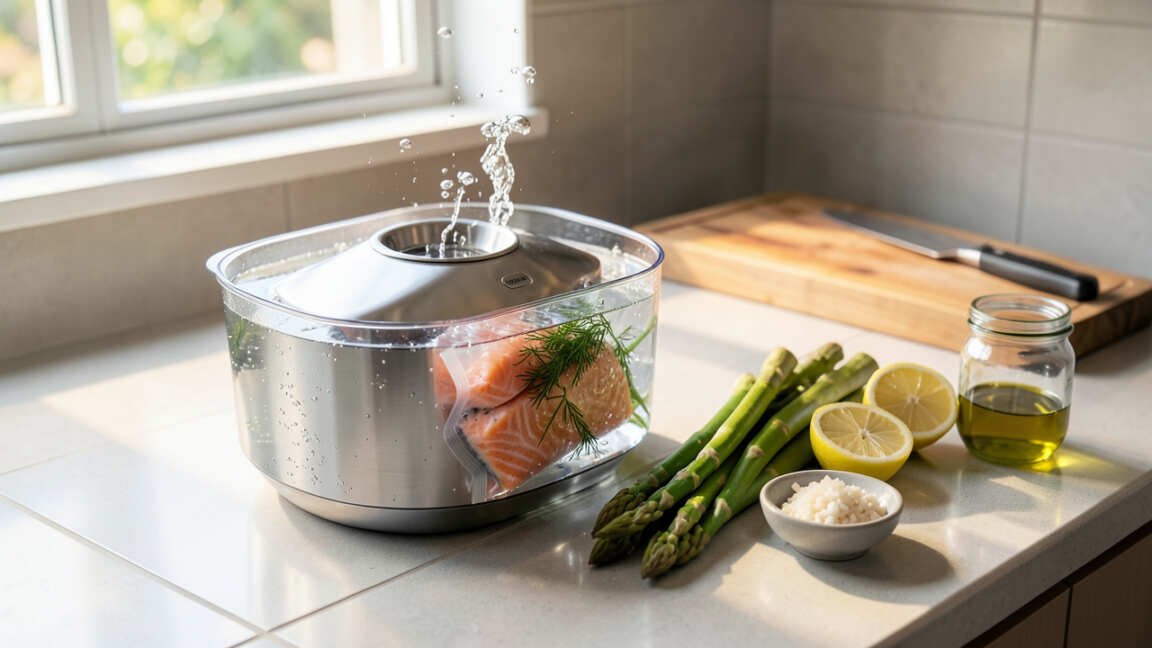
The core of sous vide cooking is precise temperature control. Unlike traditional methods where heat is applied from the outside in, sous vide cooks the food evenly throughout. The water bath acts as a perfect heat conductor.
When your food reaches the set temperature, it stays at that temperature. This makes it impossible to overcook in the way you might with an oven or pan.
The Role of the Water Bath
The water bath is essential. It surrounds the sealed food completely, ensuring even heat distribution. This uniformity is what allows for such consistent and perfect cooking results.
The circulating water prevents hot spots and cold spots, which can happen with other cooking methods.
Vacuum Sealing Explained
Food is typically vacuum-sealed in food-grade plastic bags. This removes air, which allows the bag to be fully submerged in the water bath and helps transfer heat efficiently. It also keeps the juices and flavors locked inside the food.
If you don’t have a vacuum sealer, a high-quality zip-top bag with the air removed using the water displacement method works just as well.
Preparing Your Sous Vide Meals
Seasoning Your Food
You can season your food before you seal it in the bag. Salt, pepper, herbs, garlic, and spices all work well. For meats, marinades can also be used.
However, be mindful of very acidic marinades, as they can sometimes affect texture over very long cooks. For most short to medium cooks, marinades are fine.
Setting the Right Temperature
The temperature you choose depends on the type of food and your desired doneness. For example, steak can be cooked to different levels of rare, medium-rare, medium, or well-done by simply adjusting the water temperature. Fish and chicken have specific temperatures that yield the best results for moisture and texture.
Cooking Times
Cooking times can vary. Shorter cooks, like for fish or chicken breasts, might be an hour. Longer cooks, like for tough cuts of meat, can be 24 hours or more.
The good news is that sous vide is forgiving; you can often leave food in the bath for an extra hour or two without negatively impacting the result, especially with meats.
Finishing Your Meal
After the sous vide bath, most foods benefit from a quick finish. For meats like steak, chicken, and pork chops, searing in a hot pan or on a grill creates a delicious crust and adds flavor. For fish, a quick sear can also improve texture.
Some items, like eggs or vegetables, can be served directly from the bath.
Equipment You’ll Need
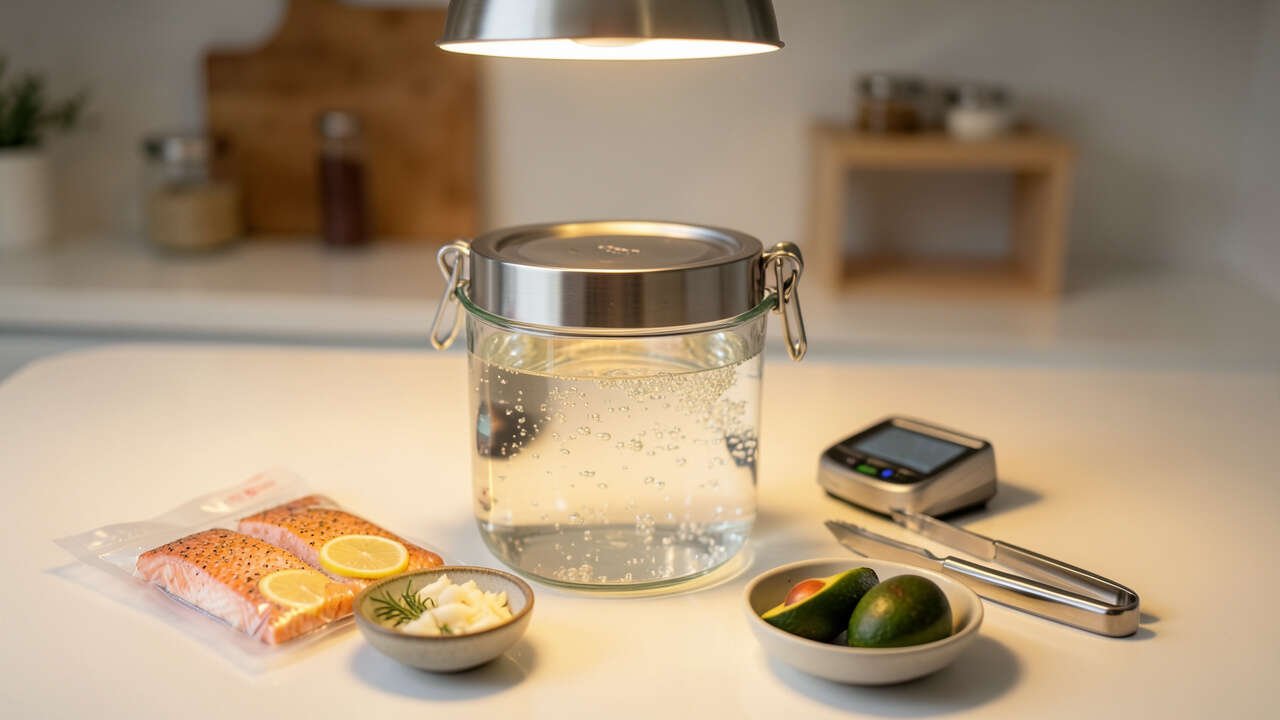
To get started with sous vide, you’ll need a few key pieces of equipment. The most important is an immersion circulator. This device heats and circulates the water.
You’ll also need a container to hold the water. This can be a large pot or a dedicated sous vide container. Lastly, you’ll need vacuum seal bags and a vacuum sealer, or high-quality zip-top bags.
Frequently Asked Questions
Question: Is sous vide cooking difficult for beginners?
Answer: Not at all! Sous vide is actually one of the easiest ways to get perfect results in the kitchen. It’s very forgiving, meaning you’re unlikely to overcook your food.
Question: What kind of food can I cook with sous vide?
Answer: You can cook almost anything! This includes meats like steak, chicken, and pork, as well as fish, eggs, and even vegetables. The possibilities are vast.
Question: Do I need special equipment to start sous vide?
Answer: You’ll need an immersion circulator and a container for water. A vacuum sealer is helpful but not required; you can use zip-top bags with the air removed.
Question: Can I sear food after sous vide cooking?
Answer: Yes, searing is highly recommended for most meats after sous vide. It creates a delicious crust and enhances the flavor and appearance of the dish.
Question: How long does sous vide cooking take?
Answer: Cooking times vary depending on the food. Simple items like chicken breast or fish might take an hour, while tougher cuts of meat can take 24 hours or more.
Final Thoughts
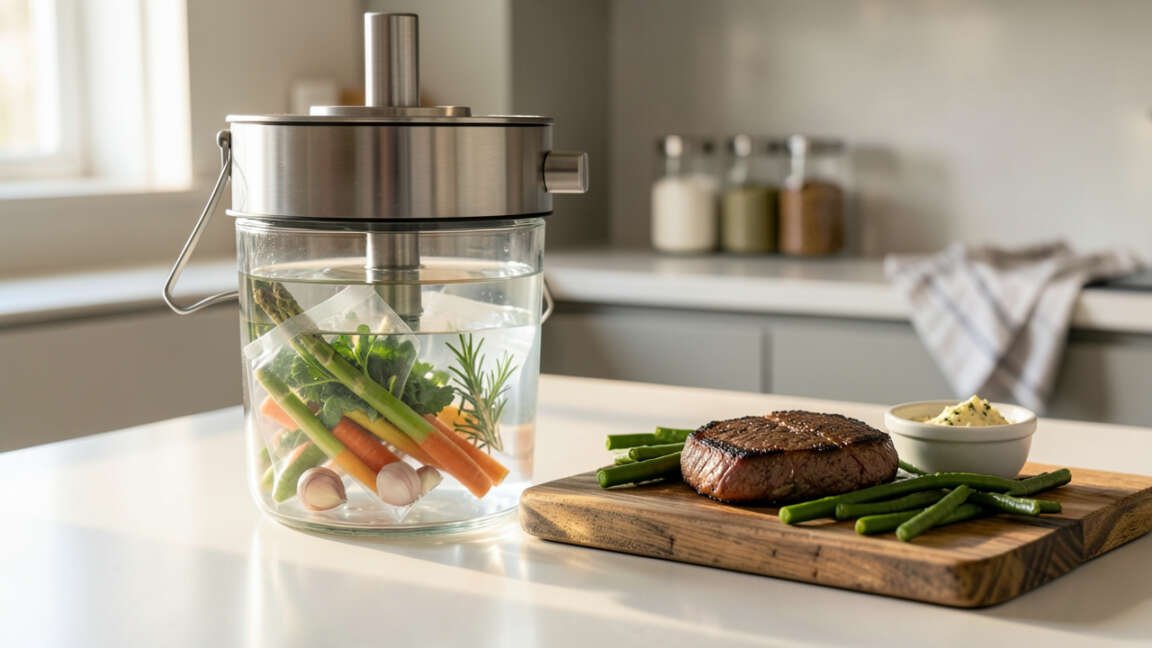
Trying out 10 Easy Meals You Can Make with Sous Vide is a fantastic way to improve your cooking. You can make juicy steaks, tender chicken, and flaky fish with simple steps. The precise temperature control makes it hard to mess up.
You’ll enjoy amazing meals with less effort. Start with one of these recipes and see how easy it is. You’ll be making restaurant-quality food at home in no time.
It’s a great skill to add to your cooking toolbox.

![Air Fryer Maintenance Guide For Beginners[1]](https://creativehouseblog.com/wp-content/uploads/2026/03/Air_Fryer_Maintenance_Guide_For_Beginners1-768x448.jpg)
![7 Signs You’Re Making Espresso Wrong[1]](https://creativehouseblog.com/wp-content/uploads/2026/04/7_Signs_YouRe_Making_Espresso_Wrong1-768x448.jpg)
![How To Fix A Door That Doesn’t Close Right[1]](https://creativehouseblog.com/wp-content/uploads/2026/05/How_To_Fix_A_Door_That_Doesnt_Close_Right1-768x403.jpg)
![7 Signs Your Home Wiring Is Outdated and Unsafe[1]](https://creativehouseblog.com/wp-content/uploads/2026/05/7_Signs_Your_Home_Wiring_Is_Outdated_and_Unsafe1-768x403.jpg)
![8 Ways To Improve Your Home Espresso Taste[1]](https://creativehouseblog.com/wp-content/uploads/2026/04/8_Ways_To_Improve_Your_Home_Espresso_Taste1-768x448.jpg)