
Boosting heating efficiency involves simple home maintenance and strategic adjustments rather than new equipment. Key methods include sealing air leaks around windows and doors, adding attic and wall insulation, and regularly servicing your existing furnace or boiler. Using a smart thermostat to optimize schedules and employing heavy window treatments can also significantly improve heat retention and lower energy costs.
Many people wonder how to improve heating efficiency without replacing anything. It can feel tricky when you’re not sure where to start. You might think a whole new system is the only way to save money.
But don’t worry, there are easy steps you can take right now. We’ll show you exactly how to make your home warmer and your bills lower without buying a new furnace or boiler. Get ready for some simple tips that make a big difference.
Key Takeaways
- You can significantly improve heating efficiency through simple home maintenance.
- Sealing air leaks around windows and doors is a cost-effective first step.
- Proper insulation in your attic and walls plays a vital role in heat retention.
- Regular maintenance of your existing heating system keeps it running smoothly.
- Smart thermostat use can optimize heating schedules and save energy.
- Window treatments and draft stoppers offer an easy way to keep warm air in.
![Simple Ways to Boost Heating Efficiency Now[1]](https://creativehouseblog.com/wp-content/uploads/2026/05/Simple_Ways_to_Boost_Heating_Efficiency_Now1.jpg)
Boost Your Heating Efficiency Without New Equipment
Making your home’s heating system work better doesn’t always mean a costly replacement.
Many small, easy changes can help your current system run more efficiently. This means your home stays warmer, and you spend less money on energy bills.
We will explore practical methods to achieve this. These tips are designed for everyone, even if you’re new to home maintenance.
You’ll learn simple fixes and smart habits that make a noticeable difference in how warm and comfortable your home feels.
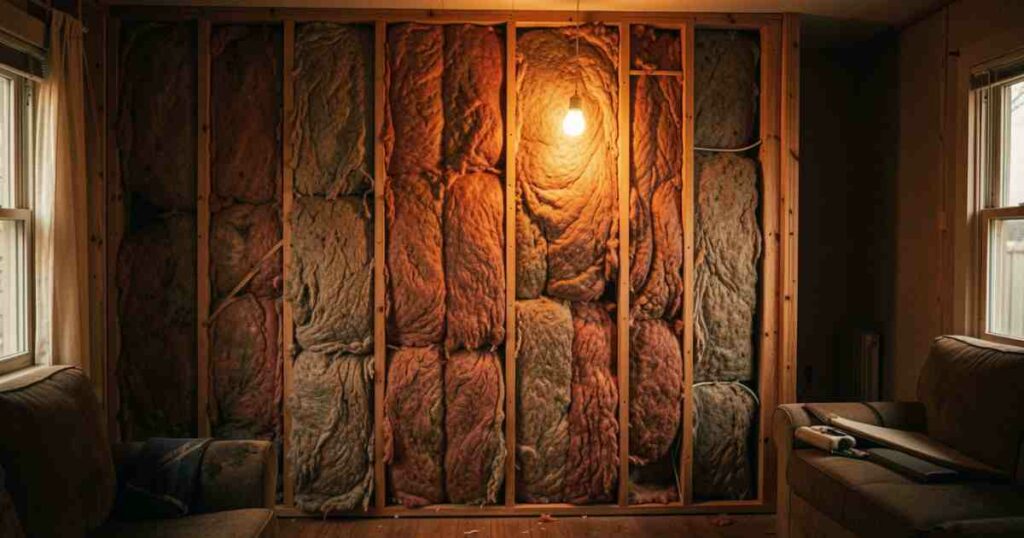
Stop Heat From Escaping Draft Proofing Your Home
Heat wants to escape your home, especially through gaps and cracks. Finding and sealing these leaks is one of the most effective ways to keep your home warm. This is often called draft proofing.
It stops warm air from getting out and cold air from getting in. Think of it like patching holes in a sweater to keep you warmer.
Identifying Air Leaks
The first step is to find where the warm air is leaving. Look around windows and doors. Feel for drafts with your hand on a cold day.
Check where pipes or wires enter your home from the outside. Don’t forget electrical outlets and switch plates on exterior walls. These small holes can let out a lot of heat.
- Windows and Doors: These are common spots for drafts. Old or poorly sealed frames let air slip through.
- Attic Hatches: An unsealed attic hatch can be a major source of heat loss.
- Electrical Outlets and Switch Plates: Small gaps around these can let cold air in.
- Plumbing and Vent Penetrations: Any place where pipes or vents go through walls or the ceiling can leak.
- Baseboards: Gaps where baseboards meet the wall or floor can also let drafts through.
Sealing Drafts Effectively
Once you find the leaks, you need to seal them. For small cracks, caulk is your best friend. It’s a flexible material that dries hard.
It’s perfect for sealing around window frames, door frames, and where pipes enter walls. For larger gaps, use expanding foam sealant. This foam expands to fill bigger spaces.
Make sure to wear gloves and eye protection when using it.
Weatherstripping is great for doors and windows. It’s a flexible strip you stick onto the frame. It creates a seal when the door or window is closed.
For windows, you can also use window insulation film. This clear plastic film sticks to your window frame and creates an extra layer of insulation. It can significantly reduce heat loss through glass.
A study by ENERGY STAR found that air sealing can reduce heating and cooling costs by 10% to 20%.
This is a significant saving for most households. For example, a home that spends $1,000 a year on heating could save $100 to $200 just by sealing air leaks.
The Importance of Insulation for Heat Retention
Insulation is like a warm blanket for your house. It slows down heat transfer, keeping the warm air inside during winter and outside during summer. Having enough insulation is key to improving heating efficiency without replacing anything.
Even if your heating system is old, good insulation can make it feel like you have a much better system.
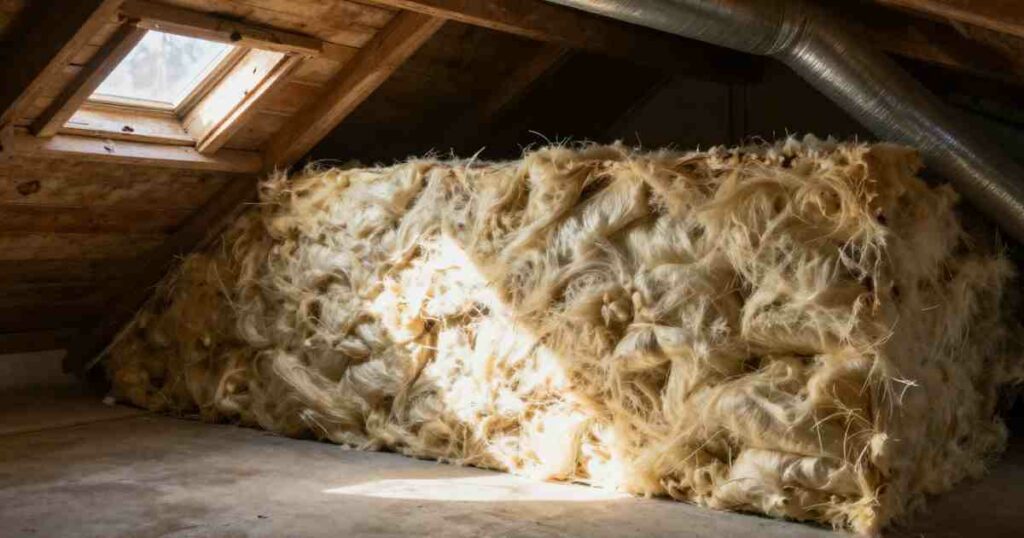
Where Insulation Matters Most
The attic is usually the most important place to add insulation. Heat rises, so a lot of your home’s warmth escapes through the ceiling if it’s not well-insulated. Walls also lose a lot of heat.
Your basement or crawl space is another area where heat can be lost. Properly insulating these areas makes a big difference in comfort and energy bills.
- Attic Insulation: This is crucial because heat rises. Adding more insulation here is often the most cost-effective upgrade.
- Wall Insulation: While harder to add to existing homes, it’s still very effective if possible.
- Basement and Crawl Space Insulation: This prevents heat from escaping downwards into the ground.
- Rim Joist Insulation: The area where the foundation meets the framing is often overlooked but can be a source of drafts.
Types of Insulation
There are several types of insulation. Batt and roll insulation, often made of fiberglass, is common. You can buy this and install it yourself in attics and crawl spaces.
Blown-in insulation, like cellulose or fiberglass, is another option, often used for attics. It fills cavities and irregular spaces well.
Spray foam insulation is very effective but usually requires professional installation. It expands to fill every nook and cranny, creating a great air seal. The R-value is a measure of how well insulation works.
Higher R-values mean better insulation. Check recommended R-values for your region and ensure your attic has at least that level.
According to the U.S. Department of Energy, adding insulation to an uninsulated attic can save homeowners up to 15% on their heating and cooling costs. This is a substantial saving, especially in colder climates.
For instance, if your annual heating bill is $1,200, you could save up to $180 per year.
Maintain Your Heating System For Peak Performance
Even if you’re not replacing your heating system, regular maintenance is vital. A well-maintained system runs more efficiently. It also lasts longer and is less likely to break down when you need it most.
Furnace and Boiler Tune-Ups
Schedule an annual tune-up with a qualified HVAC professional. They will check all the components of your furnace or boiler. They will clean parts, check for worn items, and ensure everything is working correctly.
This includes checking the burners, heat exchanger, and safety controls.
- Professional Inspection: A technician can spot small problems before they become big ones.
- Cleaning: Dirty components, like burners or heat exchangers, reduce efficiency.
- Lubrication: Moving parts need to be lubricated to run smoothly and quietly.
- Safety Checks: Ensuring your system is safe is paramount.
A tune-up can improve your heating system’s efficiency by 5% to 15%. This might not sound like much, but it adds up over a heating season. For example, if your system uses 100 units of energy to produce heat, a 5% improvement means it now uses only 95 units.
That’s less energy and lower bills.
Filter Replacement Matters
The air filter in your furnace or heating system is very important. A dirty filter makes your system work harder to pull air through. This wastes energy and can even damage your system.
Check your air filter monthly and replace it when it looks dirty. Most filters need replacing every 1-3 months, depending on the type and your home environment.
Using the right type of filter can also make a difference. Some filters are designed for better airflow, while others offer higher filtration levels. For general home use, a mid-range MERV (Minimum Efficiency Reporting Value) filter is often a good choice.
Smart Thermostat Use For Energy Savings
A programmable or smart thermostat can significantly improve your heating efficiency without any system replacement.
These devices allow you to set heating schedules for when you are home and when you are away or asleep. This prevents you from heating an empty house.
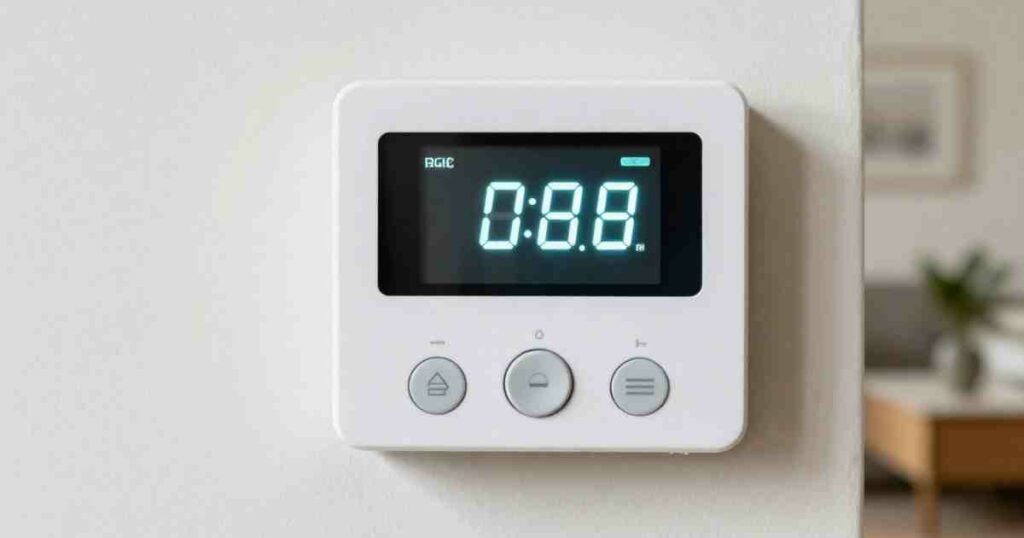
Programmable Thermostats
These thermostats let you set different temperatures for different times of the day and week.
For example, you can set it to lower the temperature overnight or when everyone is at work. Then, you can program it to warm up the house before you wake up or get home.
- Setback Temperatures: Lowering the temperature by 7-10 degrees Fahrenheit for 8 hours a day can save up to 10% annually on your heating bill.
- Scheduled Comfort: Ensure your home is warm when you need it and save energy when you don’t.
- Easy to Use: Most programmable thermostats have simple interfaces for setting schedules.
The Department of Energy estimates that you can save as much as 10% a year on heating and cooling by simply turning your thermostat back 7° to 10°F for 8 hours a day from its usual setting.
Smart Thermostats And Wi-Fi Control
Smart thermostats go a step further. They can learn your habits and automatically adjust the temperature. Many can be controlled remotely from your smartphone.
This means you can adjust the temperature even if you forgot to before leaving the house or are on your way home early.
Some smart thermostats also provide energy reports. These reports show you how much energy you are using and how your settings are affecting it. This information can help you make even smarter choices to save more energy.
Installing a smart thermostat is often a DIY project that can be done in under an hour.
Scenario: Sarah often forgets to turn down the thermostat when she leaves for work. With a smart thermostat, she can set it to automatically lower the temperature at 8 AM. She can then manually adjust it from her phone on her way home at 5 PM if she gets there early.
This simple action prevents her from heating an empty house for hours, saving her money.
Maximize Heat Distribution And Comfort
Even with a well-sealed and insulated home, ensuring the heat your system produces reaches where you need it is important.
Sometimes, simple adjustments can make a big difference in how comfortable you feel and how efficiently your system operates.
Clear Vents and Radiators
Make sure all your heating vents (for forced-air systems) and radiators (for hydronic systems) are not blocked. Furniture, rugs, or drapes can obstruct airflow. This forces your system to work harder and can lead to uneven heating in your home.
Keep the area around vents and radiators clear to allow warm air to circulate freely.
- Forced-Air Systems: Ensure vents are not covered by furniture, rugs, or other items.
- Hydronic Systems: Keep radiators free from obstructions like large pieces of furniture or heavy drapes.
- Airflow is Key: Proper airflow allows warm air to reach all areas of your home.
Clearing obstructions around vents can improve airflow by up to 20%, helping to distribute heat more effectively throughout your home. This leads to a more comfortable living space without your furnace running overtime.
Use Ceiling Fans Strategically
Ceiling fans can be used in reverse during the winter. Most fans have a switch to change their direction. In winter, set the fan to rotate clockwise at a low speed.
This gently pushes the warm air that has risen to the ceiling back down into the living space. This helps to even out the temperature in rooms and can make you feel warmer without turning up the thermostat.
This simple trick can make a room feel several degrees warmer. It circulates existing warm air rather than generating more heat. It’s a great way to improve comfort and save energy with something many people already have in their homes.
Window Treatments For Insulation
Windows are a major source of heat loss in any home. While replacing them is expensive, there are many ways to improve their insulating properties using window treatments.
Heavy Curtains and Drapes
Thick, heavy curtains or drapes can act as an excellent insulating layer. For maximum benefit, choose curtains that are lined and extend from the ceiling to the floor. Ensure they fit snugly against the wall to minimize air gaps.
Open them during sunny days to let in solar heat, and close them at night or on cloudy days to trap warmth inside.
- Lined Curtains: The lining adds an extra layer of insulation, significantly reducing heat transfer.
- Floor-Length: Curtains that reach the floor and extend beyond the window frame create a better seal.
- Proper Installation: Ensure curtains hang close to the wall to prevent drafts from bypassing them.
Using heavy, lined curtains can reduce heat loss through windows by as much as 25%. This means less warm air escapes, and your heating system doesn’t have to work as hard to compensate.
Window Insulating Film
Window insulation kits are inexpensive and easy to install. They typically include a clear plastic film that you attach to the window frame using double-sided tape. You then use a hairdryer to shrink the film tightly, creating a clear, insulating barrier.
This traps a layer of still air between the film and the window pane, acting as an insulator.
This method is particularly effective for single-pane windows. It can significantly reduce drafts and heat loss. The film is also transparent, so it doesn’t obstruct your view too much.
Scenario: A family finds their living room feels drafty and cold, even with the heat on. They install heavy, lined curtains that reach the floor. They also apply window insulation film to all their windows.
They notice a significant reduction in drafts and a more consistent temperature throughout the room, making it much more comfortable.
Frequently Asked Questions Of Simple Ways to Boost Heating Efficiency Now
Question: How often should I change my furnace filter
Answer: It’s generally recommended to check your furnace filter every month and replace it every 1 to 3 months, depending on the type of filter and your home’s air quality.
Question: Can I really feel warmer without turning up the thermostat
Answer: Yes, by sealing drafts, adding insulation, and using window treatments, you prevent heat from escaping, making your home feel warmer and more comfortable without increasing your heating system’s output.
Question: What is the most important area to insulate for heating efficiency
Answer: The attic is typically the most important area to insulate because heat rises, and a poorly insulated attic can lead to significant heat loss from your home.
Question: Do ceiling fans really help keep my house warm in winter
Answer: Yes, by setting your ceiling fan to rotate clockwise at a low speed, you can push warm air that has risen to the ceiling back down into your living space, making your home feel warmer.
Question: Is it difficult to seal air leaks myself
Answer: No, sealing common air leaks around windows, doors, and electrical outlets is a DIY task that usually requires simple tools like caulk and weatherstripping, making it accessible for most homeowners.
Summary
You can boost your home’s heating efficiency without costly replacements. Focus on sealing air leaks, improving insulation, and maintaining your current system. Smart thermostat use and strategic window treatments also play a big role.
These simple steps help keep heat in and cold out, making your home more comfortable and saving you money on energy bills.

![7 Mistakes To Avoid When Making Crepes[1]](https://creativehouseblog.com/wp-content/uploads/2026/04/7_Mistakes_To_Avoid_When_Making_Crepes1-768x448.jpg)
![How to Inspect Your Roof Safely From Ground[1]](https://creativehouseblog.com/wp-content/uploads/2026/05/How_to_Inspect_Your_Roof_Safely_From_Ground1-768x403.jpg)
![How to Build a Home Maintenance Routine You’ll Love[1]](https://creativehouseblog.com/wp-content/uploads/2026/05/How_to_Build_a_Home_Maintenance_Routine_Youll_Love1-768x403.jpg)
![How to Prepare Your Garden Yard for Winter[1]](https://creativehouseblog.com/wp-content/uploads/2026/05/How_to_Prepare_Your_Garden_Yard_for_Winter1-768x403.jpg)
![What Makes Air Fryers Energy Efficient[1]](https://creativehouseblog.com/wp-content/uploads/2026/03/What_Makes_Air_Fryers_Energy_Efficient1-768x448.jpg)
![10 Tips For Perfect Creamy Foam At Home[1]](https://creativehouseblog.com/wp-content/uploads/2026/04/10_Tips_For_Perfect_Creamy_Foam_At_Home1-768x448.jpg)