
The primary reasons homemade pizza fails to cook properly are an oven that is not hot enough, incorrect dough hydration, and using too many or wet toppings. Insufficient oven heat prevents the crust from becoming crispy, while improper dough moisture makes it either dense or crumbly. To ensure even cooking and a crisp crust, always preheat your baking surface, such as a pizza stone or steel, for at least 30 minutes before baking.
Making pizza at home can be super fun, but sometimes it doesn’t turn out quite right. If your crust is soggy or your toppings are burnt before the cheese is melted, you might be wondering what went wrong. Don’t worry, lots of people run into these issues when they first start.
We’re going to look at 6 Reasons Your Homemade Pizza Isn’t Cooking Properly and show you how to fix them step-by-step. Get ready for delicious pizza nights!
Key Takeaways
- You’ll learn why oven temperature is so important for a crispy pizza crust.
- Discover how dough hydration affects how well your pizza cooks.
- Understand the impact of topping quantity and moisture on baking.
- Find out why preheating your baking surface makes a big difference.
- Learn how pizza thickness impacts cooking time and texture.
- Get tips on choosing the right baking tool for your pizza.

Why Your Homemade Pizza Isn’t Cooking Properly: The Common Culprits
You’ve followed a recipe, you’ve got your ingredients ready, but when that pizza comes out of the oven, it’s just. not right. Maybe the bottom is pale and soft, or perhaps the edges are black while the middle is still doughy.
It’s a common problem, but thankfully, there are simple reasons behind it. Let’s explore the 6 Reasons Your Homemade Pizza Isn’t Cooking Properly so you can achieve pizza perfection.
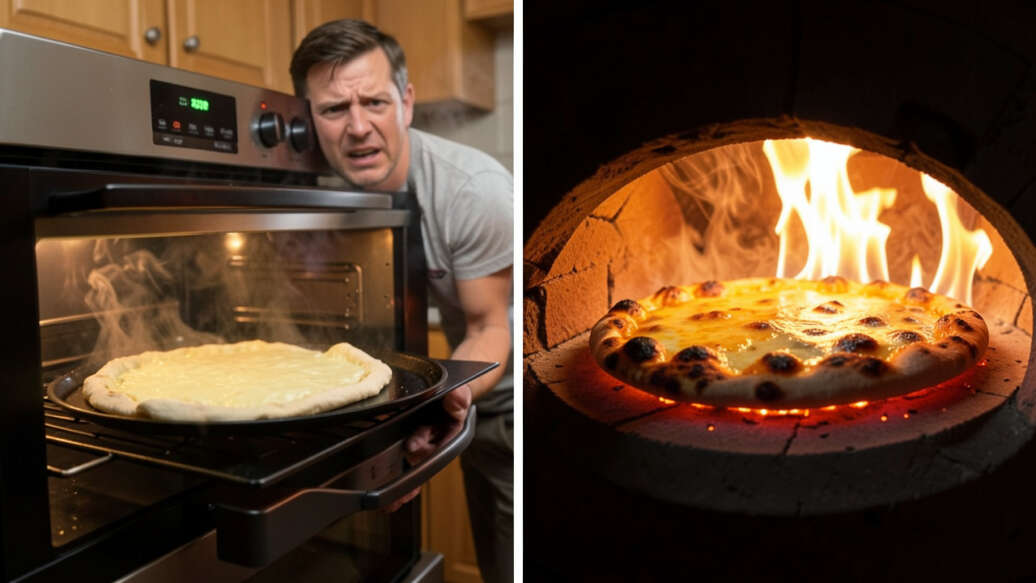
1. The Oven Temperature Isn’t Hot Enough
This is a big one! Most home ovens don’t get as hot as professional pizza ovens. Pizza needs really high heat to cook quickly and get that perfect crispy crust.
If your oven is too cool, the dough will just dry out instead of baking up crisp. It won’t get that nice charring either. This is often the main reason for a pale, undercooked base.
Why High Heat Matters
High temperatures create a rapid rise in the dough, called oven spring. This makes the crust light and airy. The heat also cooks the bottom of the pizza quickly, making it firm and golden.
Lower temperatures mean the dough spreads out and gets heavy.
What to Do
Always preheat your oven for at least 30 minutes, or even longer, to ensure it’s truly hot. Many recipes call for 450-550°F (230-290°C). If your oven has a “pizza” setting, use it!
If not, set it to the highest temperature it can go. Using an oven thermometer can also help you know the actual temperature inside your oven.

2. Your Dough Is Too Wet or Too Dry
The amount of water in your pizza dough, called hydration, is super important. If your dough has too much water, it will be sticky and hard to work with. It also bakes up gummy and takes longer to cook through.
On the other hand, dough with too little water can be tough and dry. It won’t get that nice chewy texture.
Understanding Hydration Levels
Higher hydration doughs (more water) tend to make lighter, airier crusts, but they need proper technique and heat to bake well. Lower hydration doughs are easier to handle but can result in a denser crust.
What to Do
Follow your recipe closely when it comes to the amount of water and flour. If you’re new to pizza making, start with a recipe that has a moderate hydration level, around 60-65%. If your dough feels too wet, you can add a tablespoon of flour at a time while kneading.
If it feels too dry, add a teaspoon of water at a time.
3. Too Many Toppings or Wet Toppings
It’s tempting to load up your pizza with all your favorite toppings. However, overloading your pizza can cause problems. Too many toppings add moisture and weight.
This can make the crust soggy because the heat can’t get to it properly. Wet toppings, like fresh mozzarella that hasn’t been drained or watery vegetables, release steam as they cook. This steam creates a damp environment.
The Moisture Problem
The steam from wet toppings creates a barrier between the heat and the dough. This prevents the crust from crisping up. It also can make the toppings cook unevenly, with the cheese melting but the vegetables still being a bit raw.
What to Do
Go easy on the toppings. Use a lighter hand. For watery vegetables like mushrooms, bell peppers, or onions, consider sautéing them briefly before putting them on the pizza.
This cooks out some of their moisture. If you’re using fresh mozzarella, pat it dry with paper towels before adding it to the pizza.

4. Not Preheating Your Baking Surface
Just preheating the oven isn’t always enough. Whatever you’re cooking your pizza on – whether it’s a baking stone, a steel, or even a baking sheet – needs to be hot too. If you place your pizza on a cold surface, it will suck the heat away from the dough.
This leads to a soft, undercooked bottom.
The Importance of a Hot Surface
A hot baking surface acts like a griddle for your pizza. It instantly starts cooking the bottom of the crust, giving it that crucial crispness and color. It mimics the effect of a professional pizza oven’s floor.
What to Do
Place your baking stone, steel, or baking sheet in the oven when you start preheating. Let it heat up with the oven for at least 30 minutes, or even an hour if you have the time. This ensures it’s screaming hot when your pizza slides onto it.

5. Pizza Thickness is Wrong
The thickness of your pizza dough plays a role in how it cooks. A very thick crust needs more time to bake through. If your oven isn’t hot enough or you’re not careful, the outside might burn before the inside is cooked.
A very thin crust might cook too quickly and become brittle if your oven is very hot.
Finding the Right Balance
The ideal thickness depends on your oven and your preference. For most home ovens, a medium thickness is often best. It allows the crust to cook evenly without burning.
What to Do
Experiment with different thicknesses. If you notice your crust is still doughy in the middle, try stretching your dough a bit thinner next time. If it’s too crisp and breaks easily, try leaving it a little thicker.
Keep an eye on the cooking time and adjust as needed based on the dough’s thickness.

6. Using the Wrong Baking Tool
The surface you use to bake your pizza can make a big difference. Baking sheets are common, but they don’t always conduct heat as well as other options. A pizza stone or a pizza steel can give you much better results.
Pizza Stone vs. Pizza Steel
A pizza stone is made of ceramic or cordierite and absorbs moisture, leading to a crispier crust. It needs to be preheated for a long time to store and radiate heat evenly. A pizza steel is made of metal and conducts heat even faster than a stone.
This can result in an even crispier crust and quicker cooking times.
What to Do
If you’re serious about homemade pizza, consider investing in a pizza stone or steel. They are designed to get very hot and transfer that heat directly to your pizza. If you don’t have one, use the heaviest baking sheet you own and make sure it’s well preheated.
Frequently Asked Questions
Question: How do I know if my oven is hot enough for pizza?
Answer: Use an oven thermometer! Many home ovens aren’t accurate. Aim for at least 450°F (230°C), and ideally 500°F (260°C) or higher.
Make sure you preheat for at least 30 minutes, giving the oven walls and rack plenty of time to get fully hot.
Question: Can I make good pizza dough without a stand mixer?
Answer: Absolutely! You can make excellent pizza dough by hand. It just takes a bit more kneading.
Focus on developing the gluten by stretching and folding the dough until it becomes smooth and elastic. It’s a great workout too!
Question: What if my pizza toppings are burning but the crust isn’t done?
Answer: This usually means your oven is too hot on top or the pizza is too close to the heating element. Try moving the pizza to a lower rack. You can also loosely tent the pizza with foil if the toppings start to burn too quickly, allowing the crust more time to cook.
Question: How long should I preheat my pizza stone?
Answer: For best results, preheat your pizza stone for at least 30-45 minutes after your oven reaches its target temperature. Some people even preheat them for an hour. This ensures the stone is thoroughly heated all the way through and can transfer heat efficiently.
Question: My pizza crust is always pale and doughy on the bottom. What am I doing wrong?
Answer: This is a classic sign of insufficient heat transfer to the base. Make sure your oven and your baking surface are fully preheated. Consider using a pizza steel or a well-preheated pizza stone, and ensure your oven is at its highest temperature setting.
Also, check that you aren’t overloading the pizza with too many wet toppings.
Final Thoughts
Getting your homemade pizza just right can take a little practice. By checking your oven’s temperature and preheating your baking surface, you’ll see a big change. Watch how much water is in your dough and don’t pile on too many wet toppings.
Adjusting your pizza’s thickness and using the right tools helps too. Keep these tips in mind, and you’ll be making delicious, perfectly cooked pizzas in no time.

![What Is a Stand Mixer Used For Explained[1]](https://creativehouseblog.com/wp-content/uploads/2026/03/What_Is_a_Stand_Mixer_Used_For_Explained1-768x448.jpg)
![How Espresso Machines Work Explained Simply[1]](https://creativehouseblog.com/wp-content/uploads/2026/03/How_Espresso_Machines_Work_Explained_Simply1-768x448.jpg)
![10 Common Espresso Mistakes Beginners Make[1]](https://creativehouseblog.com/wp-content/uploads/2026/04/10_Common_Espresso_Mistakes_Beginners_Make1-768x448.jpg)
![lumbing Checks Every Homeowner Should Do Regularly[1]](https://creativehouseblog.com/wp-content/uploads/2026/05/lumbing_Checks_Every_Homeowner_Should_Do_Regularly1-768x403.jpg)
![How Much Electricity Does an Air Fryer Use[1]](https://creativehouseblog.com/wp-content/uploads/2026/03/How_Much_Electricity_Does_an_Air_Fryer_Use1-768x448.jpg)