
Many homeowners routinely skip critical monthly home maintenance tasks like HVAC filter changes, sump pump tests, and smoke detector checks. These small, proactive inspections prevent major system failures, water damage, and safety hazards that often result from overlooked chores. Consistent monthly care is a simple, cost-effective strategy to preserve home value, ensure safety, and avoid expensive emergency repairs.
Regular monthly maintenance is key to a healthy home. Many homeowners skip these simple tasks, leading to potential issues down the line. This guide covers those often-overlooked jobs, helping you stay ahead of problems and keep your house in great condition with minimal fuss.
Understanding What Monthly Home Maintenance Entails
Home maintenance means taking care of your house. It’s like taking care of your car. You get oil changes and tune-ups.
Your house needs them too. Monthly tasks are small checks and cleanings. They prevent big problems.
Think of them as your home’s regular check-ups. They keep everything working right.
These tasks are not hard. They don’t take much time. But they make a big difference.
You might not see the problem right away. That’s why regular checks are important. They catch things early.
This saves you money and stress. It’s about being proactive. It’s about giving your home the attention it deserves.
Most homeowners focus on seasonal or yearly chores. They might clean gutters in fall. Or check the heater before winter.
These are great. But monthly care is just as vital. It fills the gaps.
It catches issues that appear between those big jobs. This keeps your home safe and sound all year.

My Own “Uh Oh” Moment: The Forgotten Filter
I remember one sweltering summer. My air conditioner started making a weird noise. It sounded like a dying robot.
Then, it just quit. Panic set in. I called an AC repairman.
He came out, looked at it for maybe five minutes, and shook his head. “Your filter,” he said, holding up a thick, grey mass of dust and debris. “It’s completely clogged.
The unit’s working way too hard.”
He replaced the filter. The AC started humming again, cool air blowing. The repair bill was more than I liked.
I felt so silly. It was a five-dollar filter. Changing it monthly would have taken two minutes.
But I’d completely forgotten. It was a harsh lesson. Sometimes, the simplest tasks are the most important.
That day, I learned to put monthly maintenance on my calendar. It’s now non-negotiable.
Monthly Task Snapshot: What to Look For
Air Filters: Check and change if dirty. This helps air quality and system efficiency.
Smoke Alarms: Test them by pressing the button. Replace batteries yearly.
Water Leaks: Look under sinks and around toilets. Check for damp spots or drips.
Pest Activity: Keep an eye out for bugs or droppings. Seal entry points.
Appliance Check: Clean fridge coils. Check dryer vent for lint.

The Core of Monthly Care: Why It Matters So Much
Monthly home maintenance is all about prevention. It’s like brushing your teeth. You do it every day.
This stops cavities. Skipping it leads to pain and big dental bills. Home maintenance is similar.
Small, regular actions stop bigger issues. These issues can cost a lot of money.
Think about your plumbing. A tiny drip under a sink might seem small. But over weeks, it can cause water damage.
It can lead to mold. Mold is bad for your health. It’s also expensive to fix.
A quick monthly check can find that drip early. You can fix it with a simple washer. This saves you from a major repair job.
Your electrical system is another area. Loose wires or outlets can be dangerous. They can cause fires.
Monthly checks might involve looking for any signs of wear. Or ensuring outlets are secure. These checks help keep your home safe.
They protect your family from electrical hazards. It’s about peace of mind.
Energy efficiency is also boosted. Dirty air filters make your HVAC system work harder. This uses more electricity.
It costs you more on your energy bill. Cleaning or changing filters monthly keeps your system running well. This saves energy.
It saves money. It also makes your home more comfortable.

Beyond the Obvious: Hidden Monthly Chores
Many homeowners think of monthly tasks as just changing air filters. That’s important. But there’s more to it.
Let’s dive into some areas people often miss. These are crucial for overall home health.
Check Your Appliances: Your dishwasher, washing machine, and dryer. They work hard. Look for leaks around them.
Clean out the lint trap in your dryer every single time you use it. This is a fire hazard if ignored. For the fridge, pull it out a bit.
Clean the coils on the back. This helps it run cooler and more efficiently.
Inspect Your Water Heater: Water heaters have a valve. It’s a relief valve. Once a month, test it.
Turn the handle slightly. A little water should come out. Then let it go back.
This flushes out sediment. It helps prevent corrosion. It can extend the life of your heater.
Look at Your Toilets and Faucets: Are they leaking? Even a small drip adds up. It wastes water.
It can wear down seals faster. Check under sinks for dampness. Look at the base of your toilet.
Any signs of moisture? A little caulk or a new washer can fix many issues.
Garbage Disposal Care: Run cold water while using it. Avoid putting fibrous materials like celery or potato peels down it. To clean it, try cutting up a lemon.
Run the disposal with the pieces and cold water. It helps keep it fresh and clear.
Quick Glance: Lesser-Known Monthly Checks
- Test smoke and carbon monoxide detectors.
- Inspect under sinks for leaks.
- Clean out dryer lint trap (after each use is best).
- Check for pest activity around the home’s exterior.
- Flush toilet tanks to check for leaks.
- Wipe down appliance seals (fridge, oven).
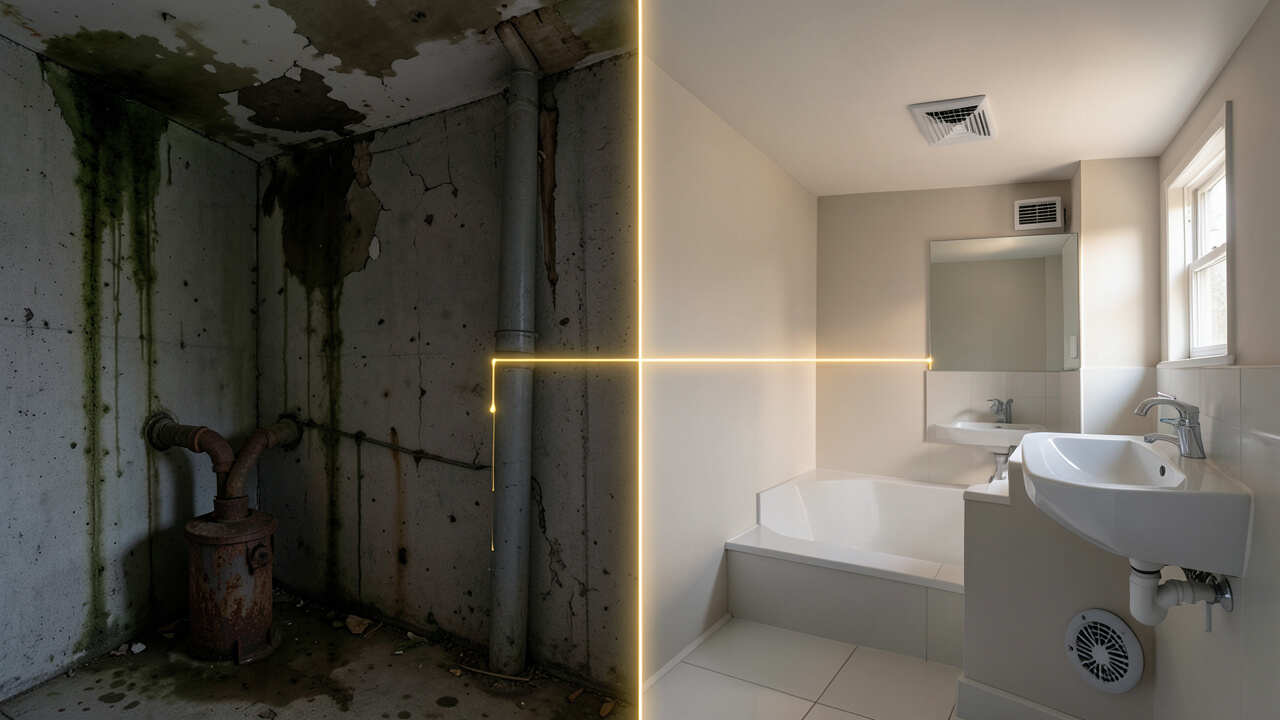
Real-World Scenarios: When Monthly Care Pays Off
Imagine this: It’s a rainy Tuesday. You notice a damp spot on your ceiling. If you do monthly checks, you might have already noticed a slow drip from an upstairs shower.
You might have called a plumber. They fixed the small leak. Your ceiling stays dry.
You avoid a messy and expensive repair.
Now, imagine you skip that monthly check. That small drip turns into a steady leak. Water seeps into your walls.
It causes drywall damage. It can lead to mold growth. The repair is now much bigger.
It involves tearing out drywall, fixing the leak, and treating mold. This is a much higher cost and much more hassle.
Another scenario: Your backyard patio. You see a small crack in the concrete. Most people might ignore it.
But a monthly inspection might reveal that the crack is growing. Or that water is getting under the concrete. This can cause the patio to heave or sink.
By filling small cracks early, you prevent water damage. You stop larger structural issues from forming.
Think about your windows. You might not think about them monthly. But checking the seals around them is smart.
Worn seals let in drafts. This makes your home less energy efficient. It drives up heating and cooling costs.
Replacing old caulk or weatherstripping is a simple fix. It makes a big difference in comfort and bills.
Contrast Matrix: Normal vs. Concerning Signs
Normal Signs
Slight temperature changes between rooms.
Occasional condensation on windows in cold weather.
Normal appliance noises during operation.
Small amounts of lint in dryer trap.
Concerning Signs
Sudden, drastic temperature shifts.
Persistent condensation or frost on windows/walls.
Grinding, banging, or clicking noises from appliances or HVAC.
Excessive lint buildup, burning smells from dryer.
Visible water leaks or damp spots.
Musty odors that don’t go away.
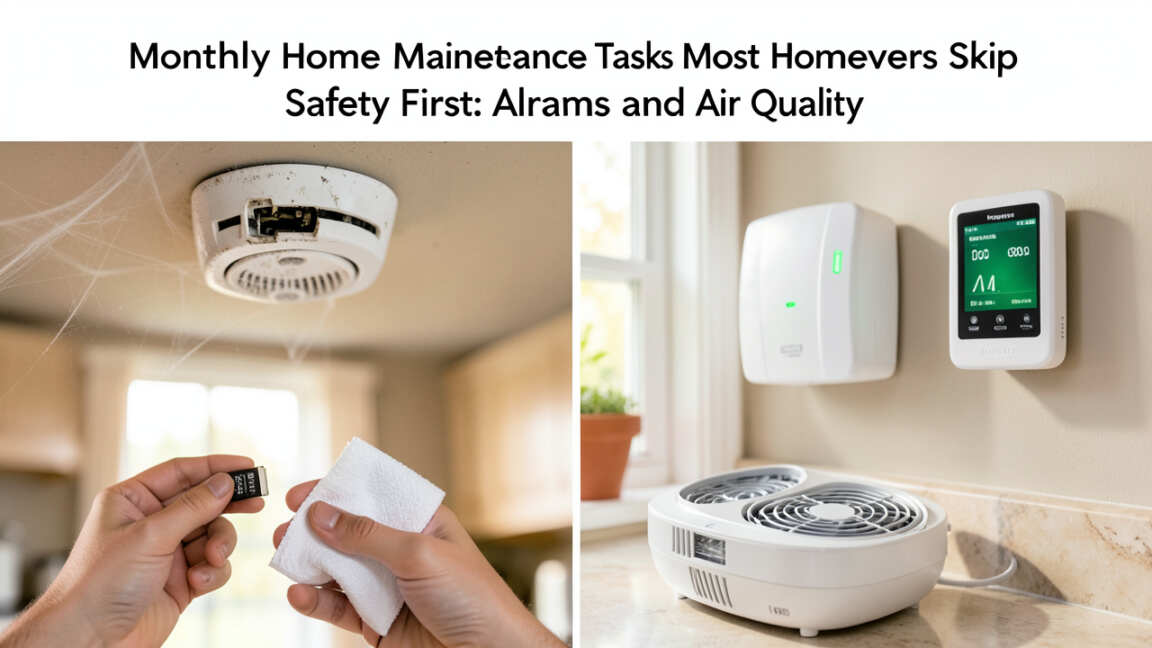
Safety First: Alarms and Air Quality
Your home’s safety systems need monthly attention. Smoke detectors and carbon monoxide detectors are vital. Test them every month.
Press the test button. If they sound, they work. If not, check the batteries.
Replace them at least once a year. These devices save lives. Don’t skip this simple check.
Air quality is another monthly focus. Beyond HVAC filters, think about other vents. Your kitchen range hood vent.
Your bathroom exhaust fan. These can get clogged with grease or dust. They won’t work as well.
This can trap odors or moisture. Clean these vents monthly. It helps your home smell better and stay drier.
Check your fire extinguisher monthly too. Make sure the pressure gauge is in the green. Ensure the pin is still in place.
It should be easily accessible. Know where it is. This is a tool for emergencies.
It needs to be ready when you need it.
Also, be mindful of exhaust fans. Make sure they are venting outside. Some older homes may have fans that just blow air into the attic.
This can cause moisture problems. A monthly check ensures they are working correctly and venting properly.
Safety Spotlight: Monthly Checks You Can’t Miss
Smoke/CO Alarms: Test monthly. Replace batteries annually.
Fire Extinguisher: Check pressure gauge. Ensure pin is secure.
Range Hood & Bathroom Fans: Clean vents for better air flow.
Appliance Cords: Inspect for fraying or damage. Replace if needed.
Exterior Lighting: Ensure all outdoor lights are working for security.
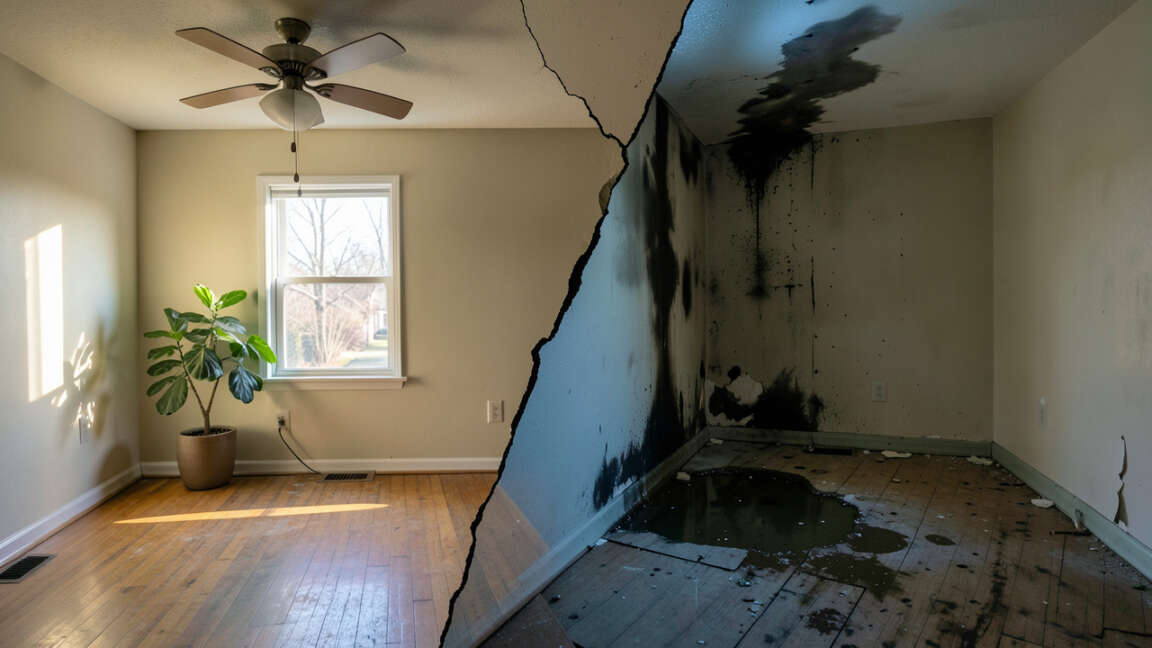
When It’s Normal and When to Worry
Some minor issues are normal. A slight draft from a window in winter? Usually, it’s just old weatherstripping.
A little noise from the furnace kicking on? Most systems make some sound. The key is change.
Is it a new noise? Is the draft much worse than before?
A dripping faucet is common. But a persistent, fast drip means a worn washer or seal. That needs fixing.
A small amount of lint in your dryer trap is normal. A huge wad that looks like a sweater? That’s a problem.
It means the screen isn’t catching it all. Or the vent is getting clogged.
Any signs of water where it shouldn’t be are worrying. Damp spots on walls or ceilings. Puddles under sinks.
Water stains around tubs or showers. These all need immediate attention. They can lead to serious structural damage and mold.
Electrical smells, like burning plastic, are also a major red flag. Don’t ignore them. If you smell this, turn off the power to that area.
Call an electrician right away. It’s a safety hazard.
Pest problems can start small. A single ant might be nothing. But a trail of ants?
Droppings in your pantry? That’s a sign of an infestation. Early detection makes pest control much easier and cheaper.
The “Uh Oh” Checklist: Signs to Watch For
Water: Any leak, drip, or damp spot that doesn’t quickly dry.
Smells: Burning odors, strong musty smells, sewage smells.
Sounds: New, loud, or strange noises from appliances, plumbing, or HVAC.
Visuals: Visible mold, cracking in walls or foundations, damaged wires.
Performance: Appliances not working correctly, HVAC not cooling/heating well.
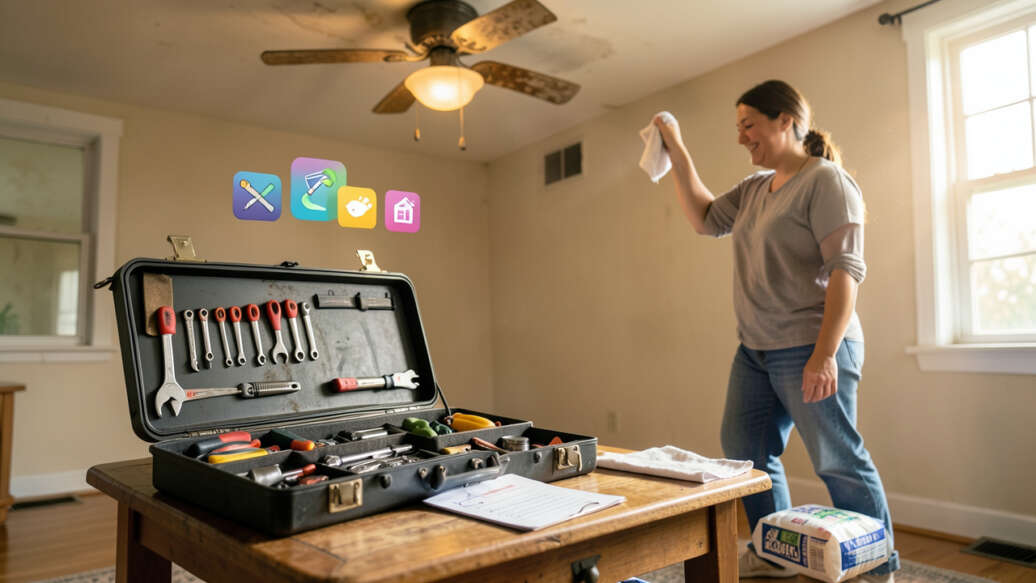
Simple Fixes and Tips for Monthly Tasks
Many monthly tasks are easy to do yourself. Here are some simple tips.
Use a Checklist: Write down all the monthly tasks. Keep it somewhere visible, like on your fridge. Check items off as you do them.
This helps you stay on track.
Set Calendar Reminders: Use your phone or computer calendar. Set reminders for the first weekend of the month. Or a specific day.
This takes the guesswork out of remembering.
Keep Supplies Handy: Have extra air filters, smoke alarm batteries, and cleaning supplies ready. When you notice something needs fixing, you have the parts. You don’t have to wait.
Get the Family Involved: If you have kids, assign them age-appropriate tasks. Testing smoke alarms or wiping down appliance handles can be fun for them. It teaches them responsibility.
Document When You Did It: For things like changing air filters or servicing appliances, make a note. A small notebook or a digital log can help. This shows you when things were last done.
Know Your Limits: If a task seems too complex or dangerous, call a professional. It’s better to pay for an expert than to risk injury or further damage.
Your Monthly Maintenance Toolkit
- Tools: Screwdriver, plunger, general cleaning supplies.
- Parts: Extra air filters, smoke alarm batteries, light bulbs.
- Reference: Home maintenance checklist, appliance manuals.
- Safety Gear: Gloves, safety glasses.
Frequently Asked Questions about Monthly Home Maintenance
How often should I really check my smoke detectors?
You should test your smoke detectors every month. Press the test button to make sure they sound. Replace the batteries at least once a year, or sooner if they start chirping.
Make sure to replace the entire unit every 10 years.
What’s the most common monthly maintenance task people forget?
Many people forget to check their appliance seals and clean out their dryer lint trap regularly. Also, inspecting under sinks for small leaks is often overlooked. These simple checks can prevent big problems like water damage or fire hazards.
Is it necessary to check my water heater every month?
While not strictly a “monthly” task for all water heaters, testing the pressure relief valve is a good idea every few months. Flushing sediment might be done more often depending on your water quality. A quick visual check for leaks or rust should be done monthly.
How can I make monthly maintenance less of a chore?
The best way is to make it a habit. Set reminders on your phone. Use a checklist and keep it handy.
Get your family involved. Breaking it down into small, manageable tasks each week can also help. Think of it as a few minutes now to save hours later.
What are the signs of a pest problem I should look for monthly?
Look for droppings (especially in kitchens or bathrooms), gnaw marks on food packaging or wood, unusual sounds in walls, or actual sightings of insects or rodents. Also, check around the foundation of your home for entry points.
Do I need to clean my outdoor AC unit monthly?
You should check your outdoor AC unit monthly for debris like leaves or grass clippings. Gently clear away any obstructions around the unit. A deep clean of the coils is usually an annual task, but a quick visual check monthly is smart.
Conclusion: The Power of Monthly Vigilance
Taking a few minutes each month for home maintenance is powerful. It stops small issues from becoming big headaches. It protects your investment.
It keeps your home safe and comfortable. Don’t let these simple tasks slip through the cracks. Your future self will thank you.

![7 Mistakes To Avoid When Using A Hot Plate[1]](https://creativehouseblog.com/wp-content/uploads/2026/04/7_Mistakes_To_Avoid_When_Using_A_Hot_Plate1-768x448.jpg)
![7 Deep Fryer Mistakes That Make Food Soggy[1]](https://creativehouseblog.com/wp-content/uploads/2026/04/7_Deep_Fryer_Mistakes_That_Make_Food_Soggy1-768x448.jpg)
![7 Mistakes People Make When Using Indoor Electric Grills[1]](https://creativehouseblog.com/wp-content/uploads/2026/04/7_Mistakes_People_Make_When_Using_Indoor_Electric_Grills1-768x448.jpg)
![How to Seal Gaps Around Doors Before Cold Weather Arrives[1]](https://creativehouseblog.com/wp-content/uploads/2026/05/How_to_Seal_Gaps_Around_Doors_Before_Cold_Weather_Arrives1-768x403.jpg)
![Winter Home Maintenance Checklist Before Cold Season Hits[1]](https://creativehouseblog.com/wp-content/uploads/2026/05/Winter_Home_Maintenance_Checklist_Before_Cold_Season_Hits1-768x403.jpg)
![6 Reasons Your Homemade Pizza Isn’T Cooking Properly[1]](https://creativehouseblog.com/wp-content/uploads/2026/04/6_Reasons_Your_Homemade_Pizza_IsnT_Cooking_Properly1-768x448.jpg)