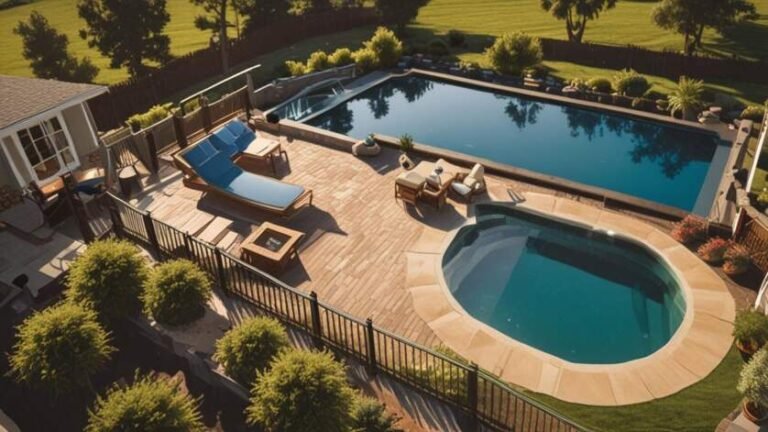
The nine hidden costs of owning an above-ground pool include site preparation, permits, electrical work, water and chemical start-up, higher utility bills, winterization, liner replacements, and eventual removal. These expenses typically add 50 percent or more to the initial purchase price, so upfront budgeting prevents financial surprises. Specific costs range from $50 to $500 for permits, $200 to $500 annually for pump electricity, and $500 to $2,000 for eventual pool removal.
Your new above-ground pool ads out the installation, but the real cost starts after the last screw is tightened. This guide covers the 9 hidden costs of owning an above-ground pool that most pool owners never see coming.
Quick Verdict: In short, owning an above-ground pool comes with nine major hidden costs: site preparation, permits, electrical work, water, chemicals, higher utility bills, winterization, liner replacements, and eventual removal. These expenses easily add 50% or more to the initial purchase price. Smart budgeting from day one prevents financial surprises.
- Site preparation for an above-ground pool can cost $500 to $2,000 depending on ground leveling and sand base materials.
- Most homeowners need a permit for an above-ground pool, with fees ranging from $50 to $500 depending on local zoning laws.
- Running an above-ground pool pump adds $200 to $500 a year to your electricity bill depending on pump size and usage.
- Pool liners last 5 to 9 years and replacement costs range from $300 to $1,500 depending on pool size and liner thickness.
- Removing an above-ground pool costs between $500 and $2,000, making it an expensive surprise if you sell your home.
| Hidden Cost | Typical Cost Range (First Year) | Key Factor |
|---|---|---|
| 1. Site Prep and Base | $500 – $2,000 | Needed for pool stability |
| 2. Permits and Zoning | $50 – $500 | Varies by location |
| 3. Electrical Work | $300 – $1,000 | Pro installation required |
| 4. Water and Start-Up | $200 – $600 | First fill and chemicals |
| 5. Ongoing Chemicals | $500 – $900 per year | Regular maintenance |
| 6. Utility Bills | $200 – $500 per year | Pump and heater usage |
| 7. Winterization | $100 – $400 per year | Covers and chemicals |
| 8. Liner Replacement | $300 – $1,500 (every 5-9 yrs) | Inevitable replacement |
| 9. Removal and Disposal | $500 – $2,000 (one-time) | End of pool life |
1 – Site Preparation and Base Materials
Most buyers assume the pool goes directly on the grass. In reality, you need a flat, level surface. The ground must be clear of rocks, roots, and debris.
Why It Is Overlooked
Pool kits show a beautiful backyard setup. They do not show the work required to get the ground ready. If you skip this step, the pool frame can twist and collapse.
Real Cost Breakdown
You may need to rent a sod cutter and a plate compactor. Sand or crushed stone base costs extra. According to, professional site prep for an above-ground pool averages $800 to $1,500.
Tip: Order sand and base materials from a landscape supply company. They charge less than big-box retailers. You can also ask neighbors to split the cost of equipment rental.
2 – Permits and Zoning Fees
A building permit is not optional. Most municipalities require an inspection for any pool over 24 inches deep. You also need to check setback rules for property lines.
Why It Is Overlooked
Above-ground pools look temporary. Many owners think they can install one without permission. The provides the building standards that most local codes adopt. Ignoring them can lead to fines.
How to Handle Permits
- Call your local building department before buying the pool.
- Ask about depth limits and fencing requirements.
- Factor in the permit fee which typically ranges from $50 to $500.
- Schedule the required inspections at the right times.
Warning: Some homeowners associations (HOAs) ban above-ground pools entirely. Buying a pool without checking your HOA rules can force you to remove it at your own cost.
3 – Electrical Work and Setup
Your pool pump needs power. Running an extension cord is not safe. You will likely need a dedicated GFCI-protected circuit installed by a licensed electrician.
Real Cost Breakdown
The cost depends on the distance from the breaker box to the pool. Wiring, conduit, and a weatherproof outlet add up fast. According to, pool electrical work costs $300 to $1,000.
Why It Is Overlooked
Pool kits list the pump as included. They do not mention the cost to connect it. Many buyers budget only for the pump itself.
Warning: Never install the electrical system yourself unless you are a licensed electrician. Improper wiring is a leading cause of pool-related injuries.
4 – Water and Chemical Start-Up Costs
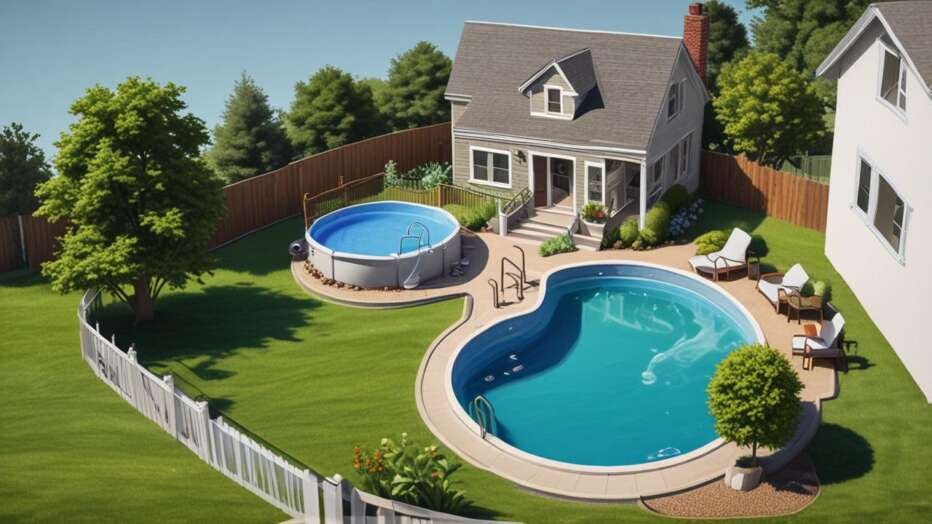
Filling an above-ground pool requires hundreds of gallons of water. On average, a 15-foot round pool holds 5,000 gallons. A 24-foot pool holds over 13,000 gallons.
Real Cost Breakdown
Water costs vary by region. According to the program, the national average cost is about $0.004 per gallon. Filling a 5,000-gallon pool costs around $20. A larger pool costs $50 or more.
You also need start-up chemicals. Chlorine, shock, pH balancers, and algaecide add $50 to $150 to your first fill.
5 – Ongoing Chemical Maintenance
Pool water needs constant treatment. Without regular care, algae blooms and bacteria grow. You must test and adjust the water every week.
Real Cost Breakdown
According to, the average above-ground pool owner spends $500 to $900 per year on chemicals. This covers chlorine tablets, shock treatments, pH adjusters, and algaecide.
Why It Is Overlooked
New owners see cheap prices for a bucket of tablets. They do not realize how often they need to buy them. High heat and heavy pool use increase chemical demand.
Tip: A saltwater chlorine generator reduces annual chemical costs to around $200 per year. It requires an upfront investment of $400 to $700 but pays off within two seasons.
6 – Premium Utility Bills
The pump is the biggest energy drain. It runs 8 to 12 hours a day during pool season. A heater, if you have one, adds even more to your bill.
Real Cost Breakdown
The states that a 1 HP pool pump running 8 hours daily uses about 2,400 kWh per year. At the national average of $0.13 per kWh, that adds $312 to your electric bill.
Natural gas heaters cost about $1.50 to $3.00 per hour to run. An electric heat pump is cheaper at $0.50 to $1.00 per hour but has a higher upfront cost.
How to Save
- Use a variable-speed pump. It uses 30% to 50% less energy.
- Run the pump during off-peak hours when rates are lower.
- Install a solar cover to keep heat in. This reduces heater run time.
7 – Winterization and Covers
If you live in a cold climate, winterizing is mandatory. Freezing water expands and can crack the pool frame, plumbing, and liner. You need a winter cover, pillows, plugs, and chemicals.
Real Cost Breakdown
- Winter pool cover: $50 to $300.
- Air pillows and ice compensators: $30 to $80.
- Winterizing chemicals: $40 to $100.
- Cover pump to keep water off the cover: $50 to $150.
Annual winterization costs typically run $100 to $400. If you hire a company to do it, add $100 to $200 in labor.
Why It Is Overlooked
First-time owners think they can skip this step. One freeze cycle can destroy a liner or damage the pump. Repair costs far exceed the cost of winterizing.
8 – Repairs, Patches, and Liner Replacement
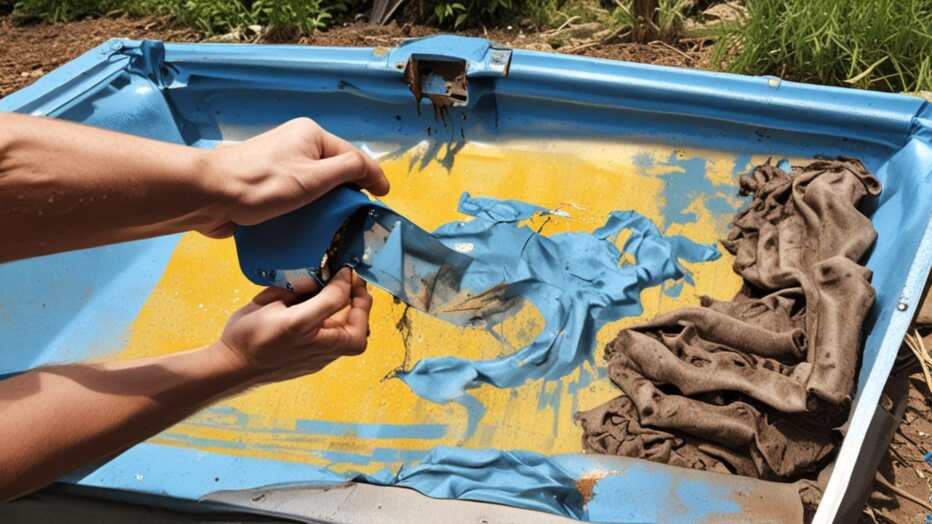
Pools wear out. The liner is the most common failure point. It gets punctured by toys, animals, or sharp objects. The sun UV radiation also weakens the material over time.
Real Cost Breakdown
Small patch kits cost $10 to $20. Larger tears may require a professional repair at $100 to $300. The real expense comes when the liner needs full replacement.
According to, an above-ground pool liner lasts 5 to 9 years. Replacement costs range from $300 for a basic 12-foot liner to $1,500 for a heavy-duty 24-foot beaded liner. This does not include installation labor, which adds $200 to $500.
Important: Buy the thickest liner you can afford. A 25-gauge liner lasts significantly longer than a 20-gauge liner. It costs more upfront but saves money over time.
9 – Removal and Disposal at End of Life
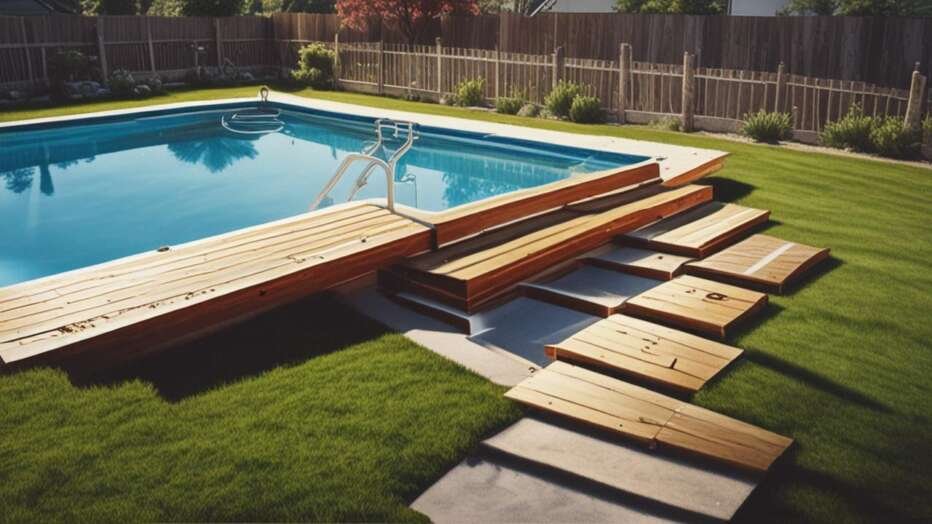
Most above-ground pools last 10 to 15 years. Eventually the frame corrodes, the liner fails, and replacement costs more than a new pool. You then have an eyesore in your yard.
Real Cost Breakdown
The final hidden cost of owning an above-ground pool is removal. You must take down the frame, dispose of the liner, and haul everything away. According to, professional removal costs $500 to $2,000.
Why It Is Overlooked
Nobody buys a pool thinking about how to dispose of it. But when you sell your house, many buyers demand the pool be removed before closing. This becomes a major negotiation point.
What Above-Ground Pool Costs Are Not
Many homeowners believe common myths about pool ownership. These misconceptions lead to under-budgeting. Here are three myths and the real facts behind them.
Myth 1: Above-ground pools do not require permits.
Fact: Most local building codes require permits for any pool over 24 inches deep. Building without one can result in fines up to $5,000 or forced removal of the pool. Always check with your local building department before purchasing.
Myth 2: The purchase price covers everything you need.
Fact: The pool kit price covers the frame, liner, and pump. You still need to buy a cover, ladder, fencing, testing kit, and start-up chemicals. These add 30% to 50% to the total setup cost.
Myth 3: Removal is free because someone will take it.
Fact: Used above-ground pools have almost no resale value. The labor to dismantle and transport them is not free. Most homeowners end up paying for disposal.
How to Budget for Your Above-Ground Pool
Now that you know the real costs, you need a solid plan. A good budget accounts for the purchase price plus the hidden expenses. Follow this step-by-step method.
Step 1: Calculate Total First-Year Cost
Add up the pool price, site prep, permits, electrical work, water, chemicals, cover, and accessories. A $1,500 pool kit typically requires $1,000 to $3,500 in hidden first-year costs.
Step 2: Set Up a Maintenance Fund
Set aside $50 to $80 per month during the off-season. This covers yearly chemical costs, utility increases, and minor repairs. If you save the full amount, you will have cash for the eventual liner replacement.
Step 3: Choose Energy-Efficient Equipment
Variable-speed pumps, saltwater systems, and solar heaters reduce ongoing costs. They cost more upfront but pay for themselves within 2 to 4 years. This is the single best way to lower the long-term hidden costs of owning an above-ground pool.
Pro Tips for Reducing Pool Ownership Costs
- Test your water at a local pool store for free. Do not rely only on test strips.
- Use a solar cover every day. It reduces evaporation, retains heat, and cuts chemical loss.
- Buy chemicals in bulk at the end of the season. Prices drop significantly in September.
- Run your pump on a timer during off-peak electric hours. This saves up to 30% on energy costs.
- Inspect your liner monthly. Catching a small tear early costs $10 to patch. Ignoring it costs $500 to replace.
Tip: Join a local pool owner group online. You will find advice on the best deals for chemicals, filters, and covers. Other owners can tell you which brands last longest in your climate.
Frequently Asked Questions
How much does it cost to fill an above-ground pool with water?
The cost to fill a pool depends on your local water rates. A 5,000-gallon pool costs about $20 to fill at the national average of $0.004 per gallon. A 13,000-gallon pool costs about $55. Consider using a well or rain collection if you want to reduce this cost.
Do I need a fence around my above-ground pool?
Most local building codes require a fence at least 4 feet high around any pool. The recommends fence gates that self-close and self-latch. This prevents unsupervised access by children and reduces liability.
Will my homeowners insurance increase with a pool?
Yes, your insurance premium typically increases by 8% to 15% when you install an above-ground pool. The recommends adding a $1 million liability umbrella policy for extra protection. Always notify your agent before the pool is installed.
Can I install an above-ground pool myself to save money?
You can install the pool frame yourself if you have experience with leveling and plumbing. However, most DIY installations fail because of improper site prep. A poorly leveled pool can collapse. Electrical work must always be done by a licensed professional.
How long does an above-ground pool last?
An above-ground pool frame typically lasts 10 to 15 years. The liner lasts 5 to 9 years. The pump lasts 3 to 8 years. Proper maintenance and winterization extend the lifespan significantly. The final hidden cost of owning an above-ground pool is the inevitable removal at the end of its life.
Resources and Tools
Angi (formerly Angie’s List) – Find verified professionals for pool installation, electrical work, and repairs.
Energy.gov Pool Pump Guide – Learn how to choose an energy-efficient pool pump and reduce utility costs.
InTheSwim – Compare prices on chemicals, liners, and winter covers for above-ground pools.
International Code Council – Check the latest building codes and permit requirements for residential pools.
PoolSupplyWorld – Shop for replacement liners, pumps, and filters with detailed compatibility guides.
Final Thoughts
An above-ground pool is an investment in fun, but it comes with serious financial responsibilities. The key is planning for the full lifecycle of the pool, not just the purchase. If you account for these 9 hidden costs, you can enjoy your pool without breaking the bank.