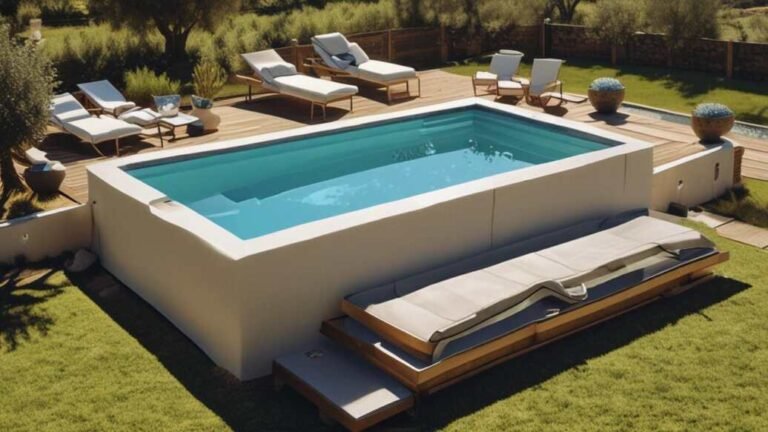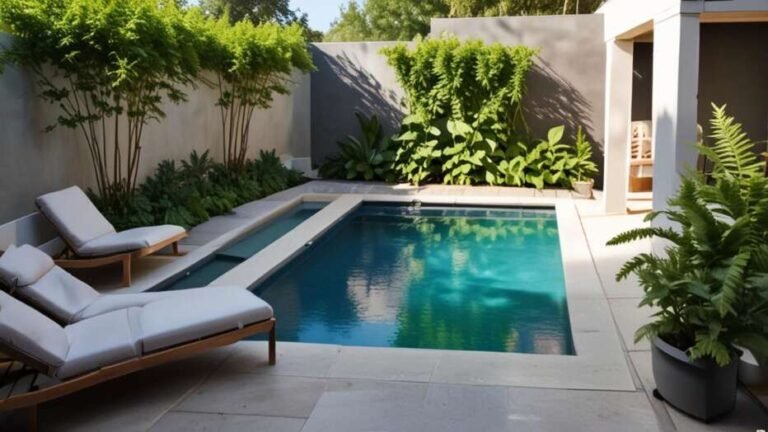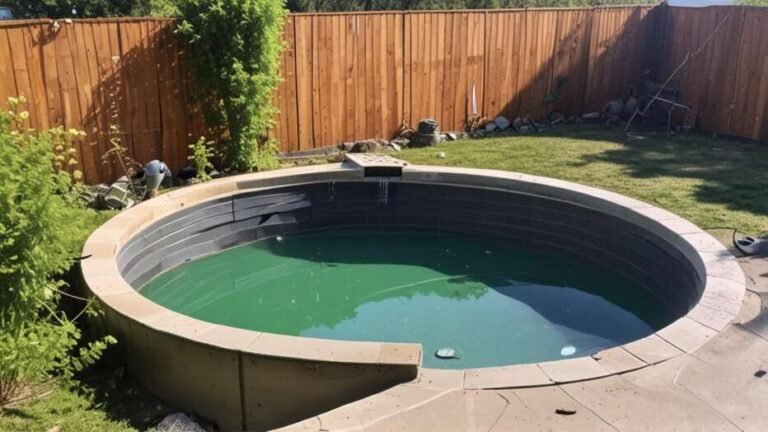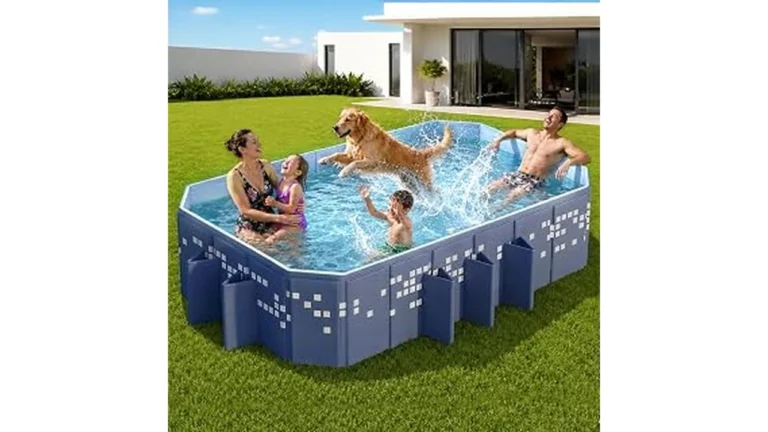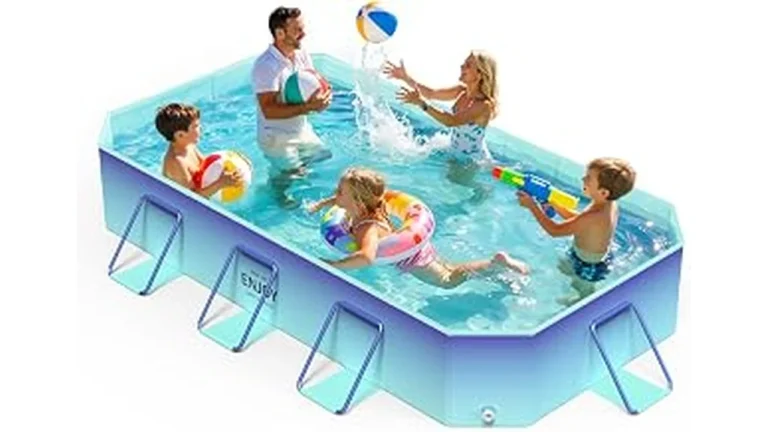
The primary differences between inflatable and hard-shell stock tank pools are cost, durability, and installation complexity. Inflatable pools cost $100 to $500, offer a soft surface safe for children, and are easy to set up but typically last only one to two seasons. Hard-shell pools start around $400 and can exceed $1,000, provide superior puncture resistance and longevity of several seasons, but require a completely level surface for installation.
Many homeowners dream of a backyard pool without the high cost of permanent in-ground installations. This guide compares the key differences between inflatable and hard-shell stock tank pools to help you decide which one fits your needs.
Quick Verdict: In short, inflatable stock tank pools are cheaper, softer, and easier to install, making them great for families with young children or renters. Hard-shell pools are far more durable, long-lasting, and resistant to punctures, suiting homeowners who want a permanent, low-maintenance feature. Your budget and yard space will determine the best choice.
Key Takeaways
- Inflatable stock tank pools are generally more affordable, with prices ranging from $100 to $500, while hard-shell options start around $400 and can exceed $1,000.
- Hard-shell stock tank pools are significantly more durable than inflatable ones, often lasting several seasons instead of one or two.
- Inflatable pools offer a softer surface that is safer for young children and more comfortable to lean against while lounging.
- Hard-shell pools require a completely level and clear surface for installation to avoid structural stress, whereas inflatable pools are more forgiving on slightly uneven ground.
- The cost of maintaining a water pump and filtration system is similar for both types, though replacement parts are easier to find for standard hard-shell pool kits.
Quick Comparison Table
| Feature | Inflatable Pool | Hard-Shell Pool |
|---|---|---|
| Cost | $100 – $500 | $400 – $1,500+ |
| Durability | Moderate (punctures possible) | High (metal or resin walls) |
| Setup Time | 15-30 minutes | 1-3 hours (requires leveling) |
| Lifespan | 1-3 seasons | 5-10+ years |
| Filtration Needed | Yes (cartridge pump often included) | Yes (requires a separate pump kit) |
| Best For | Renters, families, temporary setups | Homeowners, permanent backyard use |
What Is an Inflatable Stock Tank Pool?
An inflatable stock tank pool is a soft-sided, portable pool made from heavy-duty PVC or laminated polyester materials. It typically features one or more inflatable rings that form the top rim of the pool, holding the walls upright once filled with water.
Brands like,, and dominate this market. They often include a cartridge filter pump, a ground cloth, and a repair patch. These pools are lightweight and come in a compact box.
Important: Inflatable pools require a soft, flat surface. Lay down a tarp or pool liner to protect the bottom from sharp rocks and roots. According to the, proper surface preparation reduces the risk of sudden deflation and accidents.
Key Features of Inflatable Pools
- Lightweight construction that allows one person to carry and store the pool.
- Soft PVC walls reduce the risk of injury from collisions during play.
- Easy winter storage since you can fully drain, deflate, and pack the pool away.
- Lower upfront investment compared to any rigid alternative on the market.
- Integrated pump systems that are often included in the purchase price.
What Is a Hard-Shell Stock Tank Pool?
A hard-shell stock tank pool is a rigid, freestanding pool with walls made from materials like galvanized steel, resin, or fiberglass. These pools resemble traditional farm stock tanks and do not rely on air pressure to maintain their shape.
Manufacturers such as and produce popular models. They are much heavier than inflatable versions and often require two people for assembly. The structure is designed to hold several thousand gallons of water for years.
Warning: Never place a hard-shell pool on uneven ground. The weight of the water (over 2,500 gallons for a 10-foot pool) can cause the frame to buckle. Always use a laser level to check your site before assembly.
Key Features of Hard-Shell Pools
- Rigid walls that hold their shape even when empty, reducing maintenance stress.
- Built-in filtration ports that accommodate standard skimmer and pump systems.
- UV-resistant coatings that prevent material degradation from direct sunlight.
- Higher resale value if you decide to remove the pool after a few years.
- Compatibility with saltwater systems and larger sand filters.
How Do Inflatable and Hard-Shell Pools Compare in Daily Use?
When you look at the real differences between an inflatable and hard-shell stock tank pool, daily usage patterns matter most. The following breakdown covers cost, durability, setup, comfort, and maintenance.
Cost and Value for Money
The initial purchase price is a major deciding factor for most buyers. Inflatable pools are cheaper upfront. You can find a 10-foot inflatable model for under $300. A similar size hard-shell pool typically costs $800 or more.
However, value over time tells a different story. According to, the global above-ground pool market was valued at over $9 billion, with consumers increasingly looking for long-term durability. A $300 inflatable pool may last two seasons. A $900 hard-shell pool can last ten seasons. Over a decade, the hard-shell pool is often cheaper per year.
- Inflatable total cost: $300 (pool) + $100 (filters) x 5 replacements = $2,000 over 10 years.
- Hard-shell total cost: $900 (pool) + $200 (filter system) + $100 (patches/parts) = $1,200 over 10 years.
Tip: If you plan to stay in your home for five years or longer, a hard-shell pool gives you better return on investment. If you rent or move often, the inflatable pool is the smarter choice.
Durability and Lifespan
Durability is one of the starkest differences between these two pool types. Inflatable pools use laminated PVC layers that can puncture from sharp objects, pet claws, or rough ground contact.
Hard-shell pools use galvanized steel walls that resist rust and impact. The resin frames are reinforced with HDPE components that do not warp in extreme heat. The notes that rigid above-ground pools last significantly longer than inflatable alternatives when properly maintained.
- Inflatable vulnerability: UV damage, seam leaks, and gradual air loss.
- Hard-shell vulnerability: Rust at joints (if scratched), loose bolts, and liner wear.
Setup and Installation
Inflatable pools win for ease of setup. You unfold the pool, inflate the top ring with an air pump, and begin filling with water. The entire process takes about 20 minutes.
Hard-shell pools require serious ground preparation. You must level the soil, remove debris, add a sand or foam base, and assemble the frame piece by piece. This can take several hours.
- Inflatable setup: Unfold -> Inflate -> Fill -> Enjoy.
- Hard-shell setup: Level ground -> Lay base -> Assemble frame -> Attach liner -> Fill -> Install pump.
Comfort and Safety
Inflatable pools have soft PVC walls that are gentle on the body. Children and adults can lean against the sides without injury. This reduces the risk of bruises during active play.
Hard-shell pools have rigid walls that support a firmer structure. They often include padded top rails, but the sides remain inflexible. The recommend padded accessories for hard-shell units to minimize impact injuries.
Filtration and Maintenance
Both pool types require a pump and filter to keep the water clean. Inflatable pools usually come with a small cartridge filter that handles up to 1,000 gallons per hour. These cartridges need replacement every two weeks.
Hard-shell pools support heavier filtration systems. You can upgrade to a sand filter or saltwater chlorinator that requires less frequent chemical adjustment. According to, sand filters provide clearer water and lower operating costs over time.
Important: Regardless of your pool type, you must check chlorine levels daily. The recommend a free chlorine level of 1-3 ppm for safe swimming water.
Which One Should You Choose?
Your decision comes down to your specific situation. Below are clear recommendations based on common scenarios.
Choose an Inflatable Pool
- You live in a rental property and plan to move within a few years.
- You want a pool for young children who need a soft, safe play environment.
- You have a limited budget under $500 for the full setup.
- You want to store the pool during winter months.
- You do not have a flat, level surface for a rigid structure.
Choose a Hard-Shell Pool
- You own your home and want a permanent backyard feature.
- You want to minimize long-term replacement costs.
- You plan to use a saltwater system or high-capacity sand filter.
- You have space to properly level and prepare the ground.
- You prefer a modern, industrial look for your yard aesthetics.
Common Myths vs Facts
Myth 1: Inflatable Pools Are Just Giant Bathtubs and Cannot Filter Water Properly
Fact: High-quality inflatable pools come with efficient pump and filter systems that circulate and clean the water just like hard-shell pools. Many Intex and Bestway models include A-type cartridge filters that remove debris and bacteria. You can also upgrade to larger sand filtration units if needed.
Myth 2: Hard-Shell Stock Tank Pools Are Indestructible
Fact: While very durable, hard-shell pools can rust at scratched joints, develop liner punctures, or warp if placed on uneven ground. Galvanized steel requires periodic inspection and touch-up paint to prevent corrosion. No pool is completely maintenance-free.
Myth 3: You Cannot Use a Pool Heater with an Inflatable Pool
Fact: Many adjustable pool heaters and heat pumps work perfectly with inflatable pools as long as the pump flow rate is compatible. Gas and electric heaters can maintain comfortable water temperatures in soft-sided pools, extending your swimming season by several weeks.
Frequently Asked Questions
Can I use a saltwater system in an inflatable stock tank pool?
Yes, but you must check the material compatibility. Some inflatable PVC pools are not designed for high salt concentrations and may degrade faster. Hard-shell pools with resin or galvanized steel frames handle saltwater systems much better over time.
How long does a hard-shell galvanized stock tank pool last?
A properly maintained hard-shell pool can last 8 to 15 years. Regular inspection of the frame joints, liner, and pump system is essential. According to, their steel frames come with a limited lifetime warranty when installed correctly.
Do I need a permit for an inflatable pool?
Many local municipalities require a building permit for any pool deeper than 24 inches. Inflatable pools that hold more than 3,000 gallons often fall under these regulations. Check with your city planning department before setup to avoid fines.
Which pool type is easier to take down for winter?
Inflatable pools are much easier to winterize. You drain the water, deflate the rings, clean the liner, and store it in a dry shed. Hard-shell pools require draining, covering, and protecting the frame from snow load and ice expansion.
Can I repair a puncture in an inflatable pool?
Yes. Most inflatable pools come with a PVC repair patch. Clean the area around the hole, apply waterproof adhesive, and press the patch firmly. Large tears may require a professional vinyl repair kit or replacement of the liner.
Final Thoughts
Choosing between an inflatable and hard-shell stock tank pool comes down to your budget and long-term plans. Inflatable pools are great for affordable, temporary fun with a soft surface for kids. Hard-shell pools offer superior durability, better filtration options, and a higher resale value for homeowners who want a permanent setup. Assess your yard, your timeline, and your willingness to perform ground preparation before making a purchase.