Leaks at stock tank pool seams occur because temperature changes cause the galvanized metal to expand and contract, stressing welded seams, while corrosion accelerates where water contacts those weld points without a proper liner. Using a flexible PVC liner and applying marine-grade sealant to all interior seams before filling the tank prevents water from reaching the metal and eliminates most leak sources. Most leaks appear within the first month and are preventable with correct preparation, not by relying on a thicker liner or assuming the tank is waterproof on its own.
Your stock tank pool looks great on Instagram, but those tiny leaks along the seams can ruin the fun. This post explains why leaks happen and how to stop them for good.
Quick Verdict: In short, leaks at stock tank pool seams come from natural metal expansion, poor liner installation, and corrosion at weld points. The fix usually involves proper sealant, flexible liners, and monitoring temperature changes. Most leaks are preventable with the right preparation.
Key Takeaways
- Temperature changes cause metal to expand and contract, which stresses the welded seams of a galvanized stock tank.
- Using a flexible PVC liner inside the tank prevents water from reaching the metal seams in the first place.
- Corrosion at the seam edges accelerates when water sits between the liner and the tank wall.
- Applying a high-quality marine-grade sealant to all interior seams before adding a liner reduces leak risk significantly.
- Most stock tank pool leaks appear within the first month of use if the setup was rushed.
What Is a Stock Tank Pool and How Do Its Seams Work?
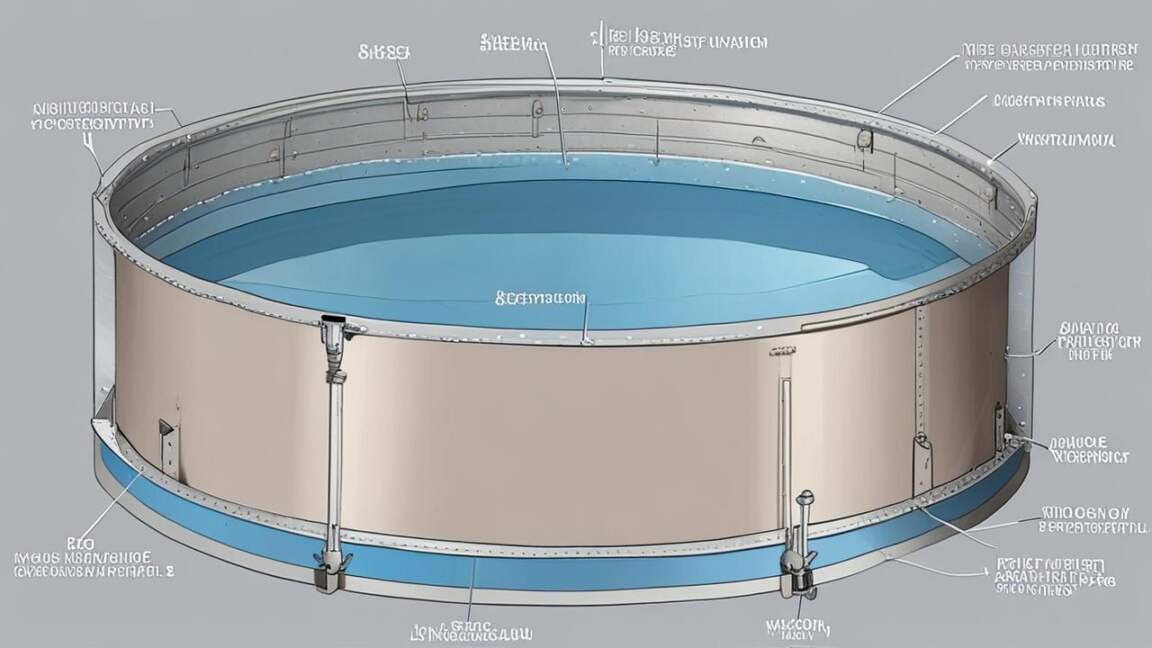
A stock tank pool is a large metal or plastic water trough originally designed for livestock. People repurpose them as affordable above-ground pools. The tank comes in two main materials: galvanized steel and heavy-duty plastic. Metal tanks have seams where sheets of steel are welded or riveted together.
The seams are the weakest points on the entire tank. During manufacturing, welders fuse metal panels together. But no weld is perfect. Tiny gaps, uneven heat distribution, and leftover flux can create channels for water to escape.
According to the, steel expands by about 0.0000065 inches per degree Fahrenheit per inch of length. On a 8-foot tank, a 50-degree temperature swing can cause the metal to move by nearly 1/32 of an inch. This repeated movement stresses the seam.
Warning: Do not rely on the metal tank alone to hold water. Even a brand-new galvanized stock tank can develop seam leaks within hours if filled to the top without a liner.

How Does Temperature Affect Stock Tank Pool Seams?
Temperature is the biggest silent culprit. During hot summer days, the metal heats up and expands. At night, it cools and contracts. Your tank does this cycle every single day. The seams are the only places where two pieces of metal meet, so all the movement concentrates there.
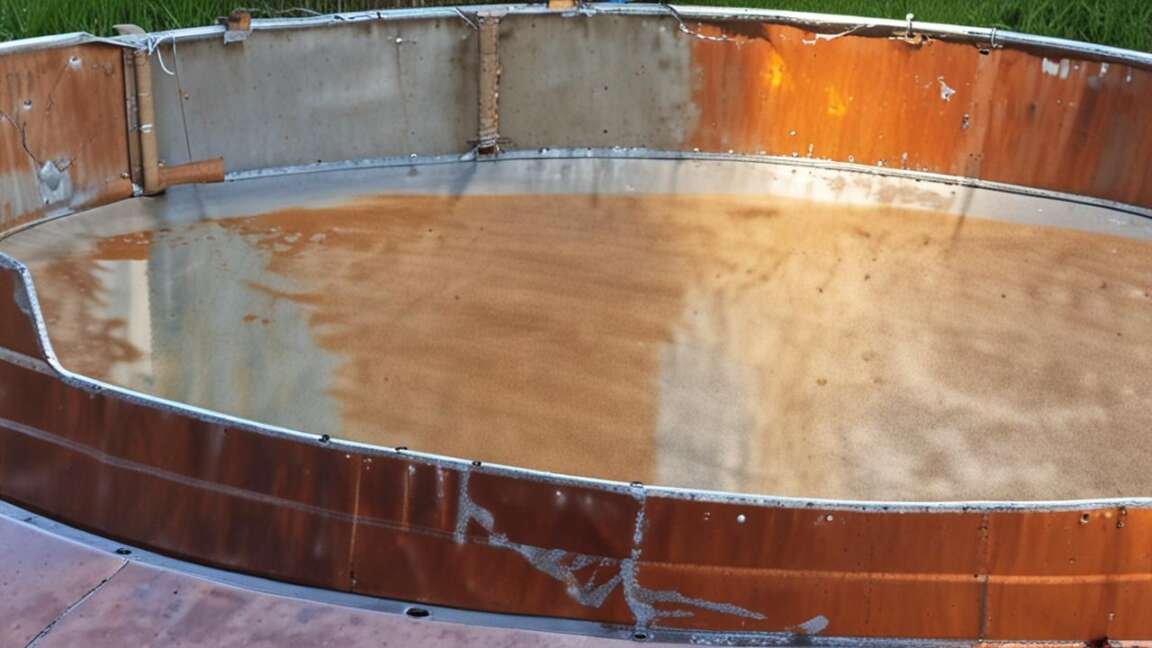
The reports that galvanized steel performs best in stable, moderate climates. In extreme heat or cold, the coating can crack, exposing raw steel to water. Once water reaches the metal, corrosion begins. That corrosion eats away at the seam, creating pinhole leaks.
Plastic stock tanks avoid this metal expansion problem entirely. But plastic tanks have their own seam issues. Molds create them in one piece, so seams are less common. However, any plastic tank made from separate panels is vulnerable to cracking from UV exposure.
What Are the Most Common Types of Stock Tank Leaks?
Most leaks fall into three categories. Understanding each one helps you pick the right fix.
- Weld seam leaks – These happen at the factory weld line. They appear as small drips or a slow weep along the joint. Weld leaks are the most common in galvanized tanks.
- Rivet seam leaks – Some tanks use rivets instead of welds. Rivets loosen over time, especially if the tank was transported roughly. Water seeps around the rivet head.
- Liner seam leaks – If you use a pond liner or custom pool liner, the seams of that liner can fail. This usually happens at corners where the liner folds.
A survey by the Pool & Hot Tub Alliance (published in Aquatics International) found that 70% of DIY above-ground pool problems involve liner or seam failures. That statistic matches the experience of many stock tank pool owners.
Important: A slow leak at the seam often goes unnoticed for days. You might think the water loss is evaporation. Use a bucket test to confirm: fill a bucket with pool water and place it on the step. Mark the water level. Compare it to the pool’s level after 24 hours.
How to Prevent Leaks at the Seams of Your Stock Tank Pool
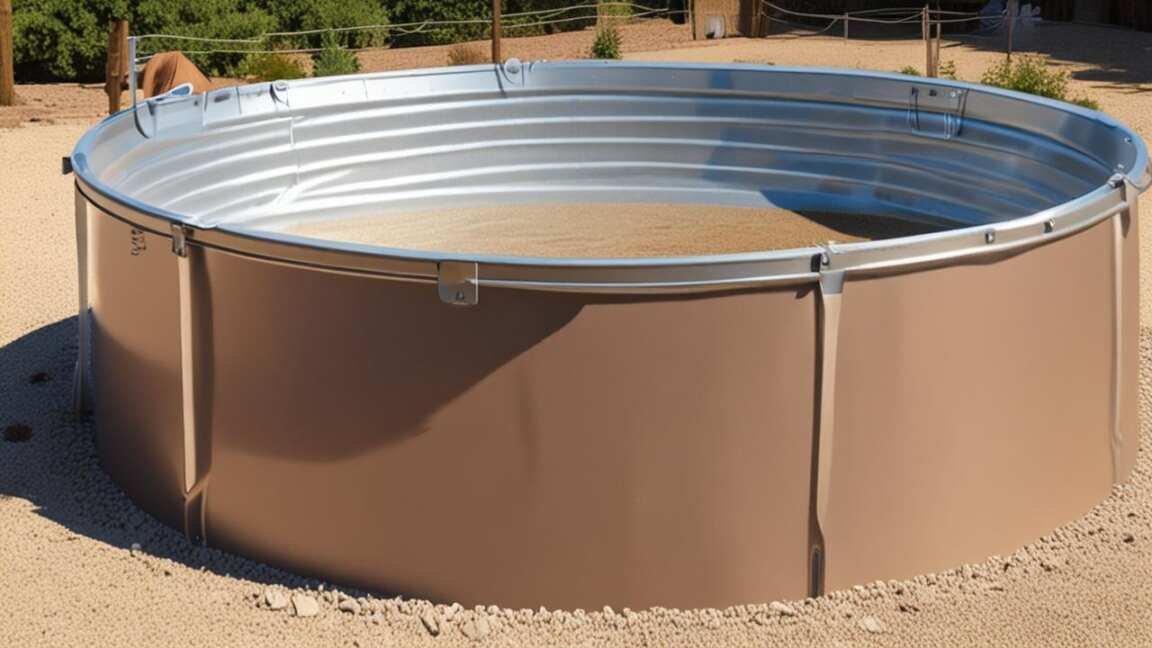
Prevention is much easier than fixing a leak after the pool is full. Follow these steps before you add water.
- Inspect every interior seam of the empty tank. Look for rust spots, gaps, or rough edges.
- Sand down any sharp burrs along the weld line with fine-grit sandpaper.
- Apply a thick layer of marine-grade silicone sealant to every seam. Use a putty knife to spread it evenly.
- Let the sealant cure fully – at least 24 to 48 hours, depending on the product.
- Install a flexible PVC liner inside the tank. Make sure the liner extends up and over the top rim.
- Fill the pool slowly. Check for leaks at the seams after the first few inches of water.
Using a liner is the single most effective prevention method. A good-quality 20-mil PVC liner creates a waterproof barrier between the water and the metal. The liner absorbs all the expansion and contraction stress that would otherwise damage the tank seams.
Tip: Choose a liner that is specifically rated for permanent above-ground pool use. Thin pond liners can tear at the fold points.
How to Fix a Leak at the Seam of Your Stock Tank Pool
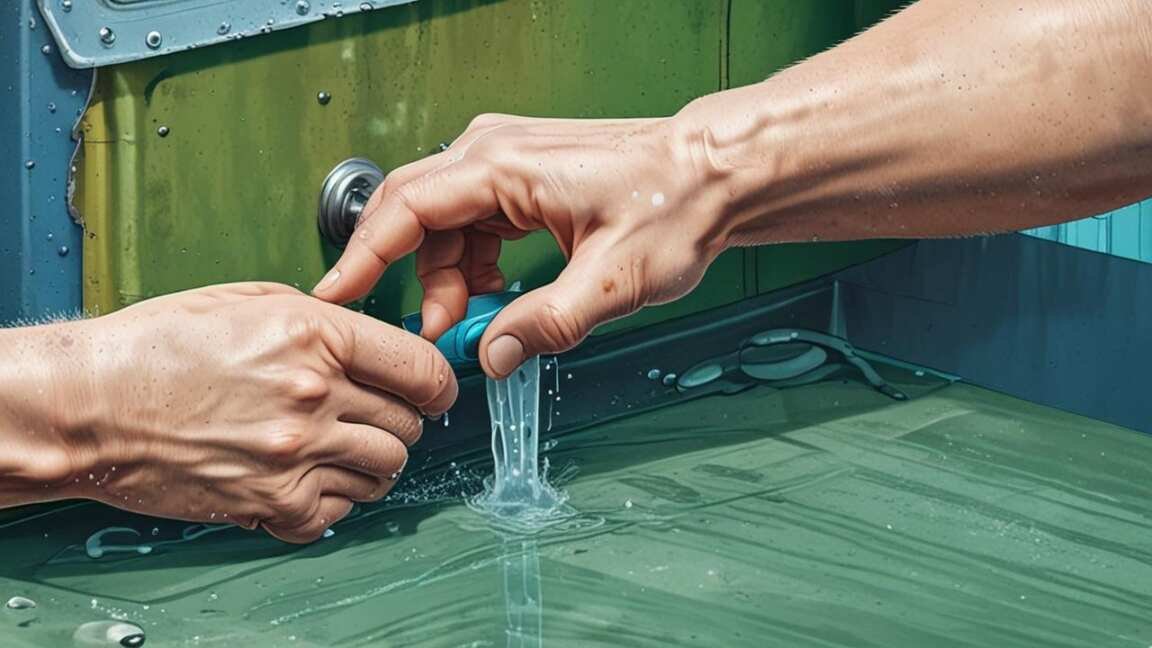
If you already have a leak, do not panic. Most seam leaks are repairable without draining the whole pool.
- Lower the water level below the leak. Use a small pump or siphon hose.
- Dry the area around the leak thoroughly with a towel. Use a hairdryer on low heat for stubborn moisture.
- Apply a pool patch kit designed for vinyl or for metal. For metal seams, use a two-part epoxy or marine-grade silicone.
- Press the patch firmly and hold for 30 seconds. Follow the product’s cure time – usually 12 to 24 hours.
- Refill the pool slowly and monitor the repaired seam for 24 hours.
If the leak is on the bottom seam, you may need to drain the pool completely. Bottom seam repairs are harder because water pressure pushes against the patch. In that case, apply a larger patch – at least 6 inches wide – on both the inside and outside of the tank.
Common Myths vs Facts About Stock Tank Pool Seams
Many owners believe rumors that lead to more leaks. Here are the facts.
Myth: “Galvanized tanks are waterproof on their own.”
Fact: Galvanized tanks are designed to hold water for livestock, but they are not built for long-term pool use. The seams are not sealed waterproof – they are only welded for structural strength. Water always finds the smallest gap.
Myth: “You only need sealant on the inside.”
Fact: Applying sealant only on the inside leaves the outside seam exposed to air moisture and temperature changes. For maximum protection, seal both the interior and exterior seams. The exterior application protects the weld from rust.
Myth: “A thicker liner will fix all leaks.”
Fact: A thicker liner helps, but it does not fix an already-leaking seam. If the metal has a hole or deep crack, water will still seep between the liner and the tank wall. You must repair the metal first.
Frequently Asked Questions
Why does my stock tank pool only leak at night?
Nighttime cooling causes the metal to contract, pulling the seam apart slightly. During the day, expansion can close the gap. This is a classic sign of thermal stress. Apply a flexible sealant that can move with the metal.
Can I use regular silicone caulk on stock tank seams?
Regular bathroom silicone caulk is not designed for constant water immersion. It peels off within weeks. Use only marine-grade silicone or a pool-specific sealant. According to the manufacturer Lexel, their clear sealant bonds permanently to metal and remains flexible at temperatures from -40F to 200F.
How long should a stock tank pool last without leaks?
With proper installation – liner, sealant, and good care – your stock tank pool can last 5 to 10 years before seam issues appear. Without a liner, expect leaks within the first season.
What type of liner works best for preventing seam leaks?
Flexible PVC liners that are at least 20 mils thick work best. Avoid pre-formed pool liners that are shaped for specific above-ground pools. A flat sheet liner conforms better to the round tank walls.
Should I seal the outside seams even if I use a liner?
Yes. Sealing the outside seams prevents rust from forming on the weld. Rust weakens the metal and eventually creates holes that can push against the liner. Use the same marine-grade sealant on both sides.
Final Thoughts
Stock tank pool leaks at the seams are almost always preventable. Temperature movement, poor sealant, and lack of a liner cause the majority of failures. Seal both sides of every seam, install a thick PVC liner, and monitor the water level during the first month. A small upfront effort saves you from draining and repairing a full pool later. Enjoy your leak-free stock tank all season long.