
The primary reasons an ice maker stops functioning are related to water supply blockages and insufficient freezing temperatures. Common culprits include a shut-off water valve, a kinked line, a clogged filter, or the freezer compartment not being cold enough to form ice. Addressing these specific water flow and temperature control issues will typically resolve most ice production problems.
Having a broken ice maker can be a real bummer, especially when you need that refreshing chill for your drinks. Figuring out why 9 Reasons Your Ice Maker Isn’t Working Properly often feels tricky, especially if you’re new to appliance fixes. But don’t worry!
We’re going to walk through this together, step by simple step. Get ready to learn what might be causing the problem and how to fix it.
Key Takeaways
- You will learn common reasons why ice makers stop making ice.
- This guide will help you identify simple issues you can fix yourself.
- We’ll cover problems related to water supply and freezing.
- You’ll discover how to check for blockages and mechanical parts.
- The post offers a clear path to getting your ice maker working again.
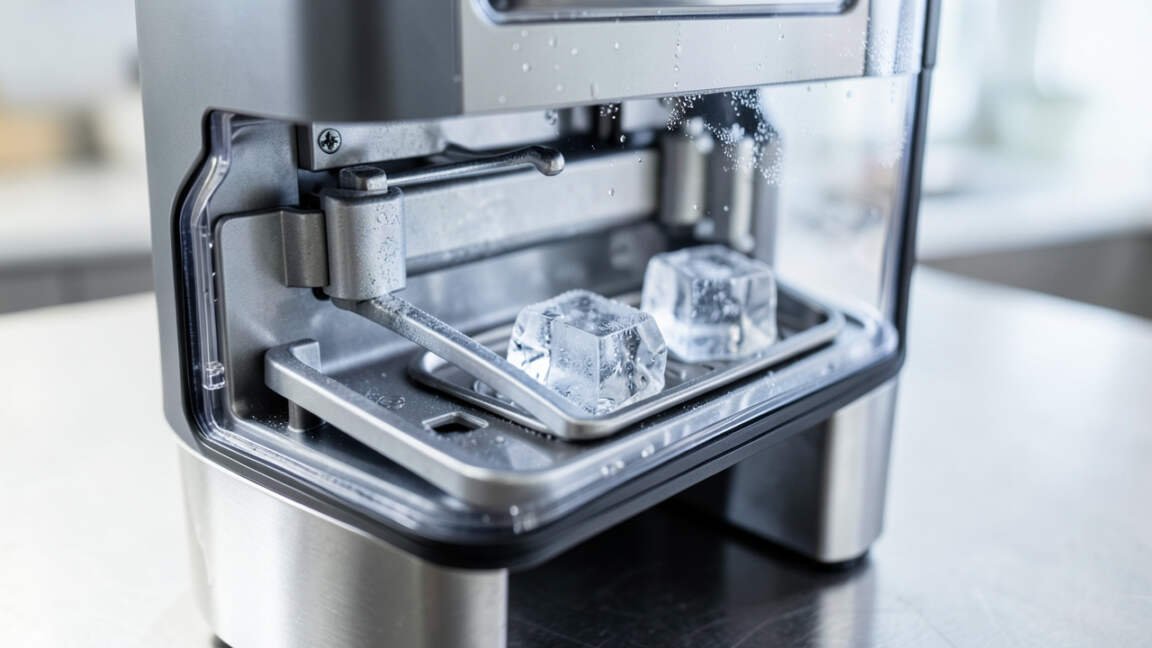
Why Your Ice Maker Might Not Be Making Ice
It’s a frustrating moment when you reach for ice and find none. Many things can stop an ice maker from doing its job. We will look at the most common problems that stop ice from forming.
Some are easy to spot, while others might need a bit more checking. Let’s get started on finding out what’s wrong.
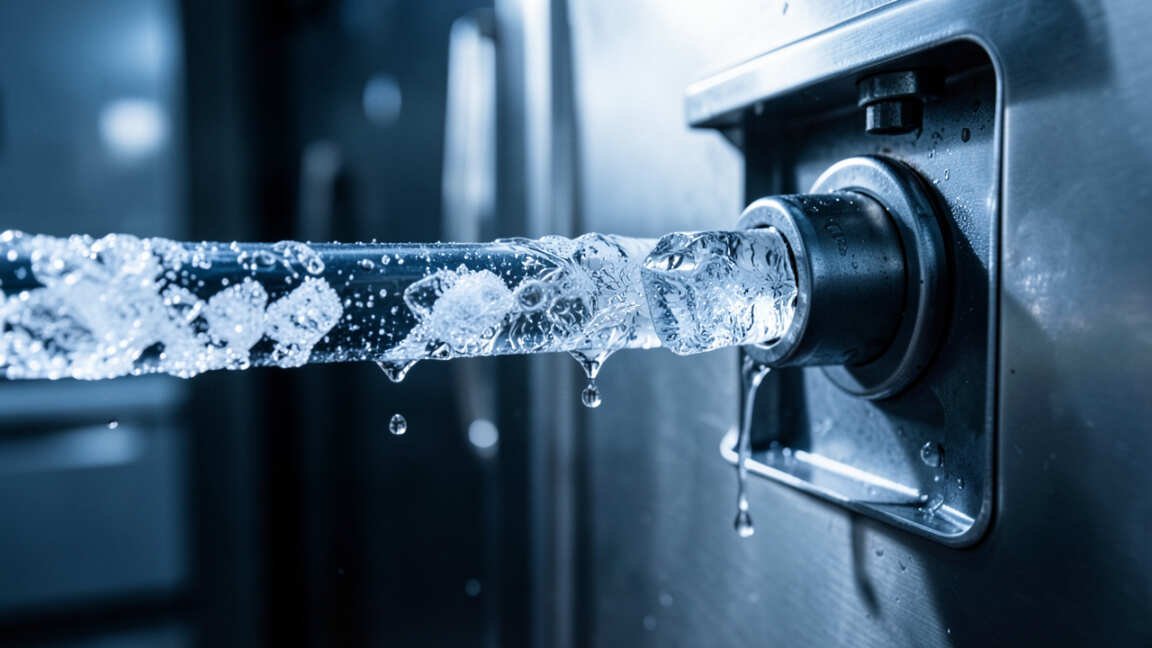
1. Water Supply Issues
The most basic reason an ice maker won’t work is that it’s not getting water. Think of it like trying to fill a bucket without a hose – it just won’t happen.
Water Valve is Off
Some ice makers have a small valve that controls water flow. This valve might have been accidentally turned off. Check the back of your refrigerator or the ice maker’s unit for a shut-off valve.
Make sure it’s in the ‘on’ position.
Kinked Water Line
The tube that brings water to your ice maker can get squeezed or bent. This is called a kink. A kink stops water from flowing freely.
Gently feel along the water line to see if it’s bent too sharply. Straighten it out if you can.
Clogged Water Filter
Many refrigerators with ice makers have a water filter. This filter cleans the water before it goes to the ice maker. Over time, these filters get clogged with debris.
A clogged filter can slow down or completely stop water from reaching the ice maker. Replacing the filter is often a simple fix.
Frozen Water Line
Sometimes, the water line leading to the ice maker can freeze. This happens if the temperature in your freezer gets too cold or if there’s a blockage in the line that causes water to sit and freeze. You might need to let the ice maker defrost to melt the ice in the line.
2. Temperature Problems
Ice makers need a cold environment to do their job. If your freezer isn’t cold enough, ice won’t form.
Freezer Not Cold Enough
The most common temperature issue is the freezer not being cold enough. Ice makers need the freezer to be at 0°F (-18°C) or colder to make ice properly. Check your freezer’s temperature setting.
Make sure it’s set to a cold enough level. If it’s set correctly but still not cold, there might be a bigger issue with your refrigerator’s cooling system.
Ice Maker Thermostat
Inside the ice maker unit, there’s a small thermostat. This part tells the ice maker when it’s cold enough to start making ice. If this thermostat is faulty, it might not signal the ice maker correctly.
This is a less common issue but can happen.
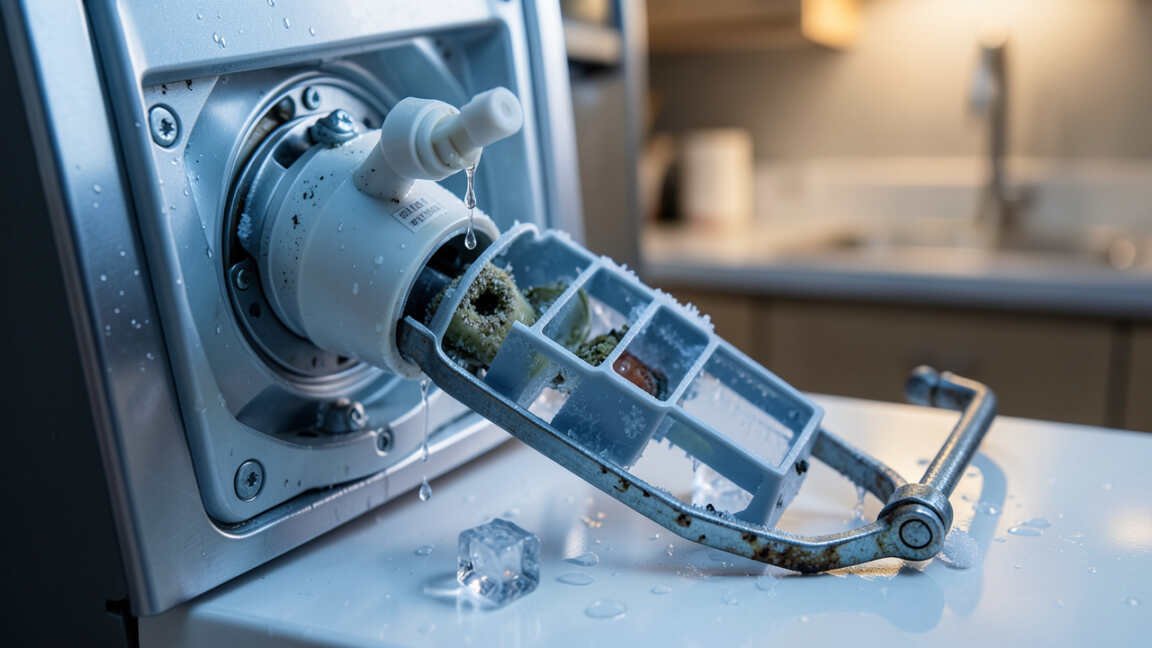
3. Ice Maker Component Issues
The ice maker itself has moving parts that can wear out or get stuck.
Ice Bucket Sensor
Most ice makers have a sensor that detects if the ice bucket is full. If this sensor thinks the bucket is full, even when it’s empty, it will stop making ice. Check the sensor for any ice buildup or obstructions that might be blocking it.
Sometimes, gently cleaning the sensor can fix the problem.
Stuck Ice Mold or Ejector Arm
The ice maker has a mold where water freezes into cubes. After freezing, an arm or mechanism pushes the ice out. If the mold is stuck or the ejector arm can’t move freely, ice can’t be released.
You might see ice cubes stuck in the mold. Carefully try to free them, but be gentle to avoid breaking parts.
Motor Failure
The ice maker has a small motor that powers its functions, like filling the mold and ejecting ice. If this motor fails, the ice maker will stop working completely. This is a more serious repair and often means the ice maker unit needs to be replaced.
4. Blockages and Buildup
Things can get jammed or build up over time, preventing operation.
Mineral Buildup
Over time, minerals in the water can build up inside the ice maker. This is like scale in a coffee maker. This buildup can clog small parts and prevent the ice maker from working correctly.
Cleaning the ice maker regularly can help prevent this.
Foreign Objects
Sometimes, small objects can fall into the ice maker mechanism. This could be anything from a piece of food to a small toy. These objects can jam the moving parts.
Carefully inspect the ice maker for anything that shouldn’t be there.
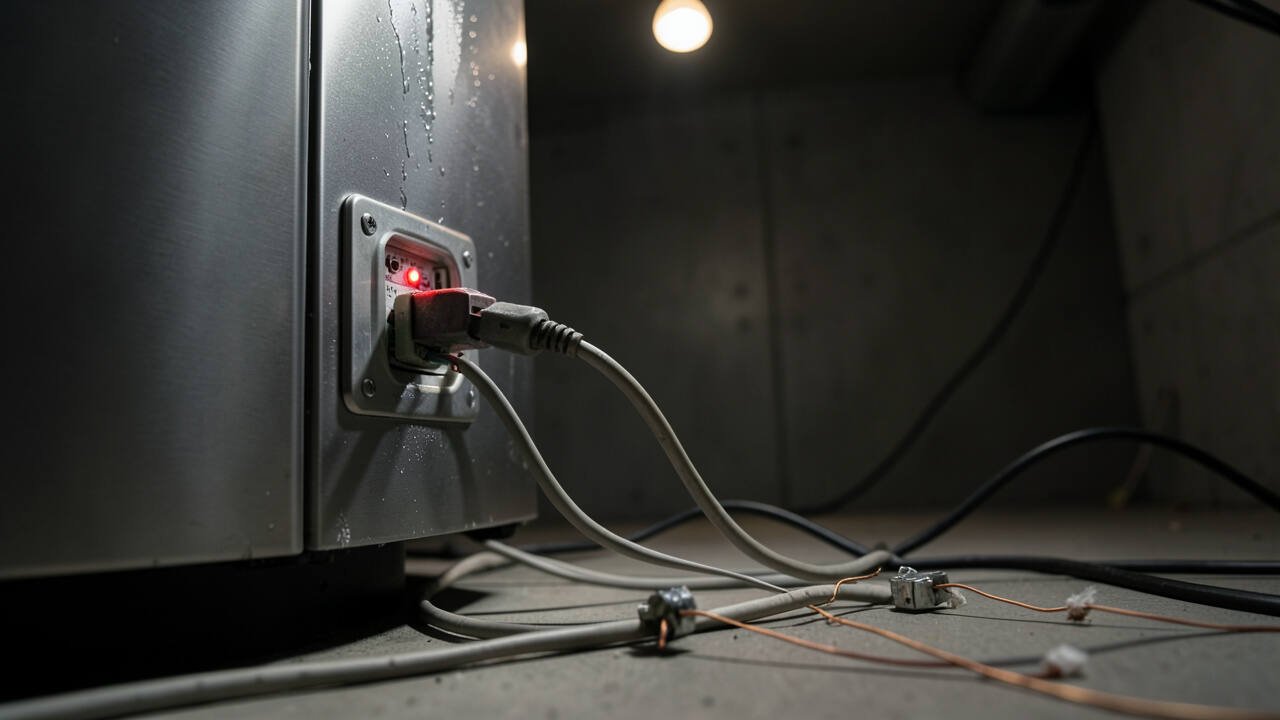
5. Electrical Connection Problems
Like any appliance, ice makers need power to run.
Ice Maker is Turned Off
Many ice makers have a switch or a lever that turns them on and off. This is often a simple wire bail or a switch. Make sure this is in the ‘on’ position.
It’s easy to accidentally knock it into the ‘off’ position.
Power Cord Issues
If your ice maker is a standalone unit, check its power cord. Make sure it’s securely plugged into the outlet. For refrigerator ice makers, the power often comes from the refrigerator’s main power.
If the refrigerator is working, the ice maker is likely getting power, but internal wiring could be an issue.
6. Door Seal or Gasket Issues
A good seal keeps the cold air in and the warm air out.
Leaky Door Seal
If the door seal on your freezer is not closing properly, warm air can get inside. This can cause frost to build up and make it harder for the ice maker to freeze water efficiently. Check the door seal for damage or obstructions.
Clean it regularly.
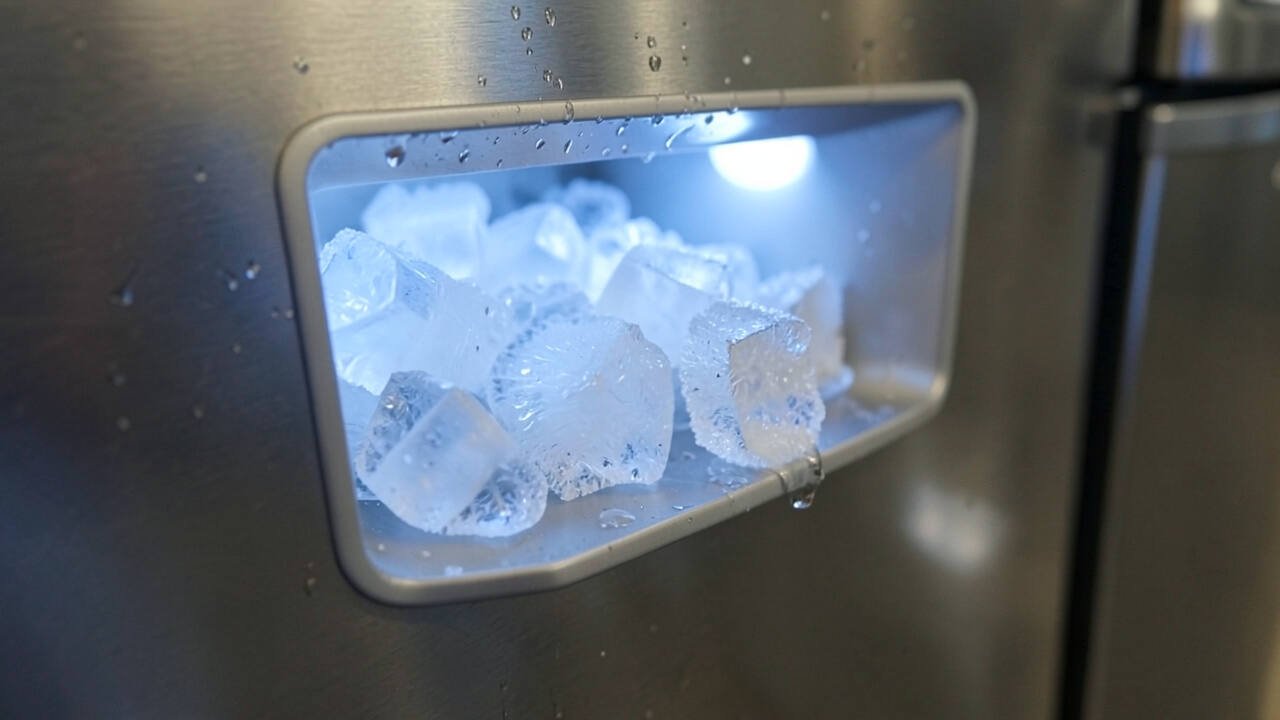
7. Ice Jam in the Dispenser Chute
Sometimes, ice might be made but can’t get out.
Dispenser Blockage
If you use the dispenser feature for ice, the chute where the ice comes out can get blocked. This is usually caused by ice cubes jamming together. You might hear the ice maker working, but no ice comes out.
Try to clear the chute gently with a soft tool or by letting the area warm up slightly.
8. Control Board Malfunction
Modern ice makers have electronic control boards.
Faulty Control Board
The control board is like the brain of the ice maker. If it malfunctions, it can send wrong signals or no signals at all, stopping the ice-making process. This is a more complex issue to diagnose and usually requires professional help.
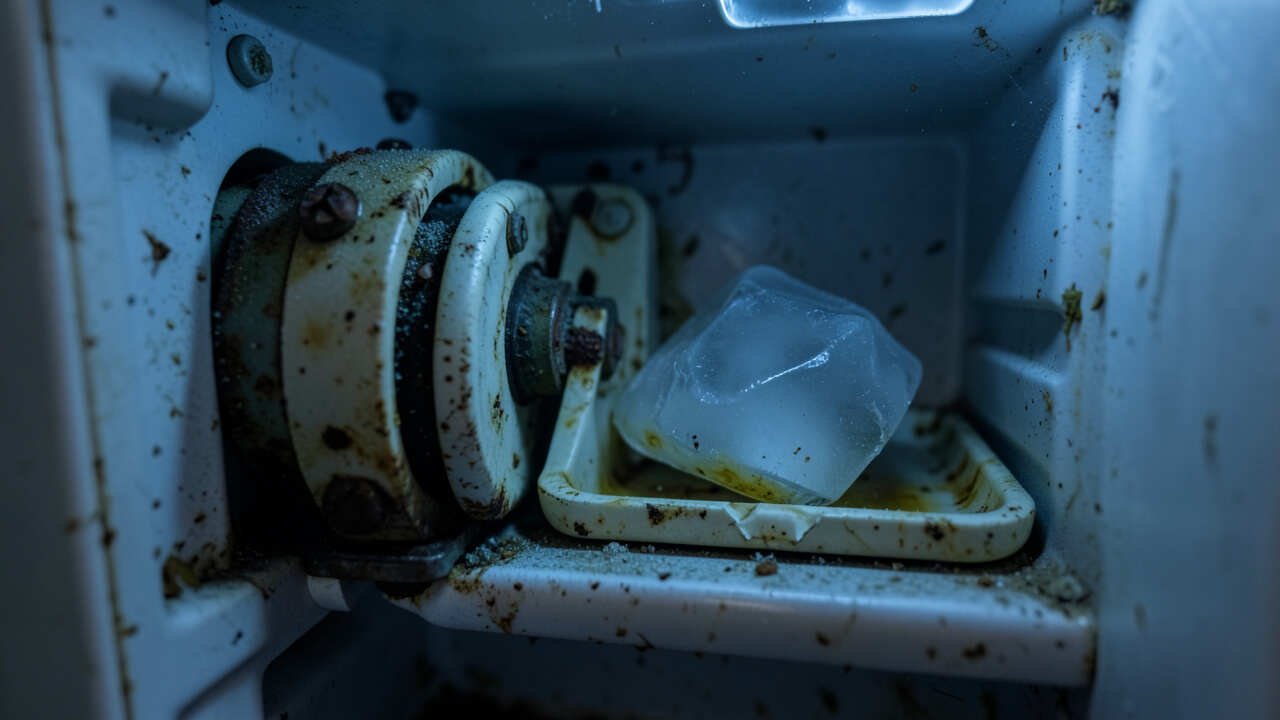
9. The Ice Maker is Simply Old
Like all appliances, ice makers have a lifespan.
Age and Wear
If your ice maker is many years old, it might simply be worn out. Parts can break down over time. If you’ve tried all the other checks and nothing has worked, age could be the reason.
In this case, replacement might be the only option.
Frequently Asked Questions
Question: My ice maker is making hollow ice cubes. What’s wrong?
Answer: Hollow ice cubes often mean the water supply is too low. This could be due to a partially clogged water filter, a kinked water line, or low water pressure. Check these first.
Question: I hear my ice maker running, but no ice is coming out. Why?
Answer: This could be an ice jam in the dispenser, a problem with the ice mold or ejector arm, or the ice bucket sensor might be faulty. Check for blockages and ensure the ice can be released.
Question: My ice maker makes ice, but it tastes bad. How do I fix it?
Answer: Bad-tasting ice is usually caused by an old or clogged water filter. It could also be that the ice bin itself needs cleaning, or something in the freezer is making odors that the ice is absorbing.
Question: Can I fix a frozen water line myself?
Answer: Yes, you can often fix a frozen water line. You might need to turn off the water supply and then use a hairdryer on a low setting to gently warm the area of the line where you suspect the ice is. Allow the ice maker to defrost completely.
Question: How often should I clean my ice maker?
Answer: It’s a good idea to clean your ice maker and the ice bin about every six months. This helps prevent mineral buildup and keeps your ice tasting fresh.
Final Thoughts
Fixing your ice maker often comes down to checking simple things first. You’ve learned about water supply, temperature, and common blockages. Many issues can be solved with a quick check and a simple fix.
If you’ve gone through these common reasons and your ice maker is still not working, it might be time to call a professional for help. But hopefully, you’ve found the easy solution you needed!

![Food Processor Attachments Explained Simply[1]](https://creativehouseblog.com/wp-content/uploads/2026/03/Food_Processor_Attachments_Explained_Simply1-768x448.jpg)
![Induction vs Gas Cooktops Which Is Best[1]](https://creativehouseblog.com/wp-content/uploads/2026/03/Induction_vs_Gas_Cooktops_Which_Is_Best1-768x448.jpg)
![How Espresso Machines Work Explained Simply[1]](https://creativehouseblog.com/wp-content/uploads/2026/03/How_Espresso_Machines_Work_Explained_Simply1-768x448.jpg)
![How Air Fryers Circulate Air[1]](https://creativehouseblog.com/wp-content/uploads/2026/03/How_Air_Fryers_Circulate_Air1-768x448.jpg)
![8 Benefits Of Food Dehydration For Storage[1]](https://creativehouseblog.com/wp-content/uploads/2026/04/8_Benefits_Of_Food_Dehydration_For_Storage1-768x448.jpg)
![7 Electric Kettle Mistakes You Should Avoid[1]](https://creativehouseblog.com/wp-content/uploads/2026/04/7_Electric_Kettle_Mistakes_You_Should_Avoid1-768x448.jpg)