
Improper home wine storage frequently involves exposing bottles to light, heat, vibrations, and temperature fluctuations, which can prematurely age and spoil the wine. These enemies of wine lead to unpleasant flavors and aromas, ruining both everyday drinking wines and special vintages meant to be aged. To preserve wine's quality and complex flavors, store it in a dark, cool, and stable environment with bottles kept on their side to maintain cork moisture.
Lots of folks love wine, but keeping it just right at home can be tricky. Many people accidentally make 7 Mistakes That Ruin Wine Storage at Home without even knowing it. This might seem like a big worry, but it doesn’t have to be!
We’ll walk you through the simple steps to store your wine like a pro. Ready to learn how to keep your wine happy?
Key Takeaways
- You’ll learn that light, heat, and shaking are bad for wine.
- Discover why keeping wine on its side is important.
- Find out how humidity levels can affect your wine.
- Understand how oxygen can spoil your wine.
- Get simple tips for choosing the best spot in your home for wine.
- Learn how to properly store opened bottles.
Why Wine Storage Matters
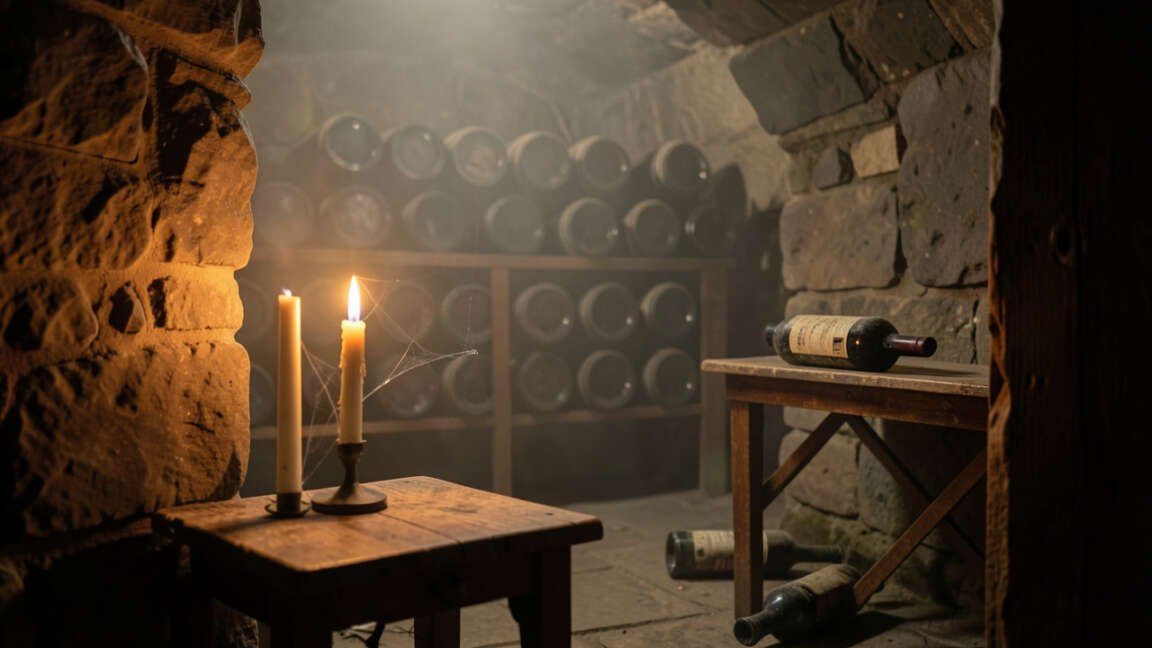
Storing wine properly helps it age gracefully and taste its best. When wine is stored wrong, it can develop unpleasant flavors and aromas. Think of it like keeping a delicate flower in the right conditions so it can bloom beautifully.
Wine needs a stable environment to mature and develop its complex flavors.
The Enemies of Wine
Several things can harm your wine if you’re not careful. These are the main culprits that can turn a good bottle into a disappointing one.
Heat is a Big Problem
Wine really dislikes heat. High temperatures can speed up the aging process too much, making the wine taste flat or cooked. It can also cause the liquid to expand and push the cork out, letting air in.
Air is bad for wine. Ideally, wine should be kept in a cool place.
A good temperature for most wines is between 45 and 65 degrees Fahrenheit (7 and 18 degrees Celsius). It’s more important to keep the temperature steady than to have it at a super-specific number. Big swings in temperature are worse than a slightly warmer but consistent spot.
Light Can Damage Wine
Sunlight and even bright artificial light can harm wine. UV rays can break down the compounds in wine, leading to what’s called “light strike.” This can give the wine a musty or stale taste. That’s why many wine bottles are made of dark glass.
They help protect the wine from light.
So, find a dark place to keep your wine. A closet or a wine fridge is much better than a sunny windowsill or a brightly lit kitchen counter.
Vibrations Aren’t Good Either
Constant shaking or vibrations can disturb the sediment in wine. Over time, this can affect the wine’s aging process and its clarity. While a little movement now and then won’t ruin a bottle, keeping wine near a washing machine or on a shelf above a busy street might not be the best idea.
A quiet, stable spot is ideal. Think of it as letting the wine rest peacefully.
Oxidation: The Thief of Flavor
Oxygen is wine’s enemy when it comes to long-term storage. A little bit of oxygen is needed during the winemaking process, but too much can make the wine taste dull and lifeless. This happens when the cork is not sealing properly, or if the bottle has been opened and not resealed well.
A good cork seal is vital. If you see cork bits in your wine or the cork looks dry and shrunken, it might be letting air in.
Humidity Matters
The humidity level around your wine is also important. If the air is too dry, the cork can dry out, shrink, and let air seep into the bottle. If it’s too damp, you might get mold growing on the cork or the label.
The ideal humidity level for wine storage is usually between 50% and 70%. Many people don’t have a way to measure this precisely at home, but generally, a stable room with moderate humidity is fine. Avoid very dry places like heated rooms in the winter or damp basements.
Storing Bottles Upright
Many people think it doesn’t matter how you store wine, but for bottles with corks, storing them on their side is best. This keeps the cork moist from the inside. A moist cork creates a good seal, preventing air from getting into the bottle.
If you store wine upright for long periods, the cork can dry out, shrink, and allow oxygen to enter. This is less of an issue for screw-cap wines, but for cork-finished bottles, horizontal storage is the way to go.
Temperature Fluctuations
We talked about heat being bad, but big changes in temperature are just as damaging. A wine cellar keeps a steady temperature year-round. In a home, this can be hard to achieve.
A sudden hot spell followed by a cold snap can stress the wine.
Try to find a spot in your home that stays as consistent as possible. The back of a closet in a cooler room, or a basement that doesn’t get too extreme in temperature changes, are often good choices.
Common Storage Mistakes
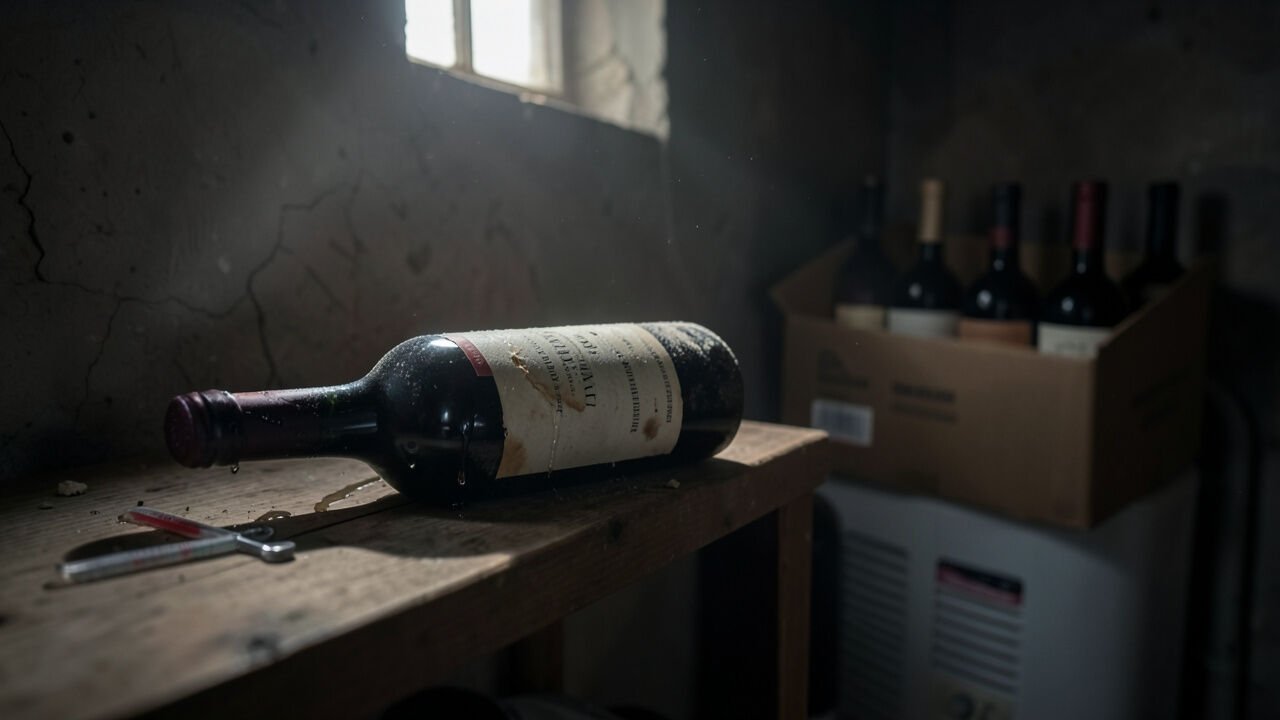
Let’s look at the specific errors people often make when trying to store wine at home.
Mistake 1: Storing Wine Near Heat Sources
This is a big one. Many people keep wine in the kitchen, which is often the warmest room in the house. Ovens, stoves, and even refrigerators give off heat.
Storing wine here means it’s constantly exposed to higher temperatures, which is harmful.
Also, avoid storing wine near radiators or in direct sunlight. These are clear no-gos.
Mistake 2: Keeping Wine in a Bright Place
As we mentioned, light is a problem. Leaving wine bottles on a shelf where they get a lot of light, whether it’s from windows or bright lights, is a mistake. Even the light from your refrigerator can be enough to damage wine over time.
If you have a display cabinet with lights, consider if it’s the best place for your wine long-term. For wines you plan to age, darkness is key.
Mistake 3: Storing Wine Upright for Too Long
This is especially important for wines sealed with natural corks. While it might seem convenient to stand bottles up, it’s bad for the cork. Over time, the cork will dry out, leading to oxidation.
This mistake can sneak up on you if you don’t know about it.
Make sure your cork-finished wines are stored on their sides.
Mistake 4: Constant Shaking or Vibrations
Some homes have more vibrations than others. Placing wine on top of a washing machine or near heavy appliances that vibrate can be bad. Even a busy street outside your window can cause enough shaking to affect the wine.
Try to find a quiet corner for your wine collection.
Mistake 5: Ignoring Temperature Swings
This is different from just being too warm. It’s about the changes. If your house gets very hot in the summer and very cold in the winter, and your wine is in an area that experiences these shifts, it can be damaging.
Wine likes stability.
Consistency is more important than a specific temperature. Aim for a place that doesn’t change much.
Mistake 6: Letting Opened Bottles Sit Unsealed
Once a bottle of wine is opened, it starts to oxidize quickly. If you don’t reseal it properly, it will go bad much faster. Leaving an opened bottle sitting out, or just putting the cork back in loosely, allows air to get in and ruin the wine.
Use a good wine stopper and, if possible, store opened bottles in the refrigerator to slow down oxidation.
Mistake 7: Storing Wine in the Wrong Part of the House
Many people just put wine wherever they have space. This often means the kitchen, a sunny spot, or near a heat source. These are usually the worst places for wine.
A wine fridge is great, but if you don’t have one, you need to be smart about where you put your bottles.
Think about what we’ve discussed: cool, dark, stable, and quiet.
Creating a Good Wine Storage Spot at Home
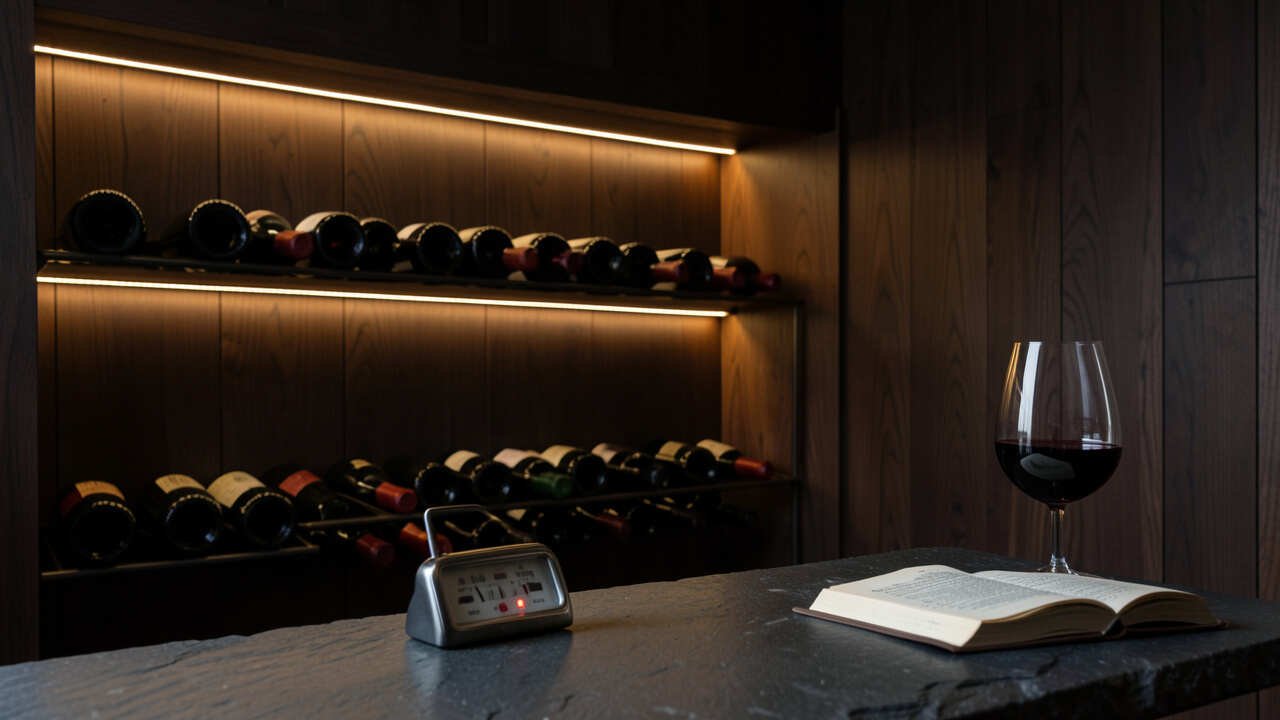
You don’t need a fancy wine cellar to store wine well. You can use your existing home if you’re smart about it. Here are some ideas:
Cool and Dark is Key
Look for the coolest, darkest spot in your home. This could be:
- A closet in a spare bedroom or hallway.
- A basement area that doesn’t get too humid or warm.
- Under a bed in a cooler room.
Avoid places that get direct sunlight or are near appliances that produce heat.
Stable Temperature
Try to find a spot where the temperature doesn’t change much day-to-day or season-to-season. If you have a basement that stays cool and consistent, that’s often a great choice. If not, a closet might be better as it’s more protected from outside temperature swings.
Proper Positioning
For wines with corks, always store them on their side. This keeps the cork from drying out. If you have a lot of wine, consider getting a simple wine rack that allows for horizontal storage.
Humidity Control (If Possible)
If you live in a very dry climate, you might consider a small humidifier in your wine storage area. If your area is very humid, ensure good air circulation to prevent mold. For most homes, a normal, stable room with moderate humidity is perfectly fine.
Protecting Opened Bottles
Once you open a bottle, try to drink it within a day or two. If you want to keep it longer, use a vacuum pump stopper to remove air, or a nitrogen gas dispenser. Always store opened wine in the refrigerator, even red wines, as the cold slows down oxidation.
Frequently Asked Questions
Question: What is the best temperature to store wine?
Answer: The ideal temperature for storing most wines is between 45 and 65 degrees Fahrenheit (7 to 18 degrees Celsius). However, keeping the temperature consistent is more important than hitting a precise number.
Question: Can I store wine on its side if it has a screw cap?
Answer: Yes, storing screw-cap wines on their side is perfectly fine. It doesn’t affect the wine like it does with corks. However, for consistency, many people store all their wines the same way.
Question: How long can I store opened wine?
Answer: This depends on the wine and how you store it. Light-bodied white wines might last 1-3 days in the fridge. Fuller-bodied reds could last 3-5 days.
Using a stopper and keeping it chilled helps significantly.
Question: My wine is stored in a closet, but it gets a little warm in the summer. Is that okay?
Answer: Small, short-term temperature increases are not ideal but usually won’t ruin the wine. Big, frequent swings or prolonged high heat are the real dangers. Try to monitor the temperature if possible.
Question: Do I need a special wine fridge?
Answer: No, you don’t necessarily need a special wine fridge, especially if you don’t have a large collection or don’t plan to age wines for many years. A cool, dark, and stable spot in your home can work well.
Final Thoughts
Keeping your wine safe at home is easier than you think. You’ve learned that heat, light, vibrations, air, and temperature changes are the main enemies of wine. By finding a cool, dark, and stable place, storing corked bottles on their sides, and properly sealing opened bottles, you can protect your wine.
Even without a fancy cellar, you can create a good storage spot. Just remember to keep it simple and consistent, and your wine will thank you.

![8 Ways To Clean A Panini Press Without Damaging It[1]](https://creativehouseblog.com/wp-content/uploads/2026/04/8_Ways_To_Clean_A_Panini_Press_Without_Damaging_It1-768x448.jpg)
![How to Clean Air Filters So Your HVAC Runs Properly[1]](https://creativehouseblog.com/wp-content/uploads/2026/05/How_to_Clean_Air_Filters_So_Your_HVAC_Runs_Properly1-768x403.jpg)
![6 Reasons Your Crepes Tear Or Stick[1]](https://creativehouseblog.com/wp-content/uploads/2026/04/6_Reasons_Your_Crepes_Tear_Or_Stick1-768x448.jpg)
![How to Service Your HVAC System Before Each Season[1]](https://creativehouseblog.com/wp-content/uploads/2026/05/How_to_Service_Your_HVAC_System_Before_Each_Season1-768x403.jpg)
![9 Things You Should Know Before Using A Pizza Oven At Home[1]](https://creativehouseblog.com/wp-content/uploads/2026/04/9_Things_You_Should_Know_Before_Using_A_Pizza_Oven_At_Home1-768x448.jpg)
![Condensation Between Window Panes Causes and Fixes[1]](https://creativehouseblog.com/wp-content/uploads/2026/05/Condensation_Between_Window_Panes_Causes_and_Fixes1-768x403.jpg)