
A spring home maintenance checklist is essential for addressing winter damage and preparing a house for warmer weather. Performing these tasks proactively prevents costly repairs, improves energy efficiency, and enhances overall home safety. This systematic approach involves inspecting the exterior, servicing HVAC and plumbing systems, and preparing outdoor spaces to protect the property's value and livability.
Getting your home ready after winter can feel like a big task, especially for new homeowners.
Sometimes, the idea of a Spring Home Maintenance Checklist to Start the Year Right seems overwhelming. You might wonder where to begin or what’s most important.
Don’t worry, we’ve got you covered! This guide breaks down everything you need to do into simple steps. Let’s make preparing your home easy and effective so you can enjoy the season ahead.
Key Takeaways
- You will learn the essential areas of your home to inspect and maintain each spring.
- Discover practical tips for common spring maintenance tasks.
- Understand how to identify and address potential problems before they worsen.
- Find out how a good checklist saves you time and money.
- Gain confidence in your ability to keep your home in great shape.
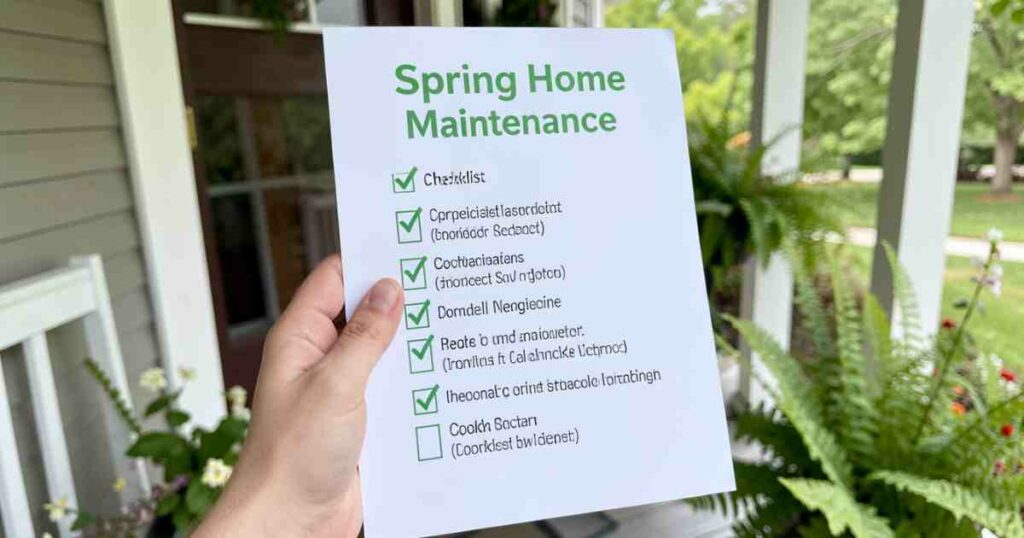
![Spring Home Maintenance Checklist to Start the Year Right[1]](https://creativehouseblog.com/wp-content/uploads/2026/05/Spring_Home_Maintenance_Checklist_to_Start_the_Year_Right1.jpg)
Spring Home Maintenance Checklist to Start the Year Right
Spring marks a fresh start for everything, including your home. After months of cold weather, your house needs a good check-up.
This is the perfect time to tackle those tasks that keep your home safe, efficient, and looking its best.
A thorough spring maintenance routine helps prevent costly repairs down the line and ensures your home is ready for warmer weather. It’s not just about cleaning; it’s about caring for one of your biggest investments.
Exterior Checks and Cleaning
The outside of your home is the first line of defense against the elements. Spring is the ideal season to inspect its condition and give it a good clean. This section covers essential tasks for your roof, walls, windows, and foundation.
Paying attention to these areas early can prevent bigger issues from developing.
Roof and Gutters
Your roof protects you from rain, snow, and sun. After winter, it’s important to check for any damage that may have occurred. Look for missing or damaged shingles.
These can let water seep into your attic, leading to rot and mold. Also, inspect your gutters and downspouts. Clogged gutters can cause water to back up against your house, damaging the siding and foundation.
- Inspect Shingles: Carefully look for any shingles that are cracked, curled, or missing entirely. This is a key indicator of potential leaks.
- Clear Debris: Remove any leaves, branches, or other debris that have accumulated in your gutters. This ensures water flows freely away from your home.
- Check Downspouts: Make sure downspouts are clear and directing water at least a few feet away from the foundation.
- Look for Sagging: Note any areas where the roofline appears to be sagging, as this could signal structural issues.
A simple inspection of your roof and gutters can save you a lot of trouble. Imagine water pooling around your foundation because a downspout is blocked. This can lead to expensive basement repairs or even structural damage.
Clearing gutters is a task that takes less than an hour but can prevent thousands of dollars in future costs. Many homeowners overlook this, but it’s a critical step in a Spring Home Maintenance Checklist to Start the Year Right.
Siding and Walls
Your home’s siding protects its frame and insulation. Winter weather can cause cracks, warping, or loose sections. Inspect the entire exterior for any signs of damage.
This includes checking for mold or mildew growth, especially in shaded areas. Pressure washing can help remove dirt and grime, but be careful not to damage the siding itself.
- Inspect for Cracks: Look for any cracks or holes in the siding material, whether it’s vinyl, wood, or stucco.
- Check for Loose Pieces: Ensure all siding panels are securely attached to the house.
- Clean Mold and Mildew: Gently clean off any visible mold or mildew, especially near the ground or under eaves.
- Test Paint Integrity: For painted surfaces, check for peeling or bubbling paint that needs attention.
Think about a house with faded, peeling paint. It doesn’t just look bad; it means the wood underneath is exposed to moisture and pests.
Addressing these issues with a fresh coat of paint or repairing damaged sections is more than just cosmetic.
It extends the life of your siding and keeps your home looking new. This step is about preserving your home’s value and curb appeal.
Windows and Doors
Windows and doors are common sources of drafts and energy loss. Inspect the seals around them for any gaps or damage.
Weatherstripping can become brittle or peel away over time, allowing conditioned air to escape.
Check that doors open and close smoothly and that locks are functioning correctly.
- Inspect Seals: Look for cracks or gaps in the caulking and weatherstripping around windows and doors.
- Check for Drafts: Feel for any drafts when the wind blows or when your heating/cooling system is running.
- Test Operation: Ensure all windows and doors open, close, and lock with ease.
- Clean Glass and Frames: Wash windows inside and out, and clean the frames and sills.
Drafty windows can make your home feel cold in the winter and hot in the summer. This forces your HVAC system to work harder, increasing energy bills.
Replacing old weatherstripping is a simple DIY task that can significantly improve comfort and energy efficiency.
It’s a small effort with a big reward for your home’s performance. This is a practical addition to any Spring Home Maintenance Checklist to Start the Year Right.
Foundation and Drainage
The foundation is the base of your home. It’s crucial to ensure it’s in good condition. Look for any visible cracks in the foundation walls, either inside or outside.
Small hairline cracks might be normal, but wider or deeper ones need professional attention. Also, check the grading around your home. The ground should slope away from the foundation to prevent water from pooling.
- Examine for Cracks: Inspect the foundation walls for any signs of new or worsening cracks.
- Check for Water Intrusion: Look for any signs of water stains or dampness in basements or crawl spaces.
- Assess Grading: Ensure the soil around your foundation slopes away from the house.
- Clear Yard Debris: Remove any piles of leaves or debris that might be holding moisture against the foundation.
Water is a home’s worst enemy. If water consistently pools around your foundation, it can weaken the concrete over time. This can lead to serious structural problems.
Ensuring proper drainage and fixing any foundation cracks are vital steps. It’s about protecting the core of your home from the ground up. This proactive approach is key to long-term home care.
Indoor Maintenance Tasks
Once the exterior is addressed, it’s time to focus on the inside of your home. Spring cleaning often includes deep cleaning, but maintenance goes beyond just tidiness.
This section covers essential systems and areas within your house that need regular attention.
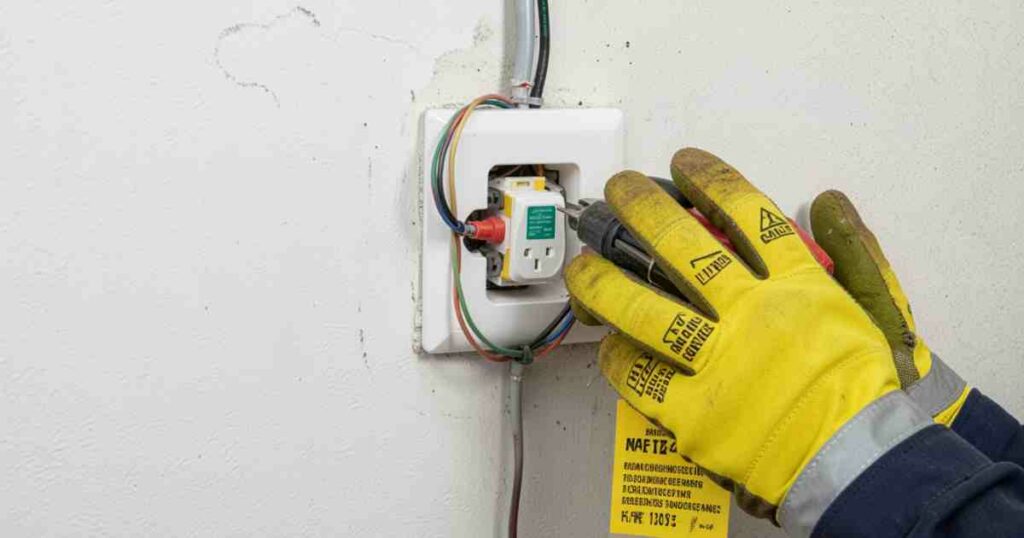
HVAC System Check
Your heating, ventilation, and air conditioning (HVAC) system works hard all year. Spring is a great time to prepare it for the warmer months. This involves cleaning and checking components to ensure it runs efficiently.
An efficient system means lower energy bills and better comfort.
Air Filters
Dirty air filters restrict airflow, making your HVAC system work harder and reducing air quality.
They should be checked and replaced regularly. During spring, it’s a good time to change out the filter that was used all winter for heating.
- Inspect Filter: Pull out your current air filter and check its condition. If it looks dirty or clogged, it’s time for a new one.
- Replace Filter: Purchase a new filter of the correct size and install it according to the manufacturer’s instructions.
- Note Replacement Date: Write the date of replacement on the filter or keep a log to remember when to change it next.
Changing your air filter regularly is one of the simplest yet most effective maintenance tasks you can do.
A clean filter means your air conditioner won’t have to struggle to pull air through. This can lead to better cooling and less wear and tear on the unit.
It also improves the air you breathe inside your home, reducing allergens and dust.
AC Unit Inspection
Your air conditioner has likely been dormant for several months. Before the heat of summer arrives, it’s wise to give it a check. This includes cleaning the outdoor unit and ensuring everything is working correctly.
If you’re not comfortable doing this yourself, schedule a professional tune-up.
- Clean Outdoor Unit: Remove any debris like leaves, grass clippings, or dirt that has accumulated around the outdoor condenser unit.
- Check for Leaks: Look for any signs of refrigerant leaks, which might appear as oily residue on the unit.
- Ensure Proper Airflow: Make sure the area around the outdoor unit is clear of obstructions that could block airflow.
- Test Operation: Turn on the AC for a short period to ensure it’s blowing cool air and running smoothly.
A professional tune-up before summer can catch small problems before they become big, expensive ones.
Technicians can check refrigerant levels, clean coils, and ensure all electrical connections are secure. This service can improve efficiency by up to 10% and extend the lifespan of your unit.
A well-maintained AC will keep you cool and comfortable all summer long.
Ductwork Inspection
The ducts that carry air throughout your home can accumulate dust, allergens, and even mold over time.
Inspecting them for leaks or damage is important for air quality and energy efficiency. Leaky ducts can lose a significant amount of conditioned air into attics or crawl spaces.
- Look for Leaks: Visually inspect accessible ductwork for any tears, holes, or loose connections.
- Check for Blockages: Ensure no debris or obstructions are blocking airflow within the ducts.
- Assess Insulation: If ducts are in unconditioned spaces, check that their insulation is intact.
Dirty ducts can recirculate dust and allergens throughout your home, negatively impacting air quality.
Leaks in your ductwork can waste a lot of energy, making your heating and cooling systems less effective.
Many companies offer duct cleaning services that can improve airflow and air quality significantly.
This is a less common, but very beneficial, part of a comprehensive Spring Home Maintenance Checklist to Start the Year Right.
Plumbing and Water Systems
Water is essential, but leaks can cause immense damage. Spring is a good time to check your plumbing, both inside and out, to ensure everything is functioning correctly.
Indoor Faucets and Drains
Slow drains or dripping faucets are more than just annoying; they can waste water and indicate underlying issues.
Check all faucets, including those in the kitchen, bathrooms, and laundry room. Also, test all toilets for leaks.
You can do this by putting a few drops of food coloring in the tank and waiting 15 minutes without flushing; if color appears in the bowl, you have a leak.
- Check for Leaks: Inspect all faucet connections under sinks for any drips or signs of moisture.
- Test Drains: Run water in sinks and tubs to ensure they drain freely and without gurgling sounds.
- Inspect Toilet Seals: Check the base of each toilet for any signs of water seepage.
- Clear Clogged Drains: Use a plunger or natural drain cleaner for minor clogs.
A dripping faucet can waste hundreds of gallons of water per year. That’s money down the drain! Similarly, a running toilet can waste thousands of gallons.
Addressing these small issues promptly saves water and money. It also prevents potential water damage from constant moisture. This proactive step ensures your water systems are efficient and leak-free.
Outdoor Hose Bibs
Outdoor faucets, or hose bibs, need special attention. Make sure they are properly winterized and protected. After winter, check them for any cracks or leaks.
Ensure outdoor faucets are shut off from the inside if you have separate shut-off valves, and remove any hoses that were left connected to prevent freezing damage.
- Inspect for Damage: Look for any visible cracks or leaks in the faucet body.
- Test Operation: Turn on the faucet briefly to check for proper water flow and to detect any leaks.
- Remove Hoses: Disconnect and store any garden hoses that were attached over winter.
- Ensure Shut-off Valves Work: If you have interior shut-off valves for outdoor faucets, test them.
Neglecting outdoor faucets can lead to bursting pipes inside your walls if water freezes and expands.
This is a common cause of significant water damage. Ensuring they are properly drained and protected before winter, and then checked in spring, is a key preventive measure.
It’s a simple step that can avert a very costly disaster.
Water Heater Flush
Sediment can build up in the bottom of your water heater over time. This can reduce its efficiency and lifespan.
Flushing the tank annually helps remove this sediment, ensuring your water heater works optimally and provides hot water consistently.
- Drain Sediment: Follow manufacturer instructions to drain a few gallons of water from the tank to remove accumulated sediment.
- Check for Leaks: While draining, inspect the tank for any signs of rust or leaks.
- Test Temperature: Ensure the water temperature is set safely and effectively.
A water heater is an essential appliance. Flushing it annually removes mineral deposits and debris that can cause corrosion and reduce heating efficiency. This process extends the life of your water heater and can lead to energy savings.
It’s a maintenance task that pays dividends in reliable hot water and appliance longevity.
Safety and Security Checks
Your home’s safety and security are paramount. Spring is an excellent time to review and test your safety devices and secure your home against potential threats.
Smoke and Carbon Monoxide Detectors
These devices are critical life-savers. Test them monthly and replace batteries at least once a year, or when chirping alerts you. It’s also important to check their expiration dates, as they typically last about 10 years.
Ensure you have detectors on every level of your home and inside or outside sleeping areas.
- Test Functionality: Press the test button on each detector to ensure it sounds an alarm.
- Check Expiration Dates: Locate the manufacturing or expiration date and replace units that are past their lifespan.
- Clean Detector Surfaces: Gently vacuum or dust the detector surfaces to remove any buildup that could interfere with operation.
A malfunctioning smoke detector is as useless as having no detector at all. Testing them regularly, especially in spring, ensures they are ready to alert you and your family in case of a fire. Carbon monoxide is an odorless, invisible gas that can be deadly.
Having working CO detectors provides an essential layer of protection against this danger.
Appliance Checks
Many household appliances have safety components that need checking. For instance, inspect the dryer vent for lint buildup, which is a fire hazard. Check appliance cords for fraying or damage.
- Dryer Vent Cleaning: Ensure the dryer vent hose is clear of lint and properly connected.
- Inspect Cords: Look for any wear, tear, or damage on the power cords of all major appliances.
- Check Appliance Seals: For refrigerators and freezers, ensure door seals are tight to maintain efficiency.
Lint in a dryer vent is a major cause of house fires. Regularly cleaning it out ensures your dryer operates safely and efficiently. Damaged appliance cords are also a fire risk.
A quick visual inspection can prevent accidents and keep your appliances running smoothly and safely. This is a key aspect of a Spring Home Maintenance Checklist to Start the Year Right.
Seasonal Yard and Garden Preparation
As the weather warms up, your yard and garden come back to life. Spring maintenance for these areas is about preparing them for growth and enjoyment.
Lawn Care Basics
Your lawn needs attention after winter. Raking removes dead leaves and debris. Aerating the soil allows water, air, and nutrients to reach the roots.
Overseeding can fill in bare patches and thicken your turf.
- Rake and Dethatch: Remove matted leaves and thatch that can suffocate grass.
- Aerate Your Lawn: Use an aerator to create small holes in the soil, improving drainage and root growth.
- Overseed Bare Spots: Spread grass seed on any thin or bare areas to promote a thicker lawn.
- Prepare Lawn Mower: Ensure your mower is serviced and ready for the growing season.
A healthy lawn adds to your home’s curb appeal and enjoyment. Raking and dethatching remove winter’s remnants, allowing sunlight and air to reach the soil. Aeration is like giving your lawn room to breathe, essential for strong root development.
These steps create a foundation for a lush green lawn throughout the warmer months.
Garden Bed Preparation
Prepare your garden beds for planting. Remove weeds, test the soil for nutrients, and add compost or other organic matter to enrich it. This will give your plants the best start.
- Clear Weeds: Remove any weeds that have started to grow in your garden beds.
- Amend Soil: Mix compost, manure, or other organic matter into the soil to improve its fertility and structure.
- Edge Garden Beds: Create clean edges to give your garden beds a tidy appearance.
- Prune Perennials: Trim back any dead or damaged growth on perennial plants.
Good soil is the foundation of a thriving garden. Adding compost enriches the soil, providing essential nutrients for plant growth. It also improves soil structure, helping with drainage and aeration.
Well-prepared beds make planting easier and lead to healthier, more productive plants. This is a satisfying step in getting your outdoor space ready for the season.
Outdoor Furniture and Grills
Clean and prepare your outdoor furniture and grills for use. Wipe down furniture, check for any needed repairs, and make sure your grill is clean and ready for your first cookout.
- Clean Furniture: Wipe down outdoor furniture with soap and water or a specialized cleaner.
- Inspect for Damage: Check for any wobbly legs, loose cushions, or rust that needs addressing.
- Clean Grill: Thoroughly clean your barbecue grill, inside and out, to prepare for use.
- Check Propane Levels: If you have a gas grill, ensure you have enough propane for your first few uses.
Getting your outdoor living spaces ready can make a big difference in how you enjoy your home during spring and summer.
Clean furniture and a well-maintained grill invite relaxation and entertainment. It’s about preparing your home to be a comfortable and functional space for all seasons.
Spring Home Maintenance Checklist: A Simple Approach
Many homeowners find that starting with a clear plan makes all the difference. This section offers a simplified way to think about your spring maintenance. It’s about breaking down the big picture into manageable steps.
Prioritizing Tasks
Not all maintenance tasks are created equal. Some are urgent, while others can wait. Prioritizing helps you focus on what’s most important for your home’s safety and well-being.
Safety issues, like a faulty smoke detector or a serious roof leak, should always come first. Then, focus on tasks that prevent future problems or save energy.
- Safety First: Address any immediate safety concerns, such as faulty detectors or trip hazards.
- Preventative Measures: Focus on tasks that prevent damage, like clearing gutters or sealing drafts.
- Efficiency Boosts: Tackle tasks that improve energy efficiency, such as changing air filters or checking insulation.
- Cosmetic Improvements: Save less urgent cosmetic tasks, like repainting or deep cleaning, for when the essential work is done.
Think of it like visiting a doctor. The doctor first checks your vital signs and addresses any serious conditions before discussing minor health concerns.
Similarly, you want to ensure the structural integrity and safety of your home are sound before worrying about minor aesthetic issues.
This order ensures you’re tackling the most impactful items first.
DIY vs. Professional Help
Deciding whether to tackle a task yourself or hire a professional is an important part of home maintenance.
Many tasks, like changing air filters or cleaning gutters, are simple DIY projects. Others, such as major roof repairs or complex electrical work, are best left to experienced professionals.
DIY-Friendly Tasks
These tasks are generally safe and require minimal specialized tools or skills. They can save you money and give you a sense of accomplishment.
- Cleaning gutters and downspouts.
- Changing HVAC air filters.
- Testing smoke and CO detectors.
- Washing windows and cleaning exterior siding.
- Basic lawn and garden cleanup.
These are great starting points for any homeowner. They allow you to become familiar with your home’s systems and needs without taking on excessive risk. Learning to do these tasks yourself can empower you and save you money over time.
It’s about building confidence and practical skills.
When to Call a Pro
Some jobs require specialized knowledge, tools, or safety precautions. It’s wise to hire a professional for these tasks to ensure they are done correctly and safely.
- Major roof repairs or replacements.
- Electrical work, especially anything beyond changing a lightbulb.
- Plumbing issues beyond minor leaks or clogs, like re-piping or water heater replacement.
- HVAC system tune-ups and repairs.
- Foundation inspections and repairs.
Hiring professionals for complex tasks ensures safety and quality. It also protects your home from potential damage that could result from DIY attempts. While it costs money, it often saves you from more expensive repairs down the line.
It’s an investment in the long-term health of your home.
Tools and Supplies You Might Need
Having the right tools and supplies makes maintenance tasks much easier and more effective. Here’s a basic list to get you started.
- Safety Gear: Gloves, safety glasses, sturdy shoes.
- Cleaning Supplies: Hose, buckets, mild detergent, scrub brushes, broom.
- Tools: Screwdriver set, wrench, ladder, plunger, caulk gun.
- Maintenance Specifics: Replacement air filters, caulk, weatherstripping, lawn mower fuel.
Gathering these items before you begin will save you trips to the store and keep your momentum going.
A well-equipped homeowner is a proactive homeowner. Having these essentials on hand means you can address minor issues as soon as you spot them.
Spring Home Maintenance Checklist to Start the Year Right: Benefits
Following a comprehensive Spring Home Maintenance Checklist to Start the Year Right offers significant advantages.
It’s more than just checking boxes; it’s about proactively caring for your property. These benefits extend to your finances, comfort, and overall peace of mind.
Preventing Costly Repairs
Regular maintenance can identify small issues before they escalate into major, expensive problems.
For example, fixing a small roof leak early can prevent water damage to your attic and ceilings, saving thousands of dollars.
Similarly, clearing debris from your AC unit can prevent it from overheating and failing during the hottest part of the summer.
- Example Scenario: A homeowner notices a small crack in a basement wall during their spring inspection. They call a foundation specialist who seals the crack for $300. A year later, a severe storm causes heavy rains, but the sealed crack holds firm. Had the crack been ignored, it could have widened, leading to significant water intrusion and a repair bill of $10,000 or more for foundation and water damage.
The cost of preventive maintenance is almost always less than the cost of repairs. Think of it as an investment in your home’s future. Catching issues early means simpler, cheaper fixes.
This proactive approach is a cornerstone of smart homeownership and a key benefit of following a checklist.
Improving Energy Efficiency
Many spring maintenance tasks directly contribute to better energy efficiency. Changing air filters, sealing drafts around windows and doors, and ensuring your HVAC system is running smoothly all help your home use less energy. This translates into lower utility bills and a reduced environmental footprint.
- Statistic: According to the U.S. Department of Energy, air leaks and inefficient heating and cooling equipment can account for more than half of the energy used in a typical home. Regular maintenance can significantly reduce this waste.
An energy-efficient home is a comfortable home. When your systems don’t have to work as hard, your energy bills decrease. This is a direct financial benefit that accumulates throughout the year.
It also means your home stays at a more consistent and pleasant temperature.
Enhancing Home Value and Lifespan
A well-maintained home not only looks better but also lasts longer and is more attractive to potential buyers. Regular upkeep shows you care for your property. This can lead to a higher resale value and make your home a more desirable asset.
Addressing issues like rust, rot, or structural concerns proactively preserves the integrity of your home.
- Statistic: Homes that undergo regular maintenance can retain up to 15-20% more of their value over time compared to neglected properties.
Caring for your home is like caring for your health. Consistent attention to its needs ensures it remains in good condition for years to come.
This not only benefits you as the current owner but also preserves the asset for future owners.
It’s a responsible way to manage your property.
Boosting Home Comfort and Safety
A well-maintained home is a safer and more comfortable home. Properly functioning smoke detectors, secure doors and windows, and a reliable HVAC system all contribute to a better living environment.
Ensuring proper ventilation also improves indoor air quality, reducing allergens and promoting better health.
- Scenario: A family with young children consistently experiences allergy flare-ups in the spring. After implementing their Spring Home Maintenance Checklist, they focus on cleaning their HVAC system, replacing air filters, and sealing drafts. They notice a significant improvement in indoor air quality, leading to fewer allergy symptoms for their children and a more comfortable living space for everyone.
Comfort and safety are fundamental to enjoying your home. When your home is well-maintained, you can relax knowing it’s a secure and pleasant place for you and your family. This peace of mind is invaluable.
It allows you to fully enjoy your living space without worrying about potential problems.
Frequently Asked Questions Of Spring Home Maintenance Checklist to Start the Year Right
Question: What is the most important thing to do for spring home maintenance
Answer: The most important thing is to check for any safety issues, such as smoke detectors or potential water damage, and to ensure your home is sealed against the elements by checking windows and doors.
Question: How often should I clean my gutters
Answer: You should clean your gutters at least twice a year, typically in the spring and fall, to remove debris that can cause clogs and water damage.
Question: Should I get my HVAC system serviced every spring
Answer: While a full service might be more common before summer or winter, checking and replacing air filters in spring is essential, and a professional check-up before the hot season is highly recommended.
Question: Can I really save money by doing spring maintenance
Answer: Yes, by preventing minor issues from becoming major repairs and by improving energy efficiency, you can save significantly on utility bills and costly emergency repairs.
Question: What if I find a serious problem during my spring check
Answer: If you find a serious problem, prioritize safety and call a qualified professional immediately. Do not attempt repairs beyond your skill level if it could cause further damage or risk.
Wrap Up
Completing your Spring Home Maintenance Checklist to Start the Year Right ensures your home is safe, efficient, and protected.
Addressing exterior and interior tasks prevents costly repairs and boosts comfort. A little effort now saves you time and money later.
Enjoy your refreshed and well-cared-for home this season.

![How Long Coffee Makers Last A Simple Guide[1]](https://creativehouseblog.com/wp-content/uploads/2026/03/How_Long_Coffee_Makers_Last_A_Simple_Guide1-768x448.jpg)
![7 Mistakes People Make When Using Indoor Electric Grills[1]](https://creativehouseblog.com/wp-content/uploads/2026/04/7_Mistakes_People_Make_When_Using_Indoor_Electric_Grills1-768x448.jpg)
![How to Fix a Leaking Gutter Joint Without Replacing It[1]](https://creativehouseblog.com/wp-content/uploads/2026/05/How_to_Fix_a_Leaking_Gutter_Joint_Without_Replacing_It1-768x403.jpg)
![9 Fun Baking Ideas Using Small Kitchen Machines[1]](https://creativehouseblog.com/wp-content/uploads/2026/04/9_Fun_Baking_Ideas_Using_Small_Kitchen_Machines1-768x448.jpg)
![Troubleshooting Common Espresso Machine Issues[1]](https://creativehouseblog.com/wp-content/uploads/2026/03/Troubleshooting_Common_Espresso_Machine_Issues1-768x448.jpg)
![6 Reasons Your Crepes Tear Or Stick[1]](https://creativehouseblog.com/wp-content/uploads/2026/04/6_Reasons_Your_Crepes_Tear_Or_Stick1-768x448.jpg)