
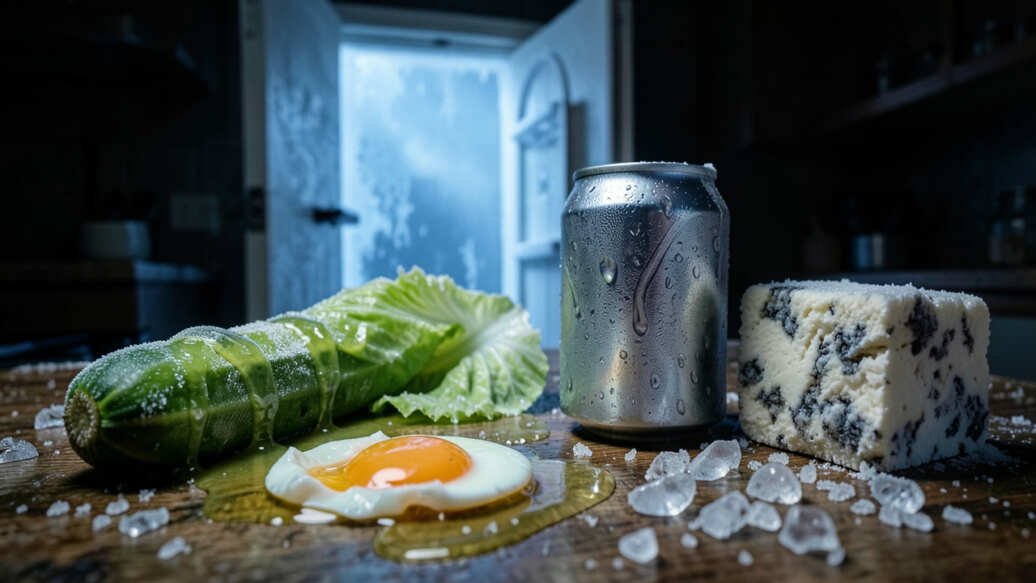
Freezing lettuce, cucumbers, tomatoes, and other high-moisture vegetables like zucchini is not recommended due to severe textural degradation. These foods contain delicate cellular structures that rupture when ice crystals form during freezing, leading to a mushy, watery consistency upon thawing. The primary consequence is a significant loss of crispness and flavor, making them unpalatable for fresh use.
Storing food in the freezer is a great way to save money and reduce waste. But sometimes, popping everything in there can cause problems. Learning which foods don’t do well in the cold is super helpful, especially when you’re just starting out.
Don’t worry, it’s not hard to get right! We’ll show you exactly what to avoid. Get ready to learn what makes it into the list of 10 Foods You Should Never Store in a Freezer.
Key Takeaways
- You’ll discover specific foods that lose quality or change texture when frozen.
- Understand why certain items react poorly to freezing temperatures.
- Learn practical tips for storing these foods correctly to keep them fresh.
- Avoid common freezing mistakes that can lead to disappointment.
- Gain confidence in your food storage choices to prevent waste.
- Get a clear guide to help you decide what belongs in your freezer and what doesn’t.
Why Some Foods Don’t Freeze Well
Freezing food seems like a magical way to make it last longer. It works by slowing down decay and stopping bacteria from growing. However, the ice crystals that form inside foods can damage their structure.
When you thaw them, this damage can change how the food looks, feels, and tastes. Some foods are just more delicate and can’t handle this process well.
The Science Behind Freezing and Food Quality
When water freezes, it expands and forms ice crystals. In foods, these crystals can break down cell walls. This is especially true for foods with high water content.
When the food thaws, the liquid that was held inside the cells leaks out. This makes the food mushy, watery, or tough.
The rate of freezing also matters. Fast freezing creates smaller ice crystals, which cause less damage. Slow freezing creates larger crystals.
Most home freezers freeze food relatively slowly. This is why some items turn out poorly.
Texture Changes
The most common problem when freezing certain foods is a change in texture. Foods that are supposed to be crisp can become limp. Creamy foods might separate or become grainy.
Cooked pasta can turn mushy. It’s all about that ice crystal damage to the food’s structure.
Flavor and Nutrient Loss
While freezing is generally good at preserving nutrients, some can be lost. Certain vitamins, like vitamin C, can degrade over time, even when frozen. Some foods might also absorb freezer odors, which affects their taste.
10 Foods You Should Never Store in a Freezer
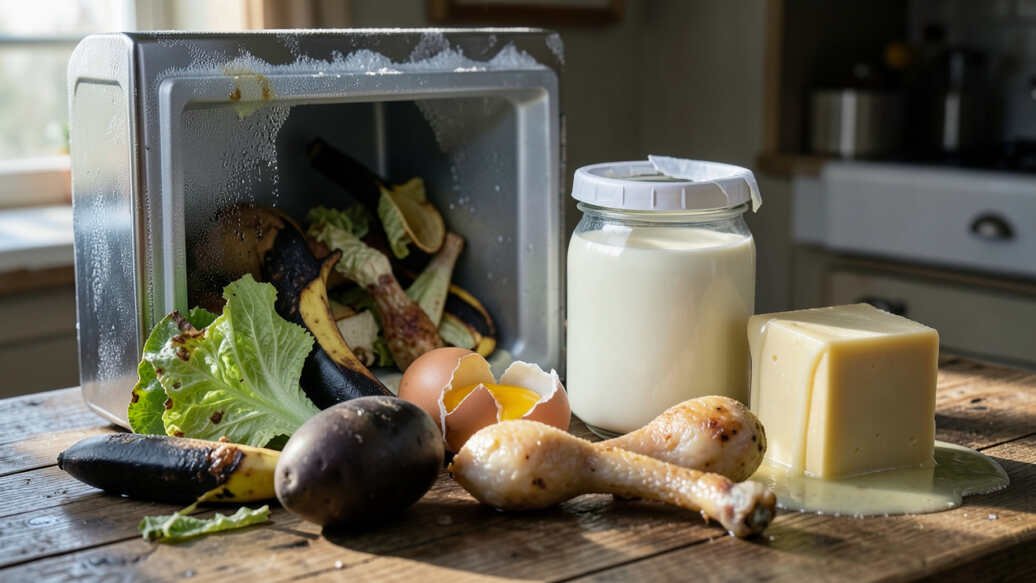
Knowing which foods to keep out of the freezer is key to happy cooking and eating. Here’s a list of common items that really don’t like being frozen.
1. Lettuce and Leafy Greens
Lettuce and other delicate leafy greens like spinach or arugula are mostly water. When you freeze them, the water turns into ice crystals that burst the plant cells.
Once thawed, these greens become a sad, wilted, and mushy mess. They lose all their crispness. You can’t use them for salads anymore.
While you might be able to cook them down into something, it’s usually not worth it.
2. Cucumbers and Zucchini
Like lettuce, cucumbers and zucchini have a very high water content. Freezing them breaks down their cell structure, making them soft and watery.
They become limp and lose their refreshing crunch. They are great raw in salads or sandwiches, but freezing ruins this. Cooked zucchini can sometimes fare a little better, but raw is definitely out.
3. Tomatoes
Fresh tomatoes are juicy and delicate. Freezing them changes their texture dramatically. They turn mushy and lose their fresh flavor when thawed.
While they might still be usable in cooked dishes like sauces or soups, they won’t be the same. For salads or slicing, skip the freezer.
4. Potatoes
Raw potatoes are tricky. When you freeze them, the starch in them turns into a sugary substance.
This makes them sweet and also gives them a strange, often unpleasant texture once thawed. They can become mushy or watery. Cooked potatoes, like french fries or mashed potatoes, can sometimes be frozen with better results, but raw is a no-go.
5. Cooked Pasta and Rice
While you might see recipes suggesting freezing cooked pasta or rice, it’s often not ideal. The grains absorb water during cooking. When frozen, the ice crystals form and can make them mushy and gummy when thawed.
The texture suffers greatly. It’s best to cook these items as needed. If you must freeze, cook them slightly underdone and add a little liquid when reheating.
6. Fried Foods
The crispiness of fried foods is their best feature. Freezing and then thawing these items can make the coating soggy and unappealing.
The oil used in frying can also affect the texture and flavor. They just don’t hold up well to the freezing process.
7. Cream-Based Sauces and Soups
Sauces and soups that contain dairy like cream, milk, or sour cream can separate when frozen.
The fats and liquids can split, leaving you with a greasy, watery mess. It can be hard to get them back to their smooth, creamy original consistency. Broth-based soups usually freeze better.
8. Eggs (in Shell)
Never freeze eggs in their shells. The liquid inside the egg expands as it freezes, which will crack the shell.
If the shell cracks, the egg can become contaminated. You can freeze whisked eggs, however, without the shell. Just beat them lightly and store them in an airtight container.
9. Soft Cheeses
Cheeses like cream cheese, cottage cheese, and ricotta have a high moisture content. Freezing them changes their texture, making them grainy and watery once thawed.
They lose their smooth, creamy texture. Harder cheeses tend to freeze better, but can still become a bit crumbly.
10. Carbonated Drinks
Putting fizzy drinks in the freezer is a bad idea. The liquid expands as it freezes, and the pressure can cause the container to explode.
You’ll end up with a huge mess and no drink! It’s best to chill them in the refrigerator.
Frequently Asked Questions
Question: Can I freeze herbs?
Answer: Yes, you can freeze herbs, but it changes their texture. It’s best to chop them and freeze them in ice cube trays with a little water or oil. This way, you can easily add them to cooked dishes.
Question: What about freezing mayonnaise?
Answer: Mayonnaise is an emulsion of oil and egg. Freezing causes it to break and separate, making it watery and oily when thawed. It’s not recommended to freeze mayonnaise.
Question: Are there any exceptions for the foods on this list?
Answer: While the general advice is to avoid freezing these items, there can be exceptions depending on how you plan to use them. For example, while fresh tomatoes turn mushy, they can still be used for cooking sauces. Cooked pasta might be acceptable if you plan to add it to a casserole.
Question: How can I tell if a food has been frozen and thawed incorrectly?
Answer: Look for signs like extreme mushiness, watery texture, a loss of firmness, or a grainy consistency. If a food looks or feels very different from how it should be, it might have suffered from improper freezing.
Question: What is the best way to store foods that shouldn’t be frozen?
Answer: Store these foods in the refrigerator or at room temperature, depending on their type. For items that spoil quickly, use them within a few days. For longer storage, consider drying, pickling, or canning methods.
Final Thoughts
Knowing which foods to skip in the freezer helps you keep your food tasting great and looking its best. You’ve learned about delicate items like lettuce, cucumbers, and fresh tomatoes that turn mushy. Creamy sauces and soft cheeses can also suffer.
Remember that raw eggs and carbonated drinks are definite no-gos. By keeping these 10 Foods You Should Never Store in a Freezer out of the cold, you’ll enjoy better quality food and avoid wasted effort. Happy storing!

![9 Reasons Your Ice Maker Isn’T Working Properly[1]](https://creativehouseblog.com/wp-content/uploads/2026/04/9_Reasons_Your_Ice_Maker_IsnT_Working_Properly1-768x448.jpg)
![6 Reasons Your Bread Maker Isn’T Working Properly[1]](https://creativehouseblog.com/wp-content/uploads/2026/04/6_Reasons_Your_Bread_Maker_IsnT_Working_Properly1-768x448.jpg)
![How Much Electricity Does an Air Fryer Use[1]](https://creativehouseblog.com/wp-content/uploads/2026/03/How_Much_Electricity_Does_an_Air_Fryer_Use1-768x448.jpg)
![9 Daily Uses Of Electric Kettles Beyond Tea[1]](https://creativehouseblog.com/wp-content/uploads/2026/04/9_Daily_Uses_Of_Electric_Kettles_Beyond_Tea1-768x448.jpg)
![Autumn Gutter Cleaning Guide Prevents Damage[1]](https://creativehouseblog.com/wp-content/uploads/2026/05/Autumn_Gutter_Cleaning_Guide_Prevents_Damage1-768x403.jpg)
![6 Reasons Your Fried Food Turns Out Too Greasy[1]](https://creativehouseblog.com/wp-content/uploads/2026/04/6_Reasons_Your_Fried_Food_Turns_Out_Too_Greasy1-768x448.jpg)