
The most common espresso mistakes beginners make include using stale coffee beans, choosing the incorrect grind size, and applying inconsistent tamping pressure. These fundamental errors directly impact extraction, leading to shots that are sour, bitter, or watery rather than balanced and rich. Mastering bean freshness, achieving the correct grind consistency, and applying even pressure are essential first steps to improving your home espresso quality.
Making good espresso at home can feel tricky at first. Lots of people starting out run into the same small problems. You might wonder why your coffee doesn’t taste quite right.
Don’t worry, this is super common! We’ll look at 10 Common Espresso Mistakes Beginners Make and show you easy ways to fix them. Soon you’ll be making delicious shots like a pro.
Key Takeaways
- You’ll learn about common issues that affect espresso quality for new baristas.
- Discover why the coffee grind size is so important for a perfect shot.
- Understand how tamping pressure can make or break your espresso.
- Find out why water temperature needs to be just right.
- Learn the role of coffee freshness and how to store beans properly.
- Get tips on cleaning your espresso machine for better taste.
Espresso Basics for Beginners
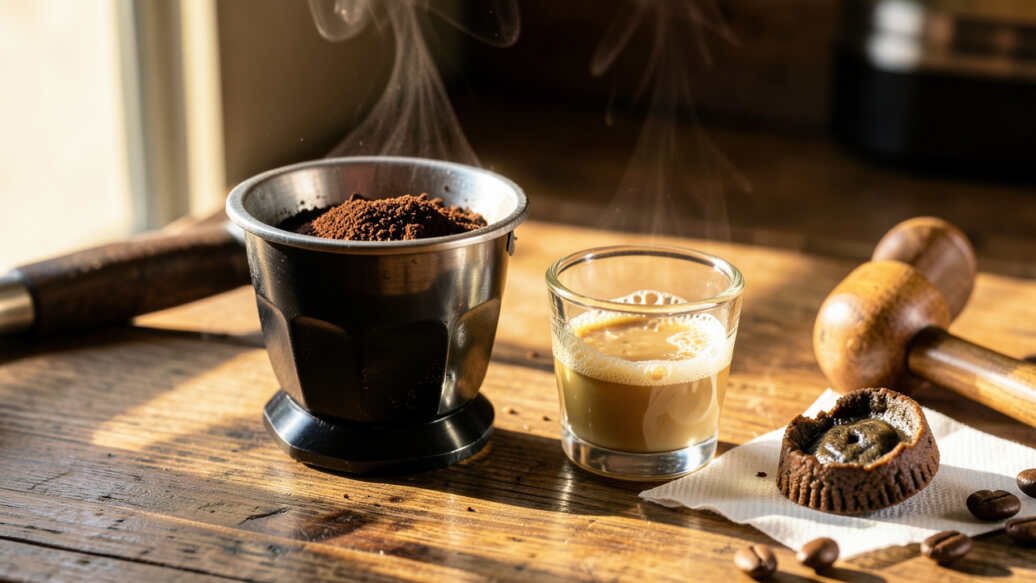
Espresso is a strong, flavorful coffee drink made by forcing hot water through finely-ground coffee beans. It’s the base for many popular coffee drinks like lattes and cappuccinos. Getting it right at home can seem like a puzzle when you’re just starting.
Many beginners encounter similar issues that prevent them from enjoying that perfect, rich shot.
Mistake 1: Using Stale Coffee Beans
Why Freshness Matters
Coffee beans start losing their flavor and aroma soon after they are roasted. When you use beans that have been sitting around for too long, your espresso will taste flat and dull. This is one of the most overlooked factors.
The Fix
Always buy coffee beans that have a roast date on the bag. Try to use them within 2-4 weeks of roasting. Store your beans in an airtight container away from light and heat.
Never store them in the refrigerator or freezer.
Mistake 2: Incorrect Grind Size
The Goldilocks Zone for Grinding
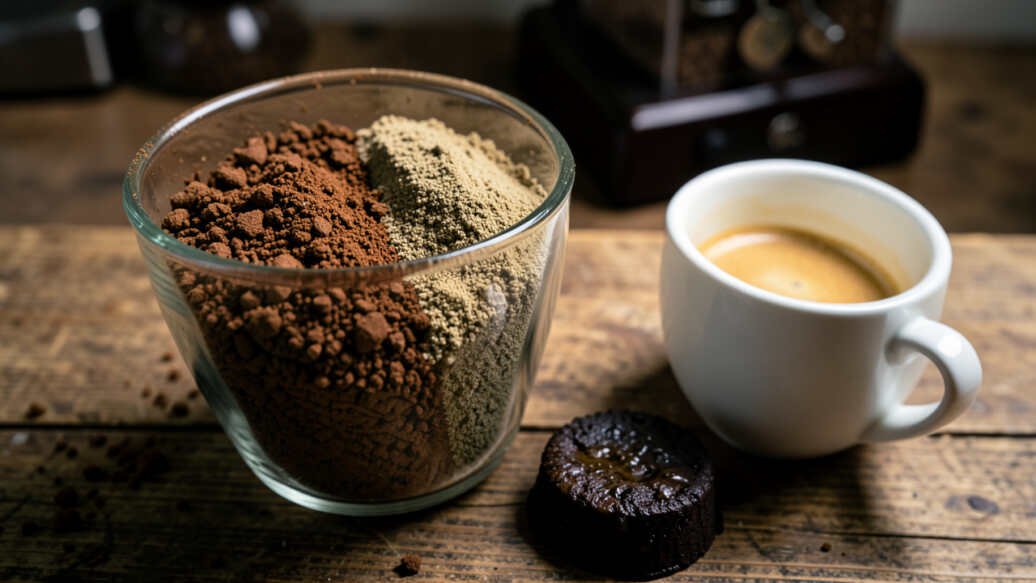
Grinding your coffee beans correctly is super important for espresso. If the grind is too coarse, water will flow through too fast, making a weak and sour shot. If it’s too fine, water can’t pass through easily, leading to a bitter, burnt taste.
The Fix
You need a fine, consistent grind. It should feel like fine sand. Most espresso machines work best with a grind that looks almost like powder but not quite.
You might need to experiment with your grinder settings. Aim for a shot that pulls in about 25-30 seconds.
Mistake 3: Inconsistent Tamping Pressure
Packing it Right
Tamping is pressing the ground coffee evenly into the portafilter basket. If you don’t tamp with enough pressure, water will find channels and flow unevenly. Too much pressure can also create problems, making it hard for water to pass through.
The Fix
Aim for consistent, firm pressure every time. About 30 pounds of pressure is a good target. Use a tamper that fits your portafilter basket snugly.
Level the grounds before you tamp. The goal is to create a solid, even puck of coffee.
Mistake 4: Not Distributing the Coffee Evenly
Avoiding Dry Spots
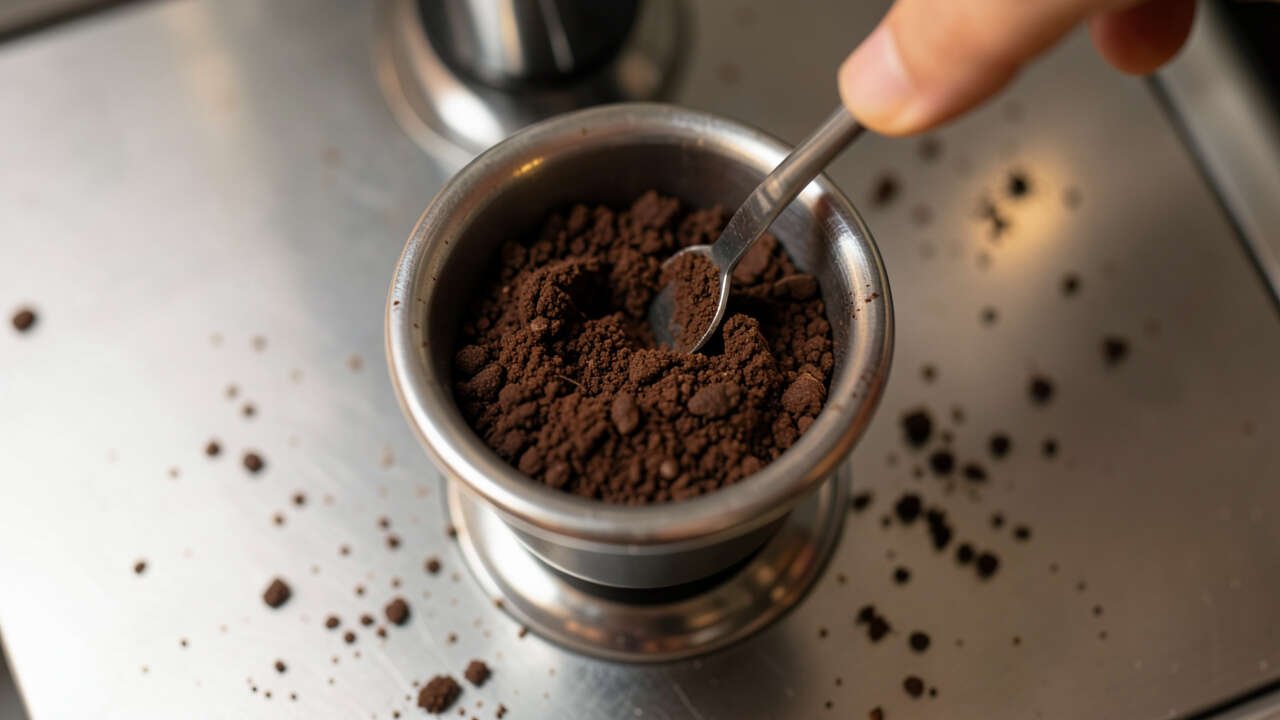
After grinding, coffee grounds can clump together. If you don’t spread them out evenly in the portafilter, water will go through the denser parts faster, leading to uneven extraction. This is often called “channeling.”
The Fix
Gently tap the portafilter after grinding to settle the grounds. You can also use a distribution tool or your finger to lightly level the coffee before tamping. This ensures water hits all parts of the coffee evenly.
Mistake 5: Using the Wrong Water Temperature
The Sweet Spot for Heat
Water temperature is a big deal for espresso. If the water is too cool, you won’t extract enough flavor, resulting in a sour shot. If it’s too hot, you’ll burn the coffee, leading to a bitter taste.
The Fix
Most espresso machines aim for a water temperature between 195°F and 205°F (90°C to 96°C). Many home machines have built-in thermostats that maintain this. If yours doesn’t, you might need a machine with temperature control or consider letting your machine heat up for a good 15-20 minutes before brewing.
Mistake 6: Incorrect Brew Ratio
Coffee to Water Balance
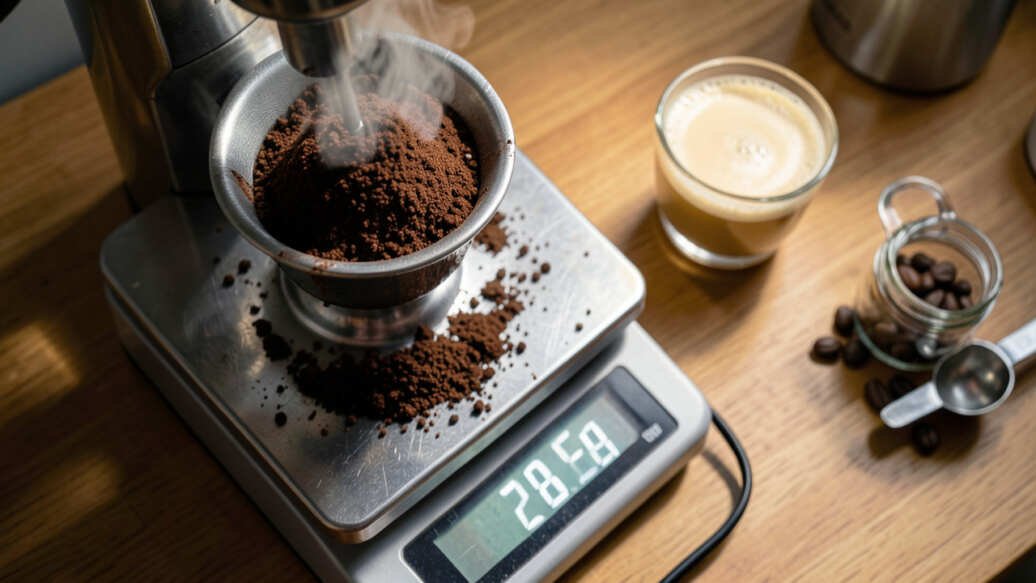
The ratio of coffee grounds to the final espresso shot weight is called the brew ratio. Getting this wrong means your espresso will either be too watery or too concentrated. A common starting point is a 1:2 ratio.
The Fix
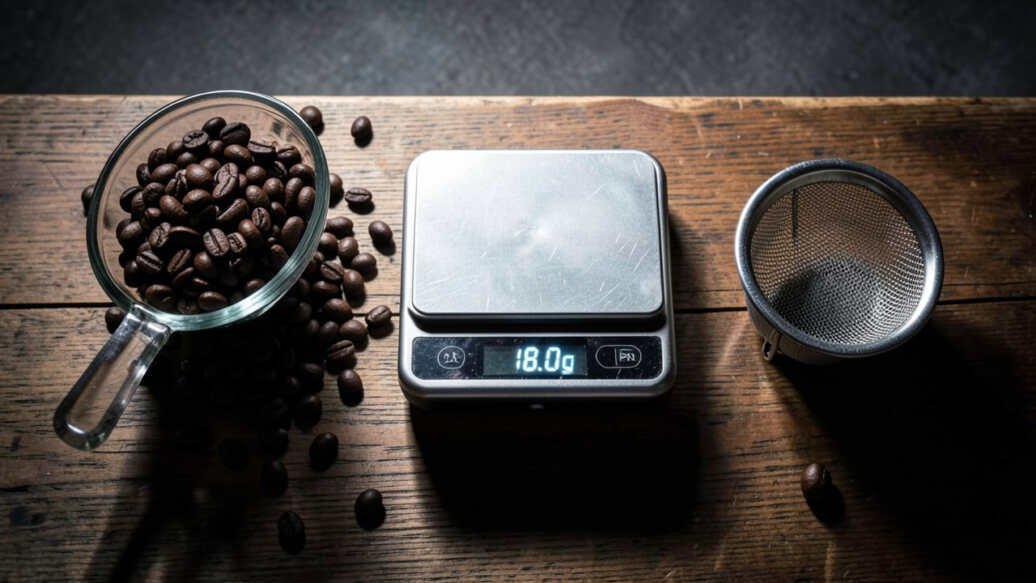
Weigh your dry coffee grounds and then weigh your espresso shot as it comes out. A 1:2 ratio means if you use 18 grams of coffee, you aim for about 36 grams of liquid espresso. Using a scale will make a big difference.
Mistake 7: Not Cleaning the Espresso Machine
Keeping it Spotless
Coffee oils build up in your espresso machine over time. These oils can go rancid and affect the taste of your coffee, making it bitter or stale. Old coffee grounds stuck in the machine are also a problem.
The Fix
Rinse your portafilter and group head after every use. Do a backflush with water daily. Perform a more thorough cleaning with espresso machine cleaner weekly or as recommended by the manufacturer.
This keeps your machine working well and your coffee tasting great.
Mistake 8: Using Too Much or Too Little Coffee
Getting the Dose Right
The amount of coffee you use, called the “dose,” is critical. Too little coffee in the basket can lead to channeling and under-extraction. Too much coffee can prevent proper water flow and lead to over-extraction.
The Fix
Use a scale to measure your dose precisely. For most single baskets, this is around 7-10 grams. For double baskets, it’s typically 14-20 grams.
Find the dose that works best for your specific machine and basket size.
Mistake 9: Not Preheating Your Equipment
Warmth for Flavor
Putting hot espresso into cold cups can shock the coffee and lower its temperature too quickly. This affects the taste and crema. Cold portafilters can also affect extraction.
The Fix
Run hot water through your portafilter and into your espresso cup before you brew. This warms them up nicely. Most espresso machines have a way to keep your cups warm on top, use that feature!
Mistake 10: Rushing the Process
Patience is Key
Espresso making is a skill that takes practice. Trying to rush through the steps often leads to errors. You might skip important checks or not give the machine enough time to heat up properly.
The Fix
Take your time with each step. Enjoy the process of making coffee. It’s okay if your first few shots aren’t perfect.
Each attempt is a learning opportunity. With practice, you’ll develop a feel for what works best.
Frequently Asked Questions
Question: How do I know if my espresso grind is too fine or too coarse?
Answer: If your espresso pulls too fast and tastes sour, your grind is likely too coarse. If it drips very slowly or not at all and tastes bitter, your grind is too fine.
Question: How much pressure should I use when tamping?
Answer: Aim for about 30 pounds of pressure. It should feel firm but not like you’re straining. Consistency is more important than extreme force.
Question: What is “channeling” in espresso?
Answer: Channeling happens when water finds easy paths through the coffee puck, leading to uneven extraction. This often results from uneven distribution or tamping.
Question: How often should I backflush my espresso machine?
Answer: It’s good practice to backflush with plain water daily after you finish making coffee. Use espresso machine cleaner for a deep clean periodically, like once a week.
Question: My espresso has a lot of crema, does that mean it’s good?
Answer: Crema is a good sign of freshness and proper extraction, but it’s not the only factor. The taste of the espresso is the most important indicator of quality.
Final Thoughts
Making delicious espresso at home is a fun skill to learn. You’ve seen how common issues like stale beans, wrong grind size, and messy tamping can affect your shot. By paying attention to details like water temperature, brew ratio, and keeping your machine clean, you can easily fix these problems.
Remember to be patient and practice each step. Soon you will be enjoying perfect espresso shots every time.

![How Rice Cookers Work Explained Simply[1]](https://creativehouseblog.com/wp-content/uploads/2026/03/How_Rice_Cookers_Work_Explained_Simply1-768x448.jpg)
![Spring Home Maintenance Checklist to Start the Year Right[1]](https://creativehouseblog.com/wp-content/uploads/2026/05/Spring_Home_Maintenance_Checklist_to_Start_the_Year_Right1-768x403.jpg)
![Why Doors Stick And How To Fix Them Fast[1]](https://creativehouseblog.com/wp-content/uploads/2026/05/Why_Doors_Stick_And_How_To_Fix_Them_Fast1-768x403.jpg)
![10 Tips To Get Perfect Crispy Pizza At Home[1]](https://creativehouseblog.com/wp-content/uploads/2026/04/10_Tips_To_Get_Perfect_Crispy_Pizza_At_Home1-768x448.jpg)
![10 Healthy Juice Recipes You Can Make At Home[1]](https://creativehouseblog.com/wp-content/uploads/2026/04/10_Healthy_Juice_Recipes_You_Can_Make_At_Home1-768x448.jpg)
![Air Fryer Basket Coatings Explained Clearly[1]](https://creativehouseblog.com/wp-content/uploads/2026/03/Air_Fryer_Basket_Coatings_Explained_Clearly1-768x448.jpg)