
A heating system requires immediate attention when it emits strange noises or unusual smells, fails to heat evenly, or shows a sudden increase in energy bills. Common causes include a dirty air filter, thermostat malfunction, or issues with the pilot light and cycling. Professional maintenance before winter can prevent these malfunctions and avoid costly breakdowns during cold weather.
Winter is coming, and the last thing you want is a cold house. Figuring out if your heater needs a check-up can seem tricky, especially if you’re new to homeownership. Many people worry about what to look for or if they can even spot a problem.
But don’t stress! We’ll walk through the easy things to watch out for, step by step. You’ll learn how to tell if your heating system is ready for the chilly months ahead.
Let’s get your home warm and cozy.
Key Takeaways
- You will learn common signs that indicate your heating system needs maintenance before winter.
- We will cover how to identify strange noises and unusual smells from your furnace.
- You will understand the importance of checking your thermostat and air filters.
- We will explain why uneven heating and increased energy bills are red flags.
- This post will help you know when to call a professional to avoid winter breakdowns.
![Signs Your Heating System Needs Attention[1]](https://creativehouseblog.com/wp-content/uploads/2026/05/Signs_Your_Heating_System_Needs_Attention1.jpg)
Signs Your Heating System Needs Attention Before Winter
As the temperatures begin to drop, your heating system becomes a vital part of your home. It’s essential to ensure it’s in good working order before the first frost hits. Ignoring potential problems can lead to costly repairs or, worse, a breakdown during the coldest part of the year.
This section highlights the most common indicators that your furnace or heater needs a closer look. Paying attention to these signs can save you a lot of discomfort and expense.
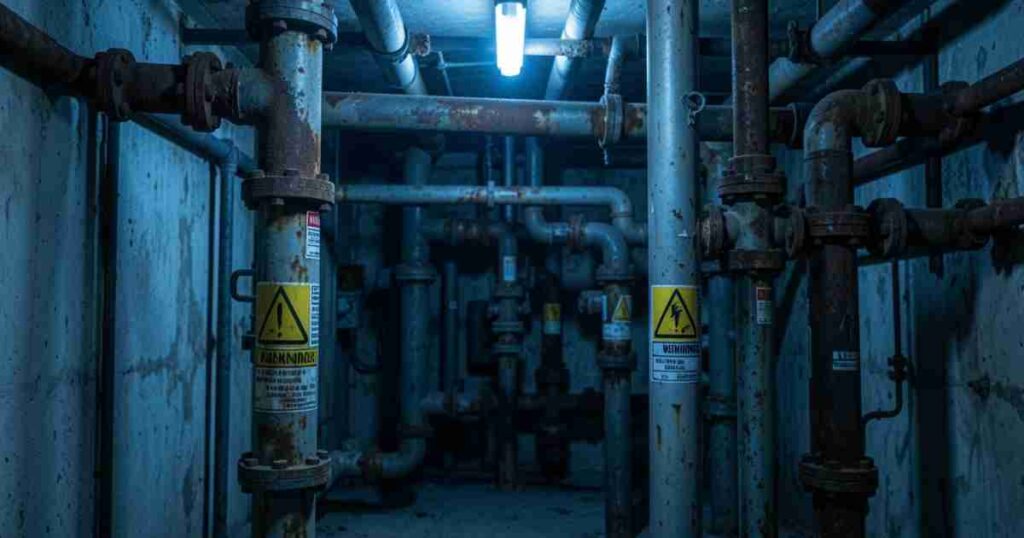
Strange Noises Coming From Your Furnace
Your heating system makes noise when it runs, but certain sounds are not normal. A healthy furnace usually hums or blows quietly. If you start hearing banging, clanking, whistling, or grinding, it’s a clear signal that something is wrong.
These sounds can indicate loose parts, motor issues, or problems with the blower fan. For example, banging might mean a problem with the heat exchanger, which needs immediate attention for safety reasons. Grinding often points to issues with the motor or bearings.
Whistling can be caused by air leaks or a restriction in the airflow. A consistent clanking could mean something is loose inside the unit. Any loud or unusual noise is worth investigating.
- Banging: Often indicates serious internal problems like issues with the heat exchanger or fan.
- Grinding: Suggests wear and tear on moving parts like the motor or blower fan bearings.
- Whistling: Can signal air leaks in the ductwork or a restricted airflow path.
- Clicking: Repeated clicking before ignition might mean a problem with the igniter or gas valve.
Imagine hearing a loud clang every time your furnace kicks on. This isn’t just annoying; it’s a warning. That sound could be a part that has come loose and is banging against the casing as it rotates.
If left unchecked, this loose part could break entirely, leading to a more significant and expensive repair. Similarly, a persistent grinding sound could mean the bearings in your blower motor are wearing out. If that motor seizes up, your furnace will stop blowing warm air altogether.
Unusual Smells Emanating From Your Heater
The smell of burning dust is common when you first turn your heater on after a long break. However, persistent or unusual smells are red flags. A strong smell of natural gas or rotten eggs means you should immediately turn off your furnace and leave your home.
Call your gas company and a qualified technician from outside your house. This smell indicates a potential gas leak, which is a serious safety hazard. Other strange smells, like burning plastic or electrical odors, can suggest overheating components or faulty wiring.
These issues also require immediate professional attention to prevent fires or damage.
- Rotten Egg Smell (Sulfur): This is the universal odorant added to natural gas. If you detect it, turn off your furnace and evacuate immediately.
- Burning Dust: A light, temporary smell of dust is normal when the furnace is first used after summer.
- Electrical Burning Smell: This could mean overheating wires or a malfunctioning motor, posing a fire risk.
- Smoky or Sooty Smell: May indicate a problem with combustion or the flue system, potentially releasing carbon monoxide.
A homeowner once noticed a faint smell like burning plastic coming from their basement where the furnace was located. At first, they dismissed it, but the smell grew stronger over a few days.
They decided to call a technician, who discovered that a motor inside the furnace was overheating due to a faulty bearing.
The technician was able to replace the motor before it failed completely or caused a fire, averting a major disaster.
Checking Your Thermostat and Air Filters
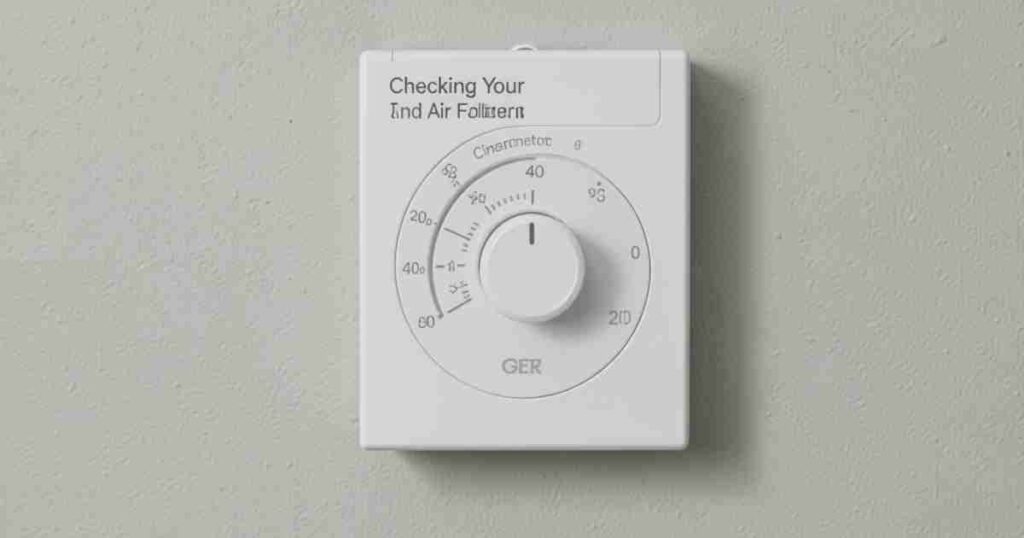
Your thermostat is the brain of your heating system, and dirty air filters can significantly impact its performance. A malfunctioning thermostat might not be accurately reading the room temperature, leading to your home being too cold or too hot. Check if the display is working correctly and if it responds to temperature changes.
Try adjusting the settings to see if the furnace turns on as expected. The air filter is another easy-to-check component. A clogged filter restricts airflow, making your furnace work harder and less efficiently.
This can lead to uneven heating and increased energy costs. Replacing or cleaning your air filter regularly, typically every one to three months, is a simple yet effective way to keep your system running smoothly.
- Thermostat Issues: Look for error messages, a blank screen, or if it fails to communicate with the furnace.
- Inaccurate Readings: If the thermostat temperature doesn’t match the actual room temperature, it may need recalibration or replacement.
- Dirty Air Filters: A filter that looks gray and clogged with dust and debris needs immediate attention.
- Filter Replacement Schedule: Mark your calendar to change filters every 1-3 months, or more often if you have pets or allergies.
Let’s say your thermostat says the house is 70 degrees, but you still feel a chill. This could mean the thermostat is not sensing the temperature correctly. Maybe the battery is low, or the unit itself is failing.
On the other hand, imagine your furnace is running constantly but your house never feels warm.
This could be because the air filter is so clogged that air can barely pass through. The furnace is trying its best, but it’s like trying to breathe through a thick blanket.
Uneven Heating Throughout Your Home
A properly functioning heating system should provide consistent warmth to all rooms in your house. If you notice that some rooms are significantly warmer or colder than others, it’s a sign that something is amiss. This uneven heating can be caused by several factors.
It could be a problem with your ductwork, such as leaks or blockages that prevent warm air from reaching certain areas. Another cause might be an issue with the furnace itself, like an unbalanced blower fan or a faulty thermostat that isn’t distributing heat evenly. Ignoring this can lead to discomfort and wasted energy, as you might overheat some areas to compensate for cold ones.
- Cold Spots: Specific rooms or areas that remain noticeably colder than the rest of the house.
- Hot Spots: Rooms that become uncomfortably warm, even when the thermostat is set to a moderate temperature.
- Drafts: Feeling cold air entering rooms, often near windows and doors, which can indicate airflow issues.
- Inconsistent Temperatures: Temperatures fluctuating significantly throughout the day in different parts of the house.
Consider a scenario where your upstairs bedrooms are always freezing in winter, even with the thermostat set to 70 degrees downstairs.
Meanwhile, your living room feels like a sauna. This isn't just a matter of preference; it's a symptom of an unbalanced heating system.The warm air might be struggling to reach the upstairs due to restrictions in the ductwork, or the thermostat might be located in a part of the house that gets more direct sunlight, tricking it into thinking the whole house is warm.
Increased Energy Bills Without Explanation
Your heating system is a significant contributor to your energy consumption. If you notice a sudden and unexplained spike in your energy bills, especially as the colder months approach, your heating system might be working overtime.
An inefficient or malfunctioning furnace often consumes more power to produce the same amount of heat.
This can be due to various issues, such as dirty filters, worn-out parts, or problems with the thermostat. When your system has to struggle to maintain a set temperature, it uses more energy.
It’s a good idea to compare your current energy bills with those from previous years for the same period.
A noticeable increase often signals that a professional tune-up is needed.
- Sudden Bill Increase: A sharp rise in energy costs that doesn’t align with changes in usage habits.
- System Running Constantly: If your furnace seems to be on more often than usual, even on milder days.
- Lower Heat Output: Feeling that your furnace isn’t producing as much heat as it used to, requiring higher thermostat settings.
- Comparison to Previous Years: An energy bill that is significantly higher than bills from the same months in past years.
Imagine your electricity or gas bill doubles one month, and you haven’t changed your daily routines or added any new appliances. This can be alarming. Often, the culprit is an aging or struggling heating system.
It’s trying to push air through a clogged filter, or its internal components are less efficient than they used to be.
This extra effort translates directly into higher energy consumption and a fatter bill. A professional inspection can pinpoint the cause of this inefficiency.
Pilot Light Issues or Frequent Cycling
For furnaces that use a pilot light, a yellow or flickering flame instead of a steady blue one can indicate a problem.
A yellow flame means incomplete combustion, potentially producing harmful carbon monoxide. This is a serious safety concern.
Additionally, if your furnace or heating system turns on and off frequently in short intervals, known as short cycling, it’s a sign of inefficiency or a problem.
Short cycling puts unnecessary wear and tear on your system’s components and can lead to a less comfortable home.
It might be caused by an oversized furnace, a blocked vent, or a thermostat that is too sensitive.
Frequent cycling prevents the system from reaching and maintaining a consistent temperature.
- Yellow or Flickering Pilot Light: Indicates incomplete combustion and potential safety hazards like carbon monoxide.
- Short Cycling: The furnace turning on and off rapidly instead of running for sustained periods.
- System Won’t Start: The pilot light is out, or the igniter isn’t working.
- Inconsistent Heating: Short cycling prevents the house from being heated evenly.
A homeowner noticed their pilot light was no longer a clean blue flame but a weak, yellow flicker.
They also heard the furnace kicking on and off every few minutes, never truly warming the house.
This was concerning for two reasons: the safety of a yellow flame and the inefficiency of short cycling.
A technician discovered a dirty burner assembly causing the combustion issue and a faulty sensor contributing to the frequent cycling. Fixing these promptly ensured a safer and warmer home.
When to Call a Professional for Heating System Check
While some minor issues can be addressed with basic maintenance, others require the expertise of a qualified HVAC technician.
If you notice any of the major signs discussed, especially gas smells, strange noises, or significant performance drops, it’s time to schedule a professional check-up.
Attempting complex repairs without proper knowledge can be dangerous and may cause further damage.
A professional can perform a thorough inspection, identify hidden problems, and ensure your system is safe and efficient for the winter months. Regular professional maintenance, often recommended annually, can prevent unexpected breakdowns and extend the life of your heating equipment.
- Presence of Gas Odors: Any smell of natural gas or rotten eggs is an immediate call for professional help.
- Persistent Unusual Noises: If banging, grinding, or screeching sounds continue after basic checks.
- Lack of Heat or Weak Airflow: When the furnace isn’t producing adequate heat or airflow.
- Visible Damage or Leaks: Any signs of rust, corrosion, or water leaks around the furnace.
- Frequent System Cycling: If the heating system turns on and off too often.
- Aging System: For furnaces over 10-15 years old, consider a professional inspection to assess remaining lifespan.
Consider a family that woke up to a freezing house on a particularly cold morning. Their furnace wouldn’t turn on at all. They had noticed some odd noises in the weeks prior but ignored them.
When they tried to troubleshoot, they couldn’t find an obvious solution. They called an HVAC technician, who found that a critical component had failed due to the wear and tear indicated by those earlier noises.
The technician was able to fix it, but the delay meant the family spent a chilly day waiting for repairs.
Common Causes of Heating System Malfunctions
Many issues that cause heating systems to falter stem from a few common problems. Over time, wear and tear on mechanical parts is inevitable. Motors can weaken, igniters can fail, and sensors can become dirty or faulty.
Another major culprit is poor maintenance. Neglecting to change air filters, clean vents, or have annual professional tune-ups means small issues can grow into big ones. Debris and dust buildup can clog components, reducing efficiency and causing strain.
Electrical problems, such as loose wiring or failing control boards, can also bring your system to a halt.
Understanding these common causes helps homeowners appreciate the importance of regular upkeep.
- Lack of Regular Maintenance: Skipping annual check-ups and filter changes is a leading cause of breakdowns.
- Component Wear and Tear: Parts like motors, igniters, and belts naturally degrade over time.
- Electrical Issues: Problems with wiring, fuses, capacitors, or the control board.
- Ductwork Problems: Leaks, blockages, or damage in the system that distributes air.
- Thermostat Malfunctions: Issues with the thermostat’s ability to communicate with the furnace.
- Fuel Supply Problems: For gas furnaces, issues with the gas line, valve, or pilot light.
A simple case of neglected maintenance can lead to significant problems. For instance, a furnace’s igniter is responsible for lighting the gas burner. If it’s not cleaned or replaced when it starts to weaken, it might fail entirely, preventing the furnace from igniting.
Similarly, a dirty flame sensor can incorrectly tell the furnace that the flame isn’t lit, shutting the system down. These are often minor issues that become major failures if not addressed during routine service.
The Importance of Airflow and Ductwork
Airflow is the lifeblood of your heating system. For heat to reach every corner of your home effectively, air must be able to move freely through your ducts. Ductwork can develop problems over time.
Leaks can occur where sections are joined, allowing warm air to escape into unheated spaces like attics or crawl spaces.
Blockages, caused by debris, collapsed sections, or even pest infestations, can restrict airflow, making your furnace work harder and leading to hot and cold spots.
Regular inspections of your ductwork can help identify and fix these issues before they impact your home’s comfort and energy efficiency.
Sealing duct leaks can save a significant amount of energy.
Think of your ductwork as the circulatory system of your home’s heating. If there are blockages or leaks, the warm blood (air) can’t get to all the vital organs (rooms). A leak in a duct under your house could be losing a substantial amount of heated air.
This means your furnace has to run longer and burn more fuel to compensate for the lost heat. It’s like trying to fill a bucket with a hole in it – a lot of effort for little reward.
- Duct Leaks: Gaps or holes in the ductwork that allow heated air to escape into unconditioned spaces.
- Duct Blockages: Obstructions within the ducts, such as dust, debris, or collapsed sections, that impede airflow.
- Poor Insulation: Uninsulated ducts in unheated areas lose heat as air travels through them.
- Undersized or Oversized Ducts: Ducts that are not the correct size for the home can cause airflow imbalances.
Research by Energy Star suggests that leaky ductwork can waste 20 to 30 percent of the air that passes through it.
This means your furnace is essentially heating the air only to have a large portion of it escape before it reaches your living spaces.
Over years, this can add up to hundreds of dollars in wasted energy costs, not to mention the discomfort of cold rooms.
Preparing Your Heating System for Winter: A Practical Guide
Taking proactive steps can ensure your heating system is ready to tackle the winter months.
This involves a combination of simple DIY maintenance and understanding when to call in the experts.
Regular filter changes, visual inspections for obvious issues, and listening for unusual sounds are tasks every homeowner can do.
However, complex electrical or mechanical problems, and safety checks like carbon monoxide testing, are best left to HVAC professionals.
Planning for a pre-winter tune-up can catch small problems before they become major failures, ensuring your home stays warm and your energy bills remain manageable.
Don’t wait until the first cold snap hits; prepare your system now for reliable performance all season long.
- Schedule Annual Maintenance: Book a professional tune-up before the heating season begins.
- Change Air Filters Regularly: Replace or clean filters every 1-3 months for optimal airflow.
- Inspect Visible Components: Look for any obvious signs of damage, rust, or leaks around the unit.
- Test Your Thermostat: Ensure it’s working correctly and accurately reading temperatures.
- Check for Strange Noises or Smells: Address any unusual sounds or odors promptly.
- Clear Obstructions: Ensure the area around your furnace and vents is clear for proper airflow.
Let’s consider a homeowner who consistently changes their air filters every two months. They also schedule a furnace tune-up in early autumn. When winter arrives, their furnace runs smoothly, providing consistent heat.
They haven’t experienced any unexpected breakdowns or high energy bills related to their heating system. This proactive approach saved them from potential discomfort and costly emergency repairs.
Frequently Asked Questions Of Signs Your Heating System Needs Attention
Question: When should I schedule a professional heating system checkup
Answer: It’s best to schedule a professional checkup in early autumn, before the cold weather starts. This allows time for any necessary repairs before you rely on your system.
Question: Can I clean my furnace filter myself
Answer: Yes, most furnace filters are designed for easy DIY replacement or cleaning. Check your furnace manual for specific instructions.
Question: What does a yellow pilot light mean
Answer: A yellow or flickering pilot light means incomplete combustion, which can produce dangerous carbon monoxide. Turn off the furnace and call a professional immediately.
Question: Why is my house unevenly heated
Answer: Uneven heating can be caused by blocked vents, leaky ductwork, or a malfunctioning thermostat. A professional can diagnose and fix the specific issue.
Question: How often should I replace my air filter
Answer: You should typically replace your air filter every one to three months, depending on your household’s air quality and the filter type.
Wrap Up
Paying attention to signs your heating system needs attention before winter is smart. Watch for weird noises and smells. Keep your thermostat and filters clean.
If your house is unevenly heated or your energy bills jump, investigate further. Don’t wait for a cold snap to force a repair. A little care now means a warm, safe home all season long.

![Blender vs Food Processor Differences[1]](https://creativehouseblog.com/wp-content/uploads/2026/03/Blender_vs_Food_Processor_Differences1-768x448.jpg)
![6 Reasons Your Sous Vide Results Are Not Perfect[1]](https://creativehouseblog.com/wp-content/uploads/2026/04/6_Reasons_Your_Sous_Vide_Results_Are_Not_Perfect1-768x448.jpg)
![Autumn Home Maintenance Checklist Before Cold[1]](https://creativehouseblog.com/wp-content/uploads/2026/05/Autumn_Home_Maintenance_Checklist_Before_Cold1-768x403.jpg)
![Signs Your Hot Water Tank Needs Attention Right Away[1]](https://creativehouseblog.com/wp-content/uploads/2026/05/Signs_Your_Hot_Water_Tank_Needs_Attention_Right_Away1-768x403.jpg)
![9 Healthy Snacks You Can Make With A Dehydrator[1]](https://creativehouseblog.com/wp-content/uploads/2026/04/9_Healthy_Snacks_You_Can_Make_With_A_Dehydrator1-768x448.jpg)