
Sous vide cooking at home offers multiple advantages, including consistent and precise results every time, which is ideal for achieving perfect doneness in meats and vegetables. This method involves sealing food in bags and cooking it in a temperature-controlled water bath, resulting in enhanced flavor, increased juiciness, and the ability to tenderize tougher cuts without overcooking. Moreover, sous vide simplifies meal preparation by allowing batch cooking and saves money on groceries by elevating the taste of economical ingredients, making it a practical choice for everyday use.
Thinking about sous vide cooking at home might seem a little tricky at first. You might wonder if it’s hard to get started or if it’s worth the effort. But don’t worry!
It’s actually quite simple, and we’ll walk you through everything step-by-step. Get ready to discover the 8 Benefits of Sous Vide Cooking at Home and see how easy it can be to make amazing meals. We’ll cover all the great things you can do with this method.
Key Takeaways
- Sous vide cooking provides perfect, consistent results every time.
- It makes tough cuts of meat tender and delicious.
- Your food will be juicier and more flavorful.
- It’s easier to avoid overcooking or undercooking your meals.
- You can prepare meals ahead of time and finish them quickly.
- Sous vide cooking can save you money on groceries by making cheaper cuts taste great.
What is Sous Vide Cooking?
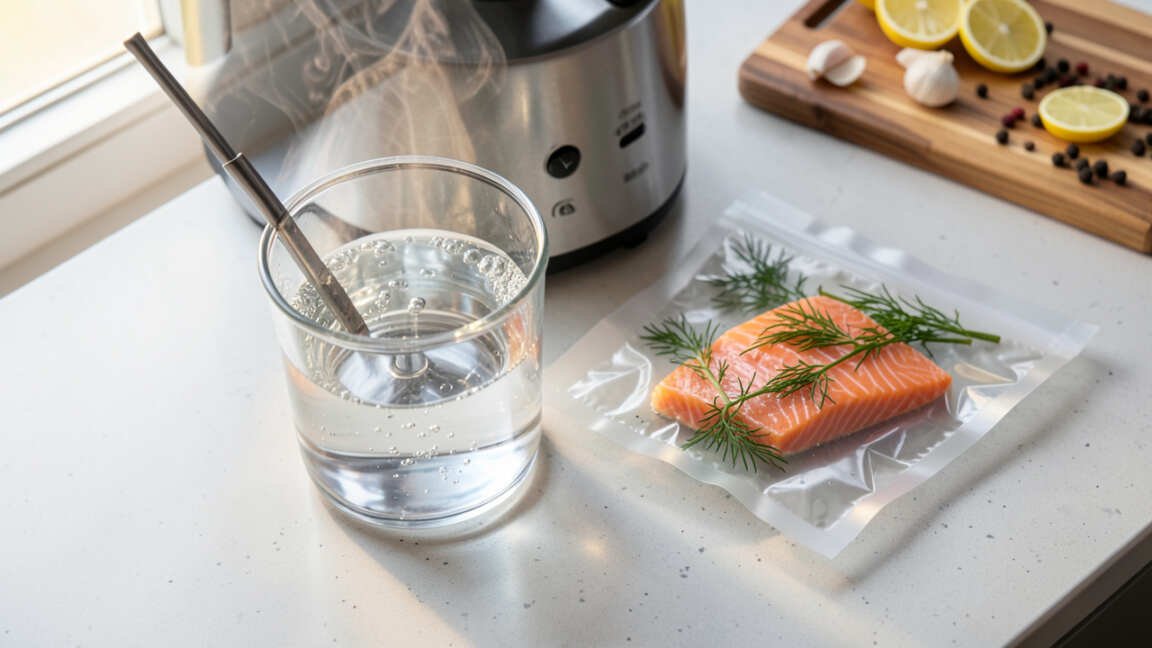
Sous vide is a cooking method where food is placed in a sealed bag. Then, the bag is put into a water bath. The water is heated to a very precise temperature.
This temperature stays the same for the entire cooking time. It’s different from regular cooking methods like baking or grilling. Those methods often have hot spots that can cook food unevenly.
How Does Sous Vide Work?
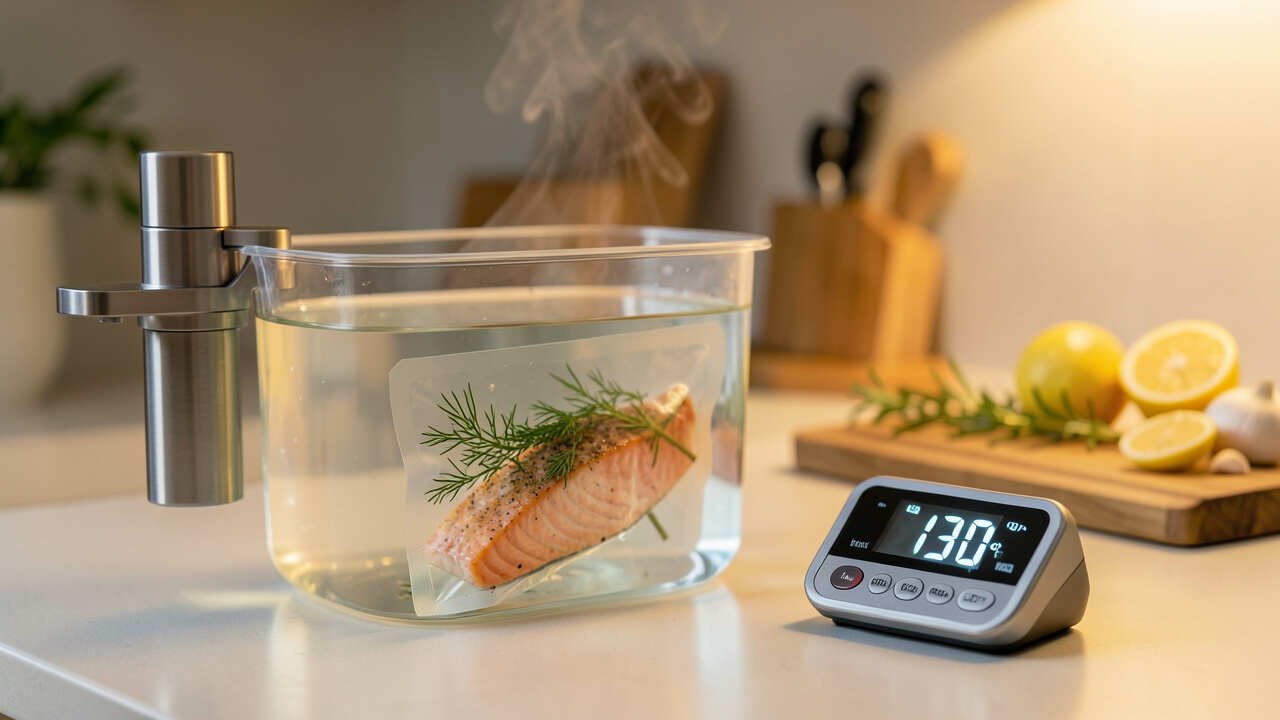
The magic of sous vide lies in precise temperature control. An immersion circulator heats the water and keeps it moving. This ensures every part of the food cooks at the exact same temperature.
When food is sealed in a bag, it’s protected from the air. This helps keep all the juices and flavors inside. Because the water temperature is controlled so well, you can’t overcook your food.
8 Benefits of Sous Vide Cooking at Home
1. Perfect, Consistent Results Every Time
One of the biggest advantages of sous vide is its consistency. You can set the temperature and leave it. The food will cook to exactly the right doneness, from edge to edge.
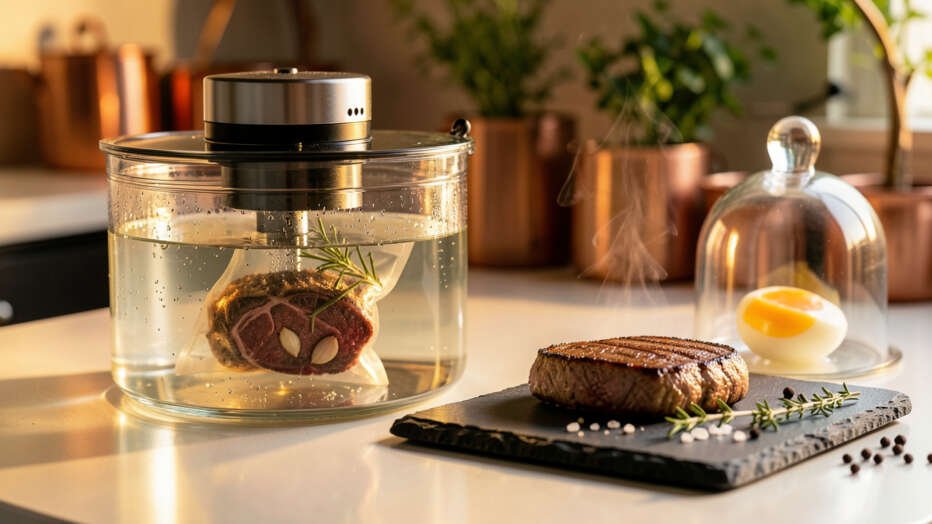
This means your steak will be medium-rare all the way through, not just in the middle. It takes the guesswork out of cooking.
2. Unbeatable Tenderness for Tougher Cuts
Sous vide is a miracle worker for less expensive, tougher cuts of meat. Think about things like flank steak or pork shoulder. Cooking them slowly at a precise low temperature breaks down the connective tissues.
This makes them incredibly tender and juicy. You get restaurant-quality results without spending a fortune.
3. Enhanced Flavor and Juiciness
When food is sealed in a bag, all its natural juices and flavors are trapped. Nothing escapes into the cooking water or the air. This means your food is more flavorful and much juicier.
Marinades and seasonings also penetrate the food better during the sous vide process.
4. No More Overcooking or Undercooking
This is a huge benefit for home cooks. With traditional methods, it’s easy to accidentally cook food too much or not enough. Sous vide removes this worry.
Once the food reaches the target temperature, it stops cooking. You can leave it in the water bath for a while longer without ruining it. This adds a lot of flexibility to your meal prep.
5. Meal Prep Made Easy
Sous vide is fantastic for busy people. You can cook your food completely in advance. Then, chill it in the bag.
When you’re ready to eat, you just need to quickly sear it in a pan or on a grill. This takes only a few minutes. It means you can have a delicious, perfectly cooked meal ready on a weeknight without much effort.
6. Saves Money on Groceries
By making tougher cuts of meat wonderfully tender, sous vide allows you to buy more affordable options. You don’t have to splurge on prime cuts to get amazing taste and texture. This method can significantly reduce your grocery bill over time while still giving you high-quality meals.
7. Increased Food Safety
Cooking food at precise temperatures for specific times can also improve food safety. For example, cooking chicken to 165°F (74°C) ensures it’s safe to eat. Sous vide can hold foods at temperatures that kill bacteria without overcooking them.
This is especially helpful for foods that are hard to cook evenly.
8. Versatility for Different Foods
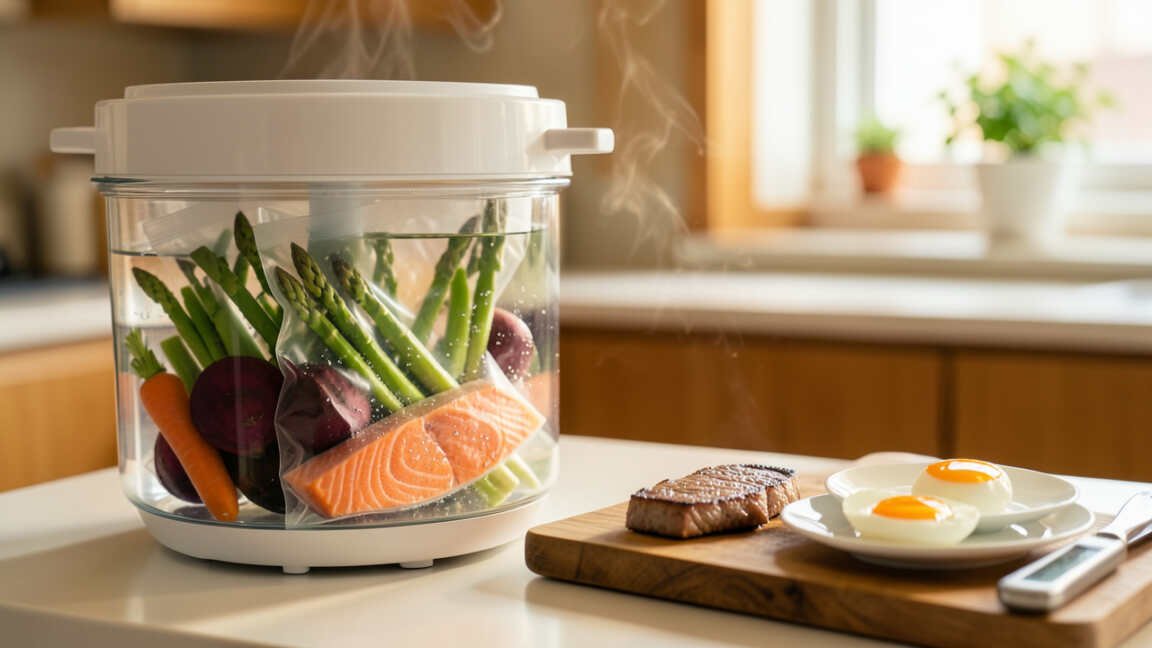
Sous vide isn’t just for steaks and chicken. You can cook fish, vegetables, eggs, and even desserts using this method. Fish comes out incredibly moist and flaky.
Vegetables retain their color and nutrients. Eggs can be cooked to a perfect custardy texture. The possibilities are truly vast.
The Equipment You Need
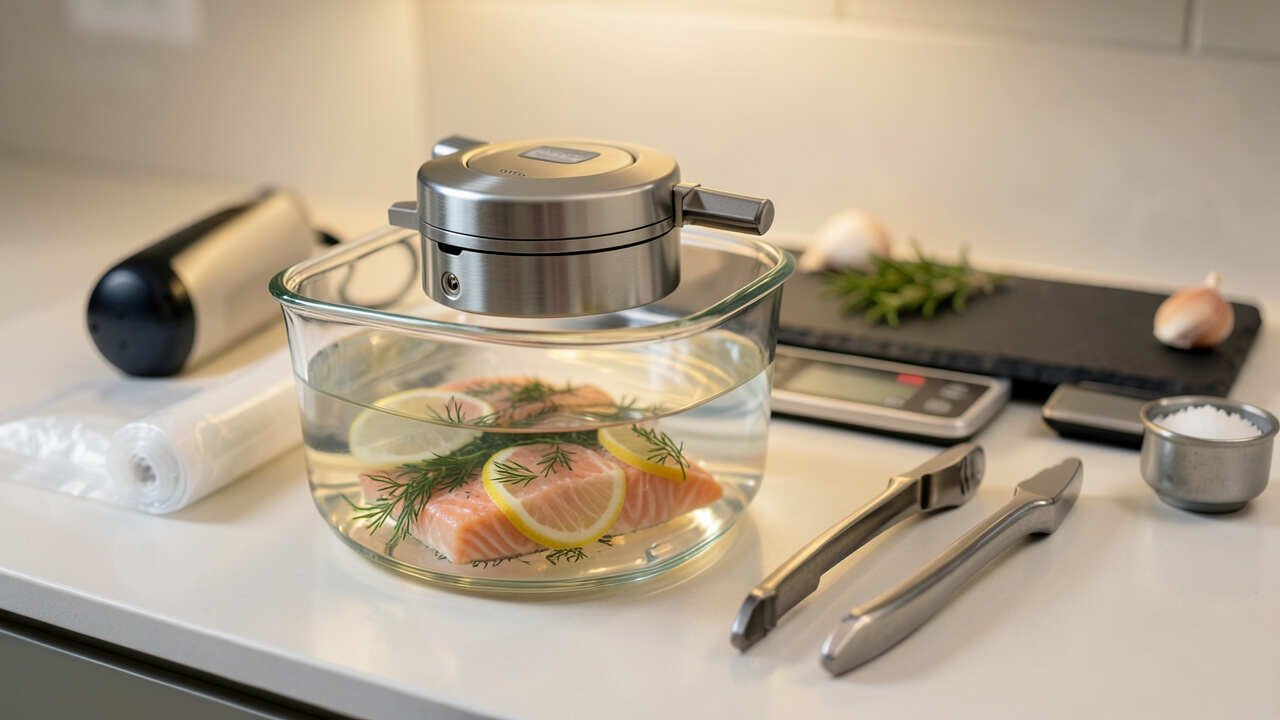
Getting started with sous vide is simpler than you might think. You’ll need a few key pieces of equipment. An immersion circulator is essential.
This device clips onto a pot and heats and circulates the water. You’ll also need vacuum-seal bags and a vacuum sealer, or you can use sturdy, food-grade zip-top bags.
Many pots can work for the water bath. You can even buy dedicated sous vide water containers. These are designed to fit immersion circulators perfectly and keep the water temperature stable.
Sous Vide vs. Traditional Cooking Methods
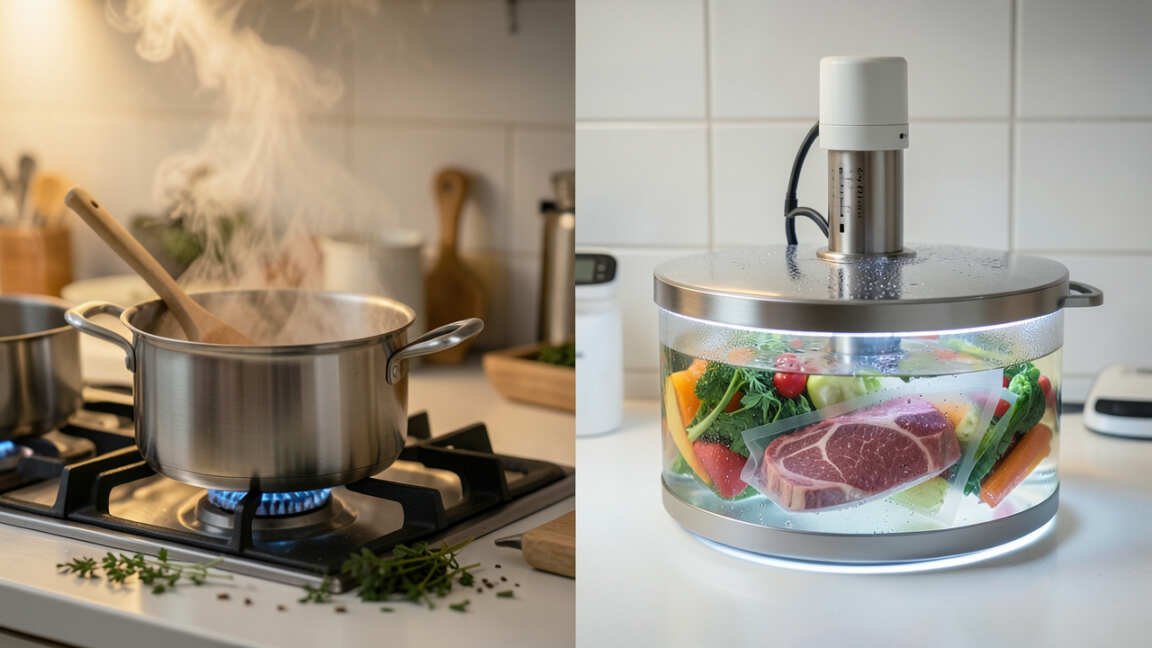
Let’s quickly compare sous vide to how we usually cook. With pan-searing, you get a great crust, but the inside can be uneven. Grilling offers smoky flavor but can easily lead to dry meat if not watched closely.
Baking can be good for even cooking, but it doesn’t give the same control over doneness as sous vide.
| Cooking Method | Pros | Cons |
|---|---|---|
| Sous Vide | Precise temperature control, consistent results, tenderizes meat, retains moisture. | Requires special equipment, lacks a crust without searing, can take longer for some foods. |
| Pan-Searing | Fast, creates a nice crust, good for quick meals. | Hard to control doneness evenly, can dry out food, prone to overcooking. |
| Grilling | Smoky flavor, nice char marks, good for outdoor cooking. | Very dependent on heat control, easy to overcook, can be inconsistent. |
| Baking | Even cooking for larger items, hands-off cooking for some dishes. | Can dry out food, doesn’t always provide the best texture for meats, limited control over internal doneness. |
Tips for Success with Sous Vide
To get the most out of your sous vide cooking, keep a few things in mind. Always ensure your food is properly sealed in the bag to prevent water from getting in. If using zip-top bags, try to remove as much air as possible.
You can do this by submerging the bag in water, leaving the zipper slightly open, letting the water push out the air, then sealing it completely.
Don’t forget the final sear! After your food has finished its time in the water bath, a quick sear in a hot pan or on the grill adds a delicious crust and enhances the flavor. Use a high-heat oil or butter for best results.
Experiment with different herbs and aromatics in the bag to add extra layers of flavor.
Frequently Asked Questions
Question: Is sous vide cooking difficult for beginners?
Answer: Not at all! While it might seem technical, sous vide is actually very forgiving and easy to learn. The precise temperature control means you’re less likely to make mistakes, making it great for beginners.
Question: What kind of food can I cook with sous vide?
Answer: You can cook almost anything! It’s famous for steaks and chicken, but also works wonderfully for fish, pork, lamb, vegetables, eggs, and even desserts like custards.
Question: Do I need fancy equipment?
Answer: You’ll need an immersion circulator and some bags. While there are special containers, a regular pot works fine to start. You can use a vacuum sealer or even strong zip-top bags.
Question: How long does sous vide take?
Answer: Cooking times can vary. Simple items like fish might take an hour. Thicker cuts of meat might need a few hours.
However, much of this time is hands-off.
Question: Do I still need to sear my food after sous vide?
Answer: For many foods, like steak or chicken, searing after the water bath adds a delicious crust and extra flavor. For some items, like delicate fish or vegetables, searing might not be necessary.
Final Thoughts
The 8 Benefits of Sous Vide Cooking at Home show how this method can change your kitchen. You get perfect, juicy food every time. It makes tough meats tender and saves you time and money.
You can even impress your friends with restaurant-quality meals. Starting is simple. Just get an immersion circulator and try it.
You’ll be amazed at the delicious results you can achieve with so little effort. Enjoy your cooking!

![9 Drinks You Can Make With A Milk Frother[1]](https://creativehouseblog.com/wp-content/uploads/2026/04/9_Drinks_You_Can_Make_With_A_Milk_Frother1-768x448.jpg)
![Spring Home Maintenance Checklist to Start the Year Right[1]](https://creativehouseblog.com/wp-content/uploads/2026/05/Spring_Home_Maintenance_Checklist_to_Start_the_Year_Right1-768x403.jpg)
![Toaster vs Toaster Oven Which Is Best[1]](https://creativehouseblog.com/wp-content/uploads/2026/03/Toaster_vs_Toaster_Oven_Which_Is_Best1-768x448.jpg)
![7 Juicing Mistakes That Waste Ingredients[1]](https://creativehouseblog.com/wp-content/uploads/2026/04/7_Juicing_Mistakes_That_Waste_Ingredients1-768x448.jpg)
![6 Reasons Your Espresso Tastes Bitter[1]](https://creativehouseblog.com/wp-content/uploads/2026/04/6_Reasons_Your_Espresso_Tastes_Bitter1-768x448.jpg)
![How to Test and Reset a Tripped Circuit Breaker Safely[1]](https://creativehouseblog.com/wp-content/uploads/2026/05/How_to_Test_and_Reset_a_Tripped_Circuit_Breaker_Safely1-768x403.jpg)