
Ten easy recipes for a bread maker include versatile options such as basic white, whole wheat, sourdough, and sweet loaves like cinnamon raisin, all designed for simplicity and minimal hands-on time. The primary advantage is that bread makers automate the mixing, kneading, proofing, and baking processes, requiring only that users add ingredients in a specified order before selecting a preset cycle. These recipes demonstrate how accessible home baking can be, allowing anyone to produce consistent, fresh bread with straightforward ingredients and automatic operation.
Making bread at home might sound tricky, but it’s simpler than you think! Lots of people wonder if things like 10 Easy Recipes You Can Make in a Bread Maker are really as easy as they seem. Some recipes can be tough for beginners.
But don’t worry! We’ll walk through everything step-by-step, making it super easy. Get ready to bake some amazing bread!
Key Takeaways
- Bread makers are simple appliances that help you bake fresh bread with minimal effort.
- You can make many types of bread, from basic white to whole wheat and even sweet loaves, in a bread maker.
- Using a bread maker often involves adding ingredients in a specific order.
- Bread makers do most of the work, from kneading to baking.
- There are many 10 Easy Recipes You Can Make in a Bread Maker that are perfect for beginners.
- This guide provides simple steps and clear instructions for successful bread making.
Your Bread Maker: A Simple Guide to Delicious Bread
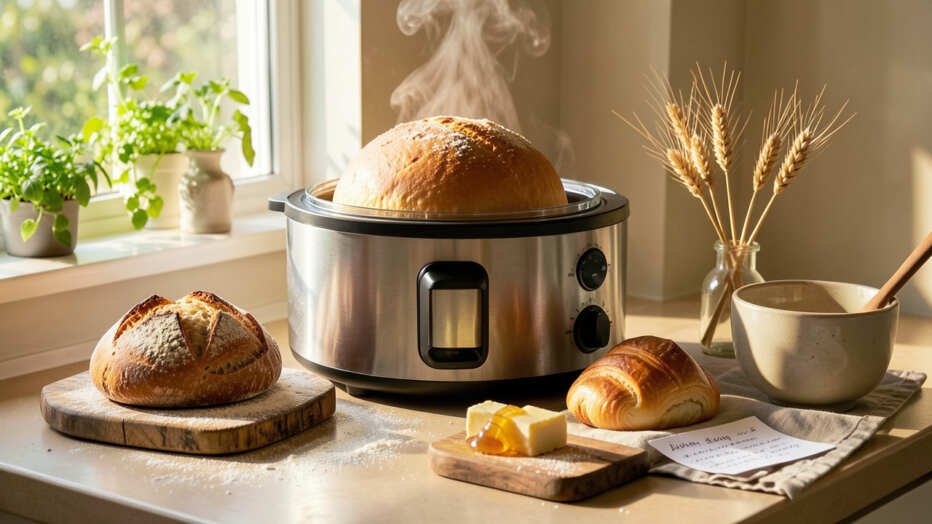
Having a bread maker can change your kitchen game. It’s an appliance designed to make baking bread easy for everyone. You just add your ingredients, press a few buttons, and let the machine do the rest.
This means fresh, warm bread is always within reach, without hours of kneading or complicated steps.
How Bread Makers Work
A bread maker is a clever device. It has a heating element to bake the bread and a motor to turn the kneading paddle. Most machines have pre-set cycles for different types of bread.
You put the ingredients in, select the cycle, and the machine handles everything else. It mixes, kneads, rises, and bakes the bread all in one pot.
Why Bread Makers Are Great for Beginners
For beginners, bread making can seem hard. There are many steps, and getting the dough just right takes practice. A bread maker removes most of this guesswork.
It controls the kneading time and temperature, which are key to good bread. This means you can get great results even if you’ve never baked before.
Getting Started: The Basic Order of Ingredients
Most bread maker recipes have a common order for adding ingredients. This order helps the machine work correctly. Usually, you add liquids first, like water or milk.
Then come the soft ingredients, such as oil or butter. Next are the dry ingredients, like flour and sugar. Finally, the yeast is added last, often in a small well made in the flour.
This keeps the yeast from touching the liquids too early.
Basic White Bread Recipe
This is a classic for a reason. It’s simple and always a hit.
- 1 ¼ cups water
- 2 tablespoons butter or oil
- 3 cups bread flour
- 2 tablespoons sugar
- 1 teaspoon salt
- 2 teaspoons active dry yeast
Add ingredients in the order listed. Select the ‘Basic’ or ‘White’ cycle on your bread maker. Use a medium crust setting if your machine has one.
Whole Wheat Bread Recipe
Whole wheat bread is healthier and has a nice nutty flavor. It can be a bit denser than white bread.
- 1 ¼ cups warm water
- 2 tablespoons olive oil
- 3 cups whole wheat flour
- 2 tablespoons honey or brown sugar
- 1 teaspoon salt
- 2 teaspoons active dry yeast
Follow the same ingredient order. Choose the ‘Whole Wheat’ cycle if your machine has it, or a ‘Basic’ cycle.
Sweet Dough Recipes
Bread makers can also make sweet doughs for cinnamon rolls or sweet breads. These often have more sugar and butter.
- 1 cup milk
- ¼ cup butter, melted
- ¼ cup sugar
- 1 egg
- 3 ½ cups bread flour
- 1 teaspoon salt
- 2 teaspoons active dry yeast
Place ingredients in the pan. Liquids, then butter, sugar, egg, flour, salt, and yeast last. Use the ‘Sweet’ or ‘Dough’ setting if available.
Quick Breads and Quick Bakes
Some bread makers have a ‘Quick’ setting. This bakes bread faster, but the texture might be different.
For a quick white bread, you might use slightly less flour or more yeast. Always check your bread maker’s manual for specific quick bread recommendations.
No-Knead Bread Dough
Some recipes are designed to be very simple. They might require minimal kneading or just mixing.
Many bread maker recipes are inherently “no-knead” for the user, as the machine handles the kneading itself. The trick is to ensure the correct flour and yeast amounts for the machine’s cycles.
Bread Machine Ratios are Important
The amounts of flour, water, yeast, and salt are critical. Too much or too little of any can change the outcome. Always measure accurately.
Bread makers work best with recipes designed specifically for them.
Understanding Your Bread Maker Settings
Different machines have different settings. Common ones include ‘Basic’, ‘Whole Wheat’, ‘Sweet’, ‘Dough’, and ‘Rapid’ or ‘Quick’.
The ‘Basic’ cycle is for standard white and wheat breads. ‘Whole Wheat’ bakes denser loaves. ‘Sweet’ is for breads with more sugar.
‘Dough’ just mixes and kneads, so you can remove the dough to bake in an oven. ‘Rapid’ bakes faster but can sometimes result in a less ideal texture.
Tips for Success
Always use fresh ingredients, especially yeast. Make sure your flour is the right type, usually bread flour for best results. Measure liquids and dry ingredients carefully.
Room temperature ingredients often work well. If your kitchen is very cold, your dough might take longer to rise. Some bread makers have a ‘Delay’ timer, which is great for waking up to fresh bread.
Troubleshooting Common Issues
If your bread is dense, you might have used too much liquid or not enough yeast. If it’s dry and crumbly, perhaps too much flour or not enough liquid. If the top is sunken, it could be too much liquid or yeast, or the machine’s pan was overfilled.
Recipe Variations
Once you get comfortable, try adding seeds, nuts, cheese, or herbs to your dough. You can mix these in during the last few minutes of kneading, if your machine allows, or add them when the machine signals. Some machines have an “add-in” signal.
No-Gluten Options
Some bread makers have a ‘Gluten-Free’ setting. These recipes use special flour blends. You’ll need to find recipes made specifically for gluten-free bread machine baking.
Frequently Asked Questions
Question: Can I use all-purpose flour in my bread maker?
Answer: While you can use all-purpose flour for some recipes, bread flour is generally recommended. Bread flour has a higher protein content, which helps create a better texture and rise in bread, especially in a bread maker.
Question: What is the best order to add ingredients to a bread maker?
Answer: The most common order is: liquids first, followed by butter or oil, then dry ingredients like flour, sugar, and salt. Yeast is usually added last, in a small well on top of the flour, to prevent it from activating too soon.
Question: My bread machine bread is always dense. What am I doing wrong?
Answer: A dense loaf can happen for a few reasons. Make sure you are measuring your ingredients accurately, especially flour and liquids. Using too much flour or not enough yeast are common culprits.
Ensure your yeast is fresh and hasn’t expired.
Question: Can I use my bread maker to make pizza dough?
Answer: Yes, many bread makers have a ‘Dough’ cycle. This setting mixes and kneads the dough but does not bake it. You can then remove the dough, shape it, and bake it in your oven.
Question: How do I clean my bread maker?
Answer: Always unplug the bread maker before cleaning. The bread pan and kneading paddle are usually removable and can be washed by hand with warm, soapy water. Wipe down the exterior with a damp cloth.
Never immerse the entire bread maker in water.
Final Thoughts
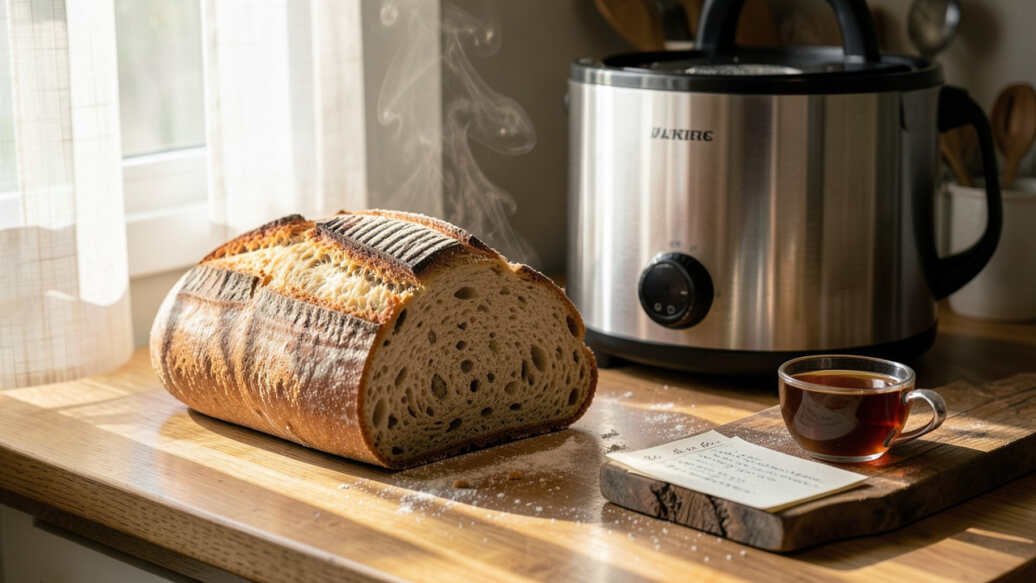
Making your own bread at home is very rewarding. With a bread maker, it’s easier than you might think. You can create delicious loaves of white, whole wheat, and even sweet breads with simple steps.
Just follow the recipes and your machine will do most of the work. Get ready to enjoy fresh, homemade bread anytime you want.

![10 Healthy Meals You Can Make Using Steam Cooking[1]](https://creativehouseblog.com/wp-content/uploads/2026/04/10_Healthy_Meals_You_Can_Make_Using_Steam_Cooking1-768x448.jpg)
![10 Common Espresso Mistakes Beginners Make[1]](https://creativehouseblog.com/wp-content/uploads/2026/04/10_Common_Espresso_Mistakes_Beginners_Make1-768x448.jpg)
![How to Spot Failing Roof Flashing Before Leaks[1]](https://creativehouseblog.com/wp-content/uploads/2026/05/How_to_Spot_Failing_Roof_Flashing_Before_Leaks1-768x403.jpg)
![How to Protect Pipes From Freezing in Winter[1]](https://creativehouseblog.com/wp-content/uploads/2026/05/How_to_Protect_Pipes_From_Freezing_in_Winter1-768x403.jpg)
![What Foods Should Not Go in a Food Processor[1]](https://creativehouseblog.com/wp-content/uploads/2026/03/What_Foods_Should_Not_Go_in_a_Food_Processor1-768x448.jpg)