
Beginners often make seven key mistakes with baking machines, such as neglecting the manual, using incorrect ingredients, or overfilling the chamber. These errors typically stem from a lack of familiarity with the machine's specific requirements and measurements. Properly reading instructions, measuring precisely, and adhering to capacity limits are essential steps to prevent uneven baking and ensure reliable, delicious results.
Starting with baking machines can feel a bit tricky at first. There are some common hiccups that many new bakers run into, and knowing about them can save you a lot of frustration. Don’t worry, though!
This post will walk you through the 7 Baking Machine Mistakes Beginners Make. We’ll break down each one in a simple way and show you how to fix them so you can bake with confidence. Let’s get started on making your baking adventures much smoother.
Key Takeaways
- You’ll learn about common errors beginners make with baking machines.
- Discover how to properly prepare your machine and ingredients.
- Understand the importance of correct settings and timing.
- Find out how to avoid common problems like uneven baking or dough issues.
- Gain confidence in using your baking machine for delicious results.
- Learn simple tips to troubleshoot and improve your baking.
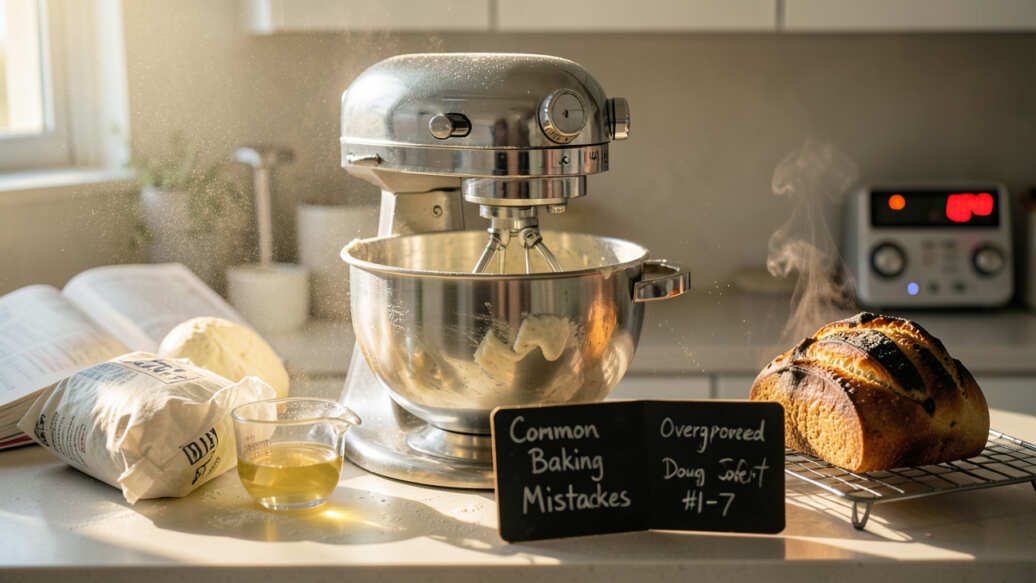
Understanding Common Baking Machine Challenges
Baking machines are wonderful tools. They can make things like bread, cakes, and cookies much easier. But when you’re new to using them, it’s easy to make a few common mistakes.
These aren’t big problems, just little things that can happen. Knowing these pitfalls helps you avoid them. This way, you get great results every time you bake.
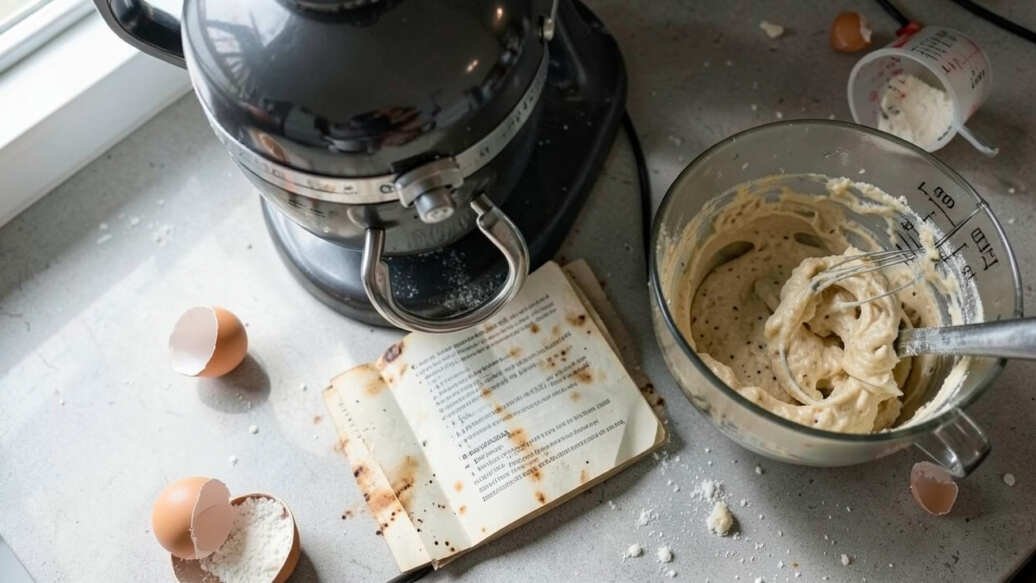
Mistake 1: Not Reading the Manual
Why It’s a Problem
It might sound boring, but the instruction manual is your best friend. It tells you exactly how your specific machine works. Skipping this step is like trying to assemble furniture without the instructions.
You might guess what to do, but you could end up doing it wrong.
How to Fix It
Take a few minutes to read the manual. Pay attention to sections on setup, cleaning, and basic operation. Most manuals are written to be easy to follow.
They often have diagrams that help a lot.
Mistake 2: Using the Wrong Ingredients or Measurements
Why It’s a Problem
Baking is a science. When you use a machine, it expects ingredients in a certain order and amount. Too much flour, not enough liquid, or using the wrong type of yeast can ruin your bake.
Machines rely on precise amounts to work correctly.
How to Fix It
Always measure your ingredients carefully. Use measuring cups for dry goods and liquid measuring cups for liquids. Spoon flour into your cup and level it off with a straight edge.
Make sure you are using the exact ingredients called for in the recipe. If your machine has a specific order for adding ingredients, follow it.
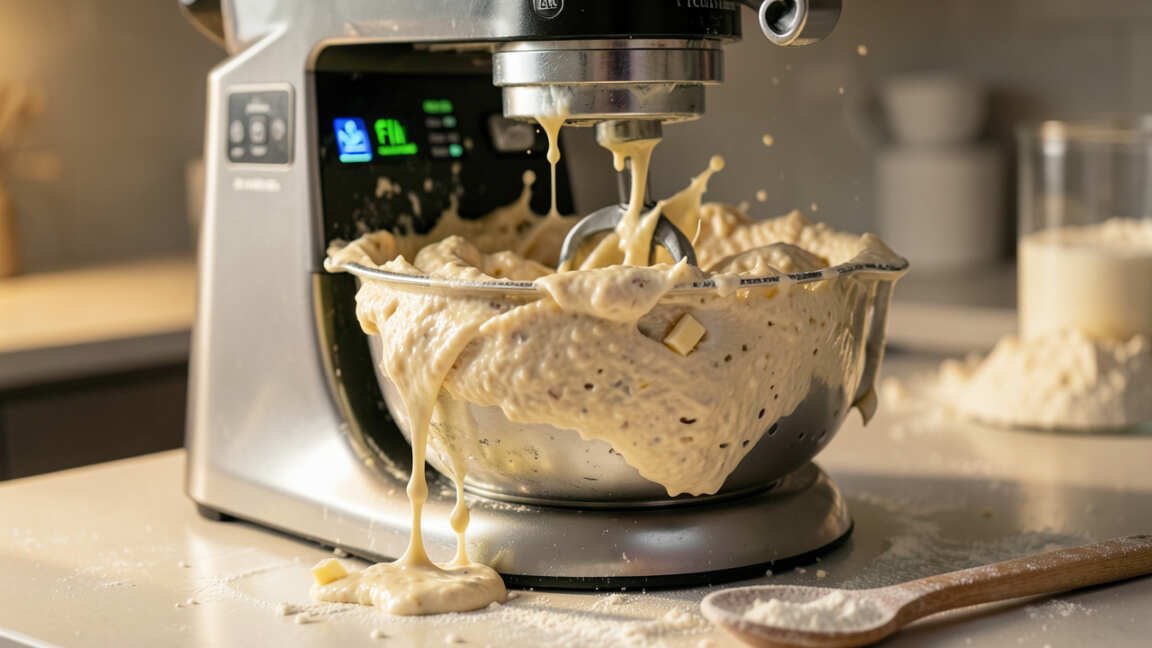
Mistake 3: Overfilling the Machine
Why It’s a Problem
It’s tempting to make a bigger batch. But most baking machines have a limit. If you put too much dough or batter inside, it can overflow.
This makes a mess and can damage the machine. It also means your food might not bake evenly.
How to Fix It
Check the maximum capacity of your machine. Recipes will usually say what size batch they are for. If you want more, it’s better to bake in two separate batches.
This ensures everything bakes properly and keeps your machine clean.
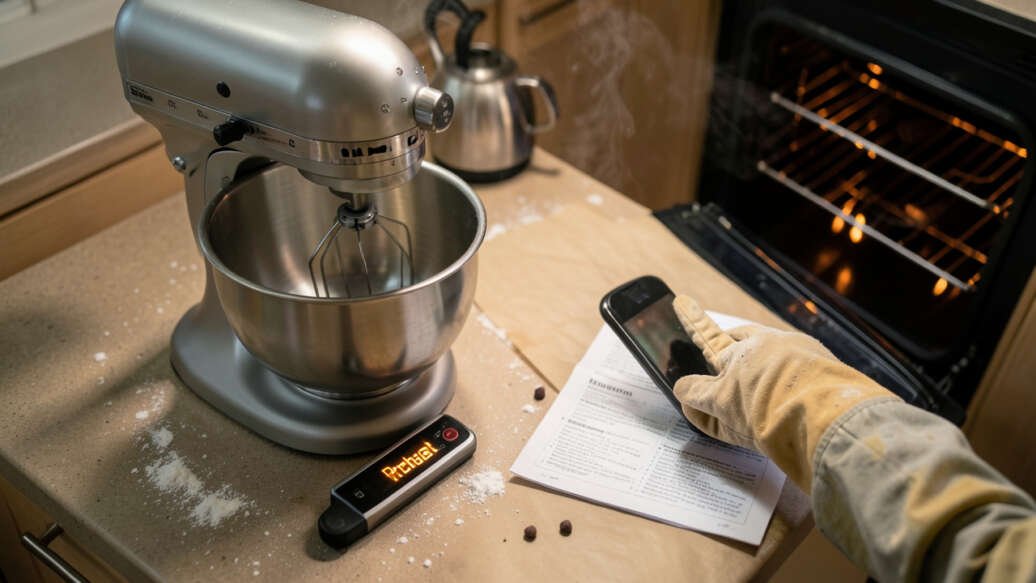
Mistake 4: Not Preheating (When Necessary)
Why It’s a Problem
Some baking machines, like bread makers, don’t need preheating. But others, like certain types of ovens or specialized baking appliances, do. If you put your batter in before it’s hot enough, your cake might not rise properly or bake through.
This leads to a dense, uncooked center.
How to Fix It
Always check your recipe or machine’s instructions. If preheating is required, let the machine reach the correct temperature before adding your ingredients. Most ovens have a light that turns off when they are ready.
Give it the full time it needs.
Mistake 5: Ignoring Cleaning Instructions
Why It’s a Problem
After baking, it’s easy to just put the machine away. But leftover bits of food can cause problems later. They can affect the taste of your next bake or even cause the machine to malfunction.
Proper cleaning keeps your machine working well for a long time.
How to Fix It
Clean your baking machine right after you use it, once it has cooled down. Follow the manufacturer’s cleaning advice. Usually, this means wiping down surfaces with a damp cloth.
Removable parts can often be washed. Make sure everything is dry before storing.
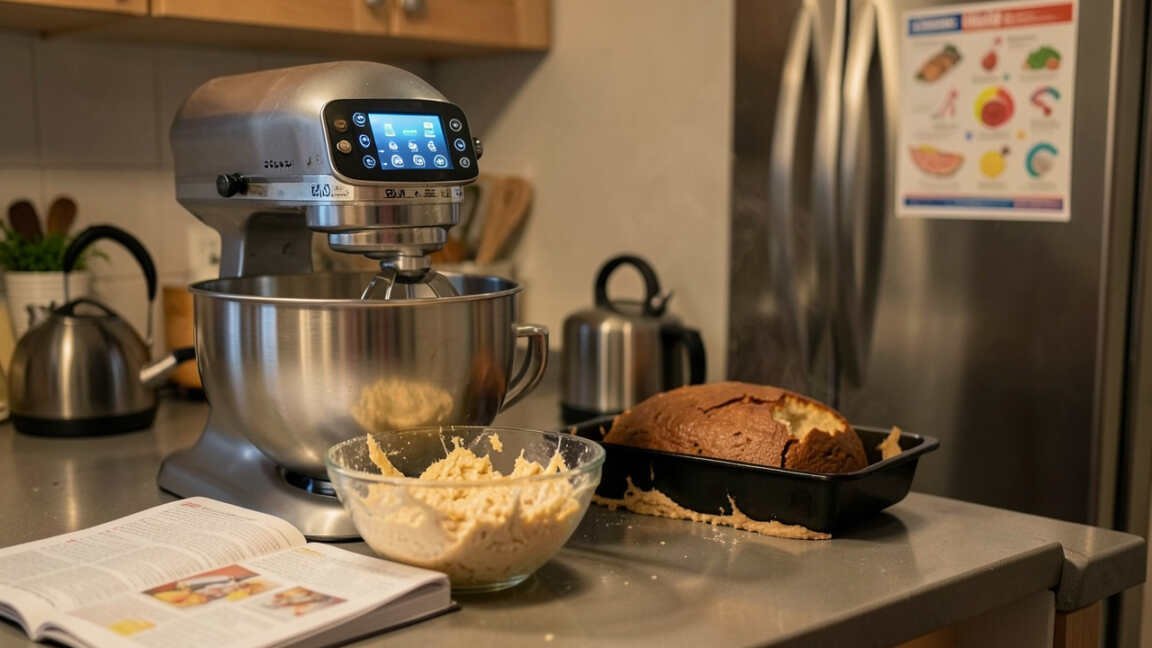
Mistake 6: Using the Wrong Settings or Cycle
Why It’s a Problem
Baking machines often have different settings for different types of food. Using the “cake” setting for bread, or the “dough” cycle for a finished loaf, will not give you good results. The machine mixes, kneads, and bakes differently for each cycle.
How to Fix It
Match the machine’s setting to what you are making. Read the recipe carefully to see which cycle it recommends. If you’re unsure, refer to your machine’s manual.
It will explain what each setting is for.
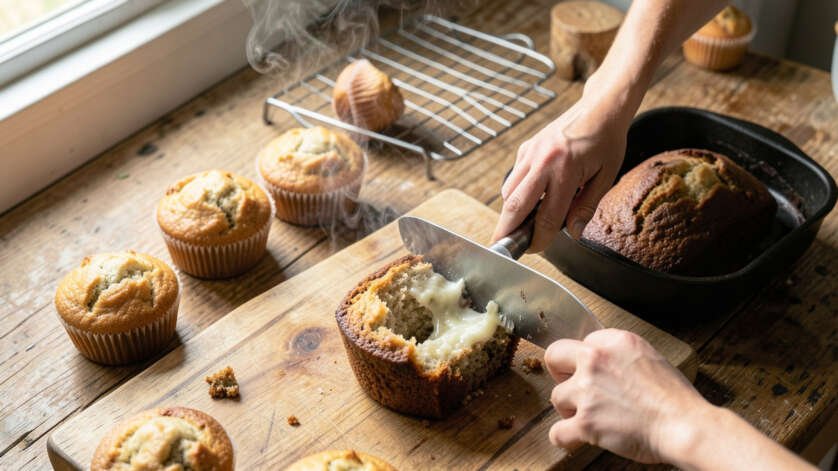
Mistake 7: Not Letting Baked Goods Cool Properly
Why It’s a Problem
The smell of fresh bread or cake is amazing! It’s hard to wait. But cutting into a hot loaf or cake can be a disaster.
The inside is still very delicate and can collapse or seem gummy. It needs time to set and firm up.
How to Fix It
Follow the cooling times suggested in your recipe. For bread, let it cool on a wire rack for at least 20-30 minutes before slicing. For cakes, let them cool in the pan for a bit, then transfer them to a rack.
This allows steam to escape and the structure to stabilize.
Frequently Asked Questions
Question: How do I know if I’ve overfilled my bread machine?
Answer: Usually, the dough will rise up and touch the top of the machine’s window or lid. If you see dough creeping up the sides excessively, it’s likely too much.
Question: Can I use self-rising flour in a recipe that calls for all-purpose flour and baking powder?
Answer: It’s best to stick to the flour specified. Self-rising flour has salt and leavening agents already mixed in, which can change the outcome.
Question: My bread from the machine is too dense. What could be wrong?
Answer: This could be due to several things: using too much flour, not enough liquid, the yeast being old, or selecting the wrong cycle. Double-check your measurements and ingredient freshness.
Question: How often should I clean my baking machine?
Answer: It’s best to clean it after every use, especially any removable parts that come into contact with food. This prevents buildup and ensures better performance.
Question: What is the difference between a “dough” cycle and a “bake” cycle on a bread maker?
Answer: The “dough” cycle mixes and kneads the dough, then allows it to rise. The “bake” cycle (or sometimes a separate bake function) cooks the dough into bread. You often use the dough cycle if you plan to shape the dough yourself before baking.
Final Thoughts
You’ve learned about the 7 Baking Machine Mistakes Beginners Make. These are common issues, but they are easy to fix. By reading your manual, measuring carefully, and following instructions, your baking will get much better.
Pay attention to filling levels, use the right settings, and always let your baked goods cool down. With these simple steps, you’ll bake with more success and enjoy delicious results from your machine.

![6 Reasons Your Crepes Tear Or Stick[1]](https://creativehouseblog.com/wp-content/uploads/2026/04/6_Reasons_Your_Crepes_Tear_Or_Stick1-768x448.jpg)
![7 Electric Kettle Mistakes You Should Avoid[1]](https://creativehouseblog.com/wp-content/uploads/2026/04/7_Electric_Kettle_Mistakes_You_Should_Avoid1-768x448.jpg)
![9 Reasons Your Ice Maker Isn’T Working Properly[1]](https://creativehouseblog.com/wp-content/uploads/2026/04/9_Reasons_Your_Ice_Maker_IsnT_Working_Properly1-768x448.jpg)
![10 Sweet & Savoury Crepe Variations[1]](https://creativehouseblog.com/wp-content/uploads/2026/04/10_Sweet__Savoury_Crepe_Variations1-768x448.jpg)
![How Induction Cooktops Work Explained Simply[1]](https://creativehouseblog.com/wp-content/uploads/2026/03/How_Induction_Cooktops_Work_Explained_Simply1-768x448.jpg)
![10 Creative Things You Can Make In A Waffle Maker[1]](https://creativehouseblog.com/wp-content/uploads/2026/04/10_Creative_Things_You_Can_Make_In_A_Waffle_Maker1-768x448.jpg)