
The top 10 items you should never put in a garbage disposal are fibrous vegetables, coffee grounds, eggshells, pasta, rice, fruit pits, seeds, grease, oil, and fat, as these materials can cause significant plumbing problems. These substances do not break down properly, leading to clogged pipes, jammed blades, and potential motor burnout that can expensive repairs. To maintain your disposal, scrape plates into the trash and use the cold water method for incidental small food particles that are safe for the unit.
So, you’ve got a garbage disposal and want to keep it working well. It’s pretty easy to use, but there are a few things that can cause trouble. Thinking about 10 Things You Should Never Put in a Garbage Disposal might seem tricky at first.
Don’t worry, though! We’ll go through it step by step. Get ready to learn what to avoid and keep your sink running smoothly.
Key Takeaways
- You’ll learn which common kitchen scraps can harm your garbage disposal.
- We’ll explain why certain items are bad for the disposal unit.
- Discover simple ways to prepare food waste before disposal.
- Find out how to deal with items that accidentally go down the drain.
- Understand the importance of proper disposal use for your plumbing.
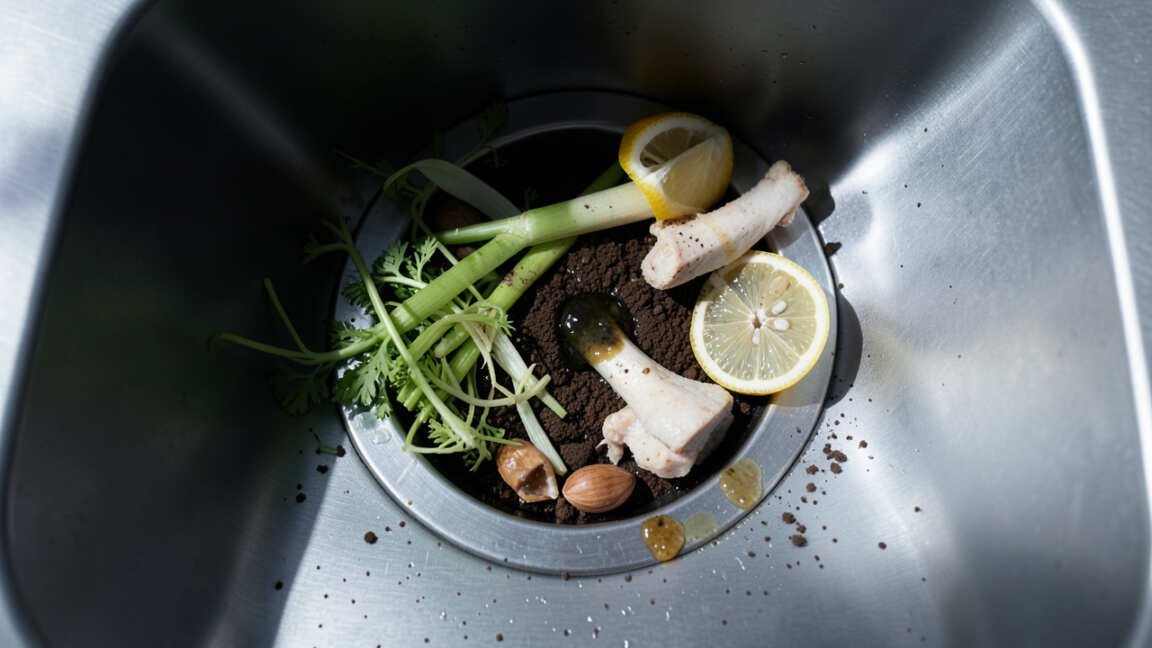
Why Garbage Disposals Need a Little Care
Garbage disposals are super handy kitchen tools. They help get rid of food scraps quickly. But, they aren’t magic machines.
They have limits, just like anything else. Putting the wrong things down can cause clogs, damage the blades, or even break the motor. Knowing what to avoid is key to a long-lasting disposal.
Common Mistakes New Users Make
Many people learn about their garbage disposal by trial and error. This often means discovering the hard way that something shouldn’t have gone in. It’s easy to think that most food waste can just be scraped down the drain.
However, some foods are fibrous, starchy, or expand with water, making them a problem.
The goal is to make using your disposal simple and safe. We want you to feel confident about what you’re putting down there. Let’s look at the top offenders and why they’re on the list of 10 Things You Should Never Put in a Garbage Disposal.
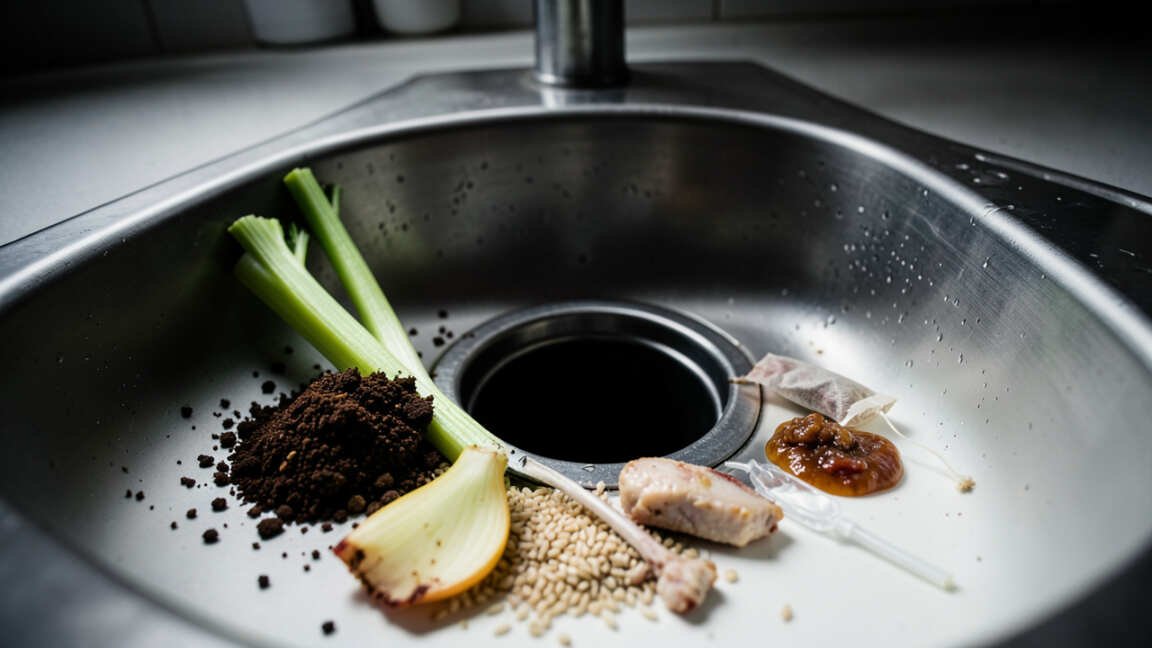
The Top 10 No-Nos for Your Garbage Disposal
Keeping your garbage disposal happy means knowing its enemies. These are the items that can cause the most trouble. Let’s break them down one by one.
1. Fibrous Vegetables
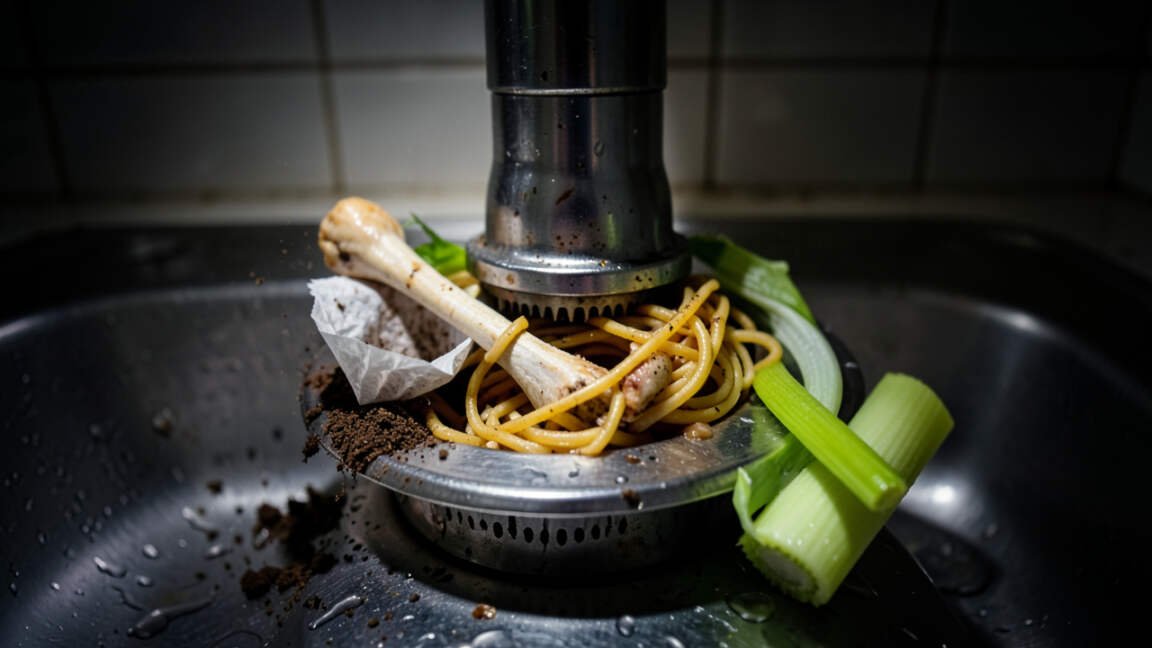
Things like celery, asparagus, corn husks, and rhubarb have long, stringy fibers. When these get into the disposal, they don’t break down easily. Instead, they wrap around the grinding blades.
This is like a tangled mess that can jam the motor.
Over time, these fibers build up. They can create a clog deep in your pipes. It’s better to compost these or throw them in the trash.
2. Coffee Grounds
Coffee grounds might seem small and harmless. However, they are very fine and can accumulate. They don’t really break down; they just sort of collect in the pipes.
Think of them like sand building up in a drain.
Over time, a large amount of coffee grounds can create a serious clog. This is especially true if you use your disposal a lot for other things.
3. Eggshells
Eggshells have a thin, membrane-like lining. When ground up, this membrane can stick to the disposal blades and the sides of the grinding chamber. The grit from the shell itself can also build up.
Many people think eggshells help sharpen the blades, but this is mostly a myth. They are more likely to cause a sticky residue that attracts other gunk.
4. Pasta and Rice
Starchy foods like pasta, rice, and even oatmeal can be problematic. When these grains get wet, they expand. If you put them down the disposal, they can swell up in your pipes.
This makes them much harder to clear out.
Imagine a sponge soaking up water and getting bigger. That’s what pasta and rice can do in your drain. They turn into a sticky paste that can cause stubborn clogs.
5. Fruit Pits and Seeds
Large fruit pits from peaches, plums, or avocados, and hard seeds from cherries or mangoes, are too tough for most disposals. The grinding mechanism isn’t designed to break these down. They can jam the blades or even chip them.
Even smaller seeds like apple seeds can be a problem if you put a lot of them down. They can accumulate and create blockages over time.
6. Grease, Oil, and Fat
This is a big one. Pouring grease, oil, or fat down the garbage disposal is a recipe for disaster. When hot, these liquids go down easily.
But as they cool, they solidify. This creates a greasy film on the inside of your pipes.
This sticky film traps other food waste, leading to serious clogs. It’s one of the most common reasons for plumbing problems related to disposals.
7. Bones
Small, soft bones might not seem like a big deal. However, even small bones can be tough. They can dull or damage the grinding blades.
Larger bones can easily jam the disposal completely.
The disposal’s motor might try to grind them, but it’s not built for that kind of hardness. It’s best to put bones in the trash or compost bin.
8. Nuts and Popcorn Kernels
Nuts are hard and can be tough on the disposal’s grinding parts. Popcorn kernels, especially unpopped ones, are also hard. If you grind a lot of them, they can build up and cause clogs, much like rice or pasta.
They don’t break down well and can add to the gunk that accumulates in your pipes.
9. Citrus Peels and Other Rinds
While the scent of citrus peels can be refreshing, their rinds are tough and fibrous. They don’t grind easily and can get caught in the mechanism. Think of them like a tough piece of string.
Other tough rinds, like those from melons or squash, are also best avoided. They are too hard and can tax the disposal’s motor.
10. Non-Food Items
This might seem obvious, but people sometimes accidentally drop things like silverware, bottle caps, or even small toys down the disposal. These items can cause serious damage. Metal objects can chip or break the blades.
Small items can jam the mechanism.
Always be mindful of what’s in your sink when you’re using the disposal. A quick check can save you a lot of trouble.
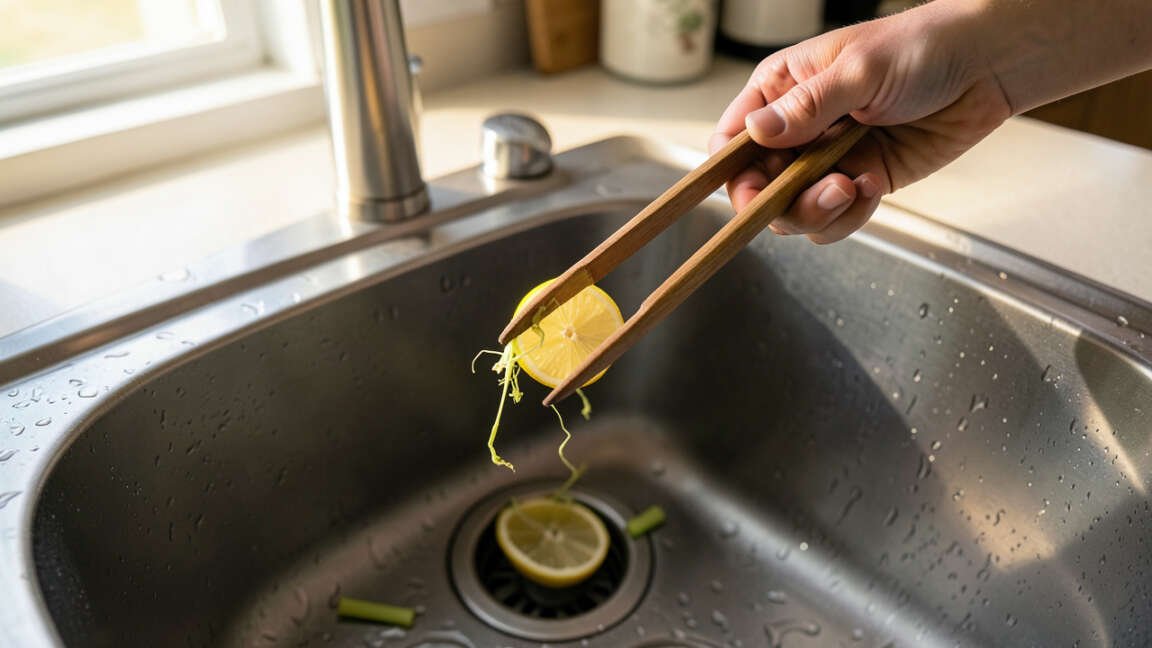
What to Do If You Make a Mistake
Accidents happen! If you accidentally put one of these items down the disposal, don’t panic. First, turn off the disposal immediately.
Never put your hand into the disposal unit.
If you can see the item and safely remove it with tongs or pliers, do so. If the disposal seems jammed, try turning off the power switch at the wall outlet. Then, you might be able to use an Allen wrench (often provided with the disposal) to manually turn the motor shaft and dislodge the obstruction.
If you’re unsure or the problem persists, it’s best to call a plumber. They have the tools and expertise to safely clear the blockage.
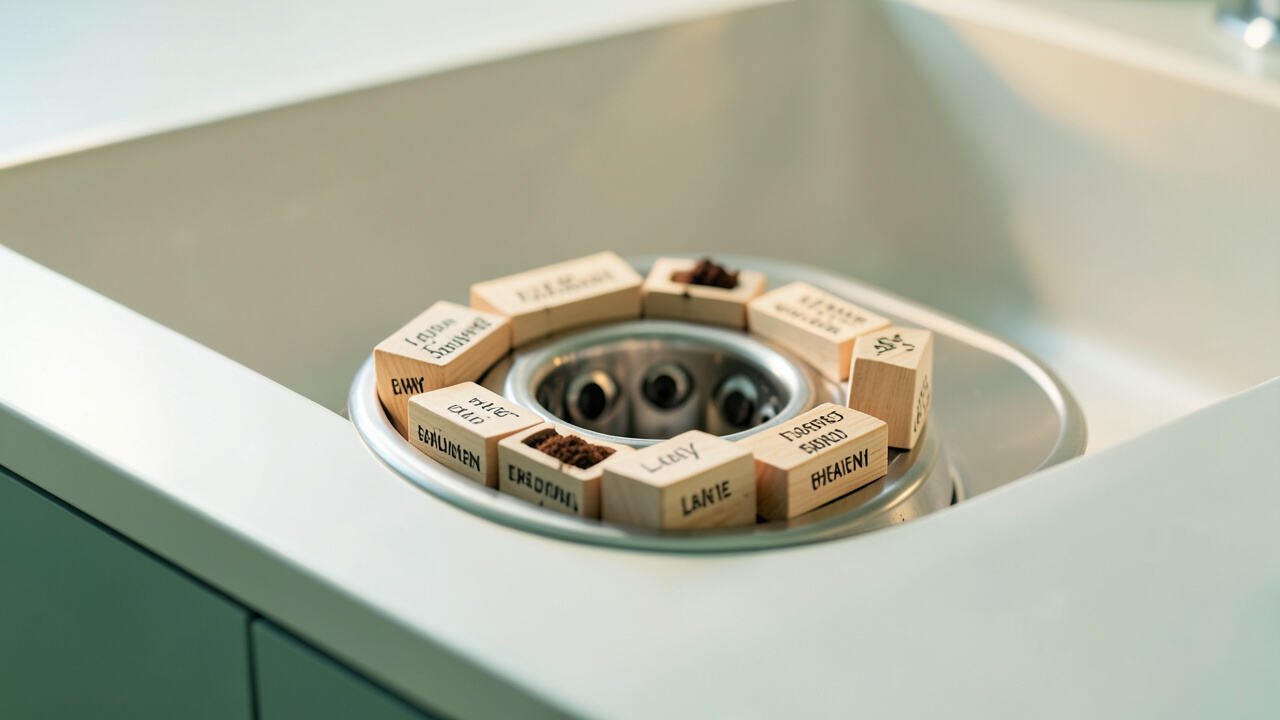
Proper Disposal Use for a Happy Sink
Using your garbage disposal correctly is simple. Always run cold water before, during, and after using the disposal. Cold water helps solidify any grease or oil, making it easier for the disposal to chop it up and flush it away.
Feed food waste into the disposal gradually. Don’t try to force large amounts in at once. Let the disposal grind the waste completely before turning off the water.
Scrape plates into the trash or compost bin first. Only use the disposal for small amounts of food scraps that are not on the “never put in” list. Regular cleaning with ice cubes or a citrus peel can help keep the unit fresh, but remember, these are for cleaning, not for grinding large quantities.
Frequently Asked Questions
Question: Can I put potato peels in my garbage disposal?
Answer: It’s generally best to avoid putting large amounts of potato peels in your garbage disposal. They are starchy and can break down into a paste that can clog pipes, similar to rice or pasta.
Question: Is it okay to put small amounts of fruit seeds in the disposal?
Answer: While a single cherry pit might not cause immediate damage, it’s wise to avoid putting any fruit pits or seeds into your garbage disposal. They are hard and can dull the blades or cause jams.
Question: How often should I clean my garbage disposal?
Answer: You can clean your garbage disposal regularly, perhaps once a month. Running ice cubes through it followed by a citrus peel can help freshen it up and remove minor buildup.
Question: What if my garbage disposal smells bad?
Answer: Bad smells are often due to food particles trapped in the grinding chamber. Try running cold water with a few tablespoons of baking soda and a splash of vinegar through the disposal. You can also use ice cubes and citrus peels.
Question: Can I put paper products or plastic in the disposal?
Answer: No, absolutely not. Paper products and plastics are not biodegradable and will not break down. They can cause severe clogs and damage the disposal and your plumbing system.
Final Thoughts
Keeping your garbage disposal in good working order is mostly about knowing what doesn’t belong. By avoiding things like fibrous vegetables, coffee grounds, starches, and grease, you protect the blades and pipes. Simple habits, like using cold water and not overloading the unit, make a big difference.
Follow these tips, and your disposal will serve you well for years. Enjoy a cleaner kitchen without the plumbing headaches.

![How Rice Cookers Work Explained Simply[1]](https://creativehouseblog.com/wp-content/uploads/2026/03/How_Rice_Cookers_Work_Explained_Simply1-768x448.jpg)
![6 Ways To Reduce Energy Use In Cooling Appliances[1]](https://creativehouseblog.com/wp-content/uploads/2026/04/6_Ways_To_Reduce_Energy_Use_In_Cooling_Appliances1-768x448.jpg)
![Electric Kettle vs Stove Kettle A Simple Choice[1]](https://creativehouseblog.com/wp-content/uploads/2026/03/Electric_Kettle_vs_Stove_Kettle_A_Simple_Choice1-768x448.jpg)
![Are Air Fryers Healthy A Quick Guide[1]](https://creativehouseblog.com/wp-content/uploads/2026/03/Are_Air_Fryers_Healthy_A_Quick_Guide1-1-768x448.jpg)
![How to Spot Failing Roof Flashing Before Leaks[1]](https://creativehouseblog.com/wp-content/uploads/2026/05/How_to_Spot_Failing_Roof_Flashing_Before_Leaks1-768x403.jpg)
![10 Tips To Get Perfect Crispy Pizza At Home[1]](https://creativehouseblog.com/wp-content/uploads/2026/04/10_Tips_To_Get_Perfect_Crispy_Pizza_At_Home1-768x448.jpg)