
Using a water filter at home delivers improved taste and odor while removing contaminants like lead and chlorine, which contributes directly to healthier drinking water. This practice also provides significant cost savings by eliminating the need for bottled water purchases and reduces environmental plastic waste. Overall, it is a practical investment that offers immediate advantages for personal health, culinary quality, and household sustainability.
Thinking about getting a water filter for your home? It’s a smart move! Many people wonder if it’s worth it or where to even start.
It might seem like a lot to learn at first, but we’re here to make it super simple. We’ll walk you through it step-by-step. Ready to discover why clean water matters so much?
Let’s get to the good stuff and see the 8 Benefits of Using a Water Filter at Home.
Key Takeaways
- You’ll taste and smell a big difference in your water.
- Filters help remove harmful stuff like lead and chlorine.
- You can save money by not buying bottled water.
- Filtered water is better for your health.
- It helps protect the planet by reducing plastic waste.
- Your cooking and drinks will taste better.
Why Clean Water Matters
Tap water is usually safe to drink, but it can still have things in it you don’t want. Things like chlorine, which is used to kill germs, can affect how your water tastes and smells. Sometimes, old pipes can add metals like lead to the water.
Water filters work by taking these things out. They make your water cleaner and healthier.
The 8 Benefits of Using a Water Filter at Home
1. Better Taste and Smell
This is one of the most noticeable benefits. Chlorine and other contaminants can make tap water taste and smell unpleasant. When you use a water filter, these things are removed.
Your water will taste fresh and clean, like water should. You might even find yourself drinking more water because you enjoy it so much.
2. Healthier Drinking Water
Water filters remove a variety of impurities. This can include things like lead, mercury, pesticides, and bacteria. These contaminants can be harmful to your health over time.
By filtering your water, you create a safer drinking supply for yourself and your family. This is especially important for children and the elderly, who can be more sensitive to contaminants.
3. Cost Savings
Buying bottled water can get expensive very quickly. Think about how many bottles you buy each week or month. A good water filter system is a one-time purchase that lasts a long time.
The cost of filter replacements is much less than constantly buying bottled water. You’ll save money in the long run and still have great-tasting water.
4. Environmental Friendliness
Plastic water bottles create a lot of waste. They end up in landfills and oceans, harming the environment. When you use a water filter, you stop buying plastic bottles.
This significantly reduces your plastic footprint. It’s a simple way to be kinder to the planet.
5. Better for Cooking and Beverages
The quality of your water affects the taste of your food and drinks. When you cook with filtered water, dishes can taste better. Coffee, tea, and juices made with filtered water also have a cleaner, purer flavor.
You’ll notice a difference in your favorite recipes and drinks.
6. Protects Your Appliances
Minerals in tap water can build up in appliances like coffee makers and kettles. This buildup, called scale, can make them work less efficiently and shorten their lifespan. Some water filters can remove these minerals, helping your appliances last longer and run better.
7. Convenience
Having a water filter at home means you always have clean water readily available. You don’t need to make special trips to the store for bottled water. Just turn on the tap, and you have pure water whenever you need it.
This is a great convenience for busy households.
8. Peace of Mind
Knowing that your family is drinking clean, safe water provides great peace of mind. You can be confident that you’re doing your best to protect their health. This is especially true if you live in an area where water quality concerns are sometimes raised.
Different Types of Water Filters
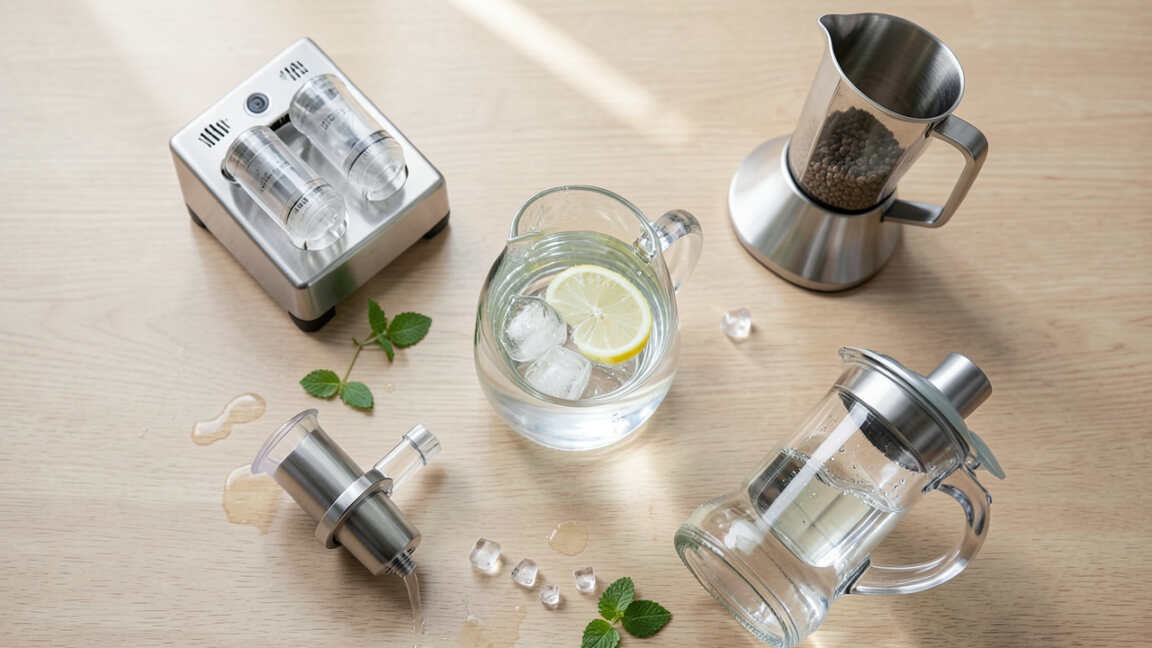
There are several kinds of water filters available for your home. Each works a little differently and has its own pros and cons.
Pitcher Filters
These are very popular and easy to use. You fill the pitcher with tap water, and it drips through a filter into the bottom. They are great for small households and for getting better-tasting drinking water.
They are also very affordable to buy.
Faucet Filters
These attach directly to your kitchen faucet. They are easy to install and provide filtered water on demand. You can usually switch them on and off so you can still use unfiltered water for washing dishes.
They are a good step up from a pitcher.
Under-Sink Filters
These systems are installed under your kitchen sink. They connect to your cold water line and often have their own dedicated faucet. They provide a higher volume of filtered water and can be more effective at removing a wider range of contaminants.
Installation is a bit more involved.
Whole-House Filters
As the name suggests, these filters are installed where the main water line enters your house. This means all the water in your home, from every tap, shower, and appliance, is filtered. This is the most comprehensive solution for water filtration.
What Do Water Filters Actually Remove?
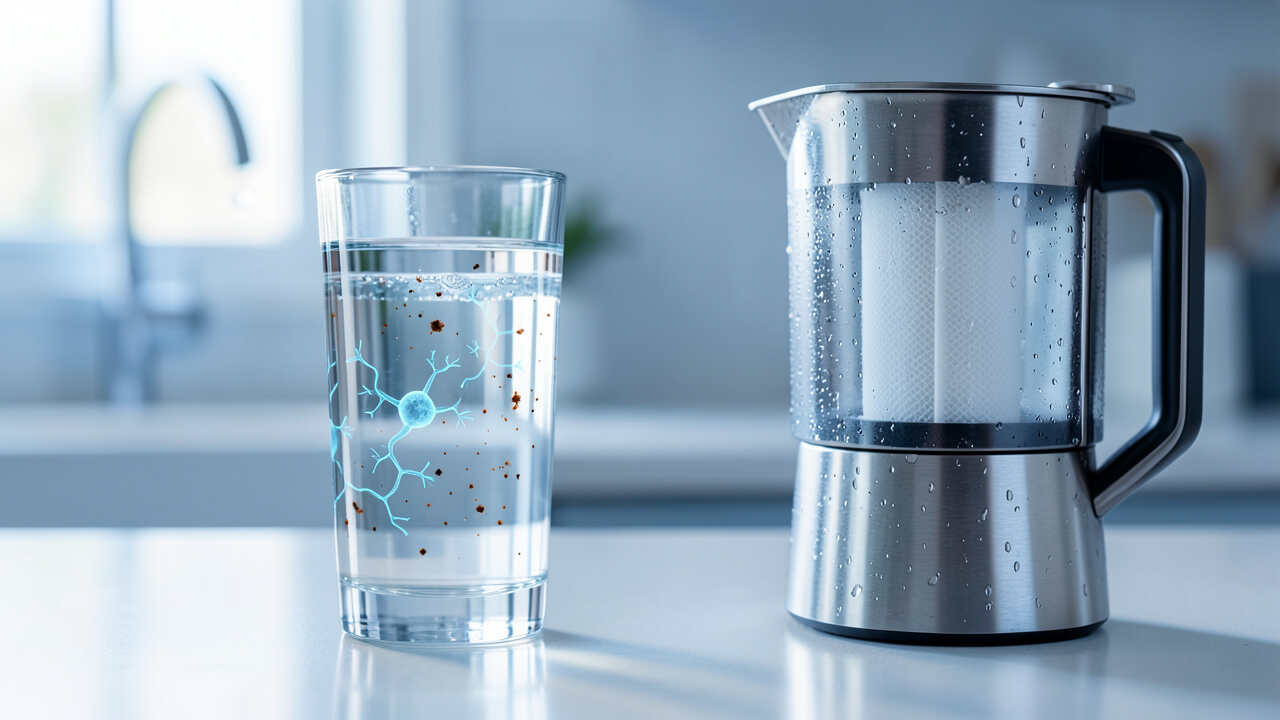
Different filters are designed to remove different things. Common things they help with include:
- Chlorine: Improves taste and smell.
- Lead: A heavy metal that can be harmful.
- Sediment: Sand, rust, and dirt particles.
- Pesticides and Herbicides: Chemicals from farming.
- Volatile Organic Compounds (VOCs): Chemicals from industrial processes.
- Bacteria and Cysts: Microscopic organisms that can cause illness.
Always check the filter’s specifications to see what it’s rated to remove. This helps you choose the best filter for your needs.
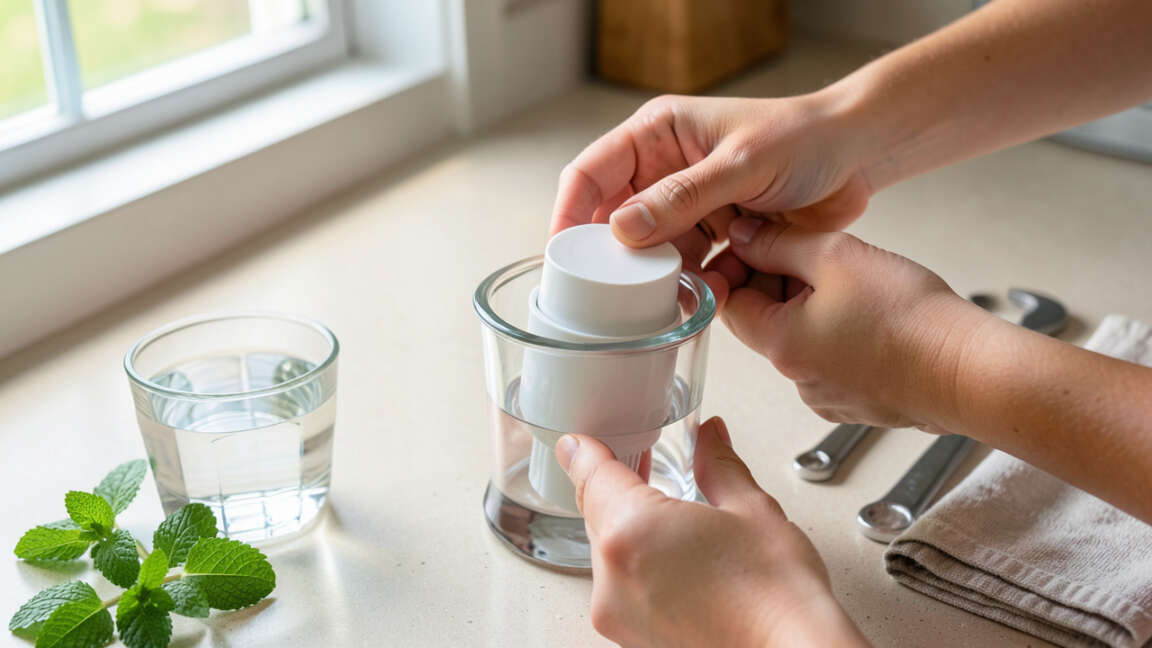
Maintaining Your Water Filter
To keep your water filter working its best, you need to maintain it. The most important thing is to
Some systems may need more cleaning. For pitcher filters, you might wash the pitcher itself. For under-sink or whole-house systems, follow the installation guide for any specific cleaning needs.
Frequently Asked Questions
Question: How often do I need to change a water filter?
Answer: It depends on the type of filter and how much water you use. Most pitcher filters need changing every 2-3 months. Faucet and under-sink filters might last 6 months or longer.
Always check the product’s instructions.
Question: Will a water filter remove all bad things from my water?
Answer: No single filter removes everything. Different filters are made for different contaminants. You need to pick a filter that is certified to remove the specific things you are concerned about in your water.
Question: Is filtered water better than bottled water?
Answer: Often, yes. Filtered water from your tap can be just as good or better than bottled water, and it’s much more eco-friendly and cheaper over time.
Question: Can I install a water filter myself?
Answer: Many simple filters, like pitchers and faucet filters, are very easy to install yourself. Under-sink and whole-house systems may require some basic plumbing skills or professional help.
Question: Does filtering water remove healthy minerals?
Answer: Some filters, like reverse osmosis systems, can remove minerals. However, many common filters, like activated carbon filters, leave healthy minerals in the water. Check the filter’s details to know what it does.
Final Thoughts
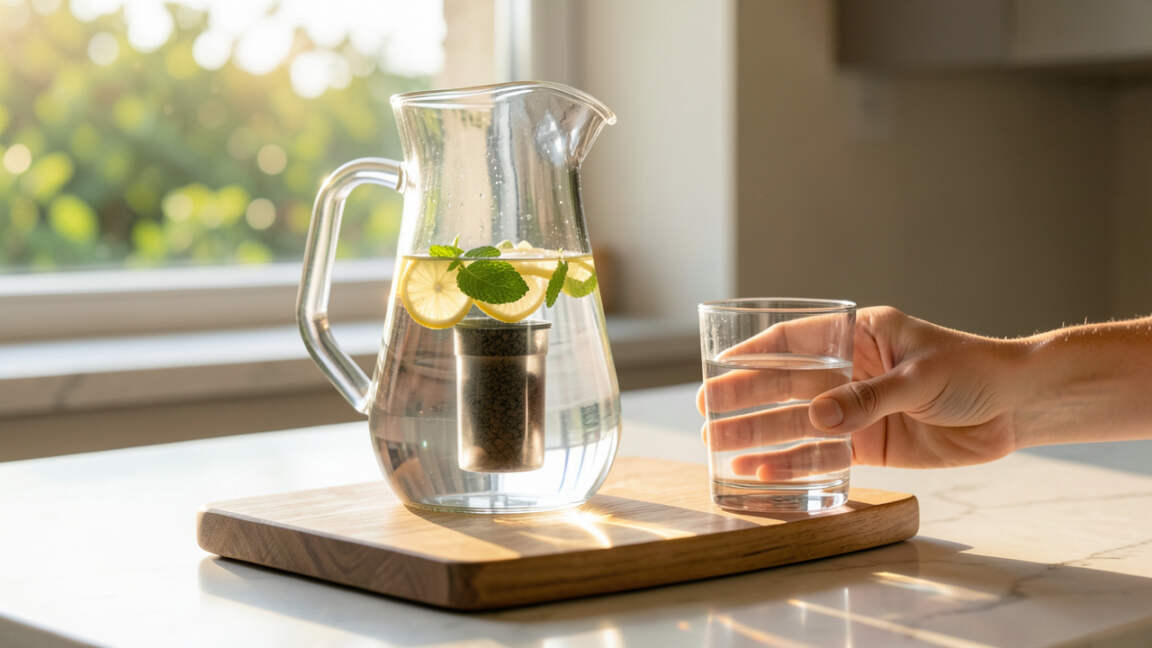
Getting a water filter for your home brings many great advantages. You’ll enjoy better tasting water every day. Your body will thank you for drinking cleaner, healthier water free from harmful stuff like lead and chlorine.
Plus, you’ll save money and help the planet by cutting down on plastic bottles. Making the switch is simple and offers a big improvement to your daily life.

![Manual Versus Automatic Espresso Machines[1]](https://creativehouseblog.com/wp-content/uploads/2026/03/Manual_Versus_Automatic_Espresso_Machines1-768x448.jpg)
![How Long Coffee Makers Last A Simple Guide[1]](https://creativehouseblog.com/wp-content/uploads/2026/03/How_Long_Coffee_Makers_Last_A_Simple_Guide1-768x448.jpg)
![Outdoor Maintenance Jobs To Complete Before Summer Ends[1]](https://creativehouseblog.com/wp-content/uploads/2026/05/Outdoor_Maintenance_Jobs_To_Complete_Before_Summer_Ends1-768x403.jpg)
![Why Air Fryers Cook Food Faster Explained[1]](https://creativehouseblog.com/wp-content/uploads/2026/03/Why_Air_Fryers_Cook_Food_Faster_Explained1-768x448.jpg)
![Why Air Fryers Use Less Oil[1]](https://creativehouseblog.com/wp-content/uploads/2026/03/Why_Air_Fryers_Use_Less_Oil1-768x448.jpg)
![Food Processor Versus Blender A Simple Guide[1]](https://creativehouseblog.com/wp-content/uploads/2026/03/Food_Processor_Versus_Blender_A_Simple_Guide1-768x448.jpg)