
Vacuum sealing significantly extends the freshness and shelf life of various perishable items, including meats, fish, cheese, grains, and coffee beans. The process works by removing air from packaging, which inhibits the growth of mold, bacteria, and oxidation that cause spoilage. This simple method reduces food waste and allows for economical bulk purchasing while preserving flavor, texture, and nutritional value for much longer periods.
Thinking about trying vacuum sealing for your food? It can seem a bit tricky at first, especially when you’re just starting out. But don’t worry!
This guide makes it super simple. We’ll walk you through everything you need to know about 9 Foods That Last Longer with Vacuum Sealing. Get ready to discover how easy it is to keep your food fresh for much longer.
Key Takeaways
- Vacuum sealing removes air to prevent spoilage.
- Many common foods benefit greatly from vacuum sealing.
- Proper sealing techniques ensure maximum freshness.
- Vacuum sealing helps reduce food waste.
- You can save money by buying in bulk and sealing.
- Certain foods require special preparation before sealing.
Understanding Vacuum Sealing for Food
What is Vacuum Sealing?
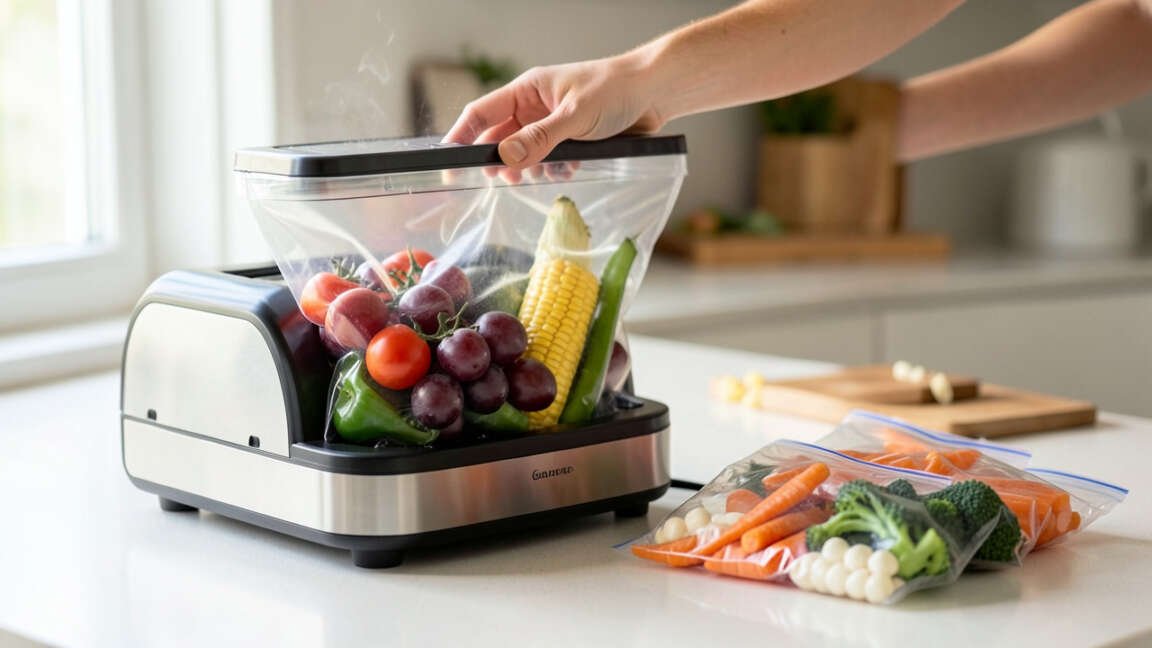
Vacuum sealing is a way to package food by taking out all the air around it. Then, the bag is sealed tightly. This process stops air from getting to the food.
Air is a big reason why food goes bad. It helps mold and bacteria grow. By removing the air, you slow down this process a lot.
This means your food stays fresh for a much longer time.
Why Seal Food?
Sealing food keeps it fresh and tasty. It’s great for storing leftovers. It’s also perfect for buying food in larger amounts.
When you buy in bulk, you often get a better price. If you can store it for longer, you save money. Vacuum sealing also helps prevent freezer burn.
Freezer burn can make food dry and tough. Sealed food looks and tastes better when you’re ready to eat it.
9 Foods That Last Longer with Vacuum Sealing
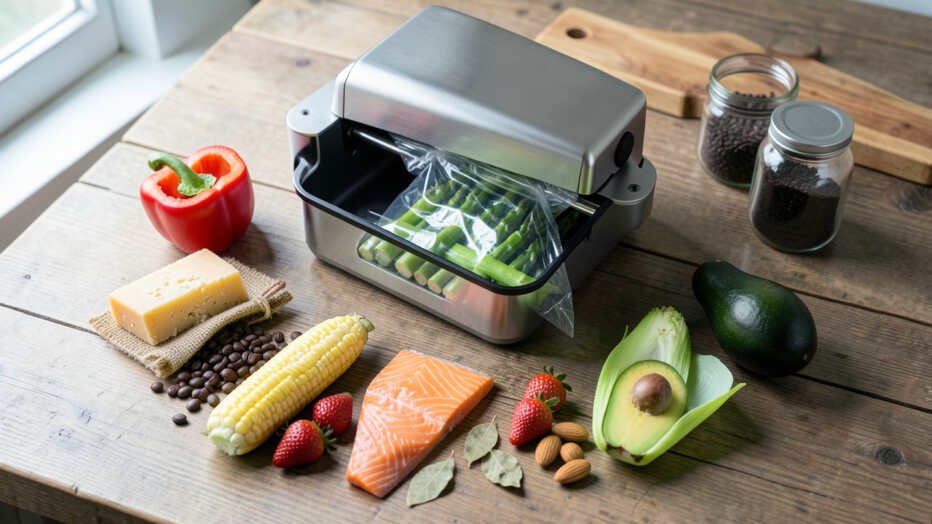
Many everyday foods become much better when vacuum sealed. This method is useful for both fresh and cooked items. Let’s look at some of the best examples.
1. Meats (Raw and Cooked)
Raw meats like steak, chicken, and pork benefit greatly from vacuum sealing. It keeps them from drying out and prevents oxidation. Cooked meats, such as roasted chicken or pulled pork, also stay fresh longer.
This is perfect for meal prepping. You can cook a big batch of meat and seal individual portions. This keeps them safe and delicious for weeks, sometimes even months, in the fridge or freezer.
2. Fish and Seafood
Fish and seafood are very delicate. They spoil quickly. Vacuum sealing removes the air that causes spoilage.
It also helps prevent that strong fishy smell from spreading in your fridge. For raw fish, it’s especially important to seal it right after buying. For cooked seafood, like shrimp or scallops, sealing keeps them tasting like they were just prepared.
3. Cheese
Hard cheeses, like cheddar and parmesan, can last much longer when vacuum sealed. The seal prevents the cheese from drying out or molding. It also stops it from absorbing other smells in the refrigerator.
Softer cheeses might not be ideal for vacuum sealing as the machine can crush them, but firm cheeses do very well.
4. Grains and Pasta
Dry goods like rice, oats, and pasta can last for years when stored properly. Vacuum sealing keeps moisture and pests out. This is especially useful if you live in a humid climate.
You can buy these items in bulk without worrying about them going stale or getting infested.
5. Coffee Beans
Coffee lovers know that freshness is key. Oxygen is the enemy of coffee beans. It makes them lose their flavor and aroma.
Vacuum sealing coffee beans locks in their freshness. This way, every cup you brew tastes rich and full of flavor. It’s a simple trick that makes a big difference.
6. Nuts and Seeds
Nuts and seeds can go rancid quickly. This happens because of their high fat content. Vacuum sealing removes the oxygen that causes this.
Sealed nuts and seeds will stay crunchy and fresh for a very long time. This is great for baking or snacking. You can buy larger bags when they are on sale.
7. Fruits and Vegetables
Many fruits and vegetables can be vacuum sealed to extend their life. Berries, for example, stay fresh longer and don’t get bruised as easily. Leafy greens like spinach and kale also hold up well.
Some vegetables, like carrots or broccoli, are best blanched before sealing to keep their color and nutrients. Others, like onions and garlic, don’t need much prep.
8. Soups and Stews
Homemade soups and stews are perfect for vacuum sealing. Once cooled, you can seal them in individual portions. This makes for quick and easy lunches or dinners.
They can be stored in the refrigerator for much longer than in regular containers. They also freeze very well when sealed.
9. Baked Goods
Cookies, muffins, and even bread can be vacuum sealed. This keeps them from going stale or getting moldy. For delicate baked goods, you might want to freeze them for a short while before sealing.
This helps them keep their shape. Sealed baked goods are great for packing in lunches or for taking on trips.
Preparing Foods for Vacuum Sealing
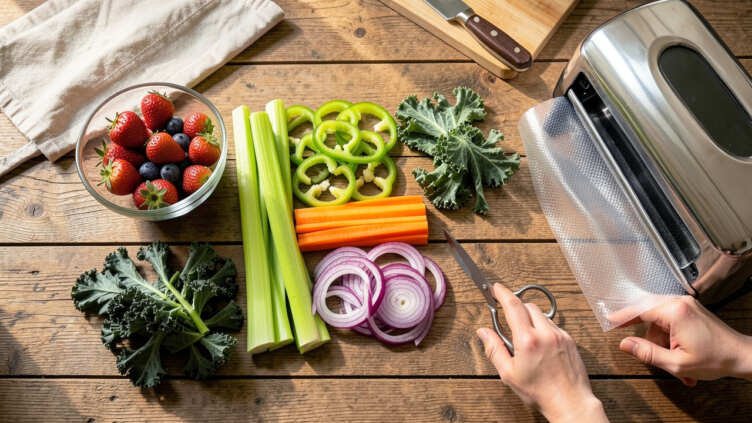
While vacuum sealing is simple, a little preparation can make a big difference. Always make sure your food is cool before sealing. Hot food can melt the plastic bags.
For moist foods, you might want to pat them dry. This helps create a better seal. For some items, like leafy greens, it’s a good idea to freeze them for a short period first.
This prevents the machine from crushing them.
Moist Foods
For foods with a lot of moisture, like cooked chicken or fish, it helps to dab them with a paper towel. You can also place a small paper towel piece inside the bag. This absorbs any extra moisture that might interfere with the seal.
If you are sealing liquids like soup, you may need to freeze them partially first. Or use specific liquid-sealing modes on your machine.
Dry Foods
Dry foods are generally very easy to seal. Things like rice, beans, flour, and pasta just need to be placed in the bag. Make sure there’s no moisture in the bag or around the seal area.
This prevents spoilage and keeps them fresh for a very long time.
Fruits and Vegetables
Some fruits and vegetables release gases or have high water content. For things like broccoli, cauliflower, or berries, it can be helpful to freeze them for an hour or two before sealing. This firms them up.
Blanching is also an option for some vegetables to stop enzyme activity. This preserves their color and nutrients.
Tips for Effective Vacuum Sealing
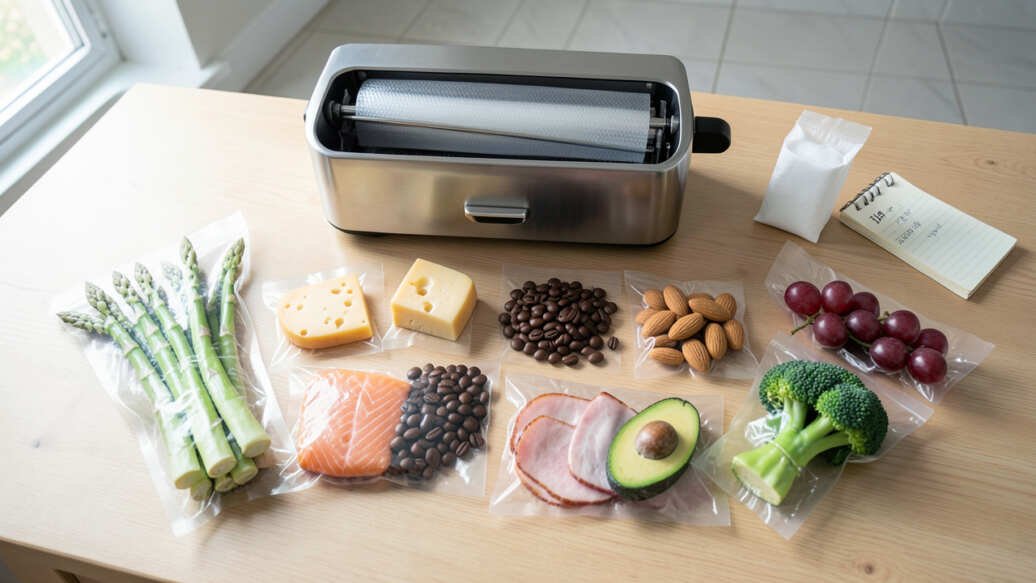
Using a vacuum sealer is straightforward, but a few tips can ensure you get the best results. Always use good quality vacuum seal bags. They are designed to create a strong, airtight seal.
Make sure the sealing strip on your machine is clean. Any food particles can prevent a proper seal.
Bag Placement
When placing your food in the bag, leave enough space at the top. This is called the “headspace.” You need at least three inches of space for the machine to properly seal the bag. Don’t overfill the bags.
This can make sealing difficult and can also damage the food.
Checking Seals
After sealing, take a moment to check the seal. It should look smooth and even all the way across. If you see any wrinkles or gaps, it’s best to reseal the bag.
A poor seal means air can still get in, and your food won’t last as long.
Freezer Storage
For long-term storage, vacuum-sealed foods can go in the freezer. The seal prevents freezer burn. This keeps your food tasting fresh for months.
When you’re ready to use it, you can often cook it directly from frozen, as long as the food item allows it.
Refrigerator Storage
For shorter-term storage, vacuum-sealed foods can be kept in the refrigerator. They will last much longer than if they were stored in their original packaging. This is great for prepped meals or leftovers.
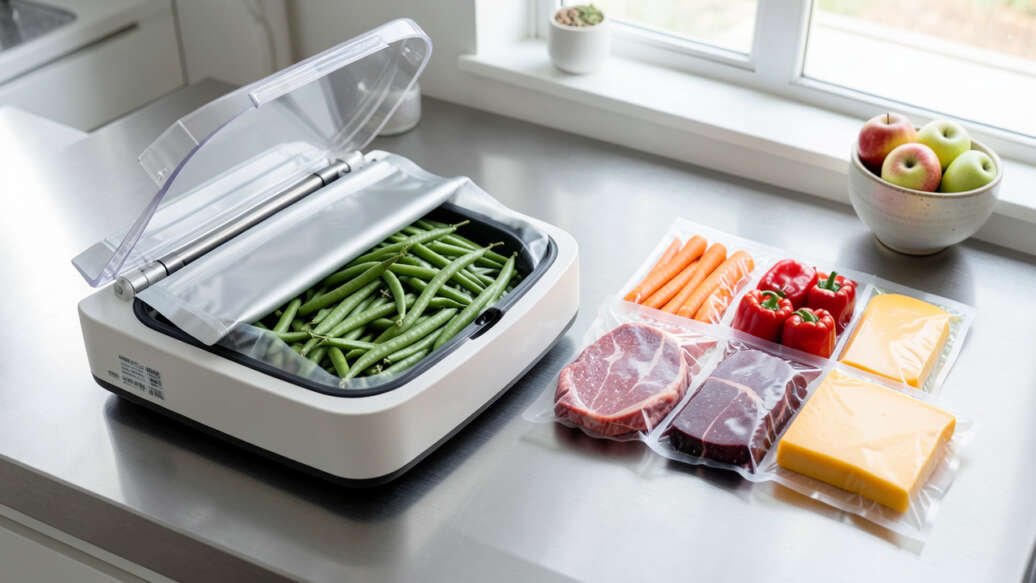
Benefits of Vacuum Sealing
There are many good reasons to start vacuum sealing your food. It’s an easy way to save money and reduce waste.
Reduces Food Waste
When food spoils, it’s a waste of money and resources. Vacuum sealing helps prevent this. By keeping food fresh longer, you’re less likely to throw it away.
This means you get to enjoy all the food you buy.
Saves Money
Buying food in bulk is often cheaper per unit. If you can store that food for longer, you save money over time. You also save money by not having to buy
Convenience
Having pre-portioned, fresh food ready to go is a huge convenience. You can grab a meal from the freezer that tastes like it was just made. It simplifies cooking and meal planning.
Frequently Asked Questions
Question: Can I vacuum seal all types of food?
Answer: While most foods benefit from vacuum sealing, some require special care. Very soft items like berries or delicate baked goods can be crushed. Liquids need to be frozen first or sealed with specific machine settings.
Mushrooms can continue to produce gas even after sealing, so it’s best to use them within a few days or freeze them.
Question: How long does vacuum-sealed food last?
Answer: Vacuum-sealed food lasts significantly longer than food stored in traditional packaging. In the refrigerator, it can last 3-5 times longer. In the freezer, it can last 2-3 years without freezer burn, compared to about 6 months for regular freezer storage.
Question: Do I need a special vacuum sealer for liquids?
Answer: Some vacuum sealers have a special setting for liquids. For standard machines, it’s best to freeze liquids partially or fully before sealing. This prevents them from being sucked into the machine.
Question: Can I reuse vacuum seal bags?
Answer: Generally, vacuum seal bags are designed for single use. While some might seem reusable, it’s not recommended for food safety. Reusing bags could lead to contamination and affect the seal’s integrity.
Question: What’s the difference between vacuum sealing and regular plastic wrap?
Answer: Vacuum sealing removes almost all air, creating an airtight barrier. Plastic wrap only offers a light barrier and doesn’t remove air. This difference is why vacuum-sealed food stays fresh much longer and is protected from freezer burn.
Final Thoughts
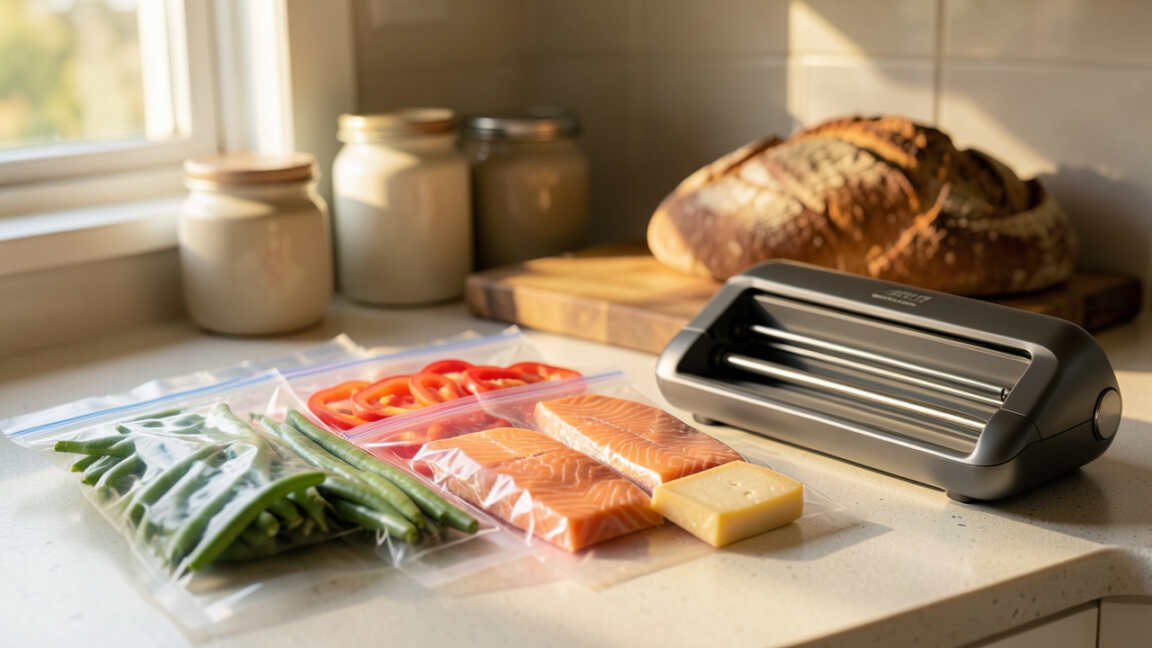
You’ve seen how simple it is to make 9 Foods That Last Longer with Vacuum Sealing. This method keeps your food fresh, prevents waste, and saves you money. From meats and fish to grains and coffee, vacuum sealing offers great benefits for your kitchen.
Just remember to prepare your food properly and check your seals. You’ll be enjoying fresher food for longer periods in no time. Give it a try and see the difference it makes!

![How To Clean A Blender Fast And Easy[1]](https://creativehouseblog.com/wp-content/uploads/2026/03/How_To_Clean_A_Blender_Fast_And_Easy1-768x448.jpg)
![8 Benefits Of Sous Vide Cooking At Home[1]](https://creativehouseblog.com/wp-content/uploads/2026/04/8_Benefits_Of_Sous_Vide_Cooking_At_Home1-768x448.jpg)
![7 Deep Fryer Mistakes That Make Food Soggy[1]](https://creativehouseblog.com/wp-content/uploads/2026/04/7_Deep_Fryer_Mistakes_That_Make_Food_Soggy1-768x448.jpg)
![Why Some Air Fryers Smoke Explained[1]](https://creativehouseblog.com/wp-content/uploads/2026/03/Why_Some_Air_Fryers_Smoke_Explained1-768x448.jpg)
![How to Inspect Your Roof Safely From Ground[1]](https://creativehouseblog.com/wp-content/uploads/2026/05/How_to_Inspect_Your_Roof_Safely_From_Ground1-768x403.jpg)
![10 Easy Recipes You Can Make In A Bread Maker[1]](https://creativehouseblog.com/wp-content/uploads/2026/04/10_Easy_Recipes_You_Can_Make_In_A_Bread_Maker1-768x448.jpg)