
A slow-boiling kettle is typically caused by one of six key issues: scale build-up on the heating element, the volume of water inside, the kettle's age or type, an unstable base connection, a power supply problem, or sediment debris. These factors disrupt efficient heat transfer, forcing the appliance to work harder and longer to reach a boil. The most effective solution is regular descaling to remove mineral deposits, which restores optimal performance and significantly reduces boiling time.
It’s super annoying when your kettle takes ages to boil, right? You’re just trying to get a quick cuppa, but your kettle is moving at a snail’s pace. If you’ve ever wondered why this happens, you’re in the right spot.
This guide will walk you through the 6 Reasons Your Kettle Is Taking Too Long to Boil. Don’t worry, we’ll break it down simply and show you how to fix it. Let’s find out what’s slowing your kettle down.
Key Takeaways
- Mineral buildup is a common cause of slow boiling kettles.
- The amount of water you put in the kettle affects boiling time.
- Kettle age and type can influence how quickly it heats water.
- Scale on the heating element is a primary reason for slower boiling.
- Using a kettle on an unstable surface can hinder performance.
- The power supply can sometimes be a factor in slow heating.
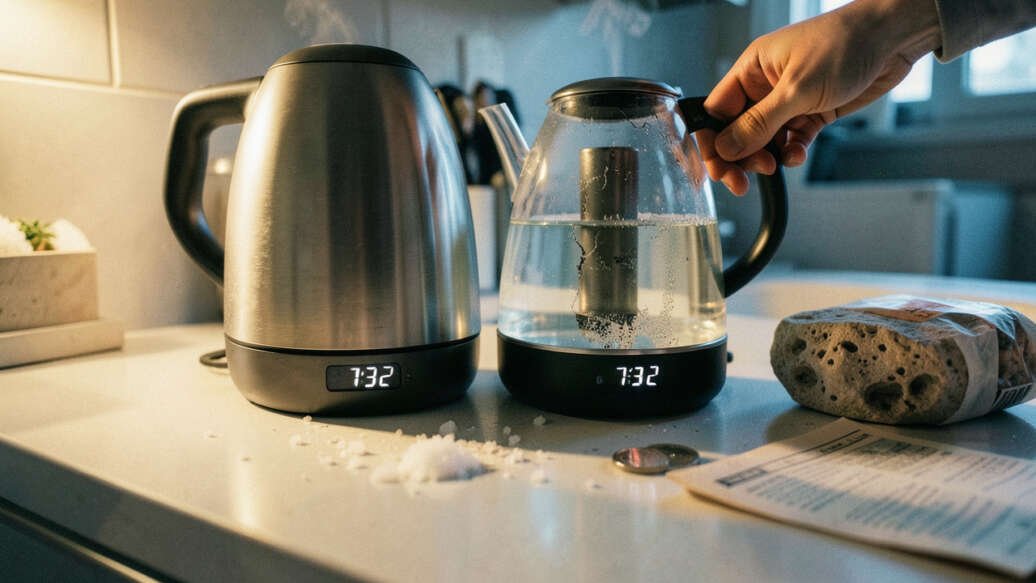
Why Is My Kettle Taking So Long to Boil?
We all love a hot drink, but waiting for the kettle to boil can feel like forever sometimes. You pour the water, flick the switch, and then. nothing happens quickly.
It’s a common frustration, and understanding the reasons behind it can save you time and maybe even a bit of money. Let’s explore the main culprits.
1. Scale Build-Up on the Heating Element
This is probably the most frequent reason your kettle is taking ages to heat up. Over time, minerals in your tap water, like calcium and magnesium, build up inside your kettle. They form a hard layer, called scale or limescale, especially on the metal heating element at the bottom.
Think of it like wearing a thick, insulating glove. This scale layer acts as a barrier between the heating element and the water. The element has to work much harder and longer to transfer heat through the scale to get the water hot.
This means your kettle uses more energy and takes more time to reach a boil.
The more scale you have, the slower it boils. If you live in an area with hard water, you’ll notice this problem more often. Regular cleaning is key to keeping your kettle efficient.
2. The Amount of Water Inside
This one seems obvious, but it’s worth mentioning. The more water you put into your kettle, the longer it will take to heat up and boil. This is basic physics: you need to add more energy to heat a larger volume of water.
Kettles are designed to boil a certain amount of water efficiently. Filling it to the very top means the heating element has a lot more work to do. Conversely, filling it too little might mean the element isn’t fully submerged, which can also cause issues, though this is less common with modern kettles that have minimum fill lines.
Always try to fill your kettle with only the amount of water you need. This saves time and energy. Check the minimum and maximum fill lines marked inside your kettle to ensure you’re using it correctly.
3. Age and Type of Kettle
Like any appliance, kettles don’t last forever. As they get older, their performance can decrease. The heating element might become less efficient, or internal components could start to wear out.
This can lead to longer boiling times.
Different types of kettles also have different heating speeds. For example, an electric kettle with a concealed heating element (where the element is under a metal plate) can sometimes take a little longer to heat than one with an exposed element, mainly due to the extra layer of metal.
Stovetop kettles, while classic, rely on your stove’s heat source. If your stove burner is not very powerful or is set too low, it will take longer to heat the water. Electric kettles generally offer faster boiling times.
4. Power Supply Issues
Sometimes, the problem isn’t with the kettle itself but with how it’s getting its power. A weak or faulty electrical connection can mean the kettle isn’t receiving the full amount of power it needs to heat quickly.
Check the plug and the socket. Make sure the plug is pushed firmly into the socket. If you’re using an extension cord, it might be restricting the power flow, especially if it’s an older or thinner cord.
A faulty wall socket can also cause issues.
Another possibility is that the kettle’s power cord might be damaged. If you see any fraying or kinks, it’s best to get it checked or replaced. For safety reasons, never use a damaged power cord.
5. Kettle Not Sitting Properly on its Base (Cordless Electric Kettles)
For cordless electric kettles, the connection between the kettle and its power base is vital. If the kettle isn’t sitting securely on its base, it won’t receive power properly, or it might receive an inconsistent supply. This will definitely slow down the boiling process, or it might not heat at all.
Make sure the connector pins on both the kettle and the base are clean and free from debris. Sometimes, a bit of dust or a mineral deposit can prevent a good electrical connection. Gently wipe them with a dry cloth if needed.
Try lifting the kettle off the base and placing it back down firmly. You should hear or feel a slight click to ensure it’s properly seated. If you notice any damage to the base or the kettle’s connector, it’s a sign you might need a new kettle.
6. Sediment or Debris in the Kettle
Beyond just limescale, other types of sediment or debris can accumulate in your kettle. This could be rust from an old metal kettle, particles from water filters, or even just general grime if the kettle isn’t cleaned regularly.
These particles can settle at the bottom of the kettle and interfere with heat transfer. While not as insulating as a thick layer of limescale, they can still reduce efficiency and make the water take longer to heat up. They can also sometimes clog parts of the kettle, affecting how water flows or heats.
A good clean usually sorts this out. Rinsing the kettle thoroughly after each use can help prevent excessive build-up.
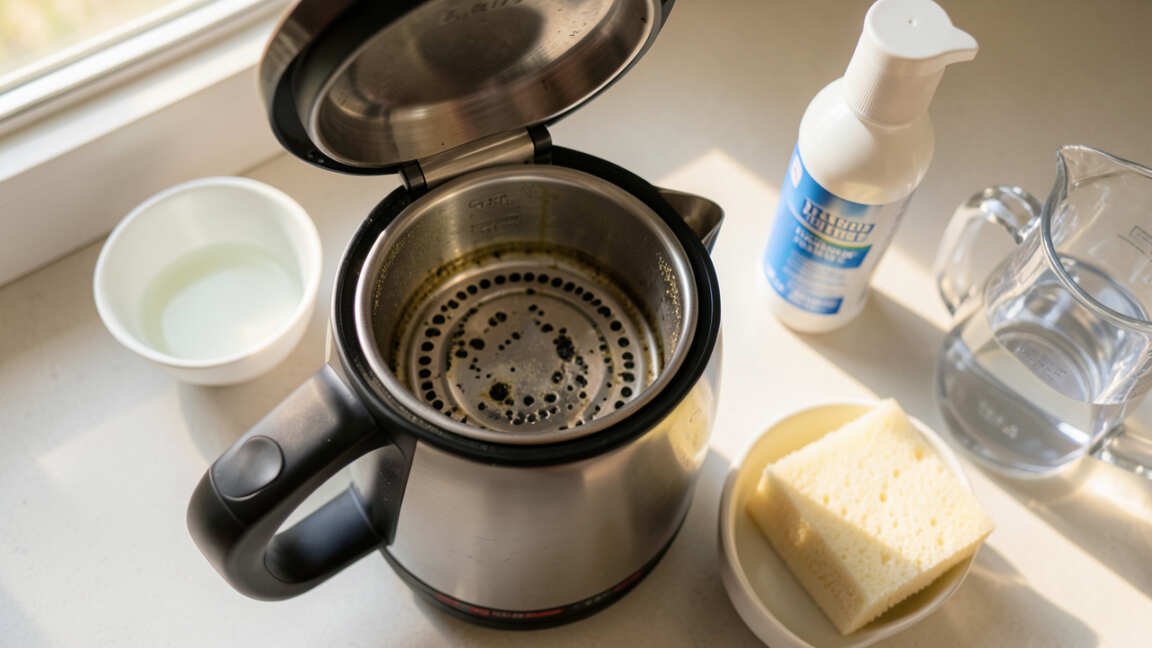
How to Fix a Slow-Boiling Kettle
Now that you know the common reasons, let’s look at how to fix them. Most of these are easy to sort out yourself.
Descaling Your Kettle
This is the most important step for tackling mineral build-up. You have a few options for descaling:
- Vinegar Method: Fill your kettle halfway with white vinegar and the rest with water. Let it sit for an hour or overnight. Then, boil the mixture. Pour it out and rinse the kettle thoroughly. You might need to boil plain water a couple of times afterward to get rid of any vinegar smell.
- Lemon Juice Method: Similar to vinegar, you can use the juice of one or two lemons mixed with water. Boil the mixture and let it sit for about 30 minutes. Rinse well.
- Baking Soda Method: Add two tablespoons of baking soda to a full kettle of water. Boil it, let it cool slightly, then pour out and rinse.
- Commercial Descalers: You can buy specific kettle descaling solutions from most supermarkets. Follow the instructions on the packaging carefully.
Descaling regularly, perhaps once a month if you have hard water, will keep your kettle working efficiently and boiling quickly.
Water Level Management
Always fill your kettle with only the amount of water you need. Check the minimum and maximum markers inside the kettle. Don’t overfill it, and don’t underfill it below the minimum line.
Heating only the water you require saves electricity and speeds up the boiling process. It’s a simple habit that makes a difference.
Checking the Power Supply
Ensure the kettle plug is firmly in the wall socket. If you use an extension cord, try plugging the kettle directly into the wall socket to see if it heats up faster. If the cord looks damaged, it’s time to consider replacing the kettle.
Also, check that the socket itself is working correctly. You can test this by plugging in another appliance.
Cleaning the Base and Connectors (Cordless Kettles)
For cordless kettles, regularly inspect the connector on the kettle and the power base. Make sure they are clean and free from any dust, limescale, or other debris. A dry cloth is usually enough to wipe them clean.
Ensure the kettle is firmly seated on its base before switching it on.
General Cleaning
Apart from descaling, give your kettle a general clean now and then. Wipe down the exterior, and rinse the interior thoroughly to remove any loose sediment or particles. This helps maintain its performance and hygiene.
Frequently Asked Questions
Question: How often should I descale my kettle?
Answer: If you have hard water, it’s a good idea to descale your kettle once a month. If you have soft water, you might only need to do it every two to three months. Watch for visible scale build-up, and if you notice slower boiling, it’s time to descale.
Question: Can I use vinegar if my kettle is plastic?
Answer: Yes, the vinegar method is generally safe for plastic kettles. However, always rinse very thoroughly afterward to remove any lingering smell or taste. Some people prefer to use lemon juice or a specific plastic-safe descaler for plastic kettles.
Question: What happens if I never descale my kettle?
Answer: If you never descale your kettle, the scale build-up will get thicker and thicker. This means your kettle will take much longer to boil, use more electricity, and its lifespan might be reduced. It can also affect the taste of your water and drinks.
Question: Is it safe to drink water from a kettle with some scale?
Answer: While not harmful in small amounts, drinking water with scale isn’t ideal. The scale can affect the taste of your water and drinks. Plus, the build-up makes the kettle less efficient, costing you more in electricity and time.
Regular cleaning is best for taste and performance.
Question: Can limescale damage my kettle?
Answer: Excessive limescale build-up can indeed damage your kettle. It can cause the heating element to overheat and burn out, or it can lead to blockages in the kettle’s components, affecting its functionality. Keeping it clean is important for its longevity.
Final Thoughts
Seeing your kettle take a long time to boil can be frustrating. We’ve gone through the main reasons this happens, from scale build-up to how much water you use. The good news is that most of these issues are easy to fix with simple cleaning and mindful usage.
Regularly descaling your kettle, filling it with just the right amount of water, and keeping its connections clean can make a big difference. These small steps will help your kettle boil quickly again, so you can enjoy your hot drinks without the long wait.


![How Espresso Machines Work Explained Simply[1]](https://creativehouseblog.com/wp-content/uploads/2026/03/How_Espresso_Machines_Work_Explained_Simply1-768x448.jpg)
![Can A Stand Mixer Replace A Food Processor[1]](https://creativehouseblog.com/wp-content/uploads/2026/03/Can_A_Stand_Mixer_Replace_A_Food_Processor1-768x448.jpg)
![Fixing Common Toaster Problems Simply[1]](https://creativehouseblog.com/wp-content/uploads/2026/03/Fixing_Common_Toaster_Problems_Simply1-768x448.jpg)
![Outdoor Maintenance Jobs To Complete Before Summer Ends[1]](https://creativehouseblog.com/wp-content/uploads/2026/05/Outdoor_Maintenance_Jobs_To_Complete_Before_Summer_Ends1-768x403.jpg)