
The key signs your boiler needs servicing include unusual noises, strange smells, and visible issues like leaks or decreased efficiency. Recognizing these warning signs early allows for preventive maintenance that can avoid costly emergency repairs and ensure household safety. This overview explains how to identify these critical indicators and understand the importance of professional boiler servicing.
Knowing when your boiler needs a check-up can feel tricky, especially if you’re new to home maintenance.
You might worry about loud noises or funny smells, but what do they really mean? It’s easy to feel a bit lost, but don’t worry!
This guide will help you spot the Signs Your Boiler Needs Servicing Before It Breaks Down. We’ll walk through everything step by step so you can keep your home warm and safe without any stress.
Key Takeaways
- Learn to identify common warning signs your boiler needs attention.
- Understand why regular boiler servicing is important for safety and efficiency.
- Discover how to troubleshoot minor boiler issues yourself.
- Know when it’s time to call a professional heating engineer.
- Gain confidence in maintaining your home’s heating system.
![Signs Your Boiler Needs Servicing Before It Breaks Down[1]](https://creativehouseblog.com/wp-content/uploads/2026/05/Signs_Your_Boiler_Needs_Servicing_Before_It_Breaks_Down1.jpg)
Recognizing The Warning Signs Your Boiler Needs Servicing
Your boiler works hard to keep your home cozy, but sometimes it needs a little help. Paying attention to what your boiler is telling you is key to avoiding big problems. These signs are like whispers before a shout, alerting you that something isn’t quite right.
Ignoring them can lead to sudden breakdowns, costly repairs, and a cold house, especially when you need heat the most.
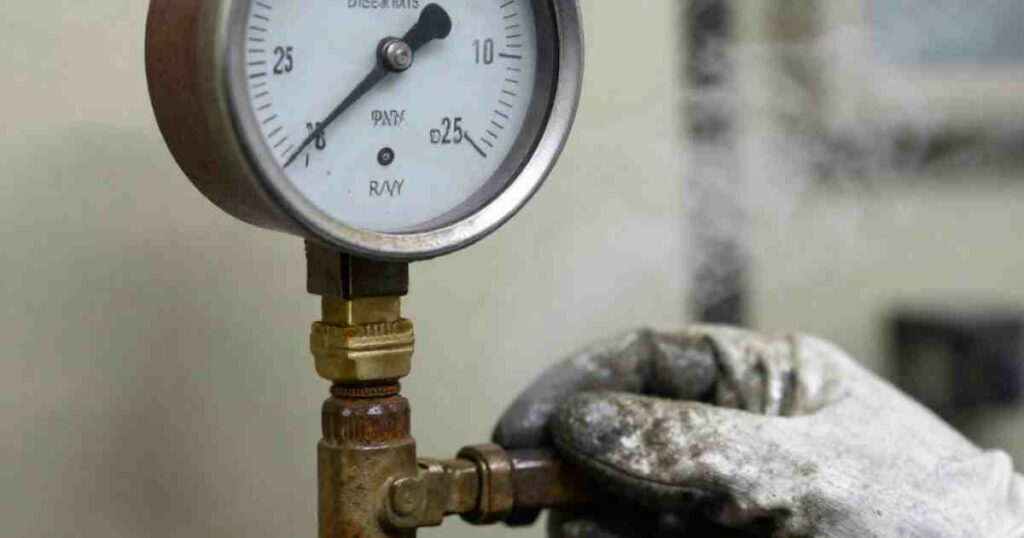
Unusual Noises from Your Boiler
Boilers make some noise when they operate, but strange sounds are a clear signal that something needs looking at.
Think of it like a car making odd noises – it’s a clue something is off. These sounds can range from clanking to banging to whistling, and each might point to a different issue.
- Banging or Clanking Sounds: This is often caused by sediment buildup inside your boiler. Water passing over these deposits can create these noises. It’s like tiny rocks rattling around in a pipe. If left unchecked, this sediment can block pipes and reduce how well your boiler heats your home.
- Gurgling or Rumbling Sounds: These can indicate air trapped in your heating system or low water pressure. Air bubbles in the pipes can prevent hot water from flowing correctly. This means radiators might not get as warm as they should.
- Whistling Sounds: A whistling noise might mean there’s a blockage somewhere in the system, perhaps in the flue or a pump. It could also be a sign of a component that’s starting to wear out.
- Knocking Sounds: This is frequently a symptom of “kettling,” where limescale builds up on the heat exchanger. Water boils and turns to steam inside the limescale deposits, causing these distinct knocking noises. Kettling reduces efficiency and can eventually damage the boiler.
Addressing these noises early means you can often fix a smaller problem before it turns into a major failure.
A quick check by a qualified engineer can usually pinpoint the cause of the sound and clear it up. This saves you from potentially expensive repairs down the line and keeps your system running smoothly.
Strange Smells Emanating from Your Boiler
Your boiler should not smell. If you notice any unusual odors coming from or around your boiler, it’s a serious sign that requires immediate attention. Some smells indicate a gas leak, which is dangerous.
Others might point to a problem with the exhaust system.
- Rotten Egg Smell: This is the most critical smell to watch out for. It often means there’s a gas leak. Natural gas itself is odorless, but a chemical called mercaptan is added to make leaks detectable. If you smell this, turn off your gas supply immediately, open windows and doors, and leave your home. Then, call your gas supplier or emergency services from a safe distance.
- Sooty or Burning Smell: This could indicate incomplete combustion within your boiler. It means the boiler isn’t burning fuel properly, which can produce harmful carbon monoxide gas. A burning smell might also mean that a part is overheating or that soot is building up.
- Musty or Damp Smell: While less immediately dangerous, a musty smell could suggest a leak somewhere in the boiler’s pipework or casing. Water damage can lead to mold growth, which gives off this odor.
Never ignore smells coming from your boiler. A qualified heating engineer needs to inspect it promptly.
They can safely test for gas leaks, check for carbon monoxide, and identify the source of any burning or unusual odors.
Your safety is the top priority.
Visible Signs of Boiler Issues
Sometimes, your boiler will show you it needs attention through what you can see. These visual clues are often overlooked but are important indicators of underlying problems. They can range from leaks to rust to visible damage.
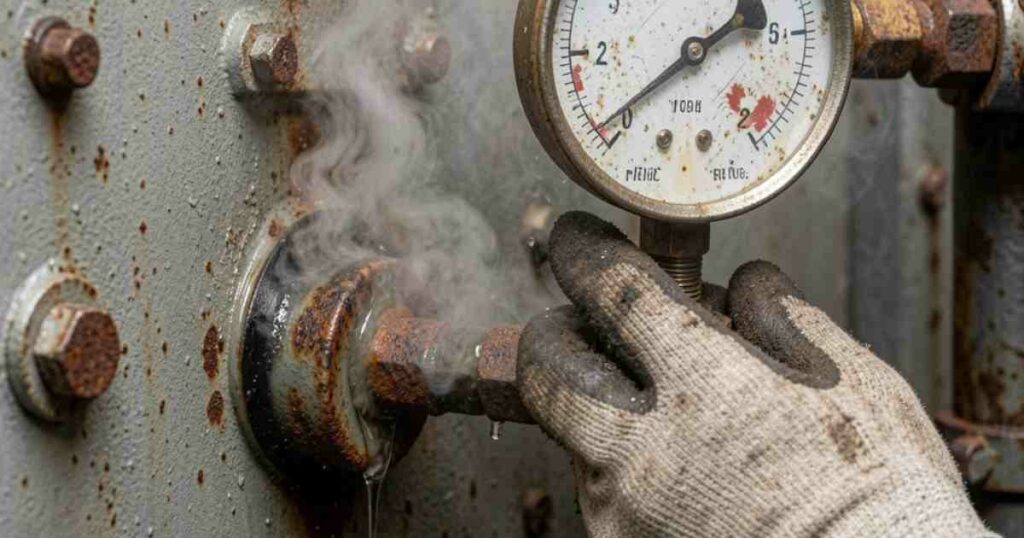
- Leaking Water: If you see water pooling around your boiler or dripping from its pipes, this is a definite sign of trouble. Leaks can come from various places, such as faulty seals, corroded pipes, or a damaged internal component like the pressure relief valve.
- Corrosion and Rust: Patches of rust or significant corrosion on the boiler casing or its pipes are not just unsightly; they can indicate that the metal is weakening. This can lead to leaks or even structural failure over time.
- Soot Marks or Stains: Black soot marks on or around the boiler can be a sign of incomplete combustion, similar to the burning smell. This suggests the boiler isn’t burning fuel efficiently and might be producing carbon monoxide.
- Damaged or Worn Components: Visually inspecting exposed parts of the boiler and its connections can sometimes reveal obvious wear and tear. This might include cracked plastic casings, frayed wires, or loose connections, although many components are internal.
These visible signs are often easier to spot and can prompt you to call for help before a small issue escalates.
For instance, a small leak can become a large one, potentially causing water damage to your home. Identifying rust early can prevent it from spreading and compromising the boiler’s integrity.
Decreased Efficiency and Performance
Your boiler’s job is to efficiently heat your home. If you notice it’s not doing its job as well as it used to, or if your energy bills are creeping up without explanation, it’s likely your boiler needs servicing. A well-maintained boiler is an efficient boiler.
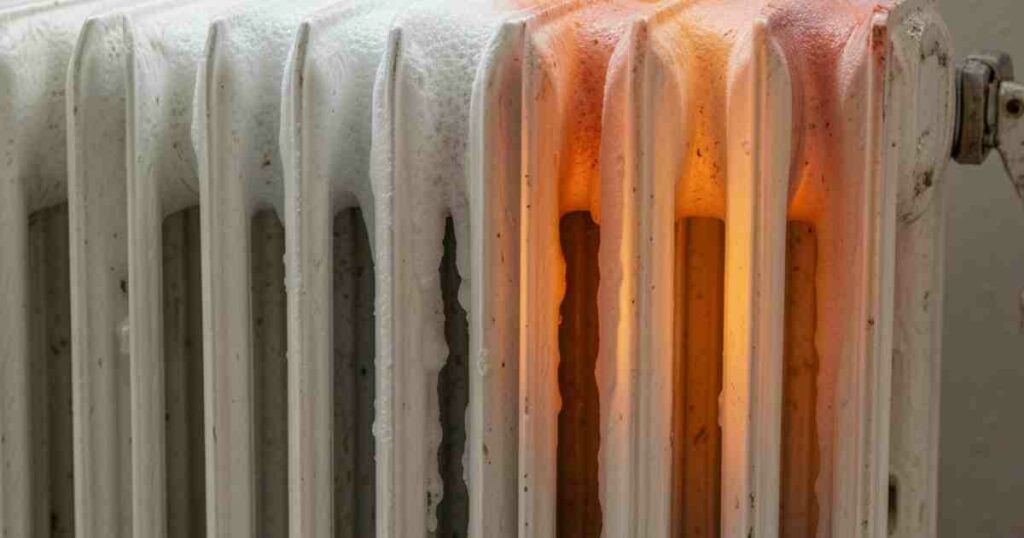
- Radiators Not Heating Properly: If some radiators are cold at the top or don’t get hot enough, it could be due to air in the system, a blockage, or a problem with the boiler itself. This means your system isn’t circulating heat effectively.
- Pilot Light Issues: If your boiler has a pilot light and it’s frequently going out, or if it’s burning with a yellow or orange flame instead of a steady blue one, this is a sign of improper combustion. A blue flame indicates efficient burning, while yellow or orange flames suggest issues.
- Increased Energy Consumption: If your gas bills are higher than usual, and you haven’t changed your heating habits, your boiler might be working harder to achieve the same results. This inefficiency wastes energy and money.
- Longer Heating Times: If it takes much longer for your home to warm up than it used to, your boiler might be struggling. This could be due to a buildup of limescale or wear and tear on internal components.
These performance issues are subtle but significant. They show that your boiler is expending more energy to produce less heat, which is a hallmark of a system that’s not running optimally.
Regular servicing can clean out limescale, ensure proper fuel mixture, and check all components for wear, restoring efficiency.
When To Call a Professional
While some minor issues can be addressed with basic troubleshooting, many boiler problems require the expertise of a qualified heating engineer.
Knowing when to call for professional help is crucial for your safety and the longevity of your boiler.
Attempting complex repairs without the right knowledge and tools can be dangerous and lead to more damage.
- Any Gas Smell: As mentioned, any smell of rotten eggs is an emergency. Turn off the gas, evacuate, and call for help immediately.
- Loss of Hot Water or Heating: If your boiler completely stops providing hot water or heating, and basic checks don’t resolve it, it’s time to call an expert.
- Repeated Issues: If you keep experiencing the same problems with your boiler, even after minor fixes, it’s a sign of a deeper underlying issue that needs professional diagnosis.
- Warning Lights or Error Codes: Modern boilers often display warning lights or error codes. Consult your boiler’s manual to understand what these codes mean, but if you can’t resolve the issue yourself, a professional is needed.
- Boiler Age: Boilers typically last 10-15 years. If your boiler is old and showing signs of frequent problems, it might be more cost-effective in the long run to consider a replacement rather than continued repairs.
A professional heating engineer has the tools, knowledge, and experience to diagnose and fix a wide range of boiler problems safely and effectively.
They can also perform routine servicing that helps prevent issues from occurring in the first place. It’s a worthwhile investment in your home’s comfort and safety.
Understanding Boiler Servicing
Boiler servicing is like a health check-up for your heating system. It involves a thorough inspection and cleaning of your boiler by a qualified technician. This process ensures your boiler is running safely, efficiently, and reliably.
Regular servicing can catch small problems before they become big ones, saving you money and preventing inconvenient breakdowns.
What Happens During a Boiler Service
A typical boiler service is quite comprehensive. The engineer will check all the essential components to make sure everything is in good working order. This involves more than just a quick look; it’s a detailed examination.
- Checking for Leaks and Corrosion: The engineer will look for any signs of water leaks or rust on the boiler and its pipework. This helps identify potential points of failure early on.
- Testing Gas Pressure and Connections: Ensuring the gas pressure is correct and all connections are secure is vital for safety and efficiency. Any leaks here are extremely dangerous.
- Inspecting the Burner and Heat Exchanger: These are critical parts for heating the water. The engineer will check them for wear, damage, or buildup of soot and limescale.
- Cleaning Internal Components: Parts like the filter and burner may be cleaned to ensure optimal performance and prevent blockages.
- Checking the Flue and Ventilation: Ensuring the flue is clear and properly ventilated is crucial for removing combustion gases safely from your home.
- Testing Safety Devices: All safety features, such as the thermostat and pressure relief valve, will be tested to confirm they are working correctly.
- Assessing Efficiency Levels: The engineer might measure the boiler’s output and efficiency to ensure it’s running as economically as possible.
During the service, the engineer will also look for the various warning signs we’ve discussed.
They are trained to spot the subtle indicators of trouble that an untrained eye might miss. This proactive approach is what makes regular servicing so valuable.
Benefits of Regular Boiler Servicing
Getting your boiler serviced at least once a year offers many advantages. It’s not just about fixing problems; it’s about preventing them and making your system work better for longer.
- Increased Safety: This is perhaps the most important benefit. Regular checks ensure that dangerous gases like carbon monoxide are being vented correctly and that there are no gas leaks. A faulty boiler can be a serious safety hazard.
- Improved Efficiency and Lower Bills: A well-maintained boiler runs more efficiently. This means it uses less fuel to produce the same amount of heat. Over time, this can lead to significant savings on your energy bills. For instance, a boiler running at 90% efficiency uses less gas than one running at 70%.
- Extended Boiler Lifespan: Just like any machine, regular maintenance can help your boiler last longer. By addressing small issues and keeping components clean, you reduce wear and tear, delaying the need for a costly replacement.
- Preventing Breakdowns: Most boiler breakdowns occur because of minor issues that were left unaddressed. Servicing helps identify and fix these problems before they cause a complete system failure, especially during cold weather.
- Maintaining Warranty Coverage: Many boiler manufacturers require proof of annual servicing to keep the warranty valid. If your boiler breaks down within the warranty period, you might not be covered if it hasn’t been serviced regularly.
- Peace of Mind: Knowing your boiler has been checked by a professional and is running safely and efficiently provides valuable peace of mind, especially during the colder months.
Consider the statistics: according to some industry reports, regular boiler servicing can improve efficiency by as much as 15%.
This means not only saving money but also reducing your home’s carbon footprint. It’s a small annual investment that pays off significantly.
What To Do Between Servicing
While professional servicing is essential, there are things you can do yourself to keep your boiler in good shape between visits from the engineer.
These simple checks can help you spot issues early and maintain your system’s performance.
- Check Boiler Pressure: Most combi boilers have a pressure gauge. The ideal pressure is usually between 1 and 1.5 bar when the system is cold. If it’s too low, your boiler might not work correctly. If it’s too high, it could indicate a problem. You can often top up the pressure yourself using a filling loop – check your boiler manual.
- Bleed Radiators: If radiators are cold at the top but hot at the bottom, they may have air trapped inside. You can bleed them using a radiator key to release the air. Do this when the heating is off and the radiators are cool.
- Keep Vents Clear: Ensure any air vents near your boiler are not blocked by furniture or debris. Proper ventilation is crucial for safe operation.
- Listen for Unusual Noises: Make a note of any new or unusual sounds your boiler or heating system makes.
- Check for Leaks: Periodically look around your boiler and pipes for any signs of water leaks.
These simple actions empower you to be proactive about your home’s heating. They help ensure your system continues to operate as smoothly as possible until your next professional service. Remember to always consult your boiler’s manual for specific instructions.
Common Boiler Problems and Solutions
Understanding common boiler issues can help you recognize the signs your boiler needs servicing.
Knowing these problems and potential solutions empowers you to communicate effectively with a heating engineer and sometimes even resolve minor issues yourself.
Low Water Pressure
Low water pressure is a common problem that can affect both your heating and hot water. If the pressure gauge on your boiler reads below the recommended level (usually around 1 to 1.5 bar when cold), it could be the cause of underperforming radiators or weak hot water flow.
- Cause: This can be caused by a leak in the system, a faulty pressure relief valve, or recent bleeding of radiators that wasn’t followed by repressurizing the system.
- Solution: Many modern boilers have a filling loop that allows you to add water to the system. You turn two valves to connect the mains water supply to the heating system. After adding water until the pressure is correct, you close the valves and disconnect the loop. Always check your boiler’s manual for precise instructions on how to do this safely. If the pressure drops again quickly, it indicates a leak that needs professional repair.
A boiler system losing pressure is like a car constantly losing air in its tires; it needs to be addressed to function properly. A steady 1 to 1.5 bar is the sweet spot for most systems.
Pilot Light Issues
Some older boilers have a continuously burning pilot light that ignites the main burner. If this pilot light is frequently going out or has a weak, flickering flame, it’s a sign of a problem. This can prevent the boiler from firing up when needed.
- Cause: The pilot light might be going out due to a draft, a faulty thermocouple (which senses the pilot flame and tells the gas valve to stay open), or a buildup of debris around the pilot light assembly. A yellow or orange flame, instead of blue, indicates incomplete combustion, possibly due to a blocked pilot orifice or issues with the gas-air mixture.
- Solution: For safety reasons, relighting a pilot light should ideally be done by a qualified engineer. They can diagnose why it’s going out and clean or
The pilot light is a small but vital part of certain boiler designs. Its health directly impacts the boiler’s ability to function, so its behavior is a key indicator.
Thermostat Problems
Your thermostat controls when your heating comes on and off. If your heating isn’t responding correctly to the thermostat settings, the issue could be with the thermostat itself or how it’s connected to the boiler.
- Cause: Common issues include dead batteries in a wireless thermostat, incorrect programming, a faulty thermostat sensor, or loose wiring between the thermostat and the boiler. Sometimes, the thermostat might be in a location that gets too much direct sunlight or is near a draft, causing it to misread the room temperature.
- Solution: First, check and replace the batteries in your thermostat if it’s wireless. If it’s programmable, double-check the schedule to ensure it’s set correctly. For more complex issues like faulty sensors or wiring problems, it’s best to call a heating engineer. They can test the thermostat and its connections to the boiler and make any necessary repairs or replacements.
A thermostat is the brain of your heating system. If its signals are confused or not being sent properly, your entire home’s comfort is affected.
Kettling
Kettling is a distinctive noise that sounds like a kettle boiling on a stove. It’s a rumbling or banging sound that comes from inside the boiler. This is a serious sign that needs prompt attention.
- Cause: Kettling is usually caused by a buildup of limescale on the boiler’s heat exchanger. Water passing through the pipes boils and turns to steam within these scale deposits, creating the noise. This scale buildup also reduces the boiler’s efficiency.
- Solution: To fix kettling, the boiler will likely need to be flushed and descaled by a professional. In severe cases, the heat exchanger might need to be replaced. Preventing limescale buildup often involves installing a limescale inhibitor or water softener, especially in hard water areas.
This is a very common issue in areas with hard water. The mineral deposits, primarily calcium, stick to the metal surfaces and form scale.
Frozen Condensate Pipe
Modern condensing boilers produce a condensate (a type of acidic water) as part of their operation.
This condensate drains away through a plastic pipe. In very cold weather, this pipe can freeze, preventing the boiler from working.
- Cause: The condensate pipe is often located outside or in an unheated space, making it vulnerable to freezing when temperatures drop below zero degrees Celsius.
- Solution: If you suspect your condensate pipe is frozen, you can try to thaw it gently. You can pour warm (not boiling) water over the affected section of the pipe. You can also try wrapping it with an electric heat trace cable. If the pipe is inaccessible or you’re not comfortable doing this, call a heating engineer. They can safely thaw the pipe or install a more robust solution, like insulation.
This problem is specific to condensing boilers and is a direct result of the weather. Identifying the frozen pipe is the first step to unblocking your boiler.
Preventative Maintenance and Boiler Lifespan
Taking good care of your boiler through regular maintenance is key to ensuring it serves you well for many years.
It’s about being proactive rather than reactive, which saves you money and hassle in the long run.
The Importance of an Annual Service
An annual boiler service is not just a recommendation; it’s a crucial part of preventative maintenance.
It’s the most effective way to identify and address potential issues before they escalate into major problems.
- Proactive Issue Detection: An engineer can spot early signs of wear and tear or developing faults during a service. This might include minor leaks, corroded parts, or unusual readings that you wouldn’t notice. For example, detecting a small leak during a service might lead to a simple seal replacement, preventing water damage to your home.
- Efficiency Checks: Servicing includes checking the boiler’s efficiency. A dirty burner or heat exchanger, or incorrect gas pressure, can reduce efficiency. This means your boiler works harder and uses more energy to heat your home, leading to higher bills. A service can restore optimal efficiency.
- Safety Assurance: Boilers produce combustion gases, some of which can be dangerous if not properly vented. Servicing includes thorough checks of the flue and ventilation systems, ensuring that harmful gases like carbon monoxide are safely expelled from your home.
- Longevity and Cost Savings: By keeping your boiler in peak condition, you reduce the strain on its components. This naturally extends its lifespan. Replacing a boiler is a significant expense, often costing thousands of pounds. Regular servicing can help you avoid this cost for longer.
Think of it like visiting your dentist for regular check-ups. You might not have any pain, but the dentist can find small cavities and fix them before they become painful root canals. Similarly, a boiler service prevents minor issues from turning into costly emergencies.
Factors Affecting Boiler Lifespan
Several factors can influence how long your boiler will last. While age is a factor, how the boiler is maintained and used plays a significant role.
- Quality of Installation: A boiler that was correctly installed by a certified professional is likely to last longer than one that was fitted poorly. Proper installation ensures all components are connected correctly and the system is balanced.
- Regular Servicing: As we’ve stressed, regular annual servicing is perhaps the most significant factor in extending a boiler’s life. It keeps the system running smoothly and prevents premature wear.
- Water Quality: In areas with hard water, limescale buildup can significantly reduce a boiler’s lifespan by damaging internal components like the heat exchanger. Using a water softener or limescale inhibitor can help mitigate this.
- Usage Patterns: How often and how intensely the boiler is used can also impact its lifespan. Constant cycling on and off can put more strain on certain components than consistent, steady operation.
- Boiler Type and Brand: Different types and brands of boilers have varying lifespans based on their design and build quality. However, even the best boiler will suffer without proper care.
Generally, a well-maintained boiler can last anywhere from 10 to 15 years, sometimes even longer.
A boiler that is neglected, however, might start showing significant problems much sooner, perhaps within 5-8 years.
Signs Your Boiler May Be Nearing the End of Its Life
Even with the best maintenance, all boilers eventually reach the end of their operational life. Recognizing these signs can help you prepare for a replacement before an unexpected breakdown leaves you in the cold.
- Frequent Breakdowns: If your boiler requires repairs more and more often, it’s a strong indicator that its components are wearing out. Each repair is also an added expense.
- Rising Repair Costs: As boilers age, the cost of repairs often increases because replacement parts can be more expensive or harder to find.
- Significant Efficiency Drop: If your boiler is struggling to heat your home and your energy bills are soaring, it might mean it’s no longer operating efficiently, a common sign of an aging system.
- Obsolete Parts: For very old boilers, parts may no longer be manufactured, making repairs difficult or impossible.
- Safety Concerns: If an engineer repeatedly flags safety concerns that are costly to fix, it might be time to consider a new, safer model.
Planning for a boiler replacement when your current one is showing these signs can save you from the stress of an emergency failure during winter.
It also allows you to research and choose a new, more energy-efficient model that suits your needs.
Frequently Asked Questions Of Signs Your Boiler Needs Servicing Before It Breaks Down
Question: How often should I get my boiler serviced
Answer: It is recommended to get your boiler serviced at least once a year. This helps ensure it runs safely and efficiently and can catch potential problems before they become serious.
Question: What if my boiler is making a banging noise
Answer: A banging noise, often called kettling, usually means limescale has built up inside your boiler. You should call a qualified heating engineer to inspect and clean it to prevent further damage.
Question: Can I fix a leak from my boiler myself
Answer: Small leaks might sometimes be addressed by tightening fittings, but it is generally safer to call a professional heating engineer. They can correctly identify the source of the leak and repair it safely, preventing water damage and potential hazards.
Question: My radiators are cold at the top, what should I do
Answer: This usually means there is air trapped in your radiators. You can try bleeding them using a radiator key to release the air. If this doesn’t solve the problem, or if it happens often, there might be a larger issue with your system.
Question: Is it worth repairing an old boiler
Answer: If your boiler is very old and frequently breaks down, the cost of repairs can add up. It might be more cost-effective in the long run to
Final Thoughts
Watching for the Signs Your Boiler Needs Servicing Before It Breaks Down is a smart way to keep your home warm and safe.
Strange noises, odd smells, visible leaks, and poor performance are clear signals. Regular professional servicing is your best defense against sudden failures and high repair bills.
Taking simple steps between services can also help. Stay alert, and your boiler will likely serve you well for years to come.

![Common Blender Problems and Fixes For Beginners[1]](https://creativehouseblog.com/wp-content/uploads/2026/03/Common_Blender_Problems_and_Fixes_For_Beginners1-768x448.jpg)
![10 Surprising Things You Can Do With An Electric Kettle[1]](https://creativehouseblog.com/wp-content/uploads/2026/04/10_Surprising_Things_You_Can_Do_With_An_Electric_Kettle1-768x448.jpg)
![Condensation Between Window Panes Causes and Fixes[1]](https://creativehouseblog.com/wp-content/uploads/2026/05/Condensation_Between_Window_Panes_Causes_and_Fixes1-768x403.jpg)
![9 Foods That Taste Better With Sous Vide Cooking[1]](https://creativehouseblog.com/wp-content/uploads/2026/04/9_Foods_That_Taste_Better_With_Sous_Vide_Cooking1-768x448.jpg)
![10 Foods You Can Cook In A Deep Fryer (Beyond Fries)[1]](https://creativehouseblog.com/wp-content/uploads/2026/04/10_Foods_You_Can_Cook_In_A_Deep_Fryer_Beyond_Fries1-768x448.jpg)
![Slow Cooker vs Crockpot What's The Difference[1]](https://creativehouseblog.com/wp-content/uploads/2026/03/Slow_Cooker_vs_Crockpot_Whats_The_Difference1-768x448.jpg)