
To extend your boiler's operational life and enhance its efficiency, you must implement a consistent maintenance routine focused on regular checks and care. This includes tasks like monitoring pressure, bleeding radiators to remove trapped air, and keeping the area around the unit clean for proper airflow. Performing these simple steps prevents common problems, reduces energy consumption, and helps avoid costly emergency repairs or premature system failure.
Many people wonder how to keep their boilers running smoothly for years. It can seem a bit tricky at first, especially if you are new to home maintenance. But don’t worry!
We will show you exactly what to do in simple steps. This guide makes How to Maintain Your Boiler So It Lasts Much Longer easy to understand.
Key Takeaways
- Regular checks help your boiler work better.
- Keeping your boiler clean prevents problems.
- Bleeding radiators releases trapped air.
- Annual servicing is important for safety and efficiency.
- Knowing your boiler’s sounds can alert you to issues.
- Simple fixes can save you money on repairs.
![How to Maintain Your Boiler So It Lasts Much Longer[1]](https://creativehouseblog.com/wp-content/uploads/2026/05/How_to_Maintain_Your_Boiler_So_It_Lasts_Much_Longer1.jpg)
Understanding Your Boiler’s Needs
Your boiler is a vital part of your home, providing heat and hot water. Like any machine, it needs care to work its best. When you take good care of it, it lasts longer and runs more smoothly.
This section explains why basic attention makes a big difference.
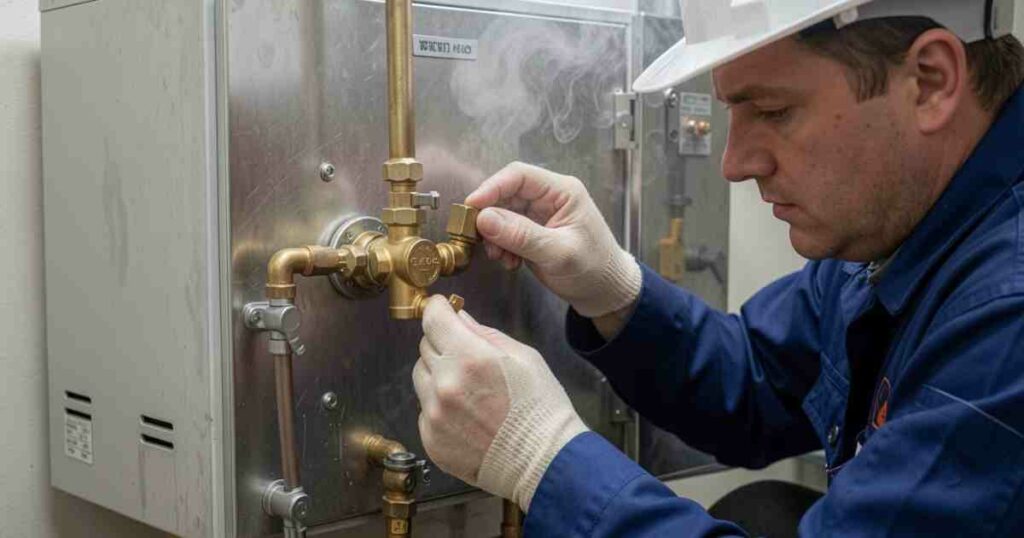
Why Boiler Care Matters
A well-maintained boiler uses less energy. This means lower heating bills for you. It also helps prevent unexpected breakdowns, which can be costly and inconvenient, especially during cold weather.
Think of it like a car. If you don’t change the oil or check the tires, the car won’t last as long. Your boiler is the same.
Regular attention keeps its parts working well.
Common Boiler Problems Beginners Face
Many people don’t know where to start with boiler care. They might hear strange noises but not know what they mean. Or they might not know how to check the water pressure.
This guide breaks it down into easy steps so anyone can follow along.
We will cover simple tasks you can do yourself. We will also explain when it is best to call a professional. This way, you feel confident in keeping your boiler in great shape.
Simple Steps for Boiler Maintenance
Taking care of your boiler doesn’t require expert knowledge. There are several easy things you can do yourself to keep it in good working order. These steps are designed to be simple and effective.
They help extend your boiler’s life and prevent common issues.
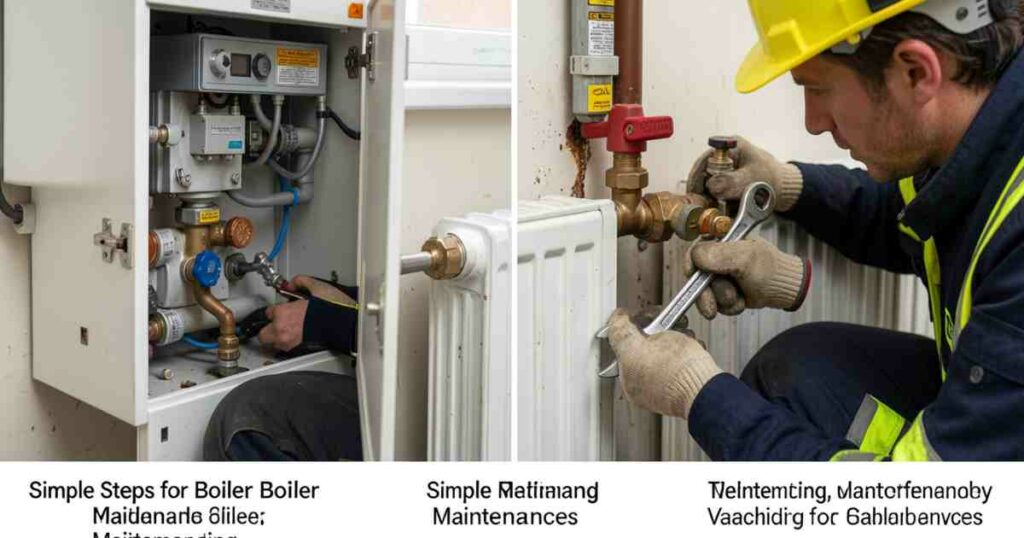
Checking Boiler Pressure
Your boiler has a pressure gauge, usually located on the front panel. The ideal pressure is typically between 1 and 1.5 bar when the system is cold. If the pressure drops too low, your boiler might not heat your home properly.
If it’s too high, it can cause damage.
To add water if the pressure is low, you will need to find the filling loop. This is a small lever or handle, often located under the boiler. Slowly open it to let water into the system until the gauge reaches the right level.
Be sure to close it fully afterward to prevent overfilling.
When to check pressure:
- Check it monthly.
- Check it after bleeding radiators.
- Check it if your heating isn’t working well.
Bleeding Radiators
Over time, air can get trapped in your radiators. This trapped air prevents them from heating up fully, especially at the top. Bleeding your radiators releases this air, making them heat more evenly and efficiently.
To bleed a radiator, you will need a radiator key, which you can buy at most hardware stores. Locate the small valve at the top corner of the radiator. Place a cloth or container underneath it to catch any water.
Slowly turn the key counter-clockwise. You will hear a hissing sound as the air escapes. Once water starts to drip out, close the valve by turning the key clockwise.
Repeat this for any radiators that feel cold at the top.
Signs your radiators need bleeding:
- Radiators are cold at the top but hot at the bottom.
- You hear gurgling noises from your heating system.
- Your home isn’t heating up as well as it should.
Keeping the Boiler Area Clear
It’s important to ensure the area around your boiler is clear. This allows for proper ventilation, which is essential for its safe and efficient operation. Never store flammable materials like cleaning supplies, paint, or aerosols near the boiler.
Good airflow helps prevent overheating. It also makes it easier for a Gas Safe registered engineer to access the boiler for servicing or repairs. Keep at least a meter of clear space around the boiler.
This ensures it can operate safely.
Visual Inspections
Occasionally, take a moment to look at your boiler. Check for any signs of leaks around the casing or pipework. See if there are any unusual smells.
Also, listen for any strange noises when it’s running. A dripping sound, a banging, or a whining noise can indicate a problem.
A small leak might just be a loose fitting that needs tightening. A strange smell could be a sign of a gas leak, which is serious. Unusual noises can point to internal issues with pumps or fans.
Early detection is key.
The Importance of Professional Servicing
While you can do some basic maintenance yourself, your boiler also needs professional attention.
An annual service by a qualified engineer is crucial for safety, efficiency, and longevity. This is not something to skip.
What an Annual Service Includes
During an annual service, a Gas Safe registered engineer will thoroughly inspect your boiler. They will check its internal components, clean them if necessary, and test its safety features.
This includes checking the combustion process to ensure it is burning fuel correctly and safely.
They will also check for wear and tear on parts like the fan, pump, and heat exchanger. They will test the pressure and flow rates.
Any potential issues, however small, can be identified and addressed before they become major problems.
This proactive approach is what helps a boiler last much longer.
Benefits of Regular Servicing
Regular servicing offers several key benefits. Firstly, it ensures your boiler is operating safely, reducing the risk of carbon monoxide leaks.
Secondly, it helps maintain its efficiency, meaning it uses less fuel and costs you less money to run.
An efficient boiler also has a lower environmental impact.
Thirdly, it can prevent costly breakdowns. By identifying and fixing small issues early, you can avoid major repairs down the line. This saves you money and hassle.
It also helps to maintain your boiler’s warranty if it is still covered.
Statistics on Boiler Servicing:
| Benefit | Impact |
|---|---|
| Safety | Reduces risk of carbon monoxide poisoning by over 90%. |
| Efficiency | Can improve boiler efficiency by up to 15%. |
| Lifespan | Properly maintained boilers can last 10-15 years, sometimes longer. |
These figures show how important it is to get your boiler checked regularly. It’s an investment in your home’s comfort and safety.
Choosing a Qualified Engineer
Always ensure that the engineer you use is Gas Safe registered. This is a legal requirement for anyone working on gas appliances in the UK. You can check their credentials online or ask for their ID card.
Look for engineers who have good reviews and recommendations. A reputable company will be happy to provide references or show you testimonials.
Don’t just choose the cheapest option; quality of service is more important for your boiler’s long-term health.
Troubleshooting Common Boiler Issues
Sometimes, your boiler might show signs of a problem. Knowing what to look for can help you address issues quickly. This section covers some common problems and what you can do.
Boiler Not Igniting
If your boiler isn’t turning on, first check if it has power. Ensure the thermostat is set to a high enough temperature and is turned on. Also, check your home’s electrical consumer unit for any tripped circuit breakers.
If the pilot light is out on an older boiler, you may need to relight it. However, for modern boilers, this is usually not a user-serviceable part. If the boiler is still not igniting after these basic checks, it’s time to call a professional.
Low Water Pressure
As mentioned before, low water pressure is a common issue. This can be due to a leak in the system, a faulty pressure release valve, or the system needing water added via the filling loop. You can check the pressure gauge on your boiler.
If the pressure is consistently low, even after topping it up, there might be a leak somewhere in your pipework or radiators. You would need an engineer to find and fix this leak.
Strange Noises from the Boiler
Boilers can make various noises. A banging or knocking sound might indicate air in the system or a problem with the pump. A whistling noise could be related to water flow or pressure issues.
A regular ticking sound might be normal expansion and contraction of metal parts.
If you hear a loud bang or a persistent whining, it’s a good idea to get it checked. These sounds can sometimes signal that a part is failing or is about to fail.
No Hot Water or Heating
There can be many reasons for this. It could be a thermostat issue, a problem with the diverter valve (which directs hot water to either the heating or taps), or a fault with the main burner.
If your hot water is working but not your heating, it could be an issue with your programmer or timers.
If both heating and hot water are off, check the boiler's display for any error codes. These codes can give the engineer a clue as to what the problem might be. Always refer to your boiler's manual for specific error code meanings.
Preventative Measures for Longevity
Taking steps to prevent problems is key to making your boiler last. These measures go beyond basic checks and focus on protecting the unit over time. They help ensure your boiler serves you well for many years.
Flushing the Central Heating System
Over time, sludge and debris can build up in your central heating system. This is a mixture of rust, limescale, and other particles.
This build-up can clog pipes and radiators, reducing efficiency and putting strain on your boiler.
A system flush, often done during a boiler service, cleans out this debris. It involves pumping a special cleaning solution through the system to remove any build-up.
This process ensures water flows freely, improving heat distribution and protecting your boiler’s internal components.
Example Scenario: A Blocked System
- Sarah’s radiators were only getting warm at the bottom.
- She noticed her heating bills were higher than usual.
- Her boiler engineer discovered significant sludge build-up during her annual service.
- After a power flush of the heating system, her radiators heated up fully and evenly.
- Her bills also started to decrease due to better efficiency.
This shows how important it is to keep the system clean.
Using a Magnetic Filter
A magnetic system filter is a device fitted to your central heating pipework, usually near the boiler. It captures magnetic particles, such as iron oxide or rust, that break off from your radiators and pipes.
This filter works continuously to remove these contaminants from the water circulating in your system.
By trapping this debris, it prevents it from reaching and damaging your boiler’s internal parts.
This protection is especially beneficial for modern, high-efficiency boilers, which can be more sensitive to sludge.
Benefits of a Magnetic Filter:
- Captures damaging magnetic sludge.
- Reduces wear on boiler components like the pump.
- Helps maintain system efficiency.
- Can extend the lifespan of your boiler.
Cleaning or replacing the filter is a simple task that can be done during a service. It’s a small addition that offers significant protection.
Water Softening for Hard Water Areas
If you live in an area with hard water, limescale can build up inside your boiler and pipes. Limescale is a hard deposit of minerals, primarily calcium carbonate.
This build-up can reduce the efficiency of heat transfer and can eventually block pipes or damage components.
Installing a water softener can help. It removes the minerals that cause limescale from your water supply.
While a full house water softener is a larger investment, it protects all your water-using appliances, including your boiler, from the damaging effects of hard water.
Comparison of Water Hardness Effects:
| Area Type | Water Hardness | Potential Boiler Issues |
|---|---|---|
| Soft Water Area | Low mineral content | Minimal limescale build-up, lower risk of blockages. |
| Hard Water Area | High mineral content | Significant limescale build-up, reduced heating efficiency, potential component damage. |
In hard water areas, regular checks for limescale are essential if you don’t have a softener.
Insulating Pipework
Insulating the pipes that carry hot water from your boiler to your radiators helps retain heat. This means less heat is lost as the water travels through your home.
It also helps protect the pipes from freezing in cold weather. Frozen pipes can burst, causing significant water damage.
Pipe insulation is a simple, inexpensive step that improves efficiency and prevents damage.
Frequently Asked Questions Of How to Maintain Your Boiler So It Lasts Much Longer
Question: How often should I check my boiler pressure?
Answer: You should check your boiler pressure at least once a month, and also after bleeding your radiators or if you notice your heating isn’t working correctly.
Question: Can I fix a boiler problem myself?
Answer: You can perform simple maintenance tasks like checking pressure and bleeding radiators. However, any work involving gas or complex internal parts should only be done by a qualified Gas Safe registered engineer.
Question: What does it mean if my boiler is making a banging noise?
Answer: A banging noise can indicate air trapped in the system or an issue with the pump. It’s best to have a professional check it out to diagnose the exact cause.
Question: How do I know if my boiler needs servicing?
Answer: It’s recommended to have your boiler serviced annually by a professional to ensure it’s running safely and efficiently. If you notice any unusual sounds, smells, or performance issues, get it checked sooner.
Question: Will maintaining my boiler really make it last longer?
Answer: Yes, regular maintenance and prompt attention to issues significantly contribute to a boiler’s lifespan. It helps prevent wear and tear and avoids major component failures.
Summary
Following these simple steps for maintaining your boiler can ensure it runs efficiently and lasts much longer.
Regular checks, basic cleaning, and professional servicing are key. This proactive approach saves you money and keeps your home warm and comfortable year-round.

![How Air Fryer Heating Elements Work[1]](https://creativehouseblog.com/wp-content/uploads/2026/03/How_Air_Fryer_Heating_Elements_Work1-768x448.jpg)
![Winter Home Maintenance Checklist Before Cold Season Hits[1]](https://creativehouseblog.com/wp-content/uploads/2026/05/Winter_Home_Maintenance_Checklist_Before_Cold_Season_Hits1-768x403.jpg)
![Condensation Between Window Panes Causes and Fixes[1]](https://creativehouseblog.com/wp-content/uploads/2026/05/Condensation_Between_Window_Panes_Causes_and_Fixes1-768x403.jpg)
![6 Reasons Your Bread Maker Isn’T Working Properly[1]](https://creativehouseblog.com/wp-content/uploads/2026/04/6_Reasons_Your_Bread_Maker_IsnT_Working_Properly1-768x448.jpg)
![10 Easy Meals You Can Make With Sous Vide[1]](https://creativehouseblog.com/wp-content/uploads/2026/04/10_Easy_Meals_You_Can_Make_With_Sous_Vide1-768x448.jpg)
![6 Reasons Your Food Slicer Isn’T Cutting Properly[1]](https://creativehouseblog.com/wp-content/uploads/2026/04/6_Reasons_Your_Food_Slicer_IsnT_Cutting_Properly1-768x448.jpg)