
When your heating system breaks in winter, immediately check the thermostat settings and circuit breaker to rule out simple issues. Inspect for common problems like dirty air filters or ignition faults, and if basic troubleshooting fails, seek professional assistance promptly. Staying warm with safe alternatives such as extra blankets or space heaters is vital while waiting for repairs, and preventive maintenance can reduce future risks.
When your heating system stops working in the middle of winter, it can feel like a big problem.
For beginners, figuring out what to do next can be a bit scary. You might worry about staying warm and how to fix it quickly.
This guide is here to help. We will walk you through simple steps to get your heat back on. Let’s get your home cozy again.
Key Takeaways
- You will learn the first simple checks to do when your heater stops.
- This post will show you how to know if it is a simple fix or needs a pro.
- You will find out how to stay warm safely while waiting for repairs.
- Tips for preventing future heating issues are included.
- We cover when to call for professional help.
![What to Do When Your Heating System Breaks in Winter[1]](https://creativehouseblog.com/wp-content/uploads/2026/05/What_to_Do_When_Your_Heating_System_Breaks_in_Winter1.jpg)
Immediate Steps When Your Heater Fails
Discovering your heating system has stopped working during the cold winter months is a stressful event.
The sudden lack of warmth can quickly make your home uncomfortable and even unsafe, especially for vulnerable individuals like children and the elderly. This section focuses on the very first actions you should take.
These are designed to be simple and quick, helping you assess the situation without causing further damage. Knowing these initial steps is vital for any homeowner facing this common winter challenge.
We aim to empower you to react calmly and effectively, gathering crucial information right from the start.
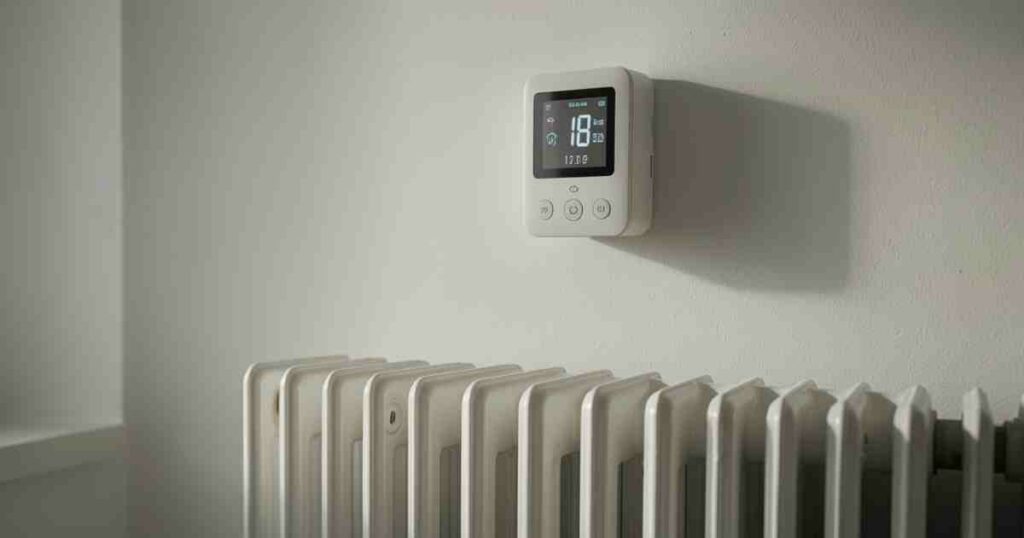
Check the Thermostat Settings
The most basic reason for a lack of heat is often a simple thermostat error. Sometimes, the setting can be accidentally changed or the batteries might be dead. Checking this first can save you a lot of worry and potentially a service call.
Make sure the thermostat is set to ‘Heat’ and not ‘Cool’ or ‘Off’. Also, confirm the desired temperature is higher than the current room temperature. If your thermostat uses batteries, try replacing them with fresh ones.
A digital display that is blank or dim is a strong indicator of dead batteries.
For many modern thermostats, a blank screen means no power. This could be due to the batteries, but in some cases, it might point to a larger electrical issue with the HVAC system itself.
If replacing batteries doesn’t solve the problem and the screen remains blank, the issue is likely deeper.
This is when you might need to move on to other checks or consider calling a professional. It’s a good first step that takes only a minute.
Inspect Your Circuit Breaker
Your heating system, like other major appliances in your home, is connected to your electrical panel via a circuit breaker.
If the breaker has tripped, it will cut off power to the furnace or heat pump, causing it to stop working. Locate your home’s electrical panel and look for any breakers that are in the “off” position or somewhere in between “on” and “off.
You might see a switch that has flipped to the middle or all the way to the “off” position.
If you find a tripped breaker, carefully reset it by pushing it firmly to the “off” position and then back to the “on” position.
It’s important to do this only once. If the breaker trips again immediately after resetting, do not try to reset it again.
This indicates a more serious electrical problem that requires a qualified electrician or HVAC technician to diagnose and repair. Continuously resetting a tripped breaker can be dangerous and may cause further damage.
Listen for Unusual Noises
Sometimes, a malfunctioning heating system will make noises that indicate a problem. If your furnace or heat pump is running but not producing heat, listen carefully for any strange sounds. These could include grinding, banging, whistling, or clicking noises.
Each type of sound can point to a different issue, such as a failing motor, a blockage in the ductwork, or a problem with the ignition system. These sounds are often early warning signs that something is not right and should not be ignored.
For example, a loud grinding noise might mean a motor bearing is going bad. A persistent whistling sound could signal a leak in the ductwork or an issue with the blower fan.
Banging might suggest something is loose within the unit or that the ductwork is expanding or contracting unevenly due to temperature changes.
If you hear any of these unusual sounds, it is a clear indication that professional attention is likely needed. These noises are your system’s way of telling you it needs help.
Troubleshooting Common Heating Issues
Once you have completed the initial checks, it is time to look at some of the most common reasons your heating system might have failed.
This section will guide you through simple troubleshooting steps that you might be able to resolve yourself.
Even if you are not mechanically inclined, understanding these potential issues can help you communicate better with a service technician if needed.
We will cover a few specific problems and what you can do about them before deciding to call a professional.
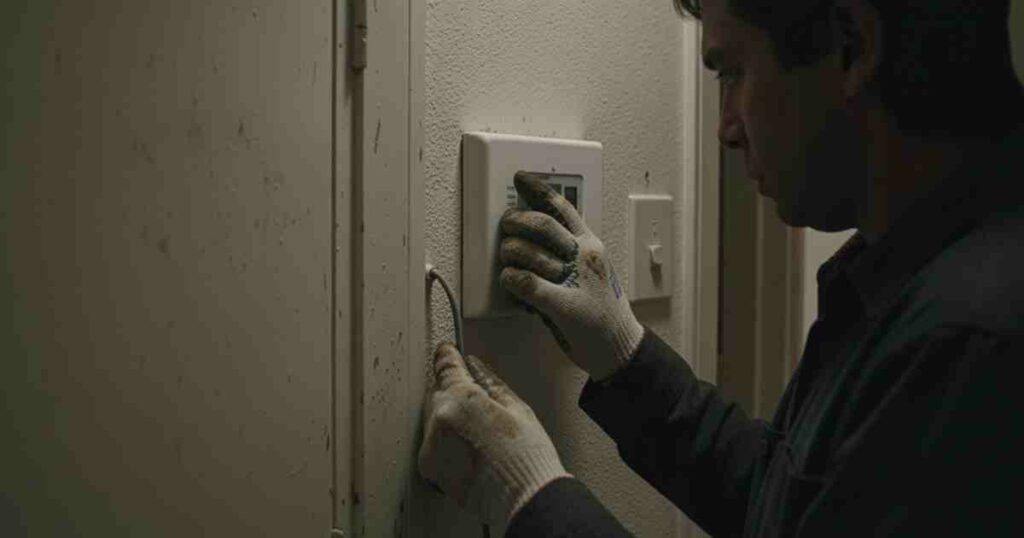
Dirty Air Filters
One of the most frequent causes of heating system problems is a clogged air filter. The air filter in your furnace or heat pump is crucial for cleaning the air that circulates throughout your home. When this filter becomes dirty and clogged with dust and debris, it restricts airflow.
This restricted airflow can cause your system to overheat, leading to a shutdown or reduced efficiency. It can also put a strain on the blower motor.
Replacing a dirty air filter is a straightforward process that most homeowners can do themselves.
Locate the filter, which is usually found in the furnace itself or in the return air duct. Note the size of the filter printed on its frame.
Purchase a new filter of the same size and type. Turn off your heating system at the thermostat before replacing the filter. Then, slide out the old filter and insert the new one, making sure to orient it in the correct direction according to the arrows printed on the filter frame.
Many experts suggest checking and replacing your air filter at least every 1 to 3 months, depending on the filter type and household conditions.
Ignition Problems in Furnaces
For gas furnaces, the ignition system is what starts the burner and produces heat. If your furnace is not producing heat, but the fan is running, it might be an issue with the pilot light or the electronic igniter. Older furnaces often have a standing pilot light that needs to be relit.
Newer models use an electronic ignition system that sparks to light the burner. If there is no ignition, the furnace will not produce heat.
If you have a pilot light system, you can usually find instructions on how to relight it on the furnace itself.
Always follow these instructions carefully and exercise caution. If you have an electronic ignition system and it is not working, this is typically not something you can fix yourself.
It often indicates a problem with the igniter itself, the flame sensor, or the gas valve, all of which require professional diagnosis. You might hear the igniter trying to spark, but if there’s no flame, it’s a clear sign of an ignition issue.
Frozen Condensate Drain Line for Heat Pumps
Heat pumps, which provide both heating and cooling, can sometimes experience issues with their condensate drain lines, especially in colder temperatures.
During the heating cycle, a heat pump removes moisture from the air. This moisture collects and drains away through a condensate line.
If the outdoor temperature drops significantly, the moisture in this line can freeze, creating a blockage. This blockage can cause the heat pump to shut down to prevent damage.
If you suspect your heat pump's condensate drain line is frozen, you can try to thaw it. Often, simply turning off the heat pump at the thermostat and allowing it to sit for a while can help.
You can also carefully use a hairdryer on a low setting to warm the exposed parts of the drain line.
Another method is to pour warm water down the drain line if you can access it. If you are uncomfortable performing these steps, or if the problem persists, it is best to call a qualified HVAC technician. This is a common issue for heat pumps when temperatures drop below freezing.
Staying Warm Safely While Waiting for Repairs
When your heating system fails, especially during the harsh winter months, it is important to take steps to stay warm and safe. Prolonged exposure to cold temperatures can be dangerous.
This section provides practical advice on how to keep your home as warm as possible and yourself safe while you wait for a repair person.
These are temporary measures designed to mitigate the immediate discomfort and risks associated with a lack of heat.
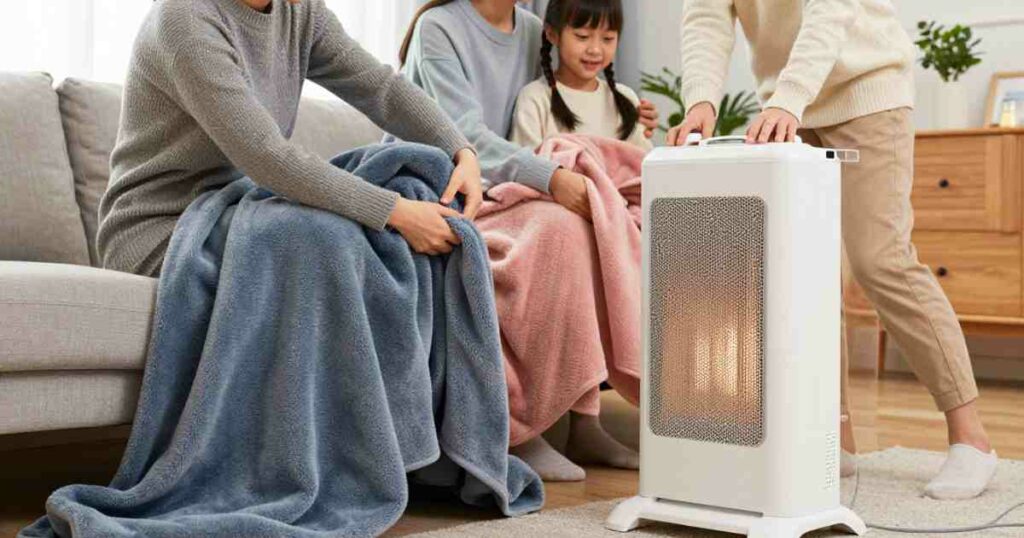
Conserve Heat in Your Home
To keep your home as warm as possible, you need to seal in any existing heat. Close all curtains and drapes, especially at night. This acts as an extra layer of insulation against the cold windows.
Block off unused rooms by closing the doors. This concentrates the heat in the areas you are actively using. You can also use towels or blankets to block drafts under doors and around windows.
Check for any obvious air leaks and try to seal them with temporary measures.
Weatherstripping and caulk are excellent for sealing drafts, but temporary solutions like towels are also effective.
Ensure all windows and doors are shut tightly. Consider placing a rolled-up towel or blanket at the bottom of any doors that lead outside to prevent cold air from entering.
Turning off ceiling fans if they are set to circulate air downwards can also help. When fans blow air down, they can actually push warm air upwards towards the ceiling, making the lower levels of your home feel colder.
Use Alternative Heat Sources Wisely
When your main heating system is down, you might consider using alternative heat sources.
Space heaters can be a good option for heating individual rooms. However, it is crucial to use them safely.
Always place space heaters on a stable, flat surface away from any flammable materials like curtains, furniture, or bedding.
Never leave a space heater unattended, especially when children or pets are in the room. Make sure the heater has an automatic shut-off feature in case it tips over.
Dress in Layers and Stay Hydrated
The simplest way to stay warm is to wear warm clothing. Layering is key. Start with a base layer, add insulating layers like sweaters or fleece, and top it off with a warm outer layer.
Wear warm socks and slippers to keep your feet from getting cold. A hat can also make a significant difference in retaining body heat, even when you are indoors.
Staying hydrated is also important; drinking warm liquids like herbal tea or broth can help you feel warmer from the inside out.
Don’t forget that hypothermia can set in quickly, even indoors, if temperatures drop too low. Be aware of the symptoms, which include shivering, confusion, drowsiness, and slurred speech.
If you or anyone in your household starts to experience these symptoms, seek medical attention immediately.
Ensure that you are drinking plenty of fluids, as dehydration can make it harder for your body to regulate its temperature effectively in cold conditions.
When to Call a Professional HVAC Technician
While some heating issues can be resolved with simple DIY steps, many require the expertise of a professional HVAC technician.
It is important to know when to stop troubleshooting and call for expert help. Attempting repairs beyond your skill level can be dangerous and may lead to more costly damage.
This section outlines the situations where professional intervention is necessary and how to find a reliable technician.
Signs Your System Needs Professional Attention
There are several clear indicators that suggest your heating system requires professional diagnosis and repair.
If you have tried the basic troubleshooting steps and your system still isn’t working, it’s time to call in the pros.
Persistent problems like a furnace that won’t ignite after multiple attempts, unusual and loud noises that you cannot identify, or any situation involving gas leaks are immediate red flags.
A system that is blowing cold air despite being set to heat, or a complete lack of airflow from your vents, also warrants a service call.
Additionally, if you notice any burning smells, electrical issues such as flickering lights or sparks, or if your system is making strange sounds like popping or hissing, do not hesitate to call an HVAC professional.
These are often signs of internal component failure or safety hazards that need to be addressed by someone with the proper training and tools.
Forgetting to mention any of these warning signs can lead to bigger problems down the line.
Choosing a Qualified HVAC Technician
When selecting an HVAC technician, it is important to choose someone who is qualified, experienced, and reputable.
Start by asking for recommendations from friends, family, or neighbors. Check online reviews and ratings for local HVAC companies.
Ensure that the technician is licensed and insured in your state. This protects you in case of accidents or damage during the repair process.
Get multiple quotes from different companies for significant repairs to ensure you are getting a fair price.
When you call a company, ask about their experience with your specific type of heating system.
For instance, if you have a heat pump, make sure they have technicians who specialize in heat pump systems. Inquire about their diagnostic fees and whether they offer emergency services, which are often necessary during winter emergencies.
A good technician will be able to clearly explain the problem, the proposed solution, and the associated costs before starting any work. Never feel pressured into agreeing to repairs you do not fully understand.
Emergency Heating Repairs
In the middle of winter, a broken heating system can be considered an emergency. Many HVAC companies offer 24/7 emergency repair services.
If your heating system fails on a weekend, holiday, or late at night, and temperatures are dangerously low, you will want to utilize these services.
Be aware that emergency services often come with higher labor rates, but your comfort and safety are paramount.
When calling for emergency service, be prepared to describe the problem in detail. The technician will likely ask you about the symptoms you are experiencing, such as the type of noises, any smells, and what troubleshooting steps you have already taken.
Having this information ready can help them diagnose the issue more quickly upon arrival.
It is also helpful to know the make and model of your heating system, as this can sometimes aid in faster problem identification.
Preventative Maintenance for Your Heating System
The best way to avoid the stress of a broken heating system in winter is through regular preventative maintenance.
By taking care of your system throughout the year, you can identify potential problems before they become major issues.
This proactive approach not only helps prevent unexpected breakdowns but also ensures your system runs efficiently, saving you money on energy bills.
Investing a little time and money into maintenance can save you a lot of hassle and expense in the long run.
Importance of Annual Inspections
Scheduling an annual inspection of your heating system is a critical part of preventative maintenance.
A qualified HVAC technician will perform a thorough check of all components, including the furnace or heat pump, thermostat, ductwork, and electrical connections.
They will clean the system, lubricate moving parts, test its performance, and identify any potential issues.
These inspections typically occur in the fall, before the peak heating season begins, but can be done at any time.
During an annual inspection, technicians will check for wear and tear on critical parts like belts, motors, and capacitors.
They will also inspect the heat exchanger for cracks, which can be a serious safety hazard as they can leak carbon monoxide. Cleaning the burners, pilot assembly, or igniter ensures efficient operation.
A well-maintained system is less likely to break down unexpectedly and will operate more efficiently, which means lower energy bills.
For instance, a study by the Department of Energy suggests that regular maintenance can improve a heating system’s efficiency by up to 5% to 15%.
DIY Maintenance Tips
Beyond professional inspections, there are several simple maintenance tasks you can perform yourself.
As mentioned earlier, regularly changing your air filters is one of the most important DIY tasks. This ensures good airflow and keeps your system running smoothly.
You should also keep the area around your outdoor unit (for heat pumps) clear of debris, leaves, and snow to ensure proper airflow.
Ensure that vents inside your home are not blocked by furniture or rugs, as this impedes air circulation.
Periodically inspect your ductwork for any visible damage or leaks. You can often seal small leaks with mastic sealant or metal tape. Listen to your system and note any unusual sounds or smells, and address them promptly.
Keeping your thermostat clean and ensuring its batteries are fresh are also small but useful maintenance steps.
These simple actions contribute significantly to the overall health and longevity of your heating system.
Understanding Your System’s Lifespan
Knowing the average lifespan of your heating system can help you plan for replacements and understand when a system might be nearing the end of its operational life.
Most furnaces and heat pumps have a lifespan of 15 to 25 years, depending on the type of system, how well it is maintained, and how frequently it is used. Older systems are more prone to breakdowns and less energy-efficient.
If your heating system is approaching or has exceeded its expected lifespan, and you are experiencing frequent problems or significant energy bill increases, it might be time to consider a
Frequently Asked Questions Of What to Do When Your Heating System Breaks in Winter
Question: What should I do first if my heater stops working in winter?
Answer: First, check your thermostat to ensure it is set to heat and the temperature is set higher than the current room temperature. Then, inspect your home’s circuit breaker panel to see if the breaker for your heating system has tripped. Reset it if necessary.
If these steps do not resolve the issue, proceed to other troubleshooting measures.
Question: How long can I safely be without heat in cold weather?
Answer: It is not safe to be without heat for extended periods in cold weather. Indoor temperatures can drop rapidly, leading to health risks like hypothermia. It is recommended to seek professional help for repairs as soon as possible, ideally within a few hours, especially if temperatures are below freezing.
Question: Can I fix a furnace igniter myself?
Answer: For most homeowners, fixing a furnace igniter is not recommended. It involves working with gas lines and electrical components, which can be dangerous. If your furnace’s igniter is not working, it is best to call a qualified HVAC technician to diagnose and repair the issue safely.
Question: How often should I change my furnace air filter?
Answer: You should check your furnace air filter monthly and replace it every 1 to 3 months, depending on the filter type and household conditions. If you have pets or allergies, you may need to change it more frequently. A clean filter is crucial for efficient system operation and indoor air quality.
Question: What is a common cause of heat pump failure in winter?
Answer: A common cause of heat pump failure in winter is a frozen condensate drain line. This happens when the moisture in the drain line freezes, creating a blockage. Other causes include refrigerant leaks, electrical problems, or issues with the outdoor unit being covered in ice or snow, restricting airflow.
Wrap Up
When your heating system breaks in winter, follow these steps to stay warm and safe. Check your thermostat and circuit breaker first. If the problem persists, identify common issues and consider if a professional is needed.
Always prioritize safety when using alternative heat sources and when waiting for repairs. Regular maintenance helps prevent these problems, ensuring your comfort and peace of mind throughout the coldest months.

![Essential Ingredients For Bread Makers[1]](https://creativehouseblog.com/wp-content/uploads/2026/03/Essential_Ingredients_For_Bread_Makers1-768x448.jpg)
![How Toasters Work Explained Simply[1]](https://creativehouseblog.com/wp-content/uploads/2026/03/How_Toasters_Work_Explained_Simply1-768x448.jpg)

![Signs Your Heating System Needs Attention[1]](https://creativehouseblog.com/wp-content/uploads/2026/05/Signs_Your_Heating_System_Needs_Attention1-768x403.jpg)
![Air Fryer Basket vs Oven Style Models Comparison[1]](https://creativehouseblog.com/wp-content/uploads/2026/03/Air_Fryer_Basket_vs_Oven_Style_Models_Comparison1-768x448.jpg)
![Air Fryer Maintenance Guide For Beginners[1]](https://creativehouseblog.com/wp-content/uploads/2026/03/Air_Fryer_Maintenance_Guide_For_Beginners1-768x448.jpg)