
Seven signs your home wiring is outdated and unsafe include flickering lights, old outlets, buzzing sounds, frequently tripped breakers, visible damage, ungrounded systems, and original aluminum wiring. These indicators signal a degraded electrical system that cannot safely support modern power demands, creating serious fire and shock hazards. Recognizing these symptoms early allows for timely professional inspection and repair, which is critical for preventing catastrophic electrical failures and ensuring household safety.
Many homeowners worry about their electrical systems. Spotting trouble early can keep your family safe.
This topic, 7 Signs Your Home Wiring Is Outdated and Potentially Unsafe, can seem tricky at first.
We break it down simply. You’ll learn what to look for without any confusing jargon. Stick around to discover the easy steps to check your home.
Key Takeaways
- You will learn common indicators of old and unsafe home wiring.
- You will understand why outdated wiring poses significant safety risks.
- This post provides clear, actionable steps for homeowners to identify issues.
- You will gain knowledge about when to call a professional electrician.
- Discover simple checks you can perform yourself to assess your home’s wiring.
![7 Signs Your Home Wiring Is Outdated and Unsafe[1]](https://creativehouseblog.com/wp-content/uploads/2026/05/7_Signs_Your_Home_Wiring_Is_Outdated_and_Unsafe1.jpg)
Signs Your Home Wiring Needs Attention
Your home’s electrical wiring is like its nervous system. It powers everything from your lights to your appliances. Over time, this system can age and become a safety hazard.
Many older homes still have original wiring that wasn’t designed for today’s power demands.
Recognizing the 7 Signs Your Home Wiring Is Outdated and Potentially Unsafe is vital for preventing fires and electrical shocks. This section explores the most obvious clues that your wiring needs a closer look.
We’ll discuss flickering lights, buzzing sounds, and why they matter.
Flickering or Dimming Lights
One of the most common and noticeable signs of electrical problems is flickering or dimming lights.
This often happens when you turn on a high-powered appliance like a microwave or vacuum cleaner. The lights might dim briefly or flicker as the appliance draws power.
This indicates that your electrical system might be struggling to handle the load.
When lights dim or flicker, it means the voltage is dropping. This can happen because the wires are too small for the amount of electricity they need to carry. It could also be a sign of loose connections somewhere in the system.
Loose connections create resistance, which can heat up the wires and cause further problems.
Imagine trying to push a lot of water through a very narrow pipe; the pressure drops and it’s harder to get the water through.
Electrical wires work similarly; if they are overloaded or have bad connections, the flow of electricity is hampered.
This issue is more than just an annoyance. Frequent flickering lights can put extra strain on your light bulbs, causing them to burn out faster.
More importantly, it’s a warning sign that your wiring may not be up to the task of powering your home safely.
It suggests the system is working harder than it should be, increasing the risk of overheating and potential fire.
Here are some key points about flickering lights:
- Dimming when appliances turn on: This is a classic sign of an overloaded circuit or undersized wiring. The system can’t deliver enough power to both the appliance and the lights at the same time.
- Lights flickering randomly: This could point to loose connections at outlets, switches, or within junction boxes. These loose points can interrupt the electrical flow intermittently.
- Lights flickering in one area: If only certain lights or outlets flicker, the problem might be localized to that specific circuit. This makes it easier to pinpoint the issue but still requires attention.
- Potential for overheating: The increased resistance from trying to push too much electricity through small wires or at loose connections generates heat. This heat is a primary cause of electrical fires.
Outdated Outlets and Switches
The outlets and switches in your home are your direct interface with the electrical system. If they look old, worn out, or don’t function correctly, it’s a clear sign of outdated wiring.
Modern homes have features like grounded outlets and better switch designs for safety and convenience.
Older homes might still have two-prong outlets or switches that feel loose or flimsy.
Two-prong outlets are a major safety concern because they lack a grounding wire. A grounding wire provides a safe path for electricity to flow away from your appliances and into the earth if there’s a fault. This prevents electrical shocks and protects your electronics from power surges.
Without a ground, any electrical malfunction could potentially energize the metal casing of an appliance, making it dangerous to touch.
Also, older switches might not have the same safety mechanisms as newer ones. They could be more prone to sparking or overheating, especially if they’re controlling high-demand appliances. A switch that feels hot to the touch after use is a serious warning.
It indicates excessive resistance and a high risk of fire.
Consider how many devices you plug in daily. Modern life requires more power than homes built decades ago were designed for. If your outlets are constantly crowded with adapters or power strips, it’s a sign your wiring can’t keep up.
This overuse can strain the existing wiring, leading to overheating and potential damage.
Here are some things to check about your outlets and switches:
- Two-prong outlets: If you still see these, your home lacks grounding protection. This is a significant safety hazard, especially for modern electronics.
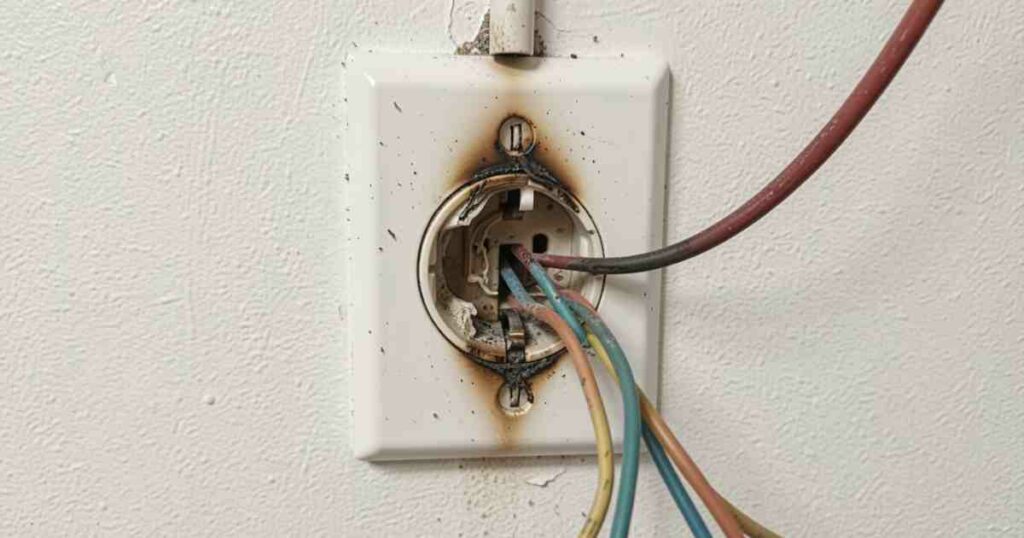
- Discolored or burnt outlets/switches: Any sign of discoloration, scorching, or melting around an outlet or switch is a serious indicator of overheating. This requires immediate attention from an electrician.
- Loose or wobbly outlets/switches: If an outlet or switch feels loose when you plug something in or flip the switch, the internal connections might be worn or damaged. This can lead to arcing and fire hazards.
- Warm to the touch outlets/switches: Outlets and switches should not feel warm during normal use. If they do, it signifies a problem with the wiring or the device itself, likely due to high resistance or faulty connections.
Buzzing Sounds from Walls or Outlets
Electricity should operate silently. If you start hearing buzzing, humming, or crackling sounds coming from your walls, outlets, or light switches, it’s a sign that something is wrong.
These noises are often caused by loose electrical connections or arcing, which is a dangerous spark that occurs when electricity jumps across a gap.
When wires are not securely connected, they can vibrate or arc. Arcing is particularly dangerous because it generates intense heat and can easily ignite surrounding materials like insulation or wood.
A buzzing sound is essentially the sound of electricity struggling to find a clean path, often at a poor connection point.
Think of it like a tiny, uncontrolled lightning strike happening inside your wall.
These sounds are not to be ignored. They are clear warnings that your electrical system is not functioning as it should and poses a significant fire risk. A crackling sound is often a precursor to arcing.
If you hear any of these sounds, it’s best to stop using the affected area or appliance and call a qualified electrician immediately.
Understanding the sounds:
- Buzzing: This can indicate loose wiring, faulty components like a dimmer switch, or a problem with an appliance plugged into the outlet.
- Humming: Often associated with transformers in certain devices, but if it’s coming from the wall or outlet itself, it could signal an issue with the wiring connection.
- Crackling: This sound is a more immediate concern, often indicating arcing. It’s the sound of electricity jumping a gap, creating a dangerous spark and heat.
- Location matters: Try to identify where the sound is coming from. Is it near a specific outlet, light fixture, or junction box? This information will be helpful for an electrician.
Frequently Tripping Circuit Breakers or Blown Fuses
Circuit breakers and fuses are safety devices designed to protect your home from electrical overloads.
When a circuit breaker trips or a fuse blows, it means that too much electricity is flowing through that circuit, or there’s a short circuit.
While occasional tripping can happen, frequent occurrences are a strong indicator of an outdated or overloaded electrical system.
Older homes may not have the capacity to handle the power demands of modern appliances.
Multiple high-draw devices running on the same circuit can easily exceed its limit, causing the breaker to trip or the fuse to blow. This is the system doing its job to prevent overheating and fires.
However, it also means your wiring is likely not sufficient for your current lifestyle.
A consistently tripping breaker means the circuit is overloaded or there’s a persistent issue. It’s not just an inconvenience; it’s a sign that your electrical panel might be undersized or the wiring throughout your home is not up to code for today’s needs.
Imagine a highway designed for a few cars suddenly having to handle thousands of trucks; it gets overwhelmed and causes traffic jams (tripped breakers).
Here’s what to consider about tripping breakers and blown fuses:
- Repeated tripping: If a breaker trips regularly, especially when you use certain appliances, your circuit is overloaded. This points to insufficient wiring capacity for your home’s needs.
- Short circuits: If a breaker trips immediately after you plug something in or flip a switch, it could indicate a short circuit. This is a direct path for electricity to flow where it shouldn’t, creating a fire hazard.
- Old fuse boxes: Homes with fuse boxes are generally older and may have less capacity than homes with modern circuit breaker panels. Fuses are also less convenient and can be more dangerous if
- Electrical panel issues: The circuit breaker panel itself can also be a source of problems.
- Aging panels may not reliably trip, or they can become a fire hazard due to corrosion or loose connections.
Signs of Damaged Wiring
Visible damage to electrical wires is an obvious sign of a problem. This damage can occur for various reasons, including age, pests, or physical impact. You might find frayed insulation, exposed wires, or wires that look brittle or worn.
Damaged insulation is a major safety concern because it exposes the conductive wires underneath.
This can lead to accidental contact with live wires, causing shocks or electrocution. It also increases the risk of wires touching each other or conductive materials, which can cause short circuits and fires.
Think of the insulation as a protective jacket for the wires; without it, they are vulnerable and dangerous.
Pests like rodents can chew on wires, damaging the insulation and creating fire hazards. Physical damage might occur during renovations or if wires are pinched or stressed.
Any visible damage to your home’s wiring should be treated as an emergency and addressed by a professional electrician immediately.
It’s like seeing a frayed electrical cord on an appliance; you know it needs to be replaced for safety.
Inspect your wiring for:
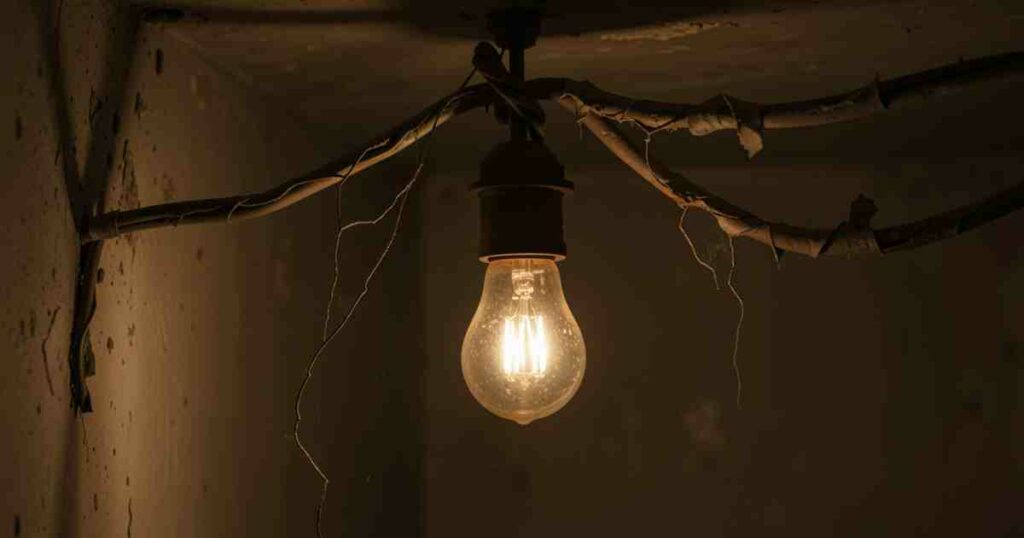
- Frayed or cracked insulation: This is the most critical sign of damaged wiring. The protective coating has broken down, leaving the live wires exposed.
- Exposed wires: If you can see the metal conductor of a wire, it is extremely dangerous. This requires immediate attention to prevent shocks and fires.
- Wires chewed by pests: Rodents can gnaw on electrical wires, damaging the insulation and creating potential hazards. Look for signs of gnawing or chewed materials.
- Burn marks on wires or boxes: Any signs of charring or burning on wiring, conduit, or electrical boxes indicate overheating and potential fire damage.
Lack of Grounding in Your Electrical System
A grounding system is a critical safety feature of any electrical installation. It provides a pathway for excess electricity to safely dissipate into the earth in the event of a fault.
Older homes often have electrical systems that were built before grounding became a standard safety requirement, meaning they lack this essential protection.
The absence of a proper grounding system is one of the most significant indicators that your home’s wiring is outdated and potentially unsafe.
Without a ground wire, if an electrical appliance malfunctions and an electrical current flows to its metal casing, that casing can become energized. Anyone who touches the appliance could then receive a severe electrical shock.
The grounding wire acts like a dedicated emergency escape route for stray electricity.
Modern appliances, sensitive electronics, and surge protectors all rely on a grounded electrical system to function correctly and safely.
Using these devices in a home without proper grounding can not only be dangerous but can also damage the devices themselves.
It’s like trying to use a modern smartphone without a strong Wi-Fi signal; some features won’t work, and it’s less reliable.
Key aspects of grounding:
- Two-prong outlets: As mentioned, homes with only two-prong outlets typically lack a ground connection. These outlets are a strong sign of an outdated system.
- No surge protection: If you can’t use whole-house surge protectors or your plug-in surge protectors often fail, it may be because your system isn’t properly grounded.
- Older electrical panels: While not always the case, very old electrical panels and wiring methods are often associated with a lack of grounding.
- Increased risk of shock: The primary danger of lacking a grounding system is the significantly increased risk of electrical shock for occupants.
Old Aluminum Wiring
In the mid-1960s to mid-1970s, aluminum wiring was used as a substitute for copper in some homes due to rising copper prices.
While aluminum is a conductor, it has properties that make it a less safe choice for home electrical systems compared to copper, especially with older connection methods.
Aluminum expands and contracts more than copper when heated and cooled. This expansion and contraction can cause connections at outlets, switches, and circuit breakers to loosen over time. Loose connections create higher resistance, leading to overheating.
This overheating is a significant fire hazard. The oxidation of aluminum also increases resistance at connection points, further contributing to heat buildup.
Because of these risks, aluminum wiring installed during that era is considered a major safety concern.
It requires specialized connectors and ongoing maintenance by electricians experienced with this type of wiring.
If your home was built or wired during that specific period, it’s worth investigating whether aluminum wiring was used.
Many insurance companies also have specific requirements or surcharges for homes with aluminum wiring.
Here’s what to know about aluminum wiring:
- Age of home: Homes built or wired between the mid-1960s and mid-1970s are the most likely to have aluminum wiring.
- Connection issues: The primary danger stems from how aluminum connections can loosen and overheat over time, leading to potential fires.
- Specialized repairs: Repairs and modifications to aluminum wiring require specific tools and connectors designed for aluminum. Standard copper-only connectors are not safe to use.
- Visual identification: While often hidden, if you can see wires entering outlets or switches, you might be able to identify aluminum wiring by its silver color.
Why Old Wiring is Dangerous
The dangers associated with outdated home wiring are significant and multi-faceted. Homes built many decades ago were not designed to meet the electrical demands of today’s technology-filled lives.
We use far more electronic devices, power-hungry appliances, and smart home gadgets than ever before.
Old wiring simply wasn’t built to handle this increased load safely.
The primary risks include electrical fires, electric shocks, and damage to appliances and electronics.
Overloaded circuits generate excessive heat, which can melt insulation and ignite surrounding combustible materials within your walls. This is a leading cause of house fires.
Furthermore, outdated systems often lack essential safety features like proper grounding, increasing the likelihood of dangerous electrical shocks to household members.
The consequences of ignoring these signs can be devastating. A small electrical issue can escalate into a major disaster very quickly.
Understanding these risks underscores the importance of regular checks and professional assessments for any home, especially older ones.
It’s about protecting your property and, more importantly, the lives of everyone living in it.
Electrical Fires Explained
Electrical fires are a serious threat, and outdated wiring is a major contributor. These fires often start silently within walls, making them hard to detect until they become widespread.
The root cause is typically overheating electrical components, which can ignite nearby flammable materials like wood framing, insulation, or dust.
Overheating occurs when electrical circuits are overloaded, meaning they are trying to carry more electrical current than they are designed for.
This can happen when too many appliances are plugged into a single circuit, or when devices draw more power than the wiring can safely supply.
Another cause is faulty wiring connections; loose or corroded connections create resistance, generating heat at that specific point.
When wires get too hot, the plastic insulation around them can melt. This melted insulation can expose the bare wires, leading to short circuits.
A short circuit is when electricity takes an unintended path, often causing sparks (arcing).
These sparks are incredibly hot and can easily set fire to anything they come into contact with. It’s a domino effect where a minor electrical issue turns into a major fire hazard.
Statistics highlight the danger:
- According to the National Fire Protection Association (NFPA), electrical distribution systems were involved as the leading ignition factor in an estimated average of 27,700 home structure fires per year in the U.S. between 2015-2019.
- These fires caused an average of 280 deaths, 1,050 injuries, and $600 million in direct property damage annually.
- Electrical malfunctions are one of the top causes of home fires, making it crucial to maintain your home’s electrical system.
Here’s how electrical fires can start:
- Overloaded circuits: Trying to run too many devices on one circuit causes wires to overheat.
- Faulty outlets and switches: Worn-out or damaged electrical devices can overheat and spark.
- Damaged wiring: Frayed insulation or exposed wires can lead to short circuits and arcing.
- Old or faulty circuit breakers: If breakers don’t trip properly, they can fail to stop dangerous overloads, leading to overheating.
- Improper wiring repairs: Using incorrect materials or methods for repairs can create new hazards.
The Risk of Electric Shock
Electric shock is a serious danger, and outdated wiring significantly increases this risk. When your home’s electrical system is not properly grounded or has damaged components, it creates pathways for electricity to flow unexpectedly, potentially through a person.
A lack of proper grounding is a primary culprit. In a grounded system, if a fault occurs within an appliance and its metal casing becomes energized, the ground wire safely directs that current away into the earth.
Without this pathway, anyone touching the energized appliance and a grounded surface (like a water pipe or concrete floor) can complete the circuit, resulting in an electric shock.
The severity of the shock can range from a mild tingle to severe burns, muscle contractions, cardiac arrest, and even death.
Damaged insulation on wires is another major shock hazard. When the protective covering of a wire is compromised, bare conductors can be exposed. If someone accidentally touches these live wires, they can receive a shock.
This is why it’s crucial to address any signs of frayed or damaged wiring immediately. It’s not worth the risk to save a bit of money on repairs.
Sample Scenario:
- A homeowner has an old washing machine with a metal casing. The internal wiring of the machine has a fault, causing the metal casing to become live with electricity.
- Because the home has two-prong outlets and no proper grounding, there is no safe path for this stray electricity to go.
- The homeowner reaches out to close the washing machine lid and, at the same time, touches a metal pipe from the nearby sink.
- The homeowner’s body now provides a path for the electricity to flow from the washing machine, through their body, and to the ground via the sink pipe, resulting in a severe electric shock.
Protecting yourself from shocks involves ensuring your wiring is up to modern safety standards:
- Grounding is essential: Ensure all outlets are properly grounded, especially in areas like kitchens and bathrooms where contact with water is common.
- Inspect cords and plugs: Regularly check appliance cords and plugs for any signs of damage. Replace damaged ones immediately.
- Avoid overloading outlets: Do not use too many devices on a single outlet or extension cord.
- GFCI outlets: Ground Fault Circuit Interrupter (GFCI) outlets provide an extra layer of protection against shocks, especially in damp areas.
When to Call a Professional Electrician
Recognizing the signs is the first step. The next, most important step is knowing when to bring in a qualified professional. Electrical work can be dangerous and often requires specialized knowledge and tools.
Attempting complex electrical repairs yourself without the necessary expertise can lead to further damage, injury, or even fire.
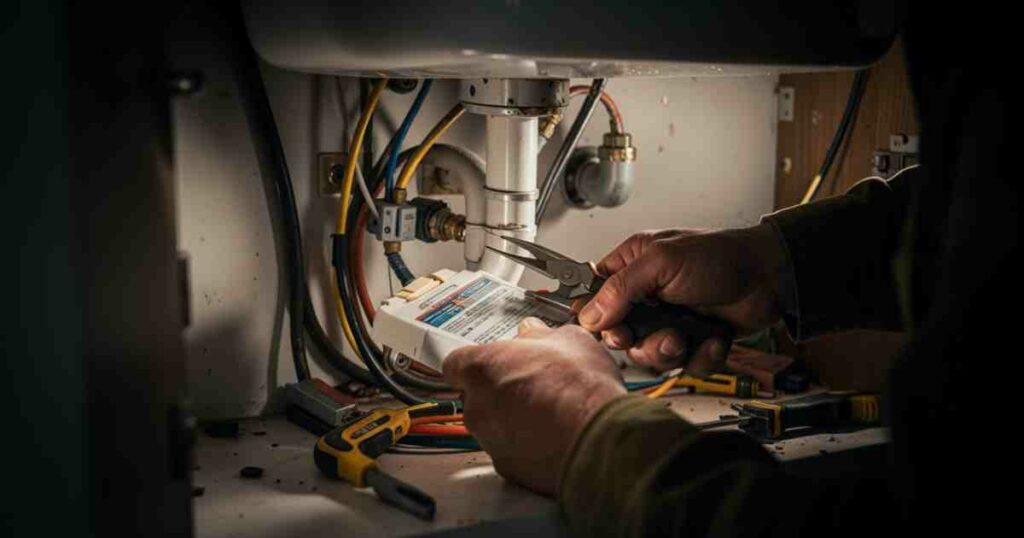
A licensed electrician has the training to diagnose electrical problems accurately, perform necessary repairs safely, and ensure your home’s wiring meets current safety codes.
They can assess the overall condition of your electrical system, identify potential hazards you might miss, and make recommendations for upgrades or repairs. It’s always better to err on the side of caution when it comes to electricity.
Consider these points about calling an electrician:
- Safety first: Electrical work can be dangerous. A professional has the knowledge and safety equipment to do the job correctly.
- Code compliance: Electricians ensure your wiring meets all current building and safety codes.
- Expert diagnosis: They can pinpoint the exact cause of issues like flickering lights or tripping breakers.
- Upgrades and modernizations: Electricians can upgrade your system to handle modern power needs, such as adding more circuits or installing GFCI outlets.
- Peace of mind: Having a professional assess and repair your wiring provides assurance that your home is safe.
Assessing Your Electrical Panel
The electrical panel, often called the breaker box or fuse box, is the central hub of your home’s electrical system.
It distributes power to all the different circuits in your house. The condition and capacity of your electrical panel are critical indicators of your home’s overall wiring safety and ability to meet modern demands.
Many older homes still have original electrical panels that are undersized for today’s electrical loads.
A panel that is constantly tripping breakers or has old, outdated fuses is a strong sign that it needs attention.
Some older panels, like those with Federal Pacific Electric (FPE) Stab-Lok or Zinsco breakers, have known safety issues and are considered fire hazards by many safety organizations and electricians.
These panels may not trip reliably when they should, or they can overheat.
If your panel looks corroded, has burn marks, or feels warm to the touch, these are all serious warning signs.
An electrician can inspect your panel, assess its capacity, and determine if it needs upgrading to a more modern, safer, and higher-capacity panel.
An upgrade can significantly improve your home’s safety and its ability to power all your modern devices without issues.
What to look for in your electrical panel:
- Age of the panel: Panels over 20-30 years old may be nearing the end of their reliable lifespan and might not meet current safety standards.
- Capacity: Does the panel have enough circuits to handle your current power needs? Modern homes often require more circuits than older panels were designed for.
- Breaker type: Are the breakers old, rusty, or showing signs of wear? Are there any known problematic brands like FPE or Zinsco?
- Physical condition: Look for signs of rust, corrosion, burn marks, or melting around the panel or breakers. Any of these indicate a serious problem.
- Frequent tripping: If breakers trip often, it could be a sign the panel is overloaded or faulty.
Professional Inspection and Upgrades
A professional electrical inspection is the most effective way to get a clear picture of your home’s wiring health.
Electricians use specialized tools and their expertise to identify issues that are not visible to the average homeowner.
This inspection can reveal problems like hidden damage, insufficient wire gauges, and code violations.
Based on the inspection, an electrician can recommend necessary upgrades. These might include replacing outdated wiring, adding new circuits to handle increased loads, installing Ground Fault Circuit Interrupter (GFCI) outlets in areas prone to moisture, or upgrading your entire electrical panel.
These upgrades are not just about convenience; they are crucial investments in your home’s safety and value.
For example, upgrading from old two-prong outlets to modern three-prong grounded outlets is a significant safety improvement.
Adding dedicated circuits for high-demand appliances like air conditioners or electric ovens ensures they can operate safely without overloading existing circuits.
While these upgrades can seem costly, they prevent much larger expenses down the line, such as fire damage or injury.
A professional inspection covers:
- Wiring condition: Assessing the age and condition of all visible wiring throughout the house.
- Outlet and switch functionality: Checking for proper grounding, secure connections, and signs of wear.
- Electrical panel evaluation: Inspecting the panel for capacity, safety, and any signs of damage or malfunction.
- Code compliance: Ensuring the entire electrical system meets current safety standards.
- Load calculation: Determining if your system can safely handle the electrical demands of your household.
Cost Considerations for Electrical Upgrades
The cost of electrical upgrades can vary widely depending on the scope of work. Simple tasks like replacing a few outlets might be relatively inexpensive.
However, a complete rewiring of an older home or a panel upgrade can be a significant investment.
It’s important to get detailed quotes from multiple licensed electricians.
Factors influencing cost include the size of your home, the complexity of the existing wiring, the type of upgrades needed, and local labor rates.
For instance, rewiring an entire house can range from several thousand to over ten thousand dollars.
A main electrical panel upgrade might cost anywhere from $1,500 to $3,000 or more, depending on the complexity and the number of circuits required.
Despite the initial cost, view electrical upgrades as an investment in safety and long-term home value.
The potential cost of a house fire or severe electrical shock far outweighs the expense of preventative maintenance and upgrades.
Many homeowners find that the peace of mind and improved functionality are well worth the investment.
Here’s a general idea of upgrade costs:
| Service | Estimated Cost Range |
|---|---|
| Replacing outlets (per outlet) | $75 – $200 |
| Installing GFCI outlets (per outlet) | $100 – $250 |
| Adding a new circuit breaker | $200 – $500 |
| Electrical panel upgrade | $1,500 – $3,000+ |
| Whole-house rewiring | $5,000 – $15,000+ |
Understanding these costs helps in planning for necessary improvements. Always ask for a written estimate that details all parts and labor involved before agreeing to any work. Compare quotes not just on price, but also on the electrician’s reputation and experience.
Frequently Asked Questions Of 7 Signs Your Home Wiring Is Outdated and Unsafe
Question: What are the main dangers of old home wiring
Answer: The main dangers include electrical fires caused by overheating and damaged insulation, and electric shocks from faulty connections or lack of grounding. Old wiring often can’t handle modern power demands, increasing these risks.
Question: How can I tell if my home has aluminum wiring
Answer: Homes built between the mid-1960s and mid-1970s are most likely to have it. You might see silver-colored wires. It’s best to have an electrician inspect it, as aluminum wiring connections can be a fire hazard if not properly maintained.
Question: My lights flicker sometimes what does that mean
Answer: Flickering or dimming lights often indicate that your electrical system is overloaded or has loose connections. This means the wiring might be struggling to provide enough power or that electricity isn’t flowing smoothly, which can lead to overheating.
Question: Is it safe to have two-prong outlets
Answer: No, two-prong outlets mean your home likely lacks proper grounding. This significantly increases the risk of electric shock, especially when using modern appliances, and offers no protection for your electronics during power surges.
Question: How often should I get my home’s wiring inspected
Answer: If your home is over 20 years old, it’s wise to have your electrical system inspected by a qualified electrician every 3-5 years. If you notice any of the warning signs, schedule an inspection immediately.
Wrap Up
You’ve learned about the clear signs of outdated and unsafe home wiring. From flickering lights to buzzing sounds, these indicators are your home’s way of telling you it needs attention.
Addressing issues like two-prong outlets or old aluminum wiring is essential for preventing fires and shocks.
A professional inspection is your best next step for ensuring your home is safe and up-to-date.

![Why Bread Burns in Toasters[1]](https://creativehouseblog.com/wp-content/uploads/2026/03/Why_Bread_Burns_in_Toasters1-768x448.jpg)
![How Often Should You Clean Your Gutters and Why[1]](https://creativehouseblog.com/wp-content/uploads/2026/05/How_Often_Should_You_Clean_Your_Gutters_and_Why1-768x403.jpg)
![8 Ways To Clean A Panini Press Without Damaging It[1]](https://creativehouseblog.com/wp-content/uploads/2026/04/8_Ways_To_Clean_A_Panini_Press_Without_Damaging_It1-768x448.jpg)
![10 Foods You Can Cook In A Deep Fryer (Beyond Fries)[1]](https://creativehouseblog.com/wp-content/uploads/2026/04/10_Foods_You_Can_Cook_In_A_Deep_Fryer_Beyond_Fries1-768x448.jpg)
![What to Check in Your Home Every Month[1]](https://creativehouseblog.com/wp-content/uploads/2026/05/What_to_Check_in_Your_Home_Every_Month1-768x403.jpg)
![Home Maintenance Checklist for Busy Families[1]](https://creativehouseblog.com/wp-content/uploads/2026/05/Home_Maintenance_Checklist_for_Busy_Families1-768x403.jpg)