
You can safely inspect your roof from the ground using binoculars and drones to get a clear view of the entire surface. This method allows you to identify key issues like missing, cracked, or deteriorating shingles, as well as debris accumulation in gutters and downspouts. Performing these regular visual checks is crucial for catching minor problems early and preventing them from developing into significant structural damage.
Checking your roof for problems can feel tricky, especially if you’re not used to climbing. Many people worry about climbing ladders or don’t know where to start looking.
That’s why learning how to inspect your roof without getting on a ladder is super helpful for everyone.
We’ll show you a simple way to do it, step by step, so you can spot issues early and keep your home safe and sound. Get ready to see your roof in a whole new light!
Key Takeaways
- You can effectively check your roof’s condition from the ground using simple tools and observation.
- Identifying common roof problems like missing shingles or debris is possible without climbing.
- Binoculars and drones offer valuable perspectives for a closer look at roof details.
- Regular ground-level inspections help catch minor issues before they become major repairs.
- Understanding what to look for guides you in assessing your roof’s overall health.
![How to Inspect Your Roof Safely From Ground[1]](https://creativehouseblog.com/wp-content/uploads/2026/05/How_to_Inspect_Your_Roof_Safely_From_Ground1.jpg)
How to Inspect Your Roof From the Ground
Inspecting your roof from the safety of the ground might seem limiting, but it’s a smart and safe first step for any homeowner.
Many common roof issues can be spotted with a keen eye and a bit of knowledge, saving you the risk associated with climbing ladders.
This method is especially great for beginners or for those who simply prefer to stay grounded.
We’ll cover the tools and techniques you can use to get a good overview of your roof’s condition without ever stepping foot on it.
This proactive approach helps you catch small problems early, potentially saving you a lot of money and stress down the road.
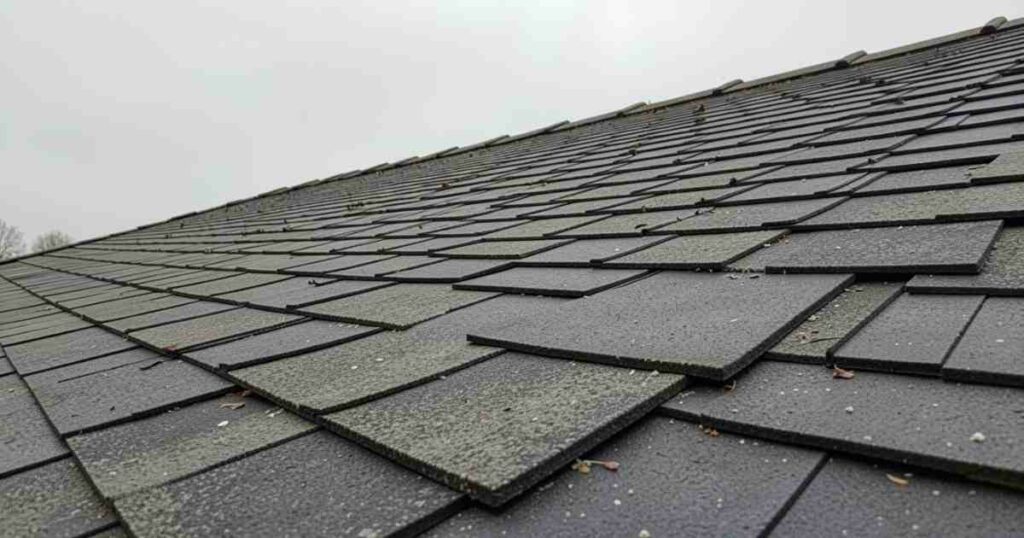
Using Your Eyes and Basic Tools
The most straightforward way to inspect your roof from the ground is by using your own eyes and some common tools.
Start by walking around your entire house, looking up at the roof from different angles. This allows you to see the overall shape and spot any obvious damage.
Pay attention to the roof’s edges, particularly where it meets the walls. Look for areas where shingles might be lifting, curling, or missing entirely. These are clear signs of wear and tear or potential leaks waiting to happen.
Don’t forget to look at your gutters too, as they can give clues about drainage problems or shingle damage.
A simple pair of binoculars can greatly enhance your ground-level inspection. With binoculars, you can get a closer look at shingles, flashing, and other roof components without needing to be right up against the house.
This is particularly useful for spotting smaller details like cracks in shingles, moss growth, or debris that might be accumulating in valleys.
The extra magnification helps you see potential issues from a safe distance. This tool makes it feel like you’re getting a much more detailed view.
Consider using a good quality camera with a zoom lens or even your smartphone camera with its zoom function.
Taking pictures allows you to document what you see and examine the images more closely later. You can zoom in on specific areas to get a better look at any suspicious spots.
This also provides a record of your roof’s condition over time, making it easier to track any changes or developing problems.
What to Look For From the Ground
When you are inspecting your roof from the ground, there are several key indicators of potential problems you should be looking for.
The first is obvious damage to shingles. Look for shingles that are cracked, bent, curled, or outright missing.
These are typically the most vulnerable parts of your roof and a missing or damaged shingle can allow water to seep underneath, leading to rot and other damage.
Pay attention to the color of the shingles as well; any unusual darkening or bald spots might indicate granule loss, which is a sign of aging and wear.
Another important sign is the presence of debris. Leaves, branches, and other trash can accumulate on your roof, especially in valleys or around chimneys and vents. This debris can trap moisture, promoting rot and inhibiting proper water drainage.
Moss and algae growth are also signs that your roof may be holding too much moisture, which can degrade roofing materials over time. If you see a lot of this growth, it’s a signal that your roof might need cleaning or that there are underlying drainage issues.
Check the flashing around any openings on your roof, such as chimneys, vents, or skylights.
Flashing is the metal material used to seal these areas and prevent water from entering. Look for signs of rust, corrosion, or loose flashing.
Damaged or improperly installed flashing is a very common cause of leaks. Make sure it looks secure and in good condition.
Even small gaps or tears in flashing can lead to significant water damage inside your home.
Spotting Problems in Gutters and Downspouts
Your gutters and downspouts are vital parts of your home’s water management system, and they can tell you a lot about what’s happening on your roof.
When inspecting your roof from the ground, spend time observing these components. If your gutters are overflowing, clogged with debris, or pulling away from the house, it suggests that water isn’t draining away properly.
This can put excess stress on your roof and foundation, and it’s a sign that the system isn’t working as it should.
Look inside the gutters for granules that have washed off your shingles. This granule loss is a sign that your shingles are aging and their protective layer is wearing thin.
A significant amount of granules in the gutter means the shingles are degrading faster than they should, and it might be time to consider a roof replacement sooner rather than later.
Also, check for any stains or streaks running down from the roofline onto the siding or gutters.
These can indicate where water is running off unexpectedly, potentially pointing to compromised flashing or damaged shingles.
Observe the downspouts to see where the water is being directed. The water should flow away from your home’s foundation. If water is pooling near the foundation, it can cause serious structural damage over time.
This indicates that your gutter system may not be sufficient for heavy rain, or that the downspouts are not positioned correctly.
Addressing these gutter and downspout issues is a crucial part of overall roof and home maintenance, even though it’s not directly on the roof itself.
Using Technology for a Better View
In today’s world, technology offers some fantastic ways to get a close look at your roof without ever leaving the ground.
These tools can give you a much clearer picture than your naked eye alone and can help identify problems you might otherwise miss. They provide a safe and efficient way to conduct a thorough inspection.
Think of them as your high-tech eyes for your home’s upper level.

The Role of Drones
Drones have become incredibly popular for roof inspections, and for good reason. A drone equipped with a good camera can fly up and around your roof, capturing high-resolution photos and videos from every angle.
This means you can see areas that are difficult to access even with a ladder, like steep pitches or complex roof lines.
The drone can hover in place, allowing for steady, detailed views of shingles, valleys, flashing, and chimneys.
Using a drone for inspection can save you time and reduce the risk of accidents. You can simply pilot the drone from your yard and review the footage on your screen later.
Many drones now have features like obstacle avoidance and GPS mapping, making them even easier to use.
The images captured can be zoomed in on, allowing you to spot even small cracks or granule loss on shingles.
Some advanced drones can even perform automated roof scans, creating 3D models for even more detailed analysis.
The data collected by a drone can be invaluable. You can use the photos and videos to track changes over time, identify specific problem areas, and even show potential roofing contractors exactly what issues you’re concerned about. This can lead to more accurate quotes and a better understanding of the work needed.
It’s like having a professional inspector at your fingertips, all from the comfort of your own yard.
Leveraging Binoculars and Zoom Lenses
While drones offer a bird’s-eye view, high-powered binoculars and cameras with strong zoom lenses are also essential tools for ground-level roof inspection.
These allow you to magnify specific areas of concern from a distance. If you spot something unusual from across the yard, binoculars let you zoom in and get a clearer picture without having to move closer or get on a ladder.
When using binoculars, scan the entire roof systematically. Focus on areas like the ridge cap, valleys, and around penetrations like vents. Look for any signs of wear, damage, or loose materials.
For instance, you might be able to see if a shingle is lifting, if there’s excessive moss growth, or if the sealant around a vent is cracked. These details are crucial for diagnosing potential problems before they escalate into leaks.
Similarly, a camera with a good zoom lens, like a telephoto lens on a DSLR camera or the optical zoom on a high-end smartphone, can provide clear, detailed images.
These images can be saved and reviewed later, allowing for careful examination. You can even send these photos to a roofing professional for an initial opinion.
Using these tools effectively means you can gather a significant amount of information about your roof’s condition without any risk.
Common Roof Issues Visible From the Ground
Even from the ground, a variety of common roof problems are visible. Many of these issues, if caught early, can be repaired relatively easily.
Recognizing these signs empowers you to take action before minor concerns turn into major, expensive repairs.
This section will highlight the typical problems you can identify with careful observation from a safe distance.
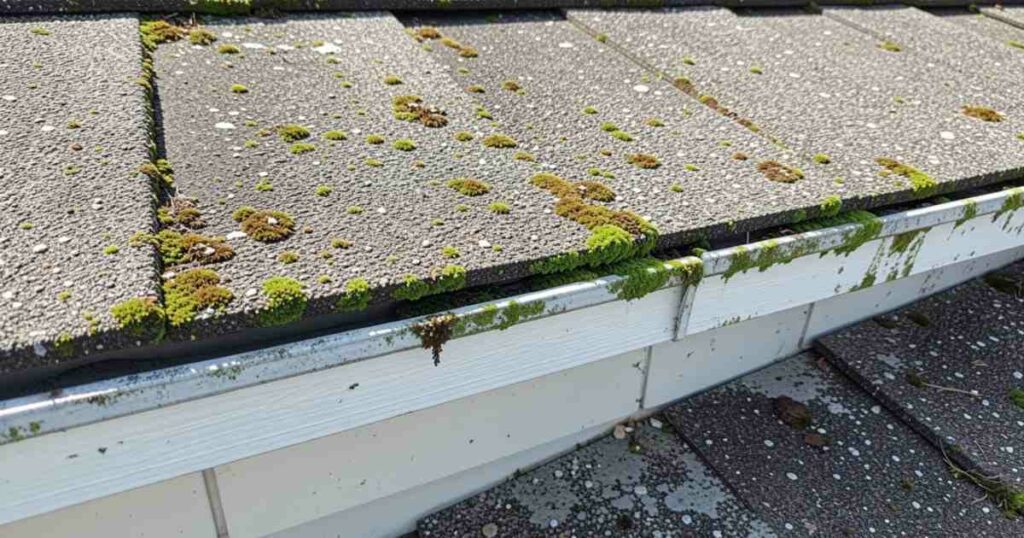
Shingle Damage and Deterioration
Shingles are your roof’s first line of defense against the elements, and their condition is a primary indicator of roof health.
From the ground, you can often spot several types of shingle damage. The most obvious is missing shingles, which leave sections of your roof exposed.
Look for gaps in the pattern or areas where shingles have clearly blown off or lifted.
Curling or cupping shingles are another common sign of age and wear. This happens when the edges of the shingles start to lift or bend upwards, often due to heat, moisture, or age.
These curled shingles are more susceptible to wind damage and can allow water to sneak underneath.
You might also see cracked shingles, which can appear as splits or fractures on the surface. These cracks can worsen over time, leading to granule loss and potential leaks.
Granule loss is a critical sign of shingle deterioration. Asphalt shingles have a protective layer of mineral granules that shield them from UV rays and weather.
If you see bald spots on shingles or a significant amount of dark granules in your gutters, it means these shingles are wearing out.
While some granule loss is normal over time, excessive loss indicates that the shingles are nearing the end of their lifespan and may need replacement.
Debris Accumulation and Growth
Accumulation of debris on your roof is more than just an eyesore; it can seriously impact your roof’s longevity.
Leaves, twigs, pine needles, and other organic matter can collect in roof valleys, around chimneys, and in shaded areas.
This debris traps moisture, creating a damp environment that can lead to mold, mildew, and rot on your roofing materials and the underlying wood structure.
Moss and algae are common types of growth that can appear on roofs, especially in damp, shady climates.
While moss might look soft, its root-like structures can actually damage shingles by lifting their granules and trapping moisture underneath. Algae can cause unsightly dark streaks, but it also contributes to moisture retention.
If you notice extensive moss or dark staining, it’s a sign that your roof might be holding too much water and needs attention.
Areas where water tends to pool due to poor drainage are prime spots for debris to gather and growth to start.
These include valleys, the areas where two roof slopes meet, and around any fixtures that interrupt the roofline.
Keeping these areas clear is vital for preventing water damage and prolonging the life of your roof.
Regular visual checks from the ground can help you spot these problem areas easily.
Flashing Issues and Sealant Deterioration
Flashing is the critical material used to seal joints and openings in your roof, preventing water from entering your home.
These are often made of metal, like aluminum or galvanized steel, and are found around chimneys, vents, skylights, and where roof planes meet. From the ground, you can often spot compromised flashing.
Look for signs of rust, corrosion, or damage to the metal itself. These can weaken the flashing and make it less effective.
Sealants, like caulk or tar, are used in conjunction with flashing to create a waterproof barrier.
Over time, these sealants can dry out, crack, shrink, or even peel away. This deterioration leaves gaps that can allow water to seep into your roof structure.
When inspecting, look for areas where the sealant appears brittle, cracked, or missing around flashing. This is a common point of failure for roofs.
A common mistake is not noticing loose or lifted flashing. Wind can sometimes catch an edge of flashing and lift it away from the roof surface. This creates an opening that water can easily exploit.
Even small sections of dislodged flashing should be a cause for concern. The integrity of your roof’s flashing is directly linked to preventing leaks, so carefully inspecting these areas from the ground, perhaps with binoculars, is very important.
When to Call a Professional
While ground-level inspections are fantastic for initial assessments and regular maintenance checks, there are times when you’ll need to call in the experts.
Recognizing the limits of DIY inspection is key to ensuring your home remains well-protected.
Professionals have the training, experience, and equipment to identify issues you might miss and to perform safe, effective repairs.
Signs You Need Expert Help
If your ground-level inspection reveals significant damage, such as large areas of missing shingles, extensive granule loss across much of the roof, or visible sagging in the roofline, it’s time to call a professional.
These are often indicators of more serious underlying issues that require expert diagnosis and repair.
A professional can determine if the roof deck is compromised or if there are widespread structural problems.
Any signs of water damage inside your home should also prompt a call to a roofer. Stains on ceilings, peeling paint, mold growth in the attic, or water seeping through light fixtures are all serious warnings.
These issues suggest that water is actively getting into your home, and immediate professional attention is needed to find and fix the source of the leak.
Furthermore, if your roof is older and nearing the end of its expected lifespan (typically 20-30 years for asphalt shingles, depending on the type and climate), it’s wise to have it inspected by a professional periodically.
They can provide an honest assessment of its condition and advise you on whether it’s time for repairs or a complete replacement.
They can also identify issues that aren’t visible from the ground, like rot or damage to the underlayment.
Using Photos to Get Quotes
When you’ve identified potential issues from your ground-level inspection, using your photos can be a powerful tool when contacting roofing professionals.
Take clear, well-lit pictures of any damaged shingles, corroded flashing, debris buildup, or problem areas you’ve observed.
Also, include photos of the overall roof from different angles and any visible issues with your gutters.
Sharing these photos with multiple roofing companies can help them provide more accurate initial estimates without needing to dispatch a crew for every preliminary inquiry.
You can email them or show them on a tablet when they visit. This saves everyone time and helps you compare quotes more effectively.
It also shows the contractor that you’ve done your homework, which can lead to a more productive conversation about the necessary repairs or replacements.
Be aware that even with photos, a professional will almost always need to conduct an on-site inspection to provide a final, binding quote.
This is because ground-level photos can’t capture everything, such as the condition of the underlying roof deck or hidden water damage.
However, using your documented findings can streamline the process and ensure the contractor understands the scope of potential work from the outset.
Preventative Maintenance From the Ground
Regular preventative maintenance is key to a long-lasting roof, and much of this can be done effectively without ever climbing a ladder. By making ground-level checks a part of your routine, you can catch small problems before they become big headaches.
This section will focus on simple actions you can take from your yard to keep your roof in good shape.
Keeping Gutters Clean
Clean gutters are essential for directing water away from your home. Debris-filled gutters can cause water to back up onto your roof or overflow, potentially damaging fascia boards and siding, and even seeping into your attic or walls. From the ground, you can visually check your gutters for signs of blockage.
If you can see leaves, twigs, or standing water in the gutters, they need cleaning.
While deep gutter cleaning might require a ladder for full access, you can often dislodge minor blockages or clear debris from the lower sections using a broom or a long-handled tool.
Many people also opt for gutter guards, which are screens or covers that prevent debris from entering the gutters in the first place. While these still require occasional cleaning, they significantly reduce the frequency of full cleanings.
Observing downspouts is also part of gutter maintenance. Ensure they are clear and directing water away from your foundation.
If downspouts are clogged, water can pool around your house, leading to basement flooding or foundation issues.
A quick check to see water flowing freely from the downspouts after rain is a good indicator that they are functioning correctly.
Clearing Debris and Trimming Trees
Keeping your roof clear of debris is a critical preventative measure. Regularly scan your roof from the ground for fallen leaves, branches, and other debris, especially after storms. Pay close attention to valleys and areas around chimneys and vents where debris tends to collect.
If you see significant amounts, try to remove them using a long-handled broom or a leaf blower from the ground if possible, aiming to push debris off the roof and into an area where it can be collected.
Tree branches that hang over your roof are a major hazard. They can scrape shingles, cause granule loss, and are a pathway for pests.
Overhanging branches are also a concern during high winds or storms, as they can break and fall onto your roof, causing significant damage.
If you have trees with branches close to or touching your roof, it’s best to trim them back. This may require professional services, but it’s a crucial step in protecting your roof.
Consider the type of trees you have. Some trees, like pine trees, shed needles that can accumulate quickly and hold moisture. Other trees might drop seeds or fruit that can also contribute to roof debris.
Understanding your local foliage and its impact on your roof will help you plan your preventative maintenance schedule more effectively.
Frequently Asked Questions Of How to Inspect Your Roof Safely From Ground
Question: How often should I inspect my roof from the ground?
Answer: It is a good idea to inspect your roof from the ground at least twice a year, typically in the spring and fall. Also, inspect it after any major storm event that could have caused damage.
Question: Can I really spot all roof problems from the ground?
Answer: You can spot many common issues like missing shingles, debris, and flashing problems. However, some internal damage or issues with the roof deck might not be visible from the ground and may require a professional inspection.
Question: What are the best binoculars for roof inspection?
Answer: Look for binoculars with good magnification (e.g., 8x or 10x) and a wide field of view. Weather-resistant models are also a plus.
Question: What should I do if I see moss on my roof?
Answer: Moss can damage shingles. While some cleaning products can be used, it is often best to consult a professional roofer or cleaning service for safe and effective removal to avoid damaging the roof.
Question: Is it safe to use a drone to inspect my roof?
Answer: Yes, using a drone is generally safe as long as you follow the drone’s operating manual and local regulations. It allows for detailed inspection without physical risk.
Summary
Inspecting your roof from the ground is a practical and safe way to monitor its condition. By using your eyes, binoculars, and even drones, you can identify common issues like damaged shingles, debris, and worn flashing.
Regular ground checks help you catch problems early, saving money and protecting your home from water damage.
This proactive approach ensures your roof stays strong and functional.

![Air Fryer Power Consumption Guide Explained Simply[1]](https://creativehouseblog.com/wp-content/uploads/2026/03/Air_Fryer_Power_Consumption_Guide_Explained_Simply1-768x448.jpg)
![10 Easy Meals You Can Make With Sous Vide[1]](https://creativehouseblog.com/wp-content/uploads/2026/04/10_Easy_Meals_You_Can_Make_With_Sous_Vide1-768x448.jpg)
![9 Daily Uses Of Electric Kettles Beyond Tea[1]](https://creativehouseblog.com/wp-content/uploads/2026/04/9_Daily_Uses_Of_Electric_Kettles_Beyond_Tea1-768x448.jpg)
![Bread Maker Settings Explained Simply (2)[1]](https://creativehouseblog.com/wp-content/uploads/2026/03/Bread_Maker_Settings_Explained_Simply_21-768x448.jpg)
![How to Service Your HVAC System Before Each Season[1]](https://creativehouseblog.com/wp-content/uploads/2026/05/How_to_Service_Your_HVAC_System_Before_Each_Season1-768x403.jpg)
![How to Clean Your Espresso Machine Simple Guide[1]](https://creativehouseblog.com/wp-content/uploads/2026/03/How_to_Clean_Your_Espresso_Machine_Simple_Guide1-768x448.jpg)