
The most common signs of roof damage visible from the ground or attic include water stains on ceilings, missing shingles, and sagging roof decking. Additional critical clues are granules collecting in gutters, cracked flashing around chimneys, and daylight visible through the roof deck. Identifying these indicators early is crucial for preventing extensive water intrusion and avoiding costly structural repairs.
It can be tricky to spot roof problems when you can’t see the top of your house. Many signs of trouble are hidden, making it hard for folks to know if their roof needs help. This guide makes it simple to find those hidden issues.
We will walk you through 9 Signs of Roof Damage That Are Easy to Miss From Below step by step so you can check your home with confidence.
Key Takeaways
- You can spot many roof problems from inside your home or from the ground.
- Look for water stains and damp spots in your attic or on ceilings.
- Check for damaged or missing shingles, especially around edges and valleys.
- Loose or cracked flashing around chimneys and vents is a big clue.
- Sagging roof areas signal serious structural issues.
- Granules in gutters can mean your shingles are wearing out.
- Mold or algae growth on exterior walls can start on the roof.
- Poor attic ventilation can lead to moisture buildup and damage.
- Regular checks can prevent small issues from becoming big, expensive repairs.
![9 Signs of Roof Damage Easy to Miss From Below[1]](https://creativehouseblog.com/wp-content/uploads/2026/05/9_Signs_of_Roof_Damage_Easy_to_Miss_From_Below1.jpg)
Checking Your Attic for Roof Damage Clues
Your attic is a prime spot to find hidden roof leaks. When rain or snow seeps through your roof, it often collects in the attic first. Looking in your attic regularly can help you catch these problems early.
This can save you a lot of money and trouble down the road. It is an easy place to start when you think your roof might have issues.
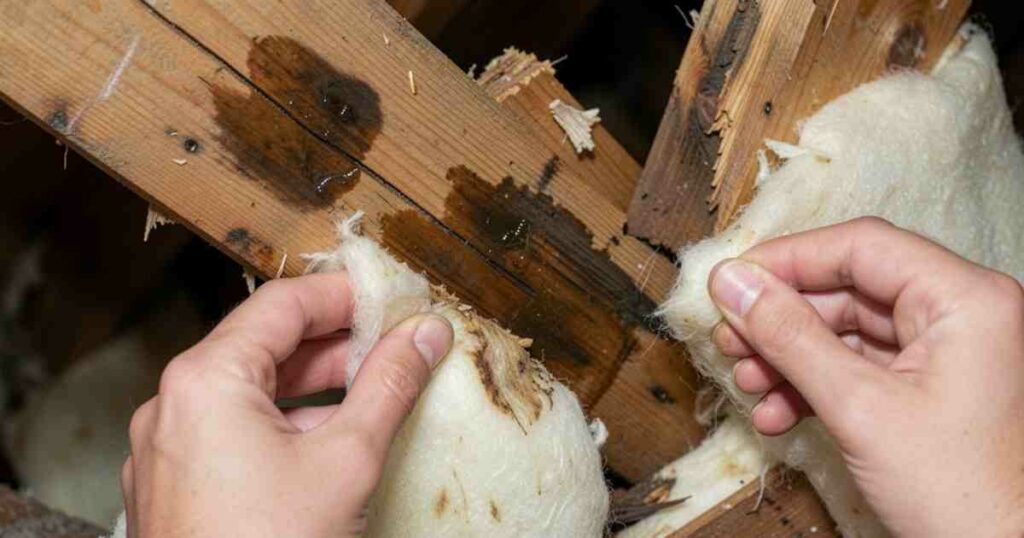
Water Stains and Damp Spots
The most common sign of a roof leak in the attic is water stains. These look like brown or discolored patches on the ceiling or on the wooden beams. You might also see damp spots that feel wet to the touch.
These areas are where water has made its way through your roof and the insulation.
Sometimes, these stains are small and might seem unimportant. However, even a tiny stain can mean a significant problem. It shows that water is getting in somewhere.
The longer you ignore it, the more damage it can cause.
Keep an eye out for any changes in the color or texture of your attic ceiling. If you see a new stain or a damp area, mark it. This is a clear signal that it is time to investigate further.
You might need to go on the roof to find the exact source of the leak, but the attic tells you it exists.
Mold or Mildew Growth
Another indicator of moisture problem is the presence of mold or mildew. These often appear as fuzzy green, black, or white spots.
They thrive in damp, dark environments, making your attic a perfect breeding ground if there is a leak.
Mold is not just unsightly; it can also be bad for your health. It can cause allergies and breathing problems. If you notice a musty smell in your attic, it could be mold.
This smell often means there is moisture that needs to be addressed.
Checking for mold means looking carefully at the wooden structures and insulation. If you see any signs of it, it means water has been present for some time. This is a strong indicator that your roof is not keeping water out effectively.
You should address the moisture source as soon as possible.
Daylight Peeking Through
If you can see daylight coming through your attic ceiling, it means there are holes. These holes are direct pathways for water to enter your home. This is a very clear sign that your roof is damaged and needs immediate attention.
Shine a flashlight around your attic on a sunny day. Look for any spots where light shines through.
These are usually found between the ceiling joists or around areas where vents or pipes pass through the roof.
Seeing daylight means that not only is water getting in, but also air. This can make your home less energy-efficient. It also means pests like insects or even small animals could find their way into your attic.
This is a serious issue that requires prompt repair.
Exterior Signs of Roof Damage to Watch For
While your attic tells a story from inside, the outside of your home also reveals a lot about your roof’s condition.
Many signs of damage are visible from the ground or a ladder. Regular visual checks can catch problems before they become major leaks or structural failures.
These are often the first signs that something is wrong.
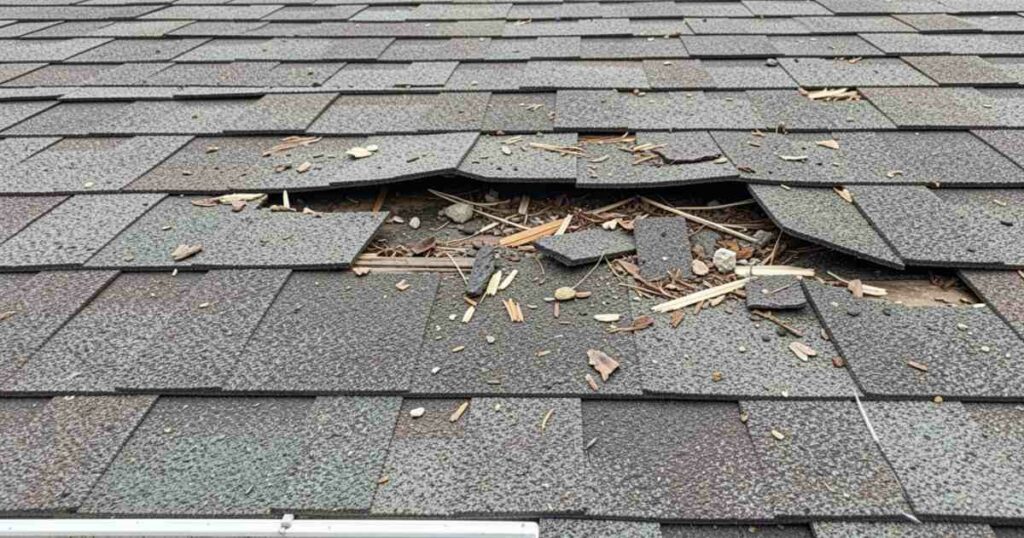
Damaged or Missing Shingles
Shingles are your roof’s first line of defense against the weather. When they are damaged or missing, your roof is exposed. Look for shingles that are cracked, curled, buckled, or have lost their granules.
These are all signs of wear and tear or damage from storms.
Pay close attention to areas where shingles meet. Valleys, where two roof slopes join, are common spots for damage.
Also, check the edges of your roof and around any penetrations like vents or chimneys.
If you see any shingles that don’t look right, it’s a concern.
Missing shingles are a very obvious problem. If a storm has blown some away, you can usually see bare spots on your roof. If you see just one or two missing, it might be a localized issue.
But if many are gone, it suggests a larger problem with the roof’s overall integrity. You might need to consider a full roof replacement.
Granules in Gutters
Asphalt shingles have a protective layer of mineral granules. These granules shield the shingle from sun and weather. When shingles are old or damaged, they start to lose these granules.
You will often find these granules collecting in your gutters and downspouts.
If you see a lot of gritty material in your gutters, it is a strong indication that your shingles are deteriorating.
This means they are not providing the protection they should be. It’s like the skin of the shingle is wearing away.
This sign is easy to check during your regular gutter cleaning. A small amount of granules might be normal, especially on a newer roof after a heavy rain. But a significant buildup suggests the shingles are aging and need to be inspected more closely.
This could be a sign that your roof is nearing the end of its lifespan.
Cracked or Loose Flashing
Flashing is the metal material installed around roof penetrations like chimneys, vents, skylights, and plumbing stacks.
Its job is to prevent water from getting in through these vulnerable areas. If the flashing is damaged, water can easily enter your home.
Look for flashing that is bent, cracked, rusted, or has gaps. Sometimes, the sealant around the flashing can also dry out and crack, creating an entry point for water. Loose flashing can be lifted by wind, allowing rain to get underneath.
This is a critical area to check because these penetrations are common spots for leaks. They are also often overlooked during routine checks. If you see any issues with your flashing, it should be repaired or replaced promptly.
This can prevent serious water damage to your roof deck and interior.
Structural and Appearance Indicators
Beyond just shingles and flashing, the overall structure and appearance of your roof can also tell you a lot.
These signs are often related to more significant underlying issues and should not be ignored.
They might suggest problems with the roof’s framework or its ability to shed water properly.

Sagging Roof Areas
A healthy roof has a firm, straight surface. If you notice any areas of your roof that seem to be dipping or sagging, it is a serious concern.
This usually means that the underlying structure, like the roof decking or rafters, has been weakened by water damage or age.
Sagging can occur over time due to persistent leaks. The wood can rot, losing its strength. It can also happen after a heavy snow load if the roof structure isn’t strong enough to support it.
A sagging roof is a structural weakness that could lead to a collapse if left unaddressed.
This is a visual cue that you can often spot from the ground. Look across the entire roofline to see if there are any dips. If you see sagging, you must get a professional roofer to inspect it immediately.
It is a sign that the roof needs urgent attention to ensure it is safe.
Algae or Moss Growth
While not always a direct sign of damage, excessive growth of algae, moss, or lichen on your roof can be an indicator of problems.
These plants thrive in damp, shaded conditions. Their presence means your roof is likely retaining moisture longer than it should.
Moss, in particular, can hold a lot of water against your shingles. Over time, this trapped moisture can degrade the shingles and even seep into the roof deck. It can also encourage the growth of mold and mildew.
If you see green or dark patches on your roof, especially on north-facing slopes which get less sun, it’s worth noting.
While you can often clean these growths, it’s important to understand why they are there. Poor drainage or overhanging trees can contribute.
Addressing the underlying moisture issue is key. Some believe that algae growth can indicate that the limestone filler in older asphalt shingles has been depleted, making them more susceptible to damage.
Poor Ventilation Signs
Your attic needs good ventilation to regulate temperature and moisture. If your attic is not properly ventilated, warm, moist air can get trapped.
This can lead to condensation forming on the underside of your roof sheathing, which can cause rot and mold.
Signs of poor attic ventilation can include: excessive heat in the attic during summer, ice dams forming on the roof edges in winter, or premature aging of shingles. You might also see mold or mildew growth, as mentioned before.
Proper ventilation systems include soffit vents (at the eaves) and ridge vents (at the peak of the roof).
These work together to create airflow. If you notice signs of moisture buildup or feel extreme temperatures in your attic, it could be a ventilation problem.
This needs to be corrected to protect your roof and home.
Real-Life Examples
Many homeowners have faced roof troubles without realizing it until it was too late. These stories show how important it is to watch for the subtle signs. They highlight the potential costs and problems that can arise from ignoring roof issues.
One homeowner noticed a small, faint water stain on their bedroom ceiling after a heavy rain.
They thought it was just a minor issue and didn’t do much about it. A few months later, a section of their ceiling collapsed.
When a roofer inspected, they found that the leak had been going on for a while, rotting the roof deck and causing significant damage. The cost to repair the roof and the interior was much higher because of the delay.
Another family saw a lot of black granules in their gutters. They had a relatively new roof and thought it was odd.
Upon closer inspection, they found that the shingles were cracking and curling at the edges.
It turned out the shingles were defective from the manufacturer. If they hadn't checked their gutters, they might have continued to have leaks without knowing the cause.
A common scenario is when a homeowner hears dripping sounds in their attic during a storm.
They often put it off, thinking they will check it later. However, the constant moisture can weaken the roof’s structure.
This can lead to sags or even partial collapses. It is always best to investigate unusual sounds and sights right away.
Frequently Asked Questions Of 9 Signs of Roof Damage Easy to Miss From Below
Question: What is the most common sign of a roof leak visible from inside?
Answer: The most common sign is a water stain or damp spot on your attic ceiling or the top floor walls.
Question: Can I check my roof for damage myself?
Answer: Yes, you can check for many signs from the ground or safely from a ladder. For safety, it’s best to have a professional inspect the roof itself if you suspect major issues.
Question: How often should I check my roof for damage?
Answer: It is recommended to do a visual check at least twice a year, and after any major storm.
Question: What should I do if I see moss on my roof?
Answer: While moss isn’t always damaging, it indicates moisture retention. You can clean it off and address any drainage or shading issues that contribute to its growth.
Question: Can a small roof leak cause major problems?
Answer: Absolutely. Even a small leak can go unnoticed for a long time, leading to rot, mold, structural damage, and costly repairs.
Summary
Spotting roof issues doesn’t require being a professional. By looking for water stains in the attic, damaged shingles outside, and loose flashing, you can catch problems early. These simple checks help maintain your home’s protection.
Stay watchful for sagging areas and check your gutters for granules. Regular inspection saves you from big repairs.

![7 Common Sandwich Maker Mistakes To Avoid[1]](https://creativehouseblog.com/wp-content/uploads/2026/04/7_Common_Sandwich_Maker_Mistakes_To_Avoid1-768x448.jpg)
![10 Creative Things You Can Make In A Waffle Maker[1]](https://creativehouseblog.com/wp-content/uploads/2026/04/10_Creative_Things_You_Can_Make_In_A_Waffle_Maker1-768x448.jpg)
![How Often Should You Clean Your Gutters and Why[1]](https://creativehouseblog.com/wp-content/uploads/2026/05/How_Often_Should_You_Clean_Your_Gutters_and_Why1-768x403.jpg)
![Air Fryer Noise Levels Explained Clearly[1]](https://creativehouseblog.com/wp-content/uploads/2026/03/Air_Fryer_Noise_Levels_Explained_Clearly1-768x448.jpg)
![Why Doors Stick And How To Fix Them Fast[1]](https://creativehouseblog.com/wp-content/uploads/2026/05/Why_Doors_Stick_And_How_To_Fix_Them_Fast1-768x403.jpg)
![6 Ways To Reduce Energy Use In Cooling Appliances[1]](https://creativehouseblog.com/wp-content/uploads/2026/04/6_Ways_To_Reduce_Energy_Use_In_Cooling_Appliances1-768x448.jpg)