
To spot minor home problems before they become costly, regularly inspect key areas for common warning signs such as water stains, unusual odors, small cracks, or changes in appliance performance. Addressing these small issues early, like a dripping pipe or an inefficient HVAC system, is crucial for preventing major structural damage and avoiding expensive emergency repairs. Simple visual checks and listening for unfamiliar sounds can help homeowners maintain their property effectively with basic tools and consistent attention.
It can feel tough to know where to start when you first own a home. Things like leaky faucets or small cracks in the wall might seem tiny, but letting them go can lead to big repair bills. This guide makes it super simple.
We’ll walk you through easy steps to catch these little issues early. You’ll feel confident about keeping your home in great shape without a lot of stress. Let’s look at How to Spot Minor Home Problems Before They Get Costly.
Key Takeaways
- You will learn to identify common signs of small issues in your home.
- Discover simple checks you can do around your house regularly.
- Understand why fixing small problems quickly saves money and hassle.
- Gain tips on what tools or items might help you spot issues.
- Feel more confident in maintaining your home’s condition.
![How to Spot Minor Home Problems Before They Get Costly[1]](https://creativehouseblog.com/wp-content/uploads/2026/05/How_to_Spot_Minor_Home_Problems_Before_They_Get_Costly1-1.jpg)
Easy Home Checks For Small Issues
Taking a little time for regular checks can save you a lot of money and worry down the road.
Many problems start small, like a tiny drip or a faint smell, and grow into much bigger, more expensive repairs if ignored.
This section will guide you through simple, everyday checks you can do to spot these early warning signs.
Think of it as giving your home a quick once-over to make sure everything is happy and healthy. We’ll cover different areas of your home, from inside to outside.
Water Leaks Small And Large
Water is great for drinking and cleaning, but it can cause serious damage to your home if it gets where it shouldn’t.
Spotting leaks early is one of the most important things you can do. Even a small drip from a pipe under a sink or a slow leak from a shower head can lead to mold, rot, and structural damage over time.
It’s not just about the water bill; it’s about protecting your walls, floors, and ceilings.
Pay attention to any signs of moisture. Look for water stains on ceilings or walls, especially around windows, doors, and in bathrooms or kitchens. These stains look like discolored patches and can be a clear sign that water is seeping in.
Also, feel around pipes, faucets, and toilets for any dampness or unusual condensation.
A common place for small leaks is under sinks. After using the faucet, get down on your hands and knees and look underneath. Check the pipes, the trap (the U-shaped pipe), and the connections.
Even a tiny drip can make the wood underneath dark or soft.
Another tip is to check your water meter. Turn off all the water in your house and go check your water meter. If the meter is still moving, you likely have a leak somewhere.
This can help you pinpoint a hidden leak that you might not see otherwise.
Here are some specific spots and signs to look for regarding water leaks:
- Toilet Base: Feel around the base of your toilet. If it feels wet or you see water pooling, the wax seal might be failing, or there could be a crack in the tank.
- Around Bathtubs and Showers: Look for cracked caulk or grout. Water can sneak through these gaps and damage the wall behind or the floor underneath.
- Behind Appliances: Check the hoses connected to your washing machine or dishwasher. Over time, these can crack or loosen, leading to leaks.
- Basement or Crawl Space: These areas are prone to moisture. Look for damp spots on the walls or floor, or any signs of dripping from pipes overhead.
Ignoring small water leaks can turn into big problems quickly. Mold can start to grow in as little as 24-48 hours in damp conditions. Mold can cause health issues and is very hard and expensive to remove completely.
Plus, water damage can weaken the structure of your home, leading to costly repairs to walls, floors, and even foundations.
A study by the Insurance Institute for Business & Home Safety found that water damage is a leading cause of insurance claims for homeowners.
Early detection and repair of minor leaks are crucial for preventing these expensive outcomes.
Electrical Issues Warning Signs
Electrical problems can be scary and dangerous if not handled properly. However, many electrical issues start as minor annoyances that you can spot before they become serious hazards.
These signs are your home’s way of telling you something needs a closer look from a qualified professional.
It’s important to treat these signs seriously.
One common sign is flickering lights. If your lights dim or flicker when you turn on an appliance like a microwave or a hair dryer, it might mean the circuit is overloaded or there’s a loose connection somewhere. This isn’t just an inconvenience; it can indicate a wiring problem that could lead to a fire.
Another sign to watch out for is outlets or light switches that feel warm to the touch. If you touch a switch or an outlet and it feels hot, even slightly, this is a serious warning sign.
It often means there’s a poor connection or too much electrical current flowing through it, which can cause melting or a fire.
You might also notice a strange smell, often described as “burning plastic” or “fishy,” coming from an outlet or switch.
This smell is a clear indication of overheating wires and is a critical sign that you need to have it checked immediately. Don’t ignore it, as it could lead to an electrical fire.
Circuit breakers that trip frequently are another indicator. If a breaker trips often, it means the circuit is overloaded, or there’s a fault.
While it’s designed to protect your home, constant tripping suggests an underlying issue that needs to be addressed by an electrician.
Here’s a quick checklist for electrical safety:
- Test Outlets: Plug in a small lamp or an outlet tester. If the outlet doesn’t work or the tester shows an error, there’s a problem.
- Look for Damage: Inspect cords and plugs for any signs of fraying, cracking, or damage. Replace them if you find any.
- GFCI Outlets: In bathrooms, kitchens, and outdoors, you should have Ground Fault Circuit Interrupter (GFCI) outlets. Test them regularly using the “test” and “reset” buttons to ensure they work.
- Avoid Overloading: Don’t plug too many high-power devices into a single outlet or extension cord.
The National Fire Protection Association (NFPA) reports that electrical failures or malfunctions were a leading cause of home fires.
Many of these fires start small due to faulty wiring or overloaded circuits. By being aware of these signs and acting on them, you can prevent potentially devastating and costly fires and ensure the safety of your family.
Regularly checking your electrical system is a smart way to maintain your home.
HVAC System Hiccups
Your home’s heating, ventilation, and air conditioning (HVAC) system is vital for comfort and air quality.
When it starts acting up, it can be more than just an inconvenience; it can lead to higher energy bills and more significant repairs.
Catching small problems early with your HVAC system can keep your home comfortable year-round and save you a lot of money.
A common early sign that your HVAC system needs attention is unusual noises. Listen for banging, clanking, or grinding sounds coming from your furnace or air conditioner. These noises often mean that a part is loose, worn out, or not functioning correctly.
For example, a loud bang might indicate a problem with the fan or blower motor.
Another indicator is a decrease in airflow from your vents. If some rooms are much colder or hotter than others, or if the air coming out doesn’t feel as strong as it used to, it could mean your air filter is clogged, or there’s a problem with the ductwork or the system’s fan. A clogged air filter is one of the simplest things to check and fix.
You might also notice strange smells. A musty smell could indicate mold or mildew in your ductwork or on your air filter.
A burning smell is more serious and could mean an electrical issue or a problem with the heating element.
Any unusual odors should be investigated promptly.
Higher energy bills are also a sign. If your system is working harder than usual to maintain the temperature, you’ll see it on your electricity or gas bill.
This inefficiency often points to underlying problems like dirty coils, a faulty thermostat, or a refrigerant leak in your AC unit.
Here’s what to check with your HVAC system:
- Air Filter: This is the easiest thing to check. Look at your air filter every 1-3 months. If it looks dirty or clogged with dust, replace it. This improves air quality and helps your system run better.
- Vents: Make sure vents aren’t blocked by furniture or curtains. Also, feel the air coming out to ensure consistent temperature and airflow.
- Thermostat: Ensure your thermostat is set correctly and the batteries are fresh if it’s battery-powered.
- Outdoor Unit (AC): Check the outdoor unit for any debris blocking airflow. Make sure it’s clean and free from leaves or branches.
According to Energy Star, a clean, well-maintained HVAC system can use 15-25% less energy than a neglected one.
Neglecting your system means it works harder, leading to premature wear and tear. This can result in costly repairs for components like the compressor or heat exchanger, which can run into thousands of dollars.
Regular maintenance and addressing minor issues like changing air filters or fixing a strange noise promptly can prevent these major expenses and extend the life of your HVAC system.
Foundation And Structural Signals
The foundation is the base of your entire home, and structural issues, even small ones, need your attention.
While major foundation problems can be very expensive, there are often early signs that something is amiss.
Catching these issues when they are small is key to preventing them from becoming catastrophic and costly.
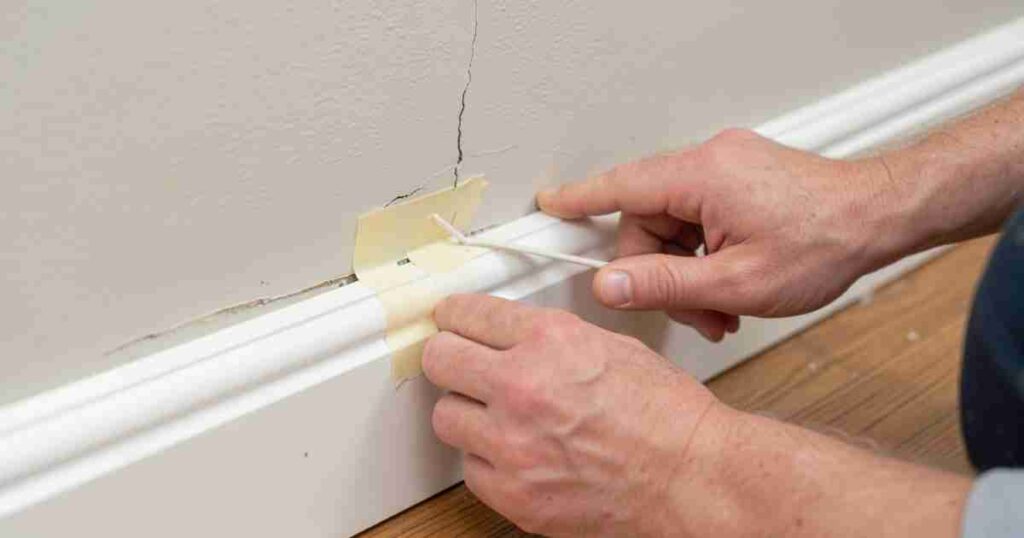
One of the most visible signs of foundation trouble is cracks in your walls or ceilings. Small hairline cracks are common in any home as it settles.
However, if cracks start to widen, become longer, or appear in new places, it could indicate that the foundation is shifting.
Look for diagonal cracks that often start at the corners of windows or doors.
Sticking doors or windows are another common indicator. If doors or windows in your home start to stick or become difficult to open or close, it might be a sign that the foundation has moved and is causing the frames to warp. This is especially true if the problem affects multiple doors or windows.
You might also notice gaps appearing. Look for gaps between walls and ceilings, or between window frames and the wall.
These gaps can form if the foundation has settled unevenly, causing parts of the house to separate slightly.
In basements or crawl spaces, look for water intrusion. While this can be a sign of plumbing leaks, persistent dampness or standing water can also indicate foundation cracks that are allowing groundwater to enter. This moisture can weaken the foundation over time.
Here are some structural signs to monitor:
- Exterior Cracks: Walk around the outside of your home and look for cracks in the brickwork or siding. Similar to interior cracks, look for widening or new cracks.
- Uneven Floors: If you notice areas of your floor that slope or feel softer than others, it could mean the subfloor or foundation beneath is compromised.
- Chimney Issues: A leaning or cracking chimney can be a sign of foundation movement affecting that part of the structure.
- Sagging Roofline: While less common for minor issues, a noticeable sag in the roofline could indicate broader structural problems.
The cost of foundation repair can range from a few thousand dollars for minor stabilization to tens of thousands for major structural work.
The U.S. Department of Housing and Urban Development (HUD) estimates that foundation repairs can cost anywhere from $5,000 to $15,000 or more, depending on the severity.
Addressing small cracks or water issues promptly can prevent the need for expensive, large-scale foundation repair, saving homeowners significant amounts of money and protecting the long-term value of their property.
Pest Infestations Early Clues
Pests can do a surprising amount of damage to your home, and they often start with subtle signs. Spotting these early clues can help you get rid of them before they become a big, expensive infestation.
Dealing with pests is not just about cleanliness; it’s about protecting your home’s structure and your health.
One of the first signs of a pest problem is droppings. For example, mice and rats leave small, dark droppings in areas where they frequent, such as kitchen cabinets, pantries, or along baseboards.
Cockroaches leave behind small, dark, pellet-like droppings that can look like coffee grounds.
Seeing these is a clear signal that pests are present.
Chewing or gnawing marks are another sign. Pests like rodents will chew on wood, wires, or food packaging.
If you find small holes or chew marks on baseboards, pantry items, or electrical cords, it’s likely a sign of rodent activity.
Termites can also cause damage that might not be immediately obvious but can weaken wooden structures over time.
Strange sounds at night can also be an indicator. Scratching, scurrying, or rustling sounds coming from within walls, ceilings, or attics at night are common signs of rodents or other nocturnal pests.
This often means they have found a way into your home and are establishing a presence.
Unusual smells are another clue. A strong, musky odor might suggest a rodent infestation. If you notice a damp or earthy smell in specific areas, it could point to termites or other wood-destroying insects.
Here are some specific pest signs to look for:
- Webbing: Spiders are common, but extensive webbing, especially in quiet corners or attics, might indicate a larger spider problem or other pests they feed on.
- Holes in Fabric or Food: Small holes in stored food packages, clothing, or even wallpaper can be signs of pantry pests, moths, or silverfish.
- Mud Tubes: For termites, look for small, pencil-sized mud tubes on foundation walls or other structures, which they use to travel from the soil to the wood.
- Dead Pests: Finding dead insects or rodents is often a sign that there are many more alive and well within your home.
The cost of pest control can vary widely. For instance, a rodent infestation can lead to damage to electrical wiring, which can cost hundreds or thousands of dollars to repair, not to mention the health risks. Termite damage can be even more severe, with repairs sometimes costing upwards of $3,000 to $10,000 or more, as they can silently eat away at the structural integrity of your home.
Early detection and professional pest control can prevent these extensive damages and associated costs, protecting your investment and health.
Simple Maintenance Habits For Prevention
Preventing problems is always better than fixing them. Developing a few simple maintenance habits can go a long way in catching minor home issues before they grow.
These habits don’t require a lot of time or special skills, but they can save you a lot of money and stress in the long run.
Think of it as routine check-ups for your home.
One of the most important habits is regular visual inspection. This means walking through your home, both inside and out, at least once a month. During these walks, actively look for anything that seems out of place.
Are there new water stains? Are any paint or plaster cracks widening? Are there any unusual smells?
This simple habit helps you spot things early.
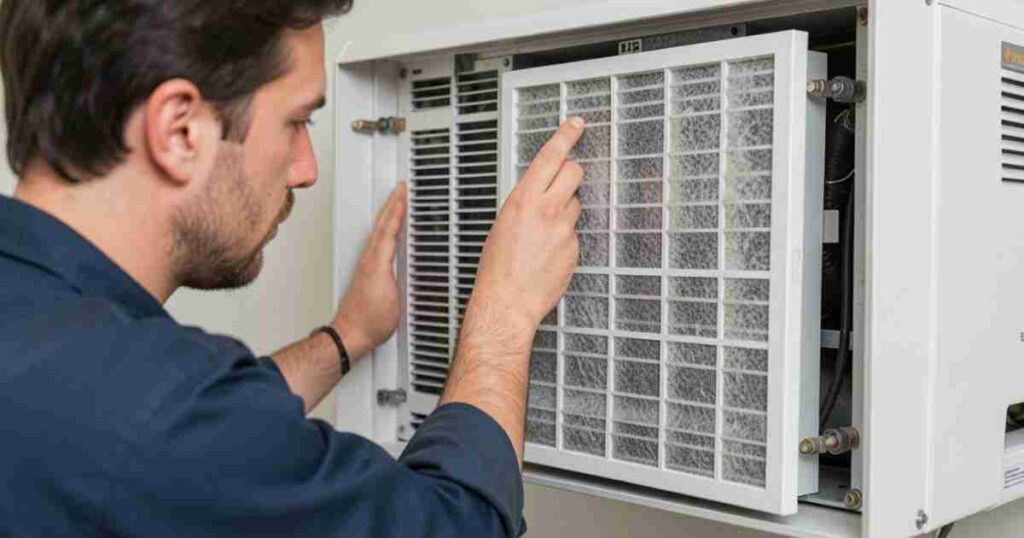
Another good habit is to clean and clear. This includes tasks like cleaning out gutters, clearing vents, and changing air filters. Clogged gutters can lead to water damage around your foundation.
Dirty air filters make your HVAC system work harder. Keeping these things clear prevents common issues from developing.
Don’t ignore odd sounds or smells. Our senses are great warning systems. If you hear a new squeak, rattle, or bang, or if you catch a whiff of something unusual, take a moment to investigate.
This might mean simply checking an appliance or looking under a sink. Often, these subtle clues point to a minor problem that’s just starting.
Keep an organized toolbox with basic items. A good flashlight is essential for checking dark corners.
A simple screwdriver, a tape measure, and maybe some basic sealant can help you address very minor issues right away.
Knowing you have these tools handy makes it easier to tackle small tasks.
Here are some proactive maintenance tips:
- Seasonal Checks: Before extreme weather hits, do a quick check. Before winter, check your heating system and seal any drafts. Before summer, ensure your AC is running well.
- Listen to Your Home: Pay attention to how your home sounds and smells. Any changes are worth investigating.
- Cleanliness is Key: Regular cleaning, especially in kitchens and bathrooms, helps spot early signs of mold, mildew, or pest activity.
- Document Issues: Keep a small notebook or use your phone to jot down any issues you notice, even small ones. This helps track problems over time.
The Investment in preventative maintenance is significantly less than the cost of major repairs.
For example, the average cost of a plumbing leak repair can range from $100 to $500, while a major water damage restoration project can cost thousands.
Similarly, regular HVAC maintenance can cost around $100-$200 per year, but can prevent repairs that cost $1,000-$5,000 or more.
By adopting these simple habits, you are investing in the long-term health and value of your home, avoiding unexpected and substantial expenses.
Tools And Simple Checks You Can Do
You don’t need to be a contractor to do basic checks around your home. A few simple tools and a little bit of know-how can help you spot problems early.
These checks are designed to be easy and quick, so you can fit them into your regular routine without feeling overwhelmed.
The goal is to empower you to be proactive.
A good flashlight is your best friend for home inspections. It allows you to look into dark corners under sinks, in crawl spaces, attics, or behind appliances where moisture, mold, or pests might hide. A bright LED flashlight is ideal.
A simple moisture meter can be a very useful tool for checking dampness in walls, floors, or near plumbing.
These inexpensive gadgets can detect moisture levels that aren’t visible to the naked eye, helping you find hidden leaks before they cause significant damage.
A stud finder, beyond its primary use, can also help locate hidden pipes or electrical wires within walls if you’re planning minor DIY projects or just want to be aware of what’s behind the drywall. Some stud finders also have AC detection capabilities.

A basic toolkit with a screwdriver set, pliers, a tape measure, and a caulk gun can help you address very minor issues immediately.
For example, tightening a loose screw on a cabinet door or applying a bit of caulk around a leaky window seal can prevent small problems from worsening.
Here’s a practical list of tools and checks:
- Flashlight: Use it to inspect under sinks, around toilets, and in basements or attics for signs of water damage or mold.
- Moisture Meter: Gently press it against walls and floors, especially in bathrooms and kitchens, to detect hidden dampness.
- Outlet Tester: Plug it into electrical outlets to ensure they are wired correctly and safe to use.
- Visual Inspection of Grout and Caulk: Regularly look at the grout between tiles and the caulk around tubs, sinks, and windows. If it’s cracked, peeling, or missing, water can get behind it.
- Listen for Leaks: Sometimes you can hear a faint dripping sound. Try to locate the source by listening carefully near pipes or water fixtures.
The cost of a good flashlight might be $20-$50, a moisture meter $20-$60, and a basic toolkit $30-$100.
These are small investments compared to the potential cost of repairs from undetected issues.
For instance, a small leak that leads to mold remediation can cost $500-$4,000, depending on the size.
By using these simple tools and performing regular checks, you can identify issues like minor water seepage or electrical faults when they are easily and cheaply fixed, saving you potentially thousands of dollars in future repairs and avoiding the stress associated with major home problems.
Frequently Asked Questions Of How to Spot Minor Home Problems Before They Get Costly
Question: How often should I check for minor home problems
Answer: It’s a good idea to do a quick walk-through of your home once a month to look for obvious issues. More detailed checks of specific areas like plumbing or electrical outlets can be done every few months or as needed.
Question: What is the most common minor home problem
Answer: Minor water leaks from faucets, toilets, or pipes are very common. Also, small cracks in walls or ceilings can appear as homes settle.
Question: What if I find a problem but don’t know how to fix it
Answer: If you find a problem that is beyond your comfort or skill level, it’s best to call a qualified professional like a plumber, electrician, or handyman. It’s still important that you spotted the issue early.
Question: Can I prevent all home problems
Answer: While you can’t prevent every single problem, regular maintenance and early detection significantly reduce the likelihood of major issues and costly repairs.
Question: Are professional home inspections only for buying a house
Answer: Professional home inspections are most common when buying, but you can hire an inspector for a general home health check-up anytime. This can help identify issues you might have missed.
Wrap Up
Keeping your home in good shape means spotting small issues early. By doing regular checks for leaks, electrical quirks, HVAC sounds, or structural changes, you can prevent big headaches. Simple habits and basic tools make it easy to catch problems when they are tiny and cheap to fix.
You’ve learned how to look, what to listen for, and why it matters. Now go check on your home; it’s worth it.

![How To Balance Radiators For Even Heat[1]](https://creativehouseblog.com/wp-content/uploads/2026/05/How_To_Balance_Radiators_For_Even_Heat1-768x403.jpg)
![How to Reglaze a Window Pane Without Professional Help[1]](https://creativehouseblog.com/wp-content/uploads/2026/05/How_to_Reglaze_a_Window_Pane_Without_Professional_Help1-768x403.jpg)
![7 Foods That Taste Better In A Steam Oven[1]](https://creativehouseblog.com/wp-content/uploads/2026/04/7_Foods_That_Taste_Better_In_A_Steam_Oven1-768x448.jpg)
![Troubleshooting Common Espresso Machine Issues[1]](https://creativehouseblog.com/wp-content/uploads/2026/03/Troubleshooting_Common_Espresso_Machine_Issues1-768x448.jpg)
![8 Cleaning Hacks For Limescale Removal[1]](https://creativehouseblog.com/wp-content/uploads/2026/04/8_Cleaning_Hacks_For_Limescale_Removal1-768x448.jpg)
![How to Test and Reset a Tripped Circuit Breaker Safely[1]](https://creativehouseblog.com/wp-content/uploads/2026/05/How_to_Test_and_Reset_a_Tripped_Circuit_Breaker_Safely1-768x403.jpg)