
The best fruits and vegetables for juicing are those with high water content and good fiber structure, such as apples, carrots, and cucumbers. These items yield a substantial amount of liquid while providing essential vitamins and are generally easy to prepare in a juicer. Prioritizing produce like spinach and apples ensures a balanced juice that is both flavorful and nutrient-dense, maximizing the efficiency of the juicing process.
Picking the right produce for juicing can feel a bit tricky when you’re just starting out. You might wonder which items give you the most juice or taste the best. But don’t worry!
We’ll show you simple ways to get amazing juice every time. Get ready to learn about 8 Fruits & Vegetables That Work Best for Juicing. We’ll cover what makes them great and how to use them so you can make delicious drinks easily.
First, let’s look at what you’ll discover.
Key Takeaways
- You will learn which fruits and vegetables are best for making juice.
- You will understand why these specific items are good choices for juicing.
- You will find out how to prepare these items for juicing.
- You will get tips on creating tasty juice combinations.
- You will discover how to make the most juice from your produce.
- You will feel more confident about juicing at home.
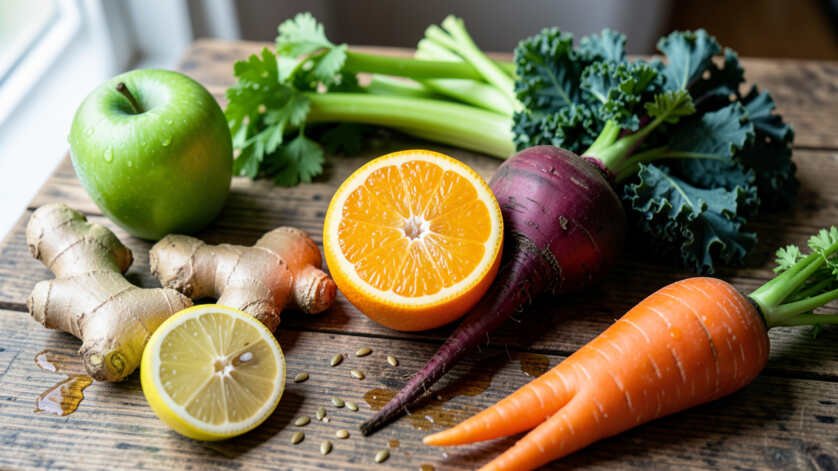
Why Some Produce Works Better for Juicing
Juicing Basics: What to Look For
Juicing is a wonderful way to get lots of vitamins and minerals quickly. But not all fruits and veggies are created equal when it comes to juicing. Some give you a lot of liquid, while others are drier and can clog your juicer.
We want to pick things that are easy to prepare and give you a good amount of juice. This makes the whole process more enjoyable and less wasteful.
High-Water Content is Key
The most important thing for juicing is produce with a high water content. Think of it like this: you want to squeeze liquid out, so you need things that are full of liquid. These items blend well in a juicer and produce a generous amount of juice.
They are also usually easier to chew and digest, which is great for your body.
Fiber Matters Too
While we remove most of the fiber when we juice, some fruits and vegetables have a good balance. This balance helps the juicer work smoothly. If something is too fibrous or too woody, it can be hard for the juicer to process.
We want produce that breaks down nicely, giving us tasty juice without too much effort from the machine.
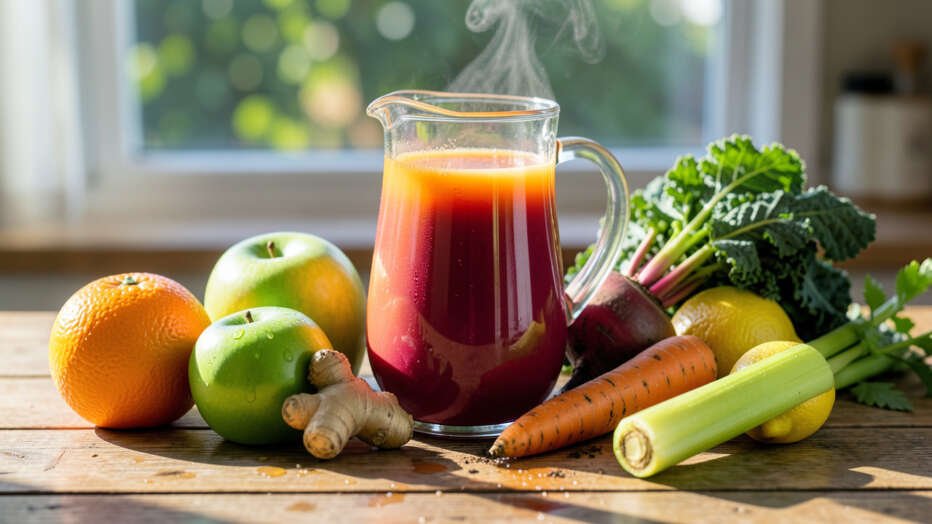
8 Fruits & Vegetables That Work Best for Juicing
1. Apples
Apples are a juicing superstar. They have a good amount of natural sugar and juice, making them a sweet base for many recipes. Plus, they have a nice, crisp texture that juicers handle well.
Why they’re great:
- High water content.
- Naturally sweet taste.
- Easy to find and affordable.
- Works well with both sweet and tart flavors.
Tips for juicing apples:
Wash them well. You can leave the skin on for extra nutrients. Remove the core and seeds, as they can be bitter.
Different apple varieties will give different levels of sweetness and tartness.
2. Carrots
Carrots are packed with vitamins, especially Vitamin A. They have a lovely sweet, earthy flavor that pairs well with many other ingredients. Their firm texture means they are easy to juice.
Why they’re great:
- Rich in beta-carotene.
- Sweet, mild flavor.
- Good texture for juicers.
- Adds vibrant color to juices.
Tips for juicing carrots:
Scrub them clean and trim the ends. You can leave the skin on. If they are very large, you might want to cut them into smaller pieces to fit your juicer.
3. Cucumber
Cucumbers are almost all water, making them perfect for juicing. They add a refreshing, light taste and help dilute more intense flavors, creating a smoother drinking experience.
Why they’re great:
- Extremely high water content.
- Cooling and hydrating.
- Mild flavor that doesn’t overpower.
- Helps create thin, drinkable juices.
Tips for juicing cucumbers:
Wash them well. You can leave the skin on, especially for organic cucumbers. For a less bitter juice, you can peel them, but it’s often not necessary.
4. Spinach
Leafy greens like spinach are nutrient powerhouses. Spinach has a mild flavor that is easy to mask with fruits, and it juices very well, contributing a boost of iron and vitamins.
Why they’re great:
- Loaded with vitamins and minerals.
- Mild flavor that blends easily.
- Juices readily without much fiber waste.
- Adds a deep green color.
Tips for juicing spinach:
Rinse the leaves thoroughly. You can bunch them up and feed them through the juicer. It’s best to juice spinach with other produce, as it can get a bit foamy on its own.
5. Ginger
Ginger is not technically a fruit or vegetable, but a root. It’s used in small amounts for its potent flavor and health benefits. It adds a spicy kick that can awaken your taste buds.
Why they’re great:
- Adds a zesty, warming flavor.
- Known for digestive benefits.
- A little goes a long way.
- Pairs well with fruits and root vegetables.
Tips for juicing ginger:
Peel the skin off. Cut it into small pieces. Be careful not to use too much, as its flavor is very strong.
6. Beets
Beets are known for their vibrant color and earthy sweetness. They are dense and packed with nutrients, making them a great addition for a powerful juice. Their strong flavor can be softened with sweeter fruits.
Why they’re great:
- Rich in antioxidants and nutrients.
- Adds a beautiful, deep red color.
- Earthy, sweet flavor.
- Good for liver health.
Tips for juicing beets:
Wash them well and trim the ends. You can juice them with the skin on. Their color can stain, so be mindful of your surfaces.
7. Celery
Celery is another high-water content champion. It has a mild, refreshing taste and is excellent for hydration. It’s a great way to add volume and nutrients to your juice without a strong flavor.
Why they’re great:
- High in water, low in calories.
- Mild, clean flavor.
- Hydrating and refreshing.
- Good source of vitamins K and C.
Tips for juicing celery:
Wash the stalks thoroughly. Trim off the ends. You can juice the leaves too, as they are nutritious and add a slightly stronger flavor.
8. Oranges
Oranges are a classic for a reason. They are bursting with juice and vitamin C, offering a bright, sweet, and tangy flavor. They are incredibly easy to juice and are a favorite for many.
Why they’re great:
- Packed with Vitamin C.
- Sweet and refreshing citrus flavor.
- Juices very easily.
- Great base for many juice blends.
Tips for juicing oranges:
Peel the oranges. Remove any large seeds. They juice best when they are at room temperature.
You can also juice the peel for extra oils and flavor, but it can make the juice bitter if you use too much.
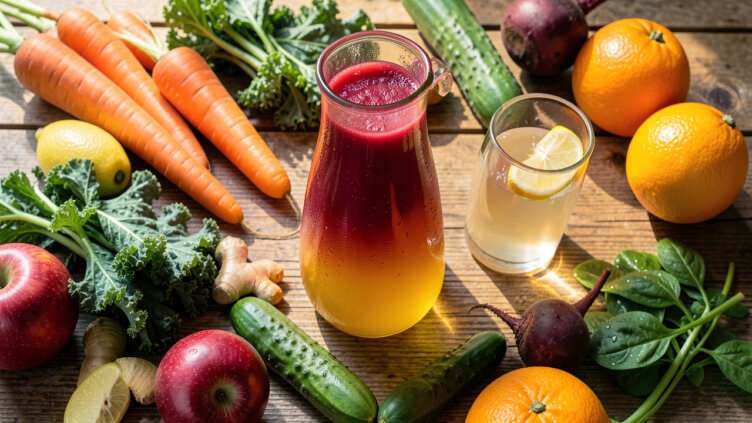
Juicing Tips for Beginners
Starting with the right produce makes juicing much easier and more enjoyable. Focus on items that yield a good amount of liquid. This way, you don’t have to use as much produce, and you get a satisfying drink.
Prepare Your Produce Correctly
Washing is always the first step. For most fruits and vegetables, you can leave the skin on, as it contains many nutrients. However, you should always remove any stems, cores, or large seeds that your juicer manual suggests removing.
For things like ginger, peeling is a good idea.
Juicer Type Matters
There are different types of juicers. Centrifugal juicers are fast and good for harder produce. Masticating or slow juicers are better for leafy greens and softer fruits.
They often yield more juice and preserve more nutrients. Read your juicer’s manual to know what works best.
Combine Flavors Wisely
Don’t be afraid to mix and match! A good starting point is a sweet base like apple or orange, a mild vegetable like cucumber or celery, and a nutrient-rich green like spinach. A small piece of ginger can add a nice zing.
Experiment to find what you like best.
Drink Your Juice Fresh
Juice is best when you drink it right after making it. This is because the nutrients start to break down as soon as they are exposed to air. Freshly made juice offers the most health benefits.
Frequently Asked Questions
Question: What is the best fruit for juicing?
Answer: Apples and oranges are excellent choices for beginners. They are sweet, juicy, and easy to juice, making them a great base for many recipes.
Question: Can I juice fruits with pits?
Answer: It’s best to remove pits from fruits like peaches or plums before juicing, as they can contain toxins and damage your juicer.
Question: How do I get more juice from my vegetables?
Answer: Choose vegetables with high water content, like cucumber and celery. Also, ensure your juicer is working efficiently and consider adding a sweeter fruit like apple to help extract more liquid.
Question: Should I peel all my fruits and vegetables?
Answer: You don’t always need to peel. For many items like apples, carrots, and cucumbers, leaving the skin on provides extra nutrients. However, for citrus fruits or if the skin is tough, peeling is recommended.
Question: How long can I store fresh juice?
Answer: Freshly juiced beverages are best consumed immediately for optimal nutrients and flavor. If you must store it, keep it in an airtight container in the refrigerator for no more than 24-48 hours, though quality will decrease.
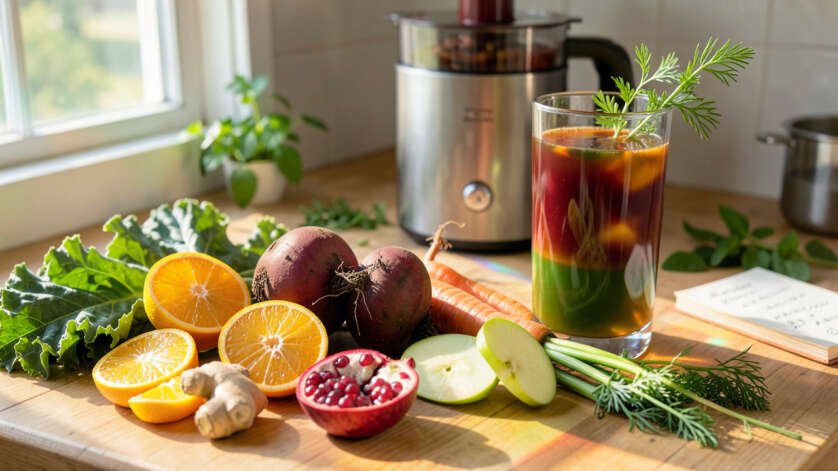
Final Thoughts
Making healthy and delicious juices at home is easier than you think. By focusing on fruits and vegetables with high water content and good texture, you can avoid common juicing frustrations. Apples, carrots, cucumbers, spinach, ginger, beets, celery, and oranges are all fantastic options.
They provide great flavor, nutrients, and yield lots of juice. Remember to prepare your produce properly by washing and removing any tough parts. Experiment with simple combinations to discover your favorite tastes.
You’ll find that juicing can be a simple and rewarding part of a healthy lifestyle. Start with these tried-and-true ingredients, and you’ll be creating wonderful juices in no time.

![8 Benefits Of Smart Kitchen Appliances[1]](https://creativehouseblog.com/wp-content/uploads/2026/04/8_Benefits_Of_Smart_Kitchen_Appliances1-768x448.jpg)
![Extension Lead Safety Mistakes People Make at Home[1]](https://creativehouseblog.com/wp-content/uploads/2026/05/Extension_Lead_Safety_Mistakes_People_Make_at_Home1-768x403.jpg)
![9 Reasons Your Ice Maker Isn’T Working Properly[1]](https://creativehouseblog.com/wp-content/uploads/2026/04/9_Reasons_Your_Ice_Maker_IsnT_Working_Properly1-768x448.jpg)
![Condensation Between Window Panes Causes and Fixes[1]](https://creativehouseblog.com/wp-content/uploads/2026/05/Condensation_Between_Window_Panes_Causes_and_Fixes1-768x403.jpg)
![Can A Stand Mixer Replace A Food Processor[1]](https://creativehouseblog.com/wp-content/uploads/2026/03/Can_A_Stand_Mixer_Replace_A_Food_Processor1-768x448.jpg)
![How Slow Cooking Works Explained Simply[1]](https://creativehouseblog.com/wp-content/uploads/2026/03/How_Slow_Cooking_Works_Explained_Simply1-768x448.jpg)