
Juice tastes bad when made with old or poor-quality produce, when ingredients are incorrectly combined, when they are not prepared properly, when juicing is done too slowly or incorrectly, when the juicer is not cleaned thoroughly, or due to oxidation over time. To achieve delicious juice, prioritize fresh and high-quality ingredients, balance flavors thoughtfully, prepare ingredients carefully, juice efficiently, maintain a clean juicer, and drink the juice immediately after extraction. Avoiding these common errors ensures your homemade juice remains flavorful and enjoyable.
Making juice at home can be super rewarding, but sometimes it just doesn’t turn out right. If you’ve ever wondered why your fresh juice tastes a bit off, you’re not alone. It’s a common puzzle for many new juicers.
Don’t worry, though! We’ll walk through the 6 Reasons Your Juice Tastes Bad in a simple way. We’ll show you how to fix it, step by step.
Get ready to make delicious juice every time.
Key Takeaways
- You’ll learn about common mistakes that affect juice flavor.
- Discover how ingredient freshness plays a big role.
- Understand the impact of juice extraction methods.
- Find out how to balance flavors for a better taste.
- Learn tips for proper juicer cleaning to avoid off-flavors.
- Get simple advice to improve your juicing results.
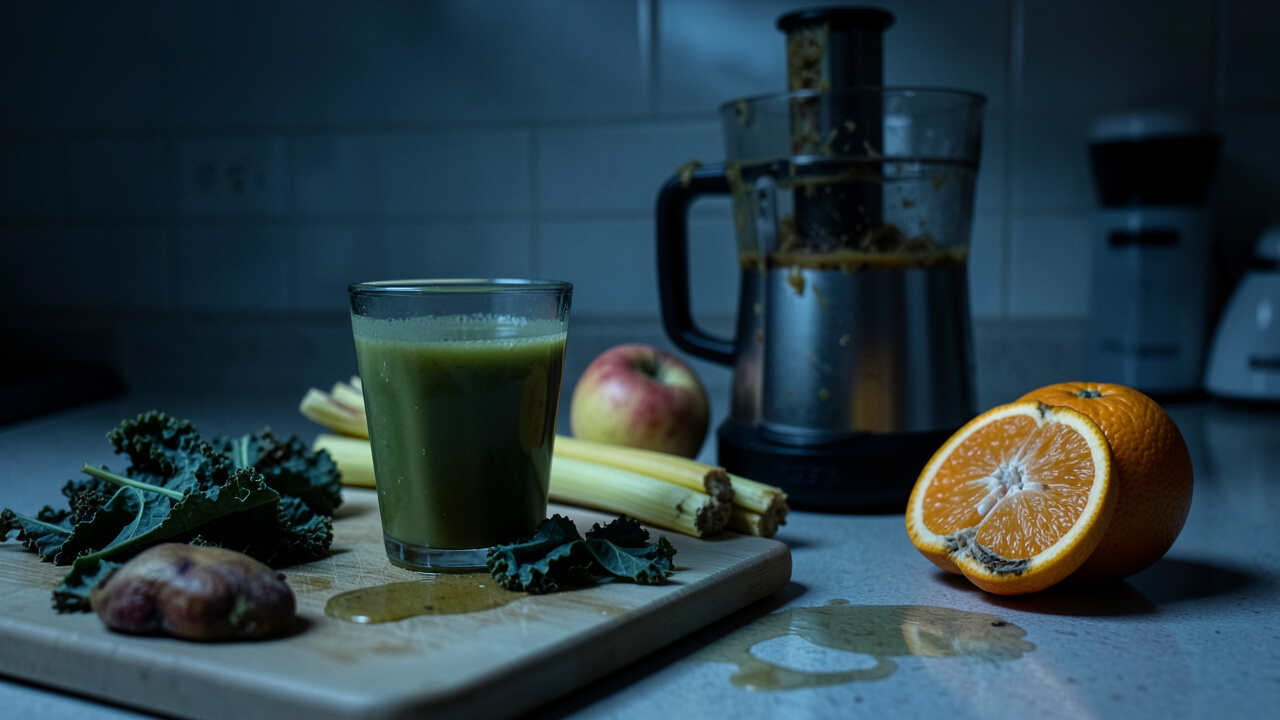
Understanding Why Your Juice Might Taste Bad
1. Using Old or Poor-Quality Produce
This is a big one. When fruits and vegetables are not fresh, they lose their vibrant flavor and can even start to turn. Think about an apple that’s been sitting out for weeks.
It won’t taste crisp and sweet. The same happens in juice. Older produce can develop a dull, sometimes bitter, or even slightly sour taste.
This bad taste then transfers straight into your juice. It’s like using stale bread to make a sandwich; it just won’t be as good.
Always pick the freshest ingredients you can find. Look for produce that is firm, brightly colored, and smells good. Avoid anything that looks wilted, has soft spots, or smells funky.
Farmers’ markets are often great places to find super fresh items. Even at the grocery store, pay attention to the date on packaging if available, and choose items that look and feel the best.
2. Incorrect Ingredient Combinations
Sometimes, even with fresh ingredients, the flavors just don’t mix well. Juicing is a bit like cooking; you need to balance tastes. Putting too many bitter greens with not enough sweet fruit can lead to a juice that’s hard to drink.
Similarly, some strong flavors can overpower others, making the juice taste one-dimensional or unpleasant. You might end up with a juice that’s too earthy, too tart, or just plain weird.
Experimentation is key here. A good starting point for many is a balance of fruits and vegetables. For example, apples or pears can add natural sweetness to balance the earthiness of spinach or kale.
Carrots also add a nice sweetness. If you’re adding strong herbs like cilantro or parsley, start with small amounts. You can always add more.
Learning which flavors complement each other will greatly improve your juice.
3. Not Preparing Ingredients Properly
Before juicing, some items need a little prep work. For example, citrus fruits like oranges or lemons should have their peels removed. The peel contains oils that can make the juice very bitter.
Some people also choose to remove tough skins from fruits like pineapple or mango. While not always necessary, it can prevent a woody texture and sometimes a less pleasant flavor. Even washing your produce is important to remove any dirt or residual chemicals that could affect taste.
For root vegetables like carrots or beets, a good scrub is usually enough. However, if they have very tough or woody ends, trimming those off is a good idea. For harder vegetables like ginger, you might want to peel it if the skin is very thick or dry, though many people juice it with the skin on for extra benefits.
Always check the specific requirements for each fruit or vegetable you plan to juice.
4. Juicing Too Slowly or Incorrectly
The way your juicer works and how fast you feed it ingredients can make a difference. Some juicers, like centrifugal juicers, spin very fast. This can introduce heat and air into the juice, which can sometimes degrade nutrients and affect taste.
Masticating or cold-press juicers work slower, crushing and pressing the produce, which generally results in a higher quality juice with better flavor and more nutrients.
If you have a centrifugal juicer, try not to overfill the chute at once. Feed ingredients steadily. For any juicer, avoid forcing ingredients.
Let the machine do the work. Also, it’s usually best to juice fruits and vegetables separately if they have very different consistencies, or to alternate hard and soft items to keep the juicing process smooth. This helps the juicer work efficiently and can lead to a better-tasting final product.
5. Failing to Clean the Juicer Thoroughly
This is a common reason for juice tasting bad that many people overlook. Juicers have many parts that can trap small bits of pulp and juice. If these are not cleaned right after each use, they can start to grow bacteria and mold.
This leads to an unpleasant, sour, or musty smell and taste that will contaminate your fresh juice. Even if you can’t see residue, tiny particles can remain and spoil future batches.
Make it a habit to clean your juicer immediately after you finish juicing. Rinse all removable parts under warm water. Use a soft brush to get into any nooks and crannies where pulp might be stuck.
Many juicers come with a cleaning brush specifically for this purpose. A quick rinse and scrub will save your juice from tasting stale or funky later on. A truly clean juicer is essential for great-tasting juice.
6. Oxidation and Time
Juice begins to oxidize as soon as it’s made, meaning it starts to react with the air. This process can change the flavor, making it less fresh. The longer you wait to drink your juice after making it, the more this oxidation will affect its taste.
Some nutrients can also be lost over time. For the best flavor and nutrient content, it’s ideal to drink your juice as soon as possible after it’s prepared.
If you need to store juice, try to minimize its contact with air. Pour it into an airtight glass bottle or container. Fill it all the way to the top to leave as little air space as possible.
Some people even find that adding a squeeze of lemon or lime juice can help slow down oxidation due to the vitamin C. However, drinking it fresh is still the best way to enjoy its full flavor and benefits. Aim to drink it within 24 hours, and ideally much sooner.
Frequently Asked Questions
Question: Why does my green juice taste bitter?
Answer: Your green juice might taste bitter if you’ve used too many leafy greens and not enough sweet fruits to balance them. Also, sometimes older greens can have a more bitter taste. Try adding more sweet ingredients like apples, pears, or carrots.
Question: Can I juice fruits and vegetables together?
Answer: Yes, you can absolutely juice fruits and vegetables together! It’s a great way to create balanced flavors. Just make sure to pair ingredients that have complementary tastes.
For example, sweet fruits balance earthy vegetables.
Question: How do I know if my produce is fresh enough for juicing?
Answer: Fresh produce should be firm, vibrant in color, and smell pleasant. Avoid fruits and vegetables that are wilted, bruised, soft, or have a sour or rotten smell. The fresher your ingredients, the better your juice will taste.
Question: What’s the best way to store fresh juice if I can’t drink it right away?
Answer: To store juice, pour it into an airtight glass bottle or container. Fill it up completely to reduce air exposure. This helps to slow down oxidation and keep the flavor fresher for a little longer.
Drink stored juice within 24 hours.
Question: My juicer smells weird. What should I do?
Answer: If your juicer smells weird, it means it needs a thorough cleaning. Bits of pulp and juice can get trapped in the parts and start to break down. Clean all parts immediately after use with warm water and a brush to prevent odors and maintain good taste.

Final Thoughts
Making juice that tastes great is all about the simple things. Using fresh fruits and veggies makes a huge difference. Combining flavors wisely prevents odd tastes.
Always prepare your ingredients well. Clean your juicer right after using it. Drink your juice soon after making it.
These steps help you avoid the common problems that make juice taste bad. You’ve got this!

![How Coffee Makers Brew Coffee Explained Simply[1]](https://creativehouseblog.com/wp-content/uploads/2026/03/How_Coffee_Makers_Brew_Coffee_Explained_Simply1-1-768x448.jpg)
![6 Reasons Your Homemade Pizza Isn’T Cooking Properly[1]](https://creativehouseblog.com/wp-content/uploads/2026/04/6_Reasons_Your_Homemade_Pizza_IsnT_Cooking_Properly1-768x448.jpg)
![Air Fryer Digital Vs Manual Controls A Simple Guide[1]](https://creativehouseblog.com/wp-content/uploads/2026/03/Air_Fryer_Digital_Vs_Manual_Controls_A_Simple_Guide1-768x448.jpg)
![Bread Maker Settings Explained Simply (2)[1]](https://creativehouseblog.com/wp-content/uploads/2026/03/Bread_Maker_Settings_Explained_Simply_21-768x448.jpg)
![Are Electric Kettles Energy Efficient[1]](https://creativehouseblog.com/wp-content/uploads/2026/03/Are_Electric_Kettles_Energy_Efficient1-768x448.jpg)